Hickey: What Patients Need to Know

A hickey is a superficial bruise caused by broken small blood vessels under the skin. Most hickeys improve without treatment within several days to two weeks.
Key Takeaways
- A hickey is a superficial bruise caused by broken small blood vessels under the skin.
- Most hickeys improve without treatment within several days to two weeks.
- Cold compresses early and warm compresses later may help comfort and normal healing.
- A hickey should not cause severe pain, major swelling, trouble breathing, or neurological symptoms.
- Medical evaluation is important if the mark is very large, infected-looking, or does not improve as expected.
A hickey is a type of bruise that happens when suction or light biting breaks tiny blood vessels under the skin. It is usually harmless and fades on its own, but some marks need medical attention if they are unusually painful, severe, or slow to heal.
Overview: What Is a Hickey?
A hickey is a small bruise on the skin, most often on the neck, chest, shoulder, or arm. It forms when suction, kissing, or light biting damages tiny blood vessels called capillaries. A small amount of blood leaks under the skin, creating a red, purple, or bluish mark.
In most cases, a hickey is mild and temporary. It is not a dangerous wound and usually heals the same way other minor bruises do. The body gradually breaks down and reabsorbs the trapped blood, so the color changes and fades over time.
Although many people think of a hickey as a cosmetic issue rather than a medical one, it can still raise practical questions. Patients often want to know how long it will last, whether it can be treated at home, and when it might be more than a simple bruise. Understanding the normal healing pattern can make the situation less worrying.
How a Hickey Looks and Feels
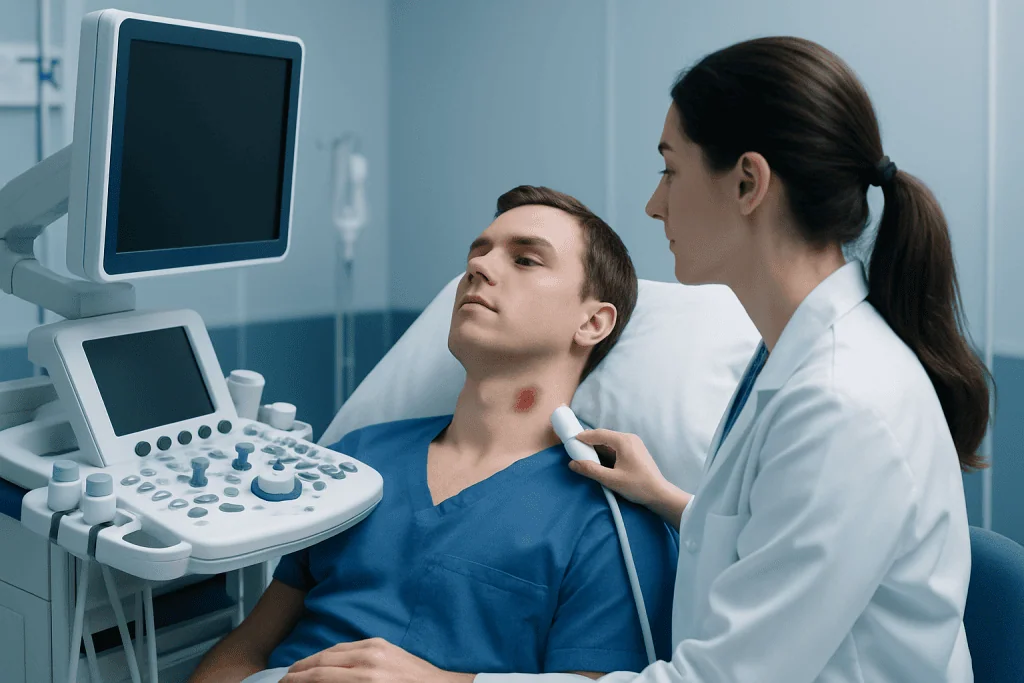
A fresh hickey often appears red or pink at first. Over the next day or two, it may darken to purple, blue, or brown, depending on skin tone and the depth of the bruise. As it heals, the color may shift to greenish or yellow before disappearing.
Some people feel mild tenderness, warmth, or sensitivity in the area. Others notice only the visible mark without discomfort. The skin surface is usually intact, though there may be slight swelling if the suction or pressure was stronger than usual.
A normal hickey should not be sharply painful or continue getting worse after the first day. It also should not cause numbness, severe swelling, drainage, or spreading redness. If symptoms look more like a skin infection, a larger traumatic bruise, or another skin condition, a doctor may need to assess it. In some cases, a bruise-like spot can resemble a skin cancer lesion or another skin change, especially if there was no clear cause.
- Common colors: red, purple, blue, brown, yellow-green during healing
- Common locations: neck, collarbone area, chest, shoulder, upper arm
- Typical symptoms: mild soreness, tenderness, localized discoloration
- Unusual symptoms: severe pain, major swelling, bleeding, fever, or drainage
What Causes a Hickey and Who Bruises More Easily

A hickey develops when negative pressure from suction, sometimes combined with biting or rubbing, breaks delicate capillaries under the skin. This is similar to what happens with other bruises, except the injury is usually more localized and on thinner, more sensitive skin.
Some people bruise more easily than others. Age can play a role because skin becomes thinner and blood vessels more fragile over time. Certain medicines, such as blood thinners or drugs that affect clotting, may also make bruising more noticeable or longer lasting. People with vitamin deficiencies, clotting disorders, or some medical illnesses can bruise more easily as well.
The neck deserves a little extra caution because it contains sensitive structures, including larger blood vessels and nerves. Serious complications from a hickey are very uncommon, but if there is significant force, prolonged suction, or associated injury, a clinician may consider whether the bruise is simply superficial or whether there is deeper tissue trauma. People who have frequent unexplained bruises elsewhere on the body may benefit from assessment for anemia or another underlying condition.
How Long a Hickey Lasts and the Stages of Healing
Most hickeys last from a few days up to about two weeks. The exact timing depends on the size of the bruise, the person’s skin type, overall health, age, and whether they bruise easily. Larger or deeper bruises generally take longer to fade.
During healing, the body breaks down the blood trapped under the skin. This is why the color changes over time. A hickey may look more noticeable before it looks better, which can be normal in the first several days.
If the mark is not improving at all after about two weeks, or if it is becoming darker, more painful, or swollen instead of fading, it is sensible to seek medical advice. A doctor may want to confirm that it is truly a simple bruise and not another issue such as a hematoma, skin irritation, or an unrelated skin lesion.
- Days 1-2: red or purple, sometimes mildly tender
- Days 3-7: darker blue, purple, or brown shades may appear
- Days 7-14: fading with yellow or green tones
- After 2 weeks: many hickeys are gone or barely visible
Home Care and Treatment Options
There is no instant way to remove a hickey, but gentle care can support comfort and normal healing. In the first 24 to 48 hours, a cold compress wrapped in cloth may help reduce minor swelling and soothe tenderness. It should be applied gently for short periods rather than pressed hard against the skin.
After the first day or two, some people find that a warm compress is more comfortable. Warmth may encourage circulation in the area, which can help the body clear the bruise naturally. The skin should not be rubbed aggressively, scraped, or treated with harsh products in an attempt to make the mark disappear faster, because this can worsen irritation or create a larger bruise.
If there is discomfort, a clinician or pharmacist can advise on suitable over-the-counter pain relief based on the person’s health needs. It is also helpful to protect the skin from further friction and sun exposure while it heals. If a mark is unusually large or there is concern about significant bruising, doctors may use tests such as MRI scans or other evaluations in selected cases, though this is not needed for a routine hickey.
- Use a cold compress during the first 24-48 hours
- Switch to a warm compress later if it feels soothing
- Avoid forceful massage or home remedies that irritate the skin
- Seek professional advice before using products on broken or sensitive skin
When to Seek Medical Care
Most hickeys do not need medical treatment, but some symptoms should not be ignored. Medical care is important if the bruise is associated with severe pain, rapid swelling, bleeding, fever, or signs of infection such as warmth, pus, or spreading redness. A doctor should also assess any bruise that appears without a clear cause or keeps recurring easily.
Urgent medical attention is needed if a person has trouble breathing, difficulty swallowing, severe headache, weakness, numbness, dizziness, fainting, visual changes, or confusion after neck trauma. These symptoms are not typical of a simple hickey and may point to a more serious injury.
If the mark does not fade as expected, becomes a firm lump, or looks unusual for a bruise, a clinician may perform a physical examination and, if needed, request tests such as ultrasound imaging or blood work to look at clotting or other causes. This is especially important for people taking blood thinners or those with a history of easy bruising.
Prevention, Skin Care, and Outlook
The best way to prevent a hickey is to avoid strong suction, prolonged pressure, or biting on delicate skin. Areas such as the neck bruise more easily because the skin can be thinner and the blood vessels closer to the surface. Being aware of this can reduce the chance of getting another visible mark.
General skin and health habits may also support normal bruise healing. Staying well nourished, avoiding smoking, and discussing frequent bruising with a doctor can be helpful. If bruises happen often for no obvious reason, a medical review may be needed to rule out a blood or skin problem, including conditions that affect fragile vessels such as varicose veins in other parts of the body.
The outlook for a simple hickey is excellent. It almost always resolves fully without scarring. Near the end of the healing process, if patients have ongoing concerns about skin appearance or about whether a mark is healing normally, a dermatologist or primary care doctor can advise. Acibadem International’s multidisciplinary specialists and JCI-accredited hospitals diagnose and treat skin and soft-tissue concerns for international patients when further evaluation is needed.
Frequently asked questions
What is a hickey exactly?
A hickey is a minor bruise caused by suction, kissing, or light biting that breaks tiny blood vessels under the skin. The leaked blood creates a red, purple, or bluish mark that fades as the body heals.
How long does a hickey last?
Most hickeys last from several days to about two weeks. Small, mild marks may fade sooner, while larger bruises can take longer depending on skin sensitivity and overall health.
Can a hickey be treated quickly?
There is no immediate cure, but gentle care can help. A cold compress in the first 24 to 48 hours and a warm compress after that may reduce discomfort and support natural healing.
Is a hickey dangerous?
Usually, no. A typical hickey is a harmless superficial bruise, but severe pain, swelling, trouble swallowing, breathing symptoms, or neurological symptoms need prompt medical attention.
Should a hickey be massaged or scrubbed?
No. Forceful rubbing, scraping, or aggressive massage may irritate the skin and can make bruising worse instead of helping it fade.
Why do some people get hickeys more easily?
People may bruise more easily because of thinner skin, age, certain medications, or medical conditions that affect blood clotting or vessel strength. If bruising is frequent or unexplained, a doctor should evaluate it.
References
- American Academy of Dermatology
- National Health Service
- MedlinePlus
- Mayo Clinic
- Cleveland Clinic
This article is for general information only and is not a substitute for professional medical advice. Please consult a qualified doctor about your individual situation.
Joint and spine care in Turkey — expert assessment & treatment
JCI-accredited · board-certified surgeons · reply within 24h
Add us as a Preferred Source to see more of our trusted health content across Google Search, AI Overviews and Discover.