

Hip Dislocation: A Complete Medical Overview

Hip dislocation is an urgent condition that usually follows a major injury or, less commonly, occurs after hip replacement surgery. Typical signs include severe hip pain, inability to bear weight, and a leg that looks shortened or turned inward or outward.
Key Takeaways
- Hip dislocation is an urgent condition that usually follows a major injury or, less commonly, occurs after hip replacement surgery.
- Typical signs include severe hip pain, inability to bear weight, and a leg that looks shortened or turned inward or outward.
- Doctors confirm the diagnosis with an examination and imaging, then reposition the joint as soon as it is safe to do so.
- Treatment may include sedation, joint reduction, surgery, and rehabilitation depending on the cause and associated injuries.
- Prompt care helps lower the risk of nerve damage, blood supply problems to the bone, arthritis, and repeated dislocation.
Hip dislocation happens when the ball of the thighbone is forced out of the hip socket, usually after significant trauma or as a complication of hip replacement. It needs urgent medical evaluation because early treatment can reduce pain, restore joint alignment, and lower the risk of complications.
Overview
Hip dislocation means the rounded top of the thighbone, called the femoral head, has moved out of the hip socket. This is not the same as a simple strain or bruise. In most cases, it happens because a strong force pushes the joint out of position, such as during a car crash, a fall from height, or a sports injury. It can also happen after hip replacement surgery if the artificial joint becomes unstable.
The hip is a deep, stable ball-and-socket joint, so a dislocation usually reflects a significant injury. That is why doctors treat it as an emergency. A dislocated hip can be extremely painful and may occur along with fractures, cartilage injury, or damage to nearby nerves and blood vessels.
There are different patterns of hip dislocation. A posterior dislocation, where the femoral head moves backward, is the most common type after trauma. An anterior dislocation is less common and moves the joint forward. In people who have had a hip replacement, the mechanism and treatment plan may differ, but prompt assessment is still important.
Signs and Symptoms of Hip Dislocation
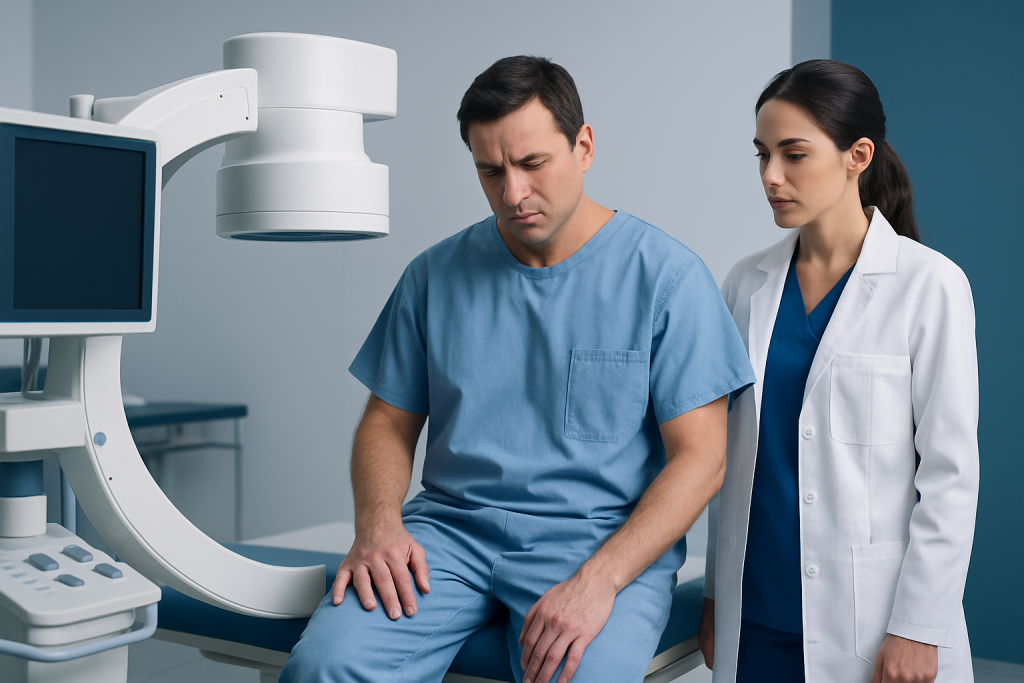
The symptoms of hip dislocation usually begin suddenly. Severe pain in the hip, groin, buttock, or upper thigh is common. Most people cannot stand, walk, or move the leg normally. The leg may look shorter than the other side or appear twisted in an unusual direction.
The position of the leg can offer clues about the type of dislocation. In a posterior dislocation, the hip and knee are often bent, and the leg may turn inward. In an anterior dislocation, the leg may turn outward. Swelling, muscle spasm, and a feeling that the hip is “out of place” are also common.
Some people develop numbness, tingling, or weakness in the leg or foot if a nearby nerve is affected. This can happen with more serious injuries and needs urgent attention. Symptoms after a hip replacement may be similar, though sometimes the event follows a smaller movement such as bending, twisting, or getting up from a low chair.
- Sudden, severe hip or groin pain
- Inability to bear weight or move the leg
- Visible shortening or rotation of the leg
- Hip deformity or a locked position
- Numbness, tingling, or weakness below the hip
Causes and Risk Factors
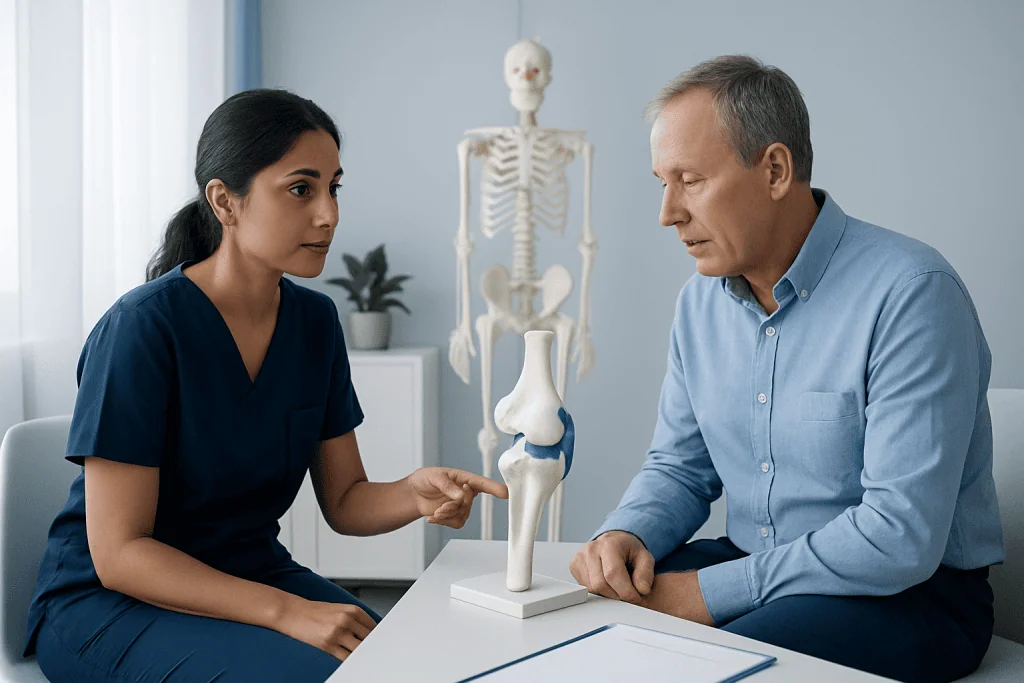
Because the hip joint is strongly supported by bone, ligaments, and muscles, a native hip dislocation usually requires substantial force. Motor vehicle collisions are a classic cause, especially when the knee strikes the dashboard and drives the femur backward. Falls from a height, crushing injuries, and some high-impact sports can also lead to dislocation.
In some cases, hip dislocation occurs with other injuries around the joint. These may include fractures of the acetabulum, which is the socket portion of the pelvis, or fractures of the femoral head. Soft tissue damage to cartilage and the labrum can happen at the same time and may affect long-term joint function.
People who have had hip replacement surgery have a different risk profile. A prosthetic joint may dislocate if the components shift, if surrounding muscles are weak, or if the hip is placed in a vulnerable position. Previous surgery, certain neurological conditions, poor muscle control, and a history of repeated instability can increase the chance of another event. Related bone and socket injuries may overlap with problems such as hip fracture or pelvic fracture, which often need careful orthopedic assessment.
How Doctors Diagnose It
Diagnosis starts with an urgent physical examination and a clear history of how the injury happened. Doctors assess pain, leg position, skin condition, and whether there are signs of nerve or blood vessel injury. Checking sensation, foot movement, and circulation is especially important before and after the hip is put back into place.
Imaging confirms the diagnosis and helps identify associated injuries. X-rays are usually the first test because they quickly show whether the femoral head is out of the socket and whether a fracture is present. A CT scan is often used after reduction or when a complex injury is suspected, as it provides more detail about bone alignment and small fracture fragments.
In selected cases, MRI may help evaluate cartilage, labral tears, or the blood supply to the femoral head during follow-up. Doctors also consider whether the dislocation involves a natural joint or a replacement joint, since this affects treatment planning. When a prosthetic hip is involved, assessment may be coordinated with specialists experienced in hip replacement and revision care.
Treatment Options and Recovery
The main early treatment for hip dislocation is reduction, which means guiding the femoral head back into the socket. This is usually done as soon as possible in a hospital setting, often with sedation or anesthesia to control pain and relax the muscles. Early reduction matters because it may reduce pressure on nerves and lower the risk of damage to the blood supply of the femoral head.
Some people can be treated with closed reduction, which does not require an incision. Others need surgery if the hip cannot be reduced safely, if the joint remains unstable, or if there are associated fractures, loose fragments, or soft tissue injuries inside the joint. Depending on the injury pattern, treatment may involve fracture repair, joint stabilization, or other orthopedic surgery procedures.
After the joint is reduced, doctors monitor pain, nerve function, and imaging results. Weight-bearing may be limited for a period of time, especially if fractures are present. Rehabilitation often includes guided exercises to restore movement, rebuild strength, and improve balance. Follow-up is important because complications such as stiffness, repeat dislocation, post-traumatic arthritis, or avascular necrosis can develop later. Many patients benefit from a structured recovery plan that includes physical therapy and rehabilitation.
Prevention and Self-care After a Dislocation
Not every hip dislocation can be prevented, especially when it results from major trauma. Still, general safety steps matter. Using seat belts correctly, following workplace safety procedures, preventing falls, and using proper protective equipment during sports can reduce the risk of serious hip injuries.
For people recovering from a dislocation, self-care focuses on protecting the joint while healing. Following weight-bearing instructions, using walking aids when advised, and attending rehabilitation sessions can support recovery. Patients should not return to high-impact activity until a doctor confirms that the hip is stable and healing is progressing well.
After hip replacement, prevention often includes learning safer movement patterns during the early recovery period. Depending on the type of surgery and the surgeon’s instructions, this may mean avoiding extreme bending, twisting, or crossing the legs for a time. Strengthening the muscles around the hip and maintaining a safe home environment can also help lower the chance of another dislocation.
When to Seek Medical Care
A suspected hip dislocation always needs urgent medical attention. Severe hip pain after an injury, inability to stand, a visibly deformed or rotated leg, or sudden loss of movement should be assessed right away. People should not try to force the hip back into place themselves.
Emergency care is especially important if there is numbness, weakness, a cold foot, heavy swelling, or signs of another major injury. These symptoms can suggest nerve, blood vessel, or fracture-related complications that need rapid treatment. If someone has had a hip replacement and the joint suddenly becomes painful, unstable, or appears out of place, urgent evaluation is also recommended.
During follow-up, medical review is important for increasing pain, fever, worsening stiffness, repeated instability, or difficulty returning to normal walking. In a multidisciplinary setting, experienced orthopedic, imaging, and rehabilitation teams can coordinate diagnosis and treatment. Acibadem International’s JCI-accredited hospitals care for international patients with hip injuries through multidisciplinary specialists when advanced assessment or treatment is needed.
Frequently asked questions
Is a hip dislocation an emergency?
Yes. Hip dislocation needs urgent medical care because the joint is out of place and nearby nerves, blood vessels, cartilage, and bone may also be injured. Early treatment helps restore alignment and may lower the risk of long-term complications.
What does a dislocated hip feel like?
A dislocated hip usually causes sudden, severe pain in the hip or groin and makes it very hard or impossible to stand or walk. The leg may look shortened, twisted, or stuck in one position. Some people also notice numbness or weakness in the leg or foot.
Can a hip dislocation happen without a major accident?
In a natural hip joint, it most often follows significant trauma. However, in people with a hip replacement, dislocation can sometimes happen with less force, especially if the joint is unstable or placed in a vulnerable position. A doctor can help identify the cause and the best way to reduce the risk of recurrence.
How is a hip dislocation treated?
Treatment usually begins with pain control and urgent reduction, which means moving the hip back into the socket. Some people can be treated without surgery, while others need an operation if there are fractures, instability, or a blocked reduction. Recovery often includes follow-up imaging and rehabilitation.
How long does recovery take after hip dislocation?
Recovery time varies depending on the severity of the injury, whether there are fractures, and whether surgery is needed. Some people improve over weeks, while others need a longer period of protected weight-bearing and rehabilitation. Regular follow-up helps track healing and detect any later problems.
What complications can happen after a hip dislocation?
Possible complications include nerve injury, repeated dislocation, stiffness, cartilage damage, arthritis, and avascular necrosis, which is reduced blood supply to the femoral head. Not everyone develops these problems, but they are the reason careful follow-up matters. A doctor may recommend imaging and rehabilitation based on the injury pattern.
This article is for general information only and is not a substitute for professional medical advice. Please consult a qualified doctor about your individual situation.
Joint and spine care in Turkey — expert assessment & treatment
JCI-accredited · board-certified surgeons · reply within 24h
Add us as a Preferred Source to see more of our trusted health content across Google Search, AI Overviews and Discover.

More from the Health Library

Cholecalciferol: An Evidence-Based Guide for Patients

Xifaxan: What Patients Need to Know

Pupillary Distance: What Patients Need to Know

Calculate Height in Cms — Explained by Medical Evidence, Not Myths

St Depression — Explained by Medical Evidence, Not Myths

No Thyroid: What Patients Need to Know
Orthopedic Surgery & Traumatology Specialists at Acibadem

Dr. Buğra Alpan
Orthopedic Surgery & Traumatology
Dr. Bülent Özmen
Orthopedic Surgery & Traumatology
Dr. Bülent Yücel
Orthopedic Surgery & Traumatology
Prof. Dr. Burak Akan
Orthopedic Surgery & Traumatology