Hip Replacement Recovery: Milestones, Pain Control, and Walking Again

Many patients begin standing and walking with assistance within a day after hip replacement surgery. Pain, swelling, stiffness, and fatigue are common early in recovery and usually improve over time.
Key Takeaways
- Many patients begin standing and walking with assistance within a day after hip replacement surgery.
- Pain, swelling, stiffness, and fatigue are common early in recovery and usually improve over time.
- Physical therapy, home exercises, and safe movement habits are key to regaining strength and mobility.
- Recovery timelines vary based on age, general health, muscle strength, and the type of surgery performed.
- Warning signs such as fever, worsening calf pain, chest pain, or wound drainage need prompt medical attention.
Hip replacement recovery is a gradual process that typically begins with standing and walking soon after surgery and continues for several months. Most people improve steadily with pain management, rehabilitation, and careful return to daily activities.
Overview of Hip Replacement Recovery
Hip replacement recovery is the period of healing and rehabilitation after a damaged hip joint has been replaced with an artificial one. The main goals are to reduce pain, restore mobility, improve function, and help the person return to daily activities safely. Recovery begins immediately after surgery and continues in stages over the following weeks and months.
Most patients are encouraged to start moving early, often on the same day as surgery or the next day, depending on their condition and the surgeon’s plan. Early movement supports circulation, helps reduce stiffness, and starts the process of rebuilding confidence in the new joint. It is normal for progress to feel uneven, with better days and more tiring days during the first few weeks.
Recovery speed varies from person to person. Age, fitness level, muscle strength, body weight, other medical conditions, home support, and whether one or both hips were treated can all affect the timeline. People having hip replacement surgery for severe osteoarthritis may notice that although surgical pain is present at first, the deep joint pain that led to surgery gradually improves.
Common Milestones After Surgery

After surgery, care teams usually watch closely for pain control, blood flow, wound healing, and safe movement. Many patients sit up, stand, and take a few steps with a walker or crutches very early in recovery. This is an important first milestone and can help build confidence while reducing the risks linked to prolonged bed rest.
Over the first one to two weeks, the focus is often on getting in and out of bed safely, walking short distances, using the bathroom, climbing a few stairs if needed, and learning exercises to protect and strengthen the hip. Swelling and tiredness are common during this stage, so activity is usually balanced with rest and leg elevation.
In the following weeks, many people gradually walk farther, rely less on support devices, and manage more household tasks. By around six to twelve weeks, daily activities often feel easier, although full healing and muscle recovery may continue for several months. Some people return to desk work sooner, while more physically demanding work may require longer recovery.
- First days: standing, short walks, basic self-care
- First 2 weeks: wound care, swelling control, regular exercises
- Weeks 2-6: improving walking distance and confidence
- Weeks 6-12: better strength, mobility, and daily function
- Several months: continued gains in endurance and balance
Pain Control, Swelling, and Comfort
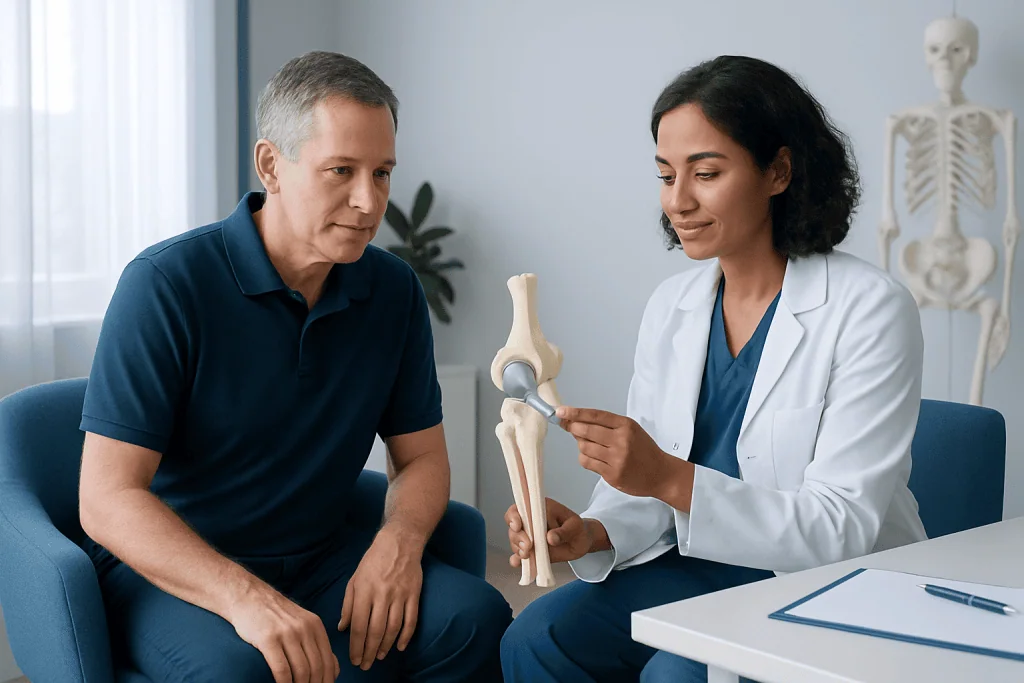
Pain control is an important part of hip replacement recovery because it allows the patient to move, sleep, and take part in rehabilitation more comfortably. Some discomfort is expected, especially in the early days, but it should usually become easier to manage as healing progresses. Pain may feel different from the arthritis pain present before surgery and may include soreness around the incision, muscle tightness, and stiffness.
Doctors often use a combination of methods to control pain. These may include prescription or nonprescription medications, ice, rest, positioning, and gradual activity. Taking medication only as directed is important, especially for stronger pain medicines that may cause drowsiness, constipation, or nausea. Patients should ask their care team about safe use of any regular medicines and supplements during recovery.
Swelling around the hip, thigh, or lower leg can be common after surgery. Gentle walking, approved exercises, ice packs, and elevating the leg as instructed may help. It is also common to feel tired for several weeks. Pacing activity, drinking enough fluids, eating balanced meals, and sleeping regularly can support overall recovery and comfort.
Walking Again and Physical Therapy
Walking again is one of the most meaningful recovery goals after hip replacement. At first, walking usually starts with a walker, crutches, or a cane to improve balance and reduce stress on the healing tissues. The correct device and how long it is needed depend on the surgeon’s instructions, muscle strength, balance, and the type of procedure performed.
Physical therapy plays a central role in helping patients regain mobility and use the new hip safely. Therapy often includes exercises for range of motion, thigh and hip strengthening, posture, balance, and walking technique. Learning how to sit, stand, bend, turn, and get into a car properly can also help protect the new joint and reduce discomfort.
Patients are usually encouraged to walk short distances several times a day rather than overdo activity all at once. Gradual progress is safer and often more effective than trying to do too much too early. Depending on the person’s recovery, additional support such as physical therapy and rehabilitation may help improve strength, confidence, and independence.
High-impact sports and heavy lifting are usually delayed until the surgeon says it is safe. Many people can return to low-impact activities such as walking, gentle cycling, or swimming after appropriate healing. The exact plan should always be individualized based on medical advice.
Daily Activities, Sleeping, and Returning to Normal Life
Daily routines often need temporary adjustment after hip replacement. Dressing, bathing, cooking, and moving around the home may be easier with simple aids such as a raised toilet seat, shower chair, long-handled shoehorn, or reacher. Removing loose rugs and keeping walkways clear can reduce the risk of falls during the first weeks.
Sleeping can be uncomfortable at first because of soreness, swelling, and limited movement. Many patients sleep best on their back with support pillows, or on their side only if their doctor allows it. Finding a comfortable position may take time, and interrupted sleep is common early in recovery.
Driving is usually delayed until the patient can move safely, react quickly, and is no longer using medicines that impair alertness. Return to work depends on the type of job and the individual’s progress. A desk-based role may be possible sooner than work that requires long standing, climbing, or lifting. If joint damage before surgery was caused by osteoarthritis, patients may feel that movement becomes more natural as pain and stiffness steadily improve.
Possible Risks and Warning Signs
Most hip replacements heal well, but every surgery carries some risks. Possible complications can include infection, blood clots, dislocation, leg-length feeling differences, nerve irritation, or loosening of the implant over time. Although these problems are not common in every patient, knowing the warning signs can help people seek help promptly if needed.
Patients should contact their doctor if they notice increasing redness, warmth, swelling, or drainage from the wound; fever; worsening pain that does not improve with rest and prescribed treatment; or sudden difficulty bearing weight. Calf pain, significant swelling in one leg, chest pain, or shortness of breath should be treated as urgent symptoms because they may point to a blood clot or another serious problem.
Follow-up appointments are an important part of recovery. They allow the surgical team to check wound healing, review walking and exercise progress, and monitor the function of the new joint. If symptoms of ongoing hip pain continue well beyond the expected recovery period, the doctor may recommend further evaluation.
Tips to Support a Smoother Recovery
Recovery often goes more smoothly when patients follow the care plan closely. Taking medicines as prescribed, doing exercises regularly, attending follow-up visits, and using walking aids correctly all support healing. It also helps to prepare the home before surgery so the living space is easier and safer to navigate afterward.
Nutrition and hydration matter as well. Protein, fruits, vegetables, whole grains, and adequate fluids can support tissue healing and energy levels. Avoiding smoking is especially important because smoking can slow healing and may increase the risk of complications. For people with diabetes or other long-term conditions, keeping those conditions well managed can also help recovery.
Patients should balance activity with rest. Too little movement can lead to stiffness and weakness, while too much too soon may increase pain and swelling. The safest approach is gradual progress guided by the surgeon and rehabilitation team. For patients traveling for care, Acibadem International’s multidisciplinary specialists in JCI-accredited hospitals diagnose and treat joint conditions and support recovery planning for international patients, including care related to orthopedics and traumatology.
Frequently asked questions
How long does hip replacement recovery usually take?
Initial recovery often takes several weeks, while fuller healing and strength gains may continue for several months. Many people feel noticeably better by six to twelve weeks, but exact timing varies based on health, age, activity level, and surgical details.
When can someone walk after hip replacement surgery?
Many patients begin standing and walking with assistance on the same day as surgery or the next day. Walking starts in short sessions with a walker, crutches, or a cane, then gradually increases as balance and strength improve.
Is pain normal after hip replacement?
Yes, some pain, swelling, stiffness, and soreness are expected after surgery. These symptoms usually improve gradually, and pain management strategies such as medicines, ice, and guided activity can help make recovery more comfortable.
How long is a walker or cane needed after surgery?
The need for a walker or cane varies from person to person. Some patients use support devices for a short period, while others need them longer depending on strength, balance, and the surgeon's advice.
What activities should be avoided during recovery?
Patients are usually advised to avoid high-impact activity, heavy lifting, twisting movements, and positions their surgeon has restricted. The exact precautions depend on the surgical approach and the person's stage of healing, so individual guidance is important.
What symptoms should prompt urgent medical attention after hip replacement?
Urgent attention is needed for chest pain, shortness of breath, severe calf pain, sudden major swelling in one leg, or signs of a wound infection such as fever and drainage. These symptoms can indicate a serious complication and should not be ignored.
References
- American Academy of Orthopaedic Surgeons
- National Institute of Arthritis and Musculoskeletal and Skin Diseases
- National Health Service
- Mayo Clinic
- OrthoInfo
This article is for general information only and is not a substitute for professional medical advice. Please consult a qualified doctor about your individual situation.
Hip Replacement in Turkey — costs, top hospitals & a free quote
JCI-accredited · board-certified surgeons · reply within 24h
Add us as a Preferred Source to see more of our trusted health content across Google Search, AI Overviews and Discover.

Orthopedics & Spine
Care for bones, joints and the musculoskeletal system, including joint replacement, sports injuries and trauma.
125 specialists in this unit