Hip Stretches: A Complete Medical Overview

Hip stretches are designed to improve flexibility and mobility around the hip joint and surrounding muscles. Gentle, regular stretching may help reduce stiffness from sitting, exercise, or mild muscle tightness.
Key Takeaways
- Hip stretches are designed to improve flexibility and mobility around the hip joint and surrounding muscles.
- Gentle, regular stretching may help reduce stiffness from sitting, exercise, or mild muscle tightness.
- Stretching should create mild tension, not sharp pain, pinching, or numbness.
- Persistent hip pain may be related to joint, tendon, nerve, or spine problems rather than simple tightness.
- A doctor or physical therapist can help identify the safest stretches when symptoms keep returning.
Hip stretches can help improve flexibility, ease everyday stiffness, and support healthy movement in the hips, pelvis, and lower back. They work best when chosen carefully, performed with good technique, and adjusted if pain, injury, or an underlying joint condition is present.
Overview: What hip stretches do and when they help
Hip stretches are movements that lengthen muscles and soft tissues around the hip joint. They are commonly used to improve flexibility, support range of motion, and reduce the feeling of tightness that can develop with long periods of sitting, sports training, or recovery after activity. For many people, they are a practical part of general fitness and daily self-care.
The hips are complex joints that connect the legs, pelvis, and lower spine. Because of this, stiffness in the hips may also affect posture, walking, squatting, climbing stairs, and even lower back comfort. Stretching the hip flexors, gluteal muscles, inner thighs, and outer hip tissues may help movement feel easier, especially when combined with strengthening and balanced activity.
It is important to understand that hip stretches are not a single treatment for every kind of hip pain. Tight muscles can cause discomfort, but symptoms may also come from tendon irritation, arthritis, bursitis, labral problems, or pain referred from the back. In these cases, stretching may still have a role, but the best plan depends on the cause.
A medically informed approach is helpful: stretches should be gentle, controlled, and matched to the person’s symptoms, age, activity level, and overall health. If stretching repeatedly causes pain, the goal should shift from “stretch more” to understanding why the hip is irritated in the first place.
Common signs of tight hips and related symptoms
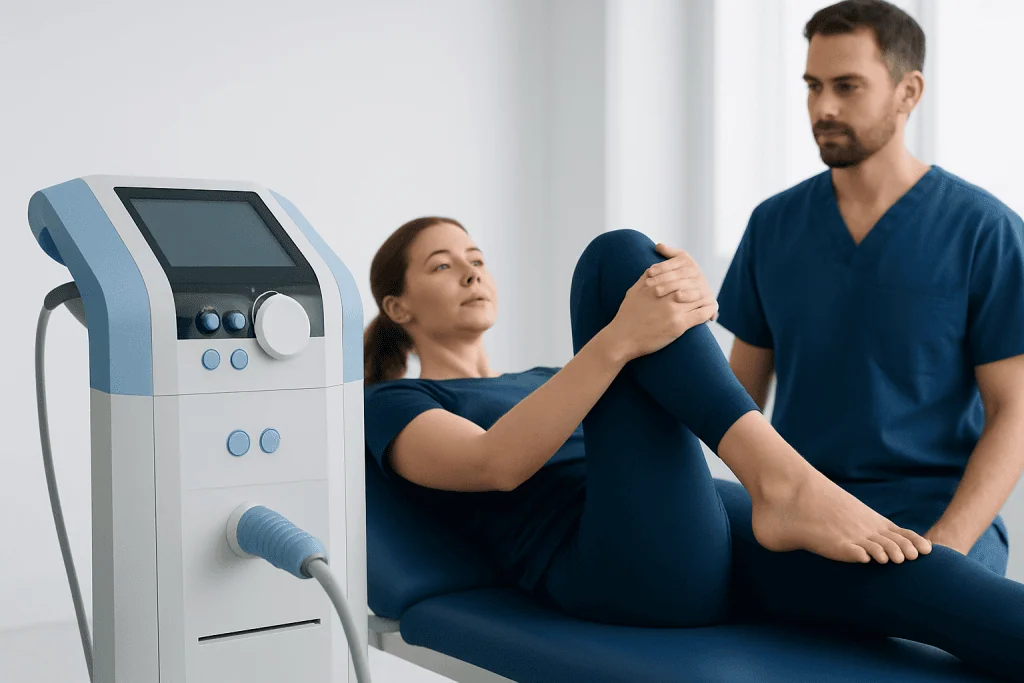
People often describe tight hips as stiffness at the front, side, or back of the hip, especially after sitting or first thing in the morning. Others notice reduced flexibility during exercise, discomfort when standing up, or a limited ability to lunge, squat, or bring the knee toward the chest. Mild muscular tightness may improve after a warm-up or gentle movement.
Symptoms linked with hip tightness are not always limited to the hip itself. Some people feel strain in the groin, buttock, thigh, or lower back. This can happen because the muscles and connective tissues around the pelvis work together during walking, turning, climbing, and balance tasks.
Not all discomfort means a person should keep stretching. Warning symptoms include sharp pain, catching, locking, instability, pain that worsens at night, numbness, or pain radiating down the leg. These features may suggest a problem beyond simple muscle tightness, such as joint irritation or a spine-related issue.
- Common mild symptoms: stiffness, reduced range of motion, a pulling sensation, or discomfort after inactivity
- Symptoms needing more caution: groin pain, clicking, repeated pain with sport, limping, or pain that does not improve with rest
- Urgent symptoms: inability to bear weight after injury, severe swelling, fever, or sudden major loss of movement
Why the hips become tight: causes and risk factors
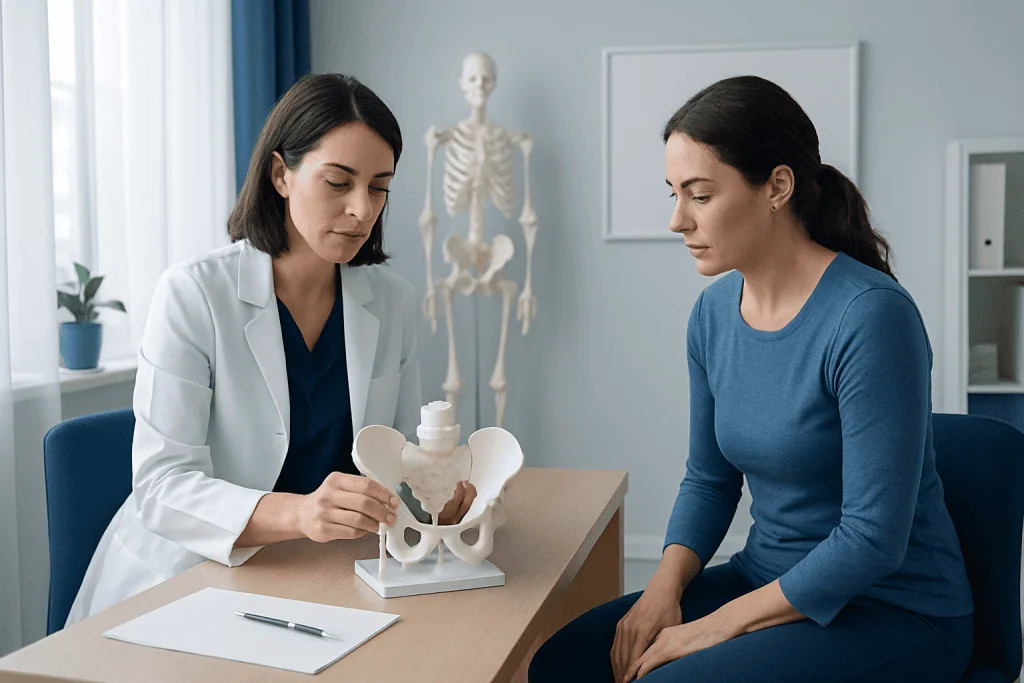
One of the most common reasons for tight hips is prolonged sitting. This position keeps the hips flexed for long periods and may contribute to a feeling of shortening in the front of the hips. Desk work, long travel, and reduced daily movement often play a role. In athletes, repeated running, kicking, cycling, or strength training without enough recovery may also lead to muscle tension.
Muscle imbalance is another important factor. Tight hip flexors may occur along with weak gluteal or abdominal muscles, which can change movement patterns and increase strain elsewhere. In some cases, what feels like “tightness” is actually the body protecting an irritated joint or tendon. Stretching alone may not correct this if the root cause is poor mechanics, overuse, or weakness.
Age-related changes and medical conditions can also affect flexibility. Osteoarthritis, tendon disorders, inflammation around the hip, previous injury, and scar tissue after surgery may all restrict movement. Some people with hip pain are dealing with a joint condition rather than isolated soft-tissue stiffness. Others may have referred symptoms from the lumbar spine or sacroiliac region.
Risk factors for persistent hip tightness include:
- Sedentary lifestyle or long hours sitting
- Sudden increase in training or exercise intensity
- Previous hip, groin, pelvic, or lower back injury
- Poor flexibility combined with weak supporting muscles
- Arthritis or other degenerative joint changes
Types of hip stretches and how to perform them safely
Hip stretches usually target one or more muscle groups: the hip flexors at the front of the hip, the gluteal muscles and external rotators at the back, the adductors of the inner thigh, and the tissues along the outer hip. A complete routine often includes different positions rather than repeating one stretch many times. Gentle holds are commonly used, while dynamic mobility work may be helpful before exercise.
Examples of commonly recommended options include a kneeling hip flexor stretch, figure-four stretch, seated or lying glute stretch, butterfly stretch for the inner thighs, and a gentle lunge variation. The correct position matters more than pushing deeply. The pelvis should stay as neutral as possible, breathing should remain relaxed, and the stretch should feel like mild to moderate tension rather than pain.
For safety, it often helps to warm up first with a short walk or light movement. Bouncing, forcing the joint, or trying to “push through” pinching can make symptoms worse. People recovering from injury or surgery should only use stretches approved by their clinician. In some cases, a structured physical therapy and rehabilitation program is more appropriate than a generic online routine.
General safety tips include:
- Move into the stretch slowly and stop before pain begins
- Hold steady rather than bouncing
- Keep breathing and avoid tensing the shoulders or back
- Stretch both sides unless a clinician advises otherwise
- Reduce intensity if symptoms linger after the session
When stretching is useful and when it may not be enough
Hip stretches are often helpful when the main problem is muscular stiffness related to inactivity, exercise, or mild overuse. They may also support recovery after daily strain by restoring comfortable movement and helping the person become more aware of posture and body mechanics. When done regularly, they can be a simple part of a broader mobility routine.
However, stretching is only one part of hip care. Many people need strengthening of the gluteal, abdominal, and leg muscles to improve control and reduce repeated strain. Weakness, balance deficits, training errors, or footwear problems can all contribute to recurring symptoms. If stretching brings only brief relief, this may be a sign that another factor needs attention.
Stretching may not be the best primary approach when pain is caused by significant joint degeneration, acute muscle tear, tendon injury, fracture, or inflammatory disease. People with known arthritis, labral problems, or persistent functional limits may need medical review and imaging if clinically indicated. In some cases, evaluation for osteoarthritis or another structural issue is appropriate.
For people whose symptoms are linked to a more complex joint disorder, treatment may include activity modification, rehabilitation, medication advice, or orthopedics consultation. When conservative care is not enough, a specialist may discuss options ranging from guided therapy to procedures such as hip replacement in selected cases.
How doctors evaluate ongoing hip stiffness or pain
If hip tightness keeps returning or is associated with pain, clinicians usually begin with a detailed history. They ask where the symptoms are felt, what movements trigger them, how long they have been present, and whether there was an injury. They may also ask about sports, work habits, back pain, prior surgery, and symptoms such as clicking, limping, fever, or weakness.
The physical examination may assess posture, gait, range of motion, strength, tenderness, and how the hip moves during specific tests. This helps distinguish muscular tightness from joint irritation, tendon problems, bursitis, nerve-related symptoms, or pain coming from the lower back. Examination findings often guide which stretches are safe and which should be avoided.
Imaging is not always necessary for mild stiffness, but it may be recommended when symptoms are severe, persistent, or linked to trauma. X-rays can help evaluate bone and joint changes, while MRI may be used for soft tissue injuries, labral problems, or unexplained pain. In some situations, a doctor may also recommend MRI to better understand the source of symptoms.
Assessment is especially important when home stretching has failed for several weeks, when daily function is affected, or when pain is becoming more frequent. A clear diagnosis allows treatment to focus on the actual cause rather than on the symptom of “tightness” alone.
Prevention and self-care for healthier hip mobility
Healthy hip mobility usually depends on consistency rather than intensity. Short, regular stretching sessions are often more useful than occasional forceful efforts. Changing positions throughout the day, standing up from a desk, and including walking or other low-impact movement can help prevent stiffness from building up.
Many people benefit from combining stretching with strengthening and posture awareness. Exercises that support the gluteal muscles, core, and legs may improve alignment and reduce overloading of the front of the hips. A balanced routine often works better than focusing on flexibility alone. During exercise, a gradual warm-up and sensible progression in training volume can also reduce strain.
Practical self-care steps include:
- Take movement breaks during long sitting periods
- Warm up before sports or vigorous exercise
- Use gentle stretches after activity if they feel comfortable
- Build strength in the hips, thighs, and core
- Rest and reduce load if the hip becomes painful rather than merely stiff
For international patients with persistent mobility problems or diagnosed hip conditions, Acibadem International’s multidisciplinary specialists in JCI-accredited hospitals evaluate and treat hip disorders with individualized plans. The most suitable approach may include rehabilitation, imaging, orthopedic care, or follow-up guidance based on the underlying diagnosis.
When to seek medical care
Medical assessment is a good idea if hip symptoms last more than a few weeks, keep returning, or interfere with walking, exercise, sleep, or daily tasks. It is also important when stretching consistently fails to help, or when the discomfort seems to be worsening instead of improving. Ongoing symptoms deserve a proper diagnosis rather than repeated self-treatment.
A person should seek prompt medical care after a fall, sports injury, or sudden twisting movement if there is severe pain, swelling, bruising, or difficulty bearing weight. Fever, redness, a visibly deformed joint, or pain that is intense at rest should also be evaluated quickly.
Medical advice is particularly important when symptoms include numbness, tingling, weakness, pain traveling below the hip, or major restriction of movement. These signs may point to nerve, spine, or joint conditions that need targeted care. Early assessment can help prevent unnecessary delay and guide safer treatment choices.
In general, hip stretches are useful for mild stiffness, but they are not a substitute for diagnosis when symptoms are persistent, severe, or unusual. A qualified doctor or physical therapist can help determine whether stretching should continue, be modified, or be replaced by another treatment plan.
Frequently asked questions
Do hip stretches really help?
Hip stretches can help when the main issue is mild muscle tightness or stiffness from sitting, exercise, or reduced movement. They tend to work best when done gently and regularly as part of a broader routine that may also include strengthening and activity changes.
How often should hip stretches be done?
Many people do well with brief stretching most days of the week rather than occasional intense sessions. The best frequency depends on symptoms, activity level, age, and whether a clinician has advised any restrictions.
Should hip stretches hurt?
No. A stretch may create a mild pulling sensation, but it should not cause sharp pain, pinching, burning, or numbness. If pain occurs, the stretch should be reduced or stopped and the cause discussed with a healthcare professional.
Can tight hips cause lower back discomfort?
They can contribute, because the hips, pelvis, and lower back work together during movement and posture. However, lower back pain may also be the original source of the problem, so persistent symptoms should not automatically be blamed on tight hips alone.
Are hip stretches safe for arthritis?
Gentle stretching is often used in people with arthritis, but it should be adapted to the individual's pain level and joint condition. A doctor or physical therapist can suggest the safest range of motion and help avoid positions that irritate the joint.
What is the difference between hip tightness and a hip injury?
Tightness usually feels like stiffness or limited flexibility that improves somewhat with movement. An injury is more likely to cause sudden pain, swelling, weakness, limping, or pain after a specific event, and it may need medical assessment.
This article is for general information only and is not a substitute for professional medical advice. Please consult a qualified doctor about your individual situation.
Joint and spine care in Turkey — expert assessment & treatment
JCI-accredited · board-certified surgeons · reply within 24h
Add us as a Preferred Source to see more of our trusted health content across Google Search, AI Overviews and Discover.

More from the Health Library

Monounsaturated — Explained by Medical Evidence, Not Myths

Salt Lamp Benefits — Explained by Medical Evidence, Not Myths

Retina — Explained by Medical Evidence, Not Myths

Boswellia: What Patients Need to Know

Retinyl Palmitate: What Patients Need to Know

Borborygmi: What Patients Need to Know
Physical Medicine & Rehabilitation Specialists at Acibadem

Assoc. Prof. Dr. Burak Özturan
Orthopedic Surgery & Traumatology
Burcu Kocabey
Physical Medicine & Rehabilitation
Fzt. Busenur Sezer
Physical Medicine & Rehabilitation
Büşra Zeybek
Physical Medicine & Rehabilitation