HIV Infection: Early Symptoms, Testing Windows, and Long-Term Treatment

Early HIV symptoms can resemble flu or other common viral illnesses, so testing is the only reliable way to know a person’s status. Different HIV tests have different window periods; a negative result may need repeat testing if exposure was recent.
Key Takeaways
- Early HIV symptoms can resemble flu or other common viral illnesses, so testing is the only reliable way to know a person’s status.
- Different HIV tests have different window periods; a negative result may need repeat testing if exposure was recent.
- Antiretroviral therapy can reduce the amount of virus in the blood to an undetectable level and protect long-term health.
- When HIV is consistently undetectable on treatment, it is not sexually transmitted, a concept known as U=U.
- Prevention options include condoms, PrEP before exposure, PEP after a possible exposure, and regular testing for people with ongoing risk.
HIV infection is a long-term viral condition that can be diagnosed accurately with modern tests and controlled effectively with daily antiretroviral treatment. Understanding early symptoms, testing windows, prevention options, and ongoing care helps people make timely, informed decisions.
Overview
HIV infection is caused by the human immunodeficiency virus, which affects the immune system, especially CD4 T cells that help the body fight infections. Without treatment, HIV can gradually weaken immune defenses over many years and may progress to AIDS, the most advanced stage of infection. With modern medical care, however, most people diagnosed with HIV can live active lives and maintain good immune function.
HIV is transmitted through specific body fluids, including blood, semen, vaginal fluids, rectal fluids, and breast milk. The most common routes are unprotected vaginal or anal sex with a person who has transmissible HIV, sharing needles or injection equipment, and transmission from mother to baby during pregnancy, birth, or breastfeeding when preventive care is not used. HIV is not spread through casual contact such as hugging, shaking hands, sharing dishes, coughing, or using the same toilet.
The most important points for patients are that HIV is diagnosable, treatable, and preventable. Testing can identify infection before serious immune damage occurs, and antiretroviral therapy can suppress the virus to very low levels. When treatment is taken as prescribed and viral load remains undetectable, HIV is not transmitted through sex, a message often summarized as undetectable equals untransmittable, or U=U.
Early Symptoms and Stages of HIV Infection
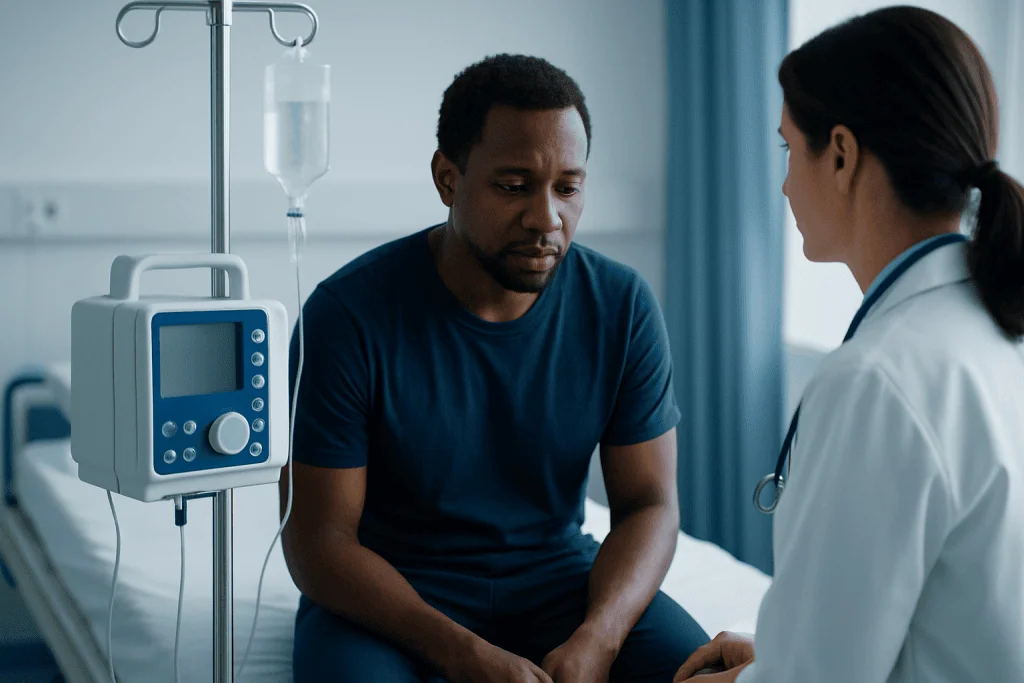
Early HIV symptoms may appear during the first few weeks after exposure, during a phase called acute HIV infection or seroconversion illness. Symptoms can look similar to influenza, mononucleosis, COVID-19, or other viral infections, which is why symptoms alone cannot confirm or rule out HIV. Some people have noticeable symptoms, while others have mild symptoms or none at all.
Possible early symptoms include fever, sore throat, swollen lymph nodes, rash, fatigue, muscle aches, night sweats, mouth ulcers, headache, or diarrhea. These symptoms usually improve on their own, but the virus remains in the body. During early infection, the amount of virus in the blood may be high, so transmission risk can be increased if safer sex or preventive measures are not used.
After the early phase, HIV may enter a long clinical latency stage. A person may feel well for years even while the virus continues to affect the immune system. Later symptoms, especially if HIV is untreated, may include unexplained weight loss, persistent fever, chronic diarrhea, recurrent infections, oral thrush, shingles, or prolonged swollen glands. Regular testing is therefore essential after possible exposure, even when a person feels healthy.
HIV Testing Windows and Types of Tests

The HIV testing window is the time between a possible exposure and when a test can reliably detect infection. This window depends on the type of test used and the person’s individual immune response. A negative test soon after exposure may be reassuring, but it may not be final if the test was done before the relevant window period had passed.
Common HIV tests include laboratory antigen/antibody tests, rapid antigen/antibody tests, antibody-only tests, and nucleic acid tests, also called RNA or NAT tests. Laboratory antigen/antibody tests can detect both HIV antibodies and the p24 antigen, often making them useful earlier than antibody-only tests. RNA tests look directly for viral genetic material and may be used when very recent infection is suspected or when symptoms strongly suggest acute HIV.
- HIV RNA or NAT test: may detect infection approximately 10 to 33 days after exposure.
- Laboratory antigen/antibody test: may detect infection approximately 18 to 45 days after exposure.
- Rapid antigen/antibody test: may detect infection approximately 18 to 90 days after exposure.
- Antibody-only test, including many self-tests: may detect infection approximately 23 to 90 days after exposure.
If a person tests negative after a recent exposure, a clinician may recommend repeat testing after the window period. If there has been a high-risk exposure within the last 72 hours, the person should seek urgent medical advice about post-exposure prophylaxis, known as PEP, rather than waiting for symptoms or a later test.
Diagnosis and Follow-Up After a Positive Test
A positive screening test for HIV is followed by confirmatory testing according to established diagnostic algorithms. This may include a laboratory test that differentiates HIV-1 from HIV-2 and, in some cases, an HIV RNA test. Confirmatory testing helps ensure accuracy and guides the next steps in care.
After diagnosis, doctors usually request baseline blood tests to understand a person’s overall health and the activity of the virus. These include an HIV viral load, which measures the amount of virus in the blood, and a CD4 cell count, which reflects immune system strength. Additional tests may check kidney and liver function, blood counts, hepatitis B and C, tuberculosis risk, sexually transmitted infections, pregnancy status when relevant, and immunity to vaccine-preventable infections.
The diagnosis visit is also an opportunity to discuss partner notification, prevention of transmission, emotional wellbeing, and practical support. People newly diagnosed with HIV may feel shocked or anxious, but prompt treatment and follow-up are highly effective. A knowledgeable healthcare team can explain results, answer questions confidentially, and help create a sustainable treatment plan.
Long-Term Treatment With Antiretroviral Therapy
Antiretroviral therapy, often shortened to ART, is the standard treatment for HIV infection. ART uses a combination of medicines that block different steps in the HIV life cycle. Treatment is recommended for everyone diagnosed with HIV, including people who feel well, because early and continuous therapy protects the immune system and reduces the risk of HIV-related complications.
The goal of treatment is viral suppression, meaning the viral load becomes very low or undetectable on standard blood tests. Many modern ART regimens are simple, well tolerated, and taken once daily, although the best choice depends on medical history, other medicines, kidney or liver function, pregnancy considerations, viral resistance testing, and patient preference. A doctor should always guide the selection and any changes to HIV treatment.
Adherence is central to successful long-term treatment. Taking medicines consistently helps prevent viral rebound and drug resistance. Follow-up visits usually include viral load monitoring, safety blood tests, review of side effects or interactions, and support for any barriers to taking treatment. If side effects occur, patients should not stop medication without medical advice; in many cases, the regimen can be adjusted safely.
When ART keeps HIV undetectable over time, the person’s health outlook improves greatly and sexual transmission does not occur. This is one of the most reassuring advances in HIV care. Long-term management also includes general preventive health, such as vaccinations, screening for other infections, cardiovascular risk reduction, mental health support, and routine care tailored to age and individual needs.
Prevention and Self-Care
HIV prevention is most effective when it combines knowledge, testing, and practical tools that match a person’s life and risk. Condoms reduce the risk of HIV and many other sexually transmitted infections when used correctly and consistently. Regular testing helps people know their status and start treatment or prevention early.
Pre-exposure prophylaxis, or PrEP, is medication taken by HIV-negative people to prevent HIV before possible exposure. It may be appropriate for people with ongoing sexual or injection-related risk, people with a partner who has HIV and is not yet undetectable, or people who have had recent sexually transmitted infections. PrEP requires medical assessment and periodic follow-up testing for HIV, kidney function, and other infections.
Post-exposure prophylaxis, or PEP, is a short course of antiretroviral medicines started after a possible HIV exposure. It should be started as soon as possible and within 72 hours. PEP is used for situations such as a condom break with a partner of unknown or positive status, needle-sharing exposure, sexual assault, or occupational needle-stick injury. Urgent evaluation is important because timing affects effectiveness.
Self-care for people living with HIV includes taking ART as prescribed, attending follow-up appointments, maintaining a balanced diet, exercising regularly, avoiding tobacco, limiting alcohol, and seeking help for stress, depression, or sleep problems. People should also discuss vaccines, reproductive plans, travel medicine, and other health conditions with their doctor, because HIV care works best as part of whole-person healthcare.
When to See a Doctor
A person should seek medical advice if they may have been exposed to HIV, even if they feel well. Testing is especially important after unprotected sex, a condom break, sharing needles or injection equipment, a diagnosis of another sexually transmitted infection, or sex with a partner whose HIV status is positive or unknown. If the possible exposure happened within the last 72 hours, urgent care is recommended to assess whether PEP is appropriate.
Medical evaluation is also recommended for flu-like symptoms that occur after a potential exposure, such as fever, rash, sore throat, swollen glands, or unexplained fatigue. These symptoms do not necessarily mean HIV, but they can occur during early infection. A clinician can choose the right test for the timing of exposure and advise when repeat testing is needed.
People already diagnosed with HIV should see their healthcare provider regularly for viral load monitoring, treatment review, and preventive care. They should also contact a doctor promptly if they miss multiple doses, develop significant side effects, start new medicines, become pregnant or plan pregnancy, or have symptoms of infection. For international patients, Acibadem International’s multidisciplinary specialists and JCI-accredited hospitals can provide confidential diagnosis, treatment planning, and follow-up coordination for HIV and related infections.
Frequently asked questions
How soon do early HIV symptoms appear?
Early symptoms may appear about 2 to 4 weeks after exposure, but timing varies from person to person. Symptoms can resemble a common viral illness and may include fever, sore throat, rash, swollen glands, or fatigue. Some people have no symptoms, so testing is the only reliable way to know.
Can an HIV test be negative even if someone has HIV?
Yes, if testing is done too soon after exposure, the test may be negative during the window period. The window period depends on whether the test is an RNA test, antigen/antibody test, or antibody-only test. A healthcare professional can advise whether repeat testing is needed and when.
What is the most accurate test for recent HIV exposure?
For very recent exposure, an HIV RNA or nucleic acid test can detect infection earlier than most antibody-based tests. Laboratory antigen/antibody tests are also highly useful and commonly recommended. The best test depends on timing, symptoms, exposure type, and local testing protocols.
Is HIV curable?
At present, HIV is not considered curable with standard medical treatment, but it is highly treatable. Antiretroviral therapy can suppress the virus, protect the immune system, and help people live long, healthy lives. Ongoing research continues, but people should rely on proven treatment and regular medical care.
What does undetectable equals untransmittable mean?
Undetectable equals untransmittable, or U=U, means that a person with HIV who takes treatment and maintains an undetectable viral load does not transmit HIV through sex. This requires consistent medication use and regular viral load monitoring. It is an important part of both treatment and prevention.
When should someone consider PrEP or PEP?
PrEP is considered before exposure for people with ongoing risk of HIV, such as certain sexual or injection-related risks. PEP is used after a possible exposure and should be started as soon as possible, within 72 hours. A doctor or sexual health clinic can assess which option is appropriate.
References
- World Health Organization
- Centers for Disease Control and Prevention
- UNAIDS
- European AIDS Clinical Society
- U.S. Department of Health and Human Services HIV Guidelines
This article is for general information only and is not a substitute for professional medical advice. Please consult a qualified doctor about your individual situation.
Explore treatments in Turkey — costs, top hospitals & a free quote
JCI-accredited · board-certified surgeons · reply within 24h
Add us as a Preferred Source to see more of our trusted health content across Google Search, AI Overviews and Discover.