Hobo Spider: What Patients Need to Know

Hobo spider bites are considered uncommon, and many suspected spider bites have other causes. Most bites, if they occur, cause mild local symptoms such as redness, pain, or swelling.
Key Takeaways
- Hobo spider bites are considered uncommon, and many suspected spider bites have other causes.
- Most bites, if they occur, cause mild local symptoms such as redness, pain, or swelling.
- Basic first aid includes washing the area, applying a cool compress, and monitoring for changes.
- Medical care is important for severe pain, spreading redness, signs of infection, or whole-body symptoms.
- A doctor may evaluate skin changes to rule out infection, allergy, or another condition.
- Prevention focuses on reducing spider exposure in storage areas, basements, garages, and around the home.
A hobo spider is a funnel-weaving spider found in some regions, and its bites are uncommon and often cause only mild local skin symptoms. Most suspected spider bites are not dangerous, but it is still important to clean the area, watch for worsening symptoms, and seek medical advice when needed.
Overview: what a hobo spider is and why bites are often misunderstood
The hobo spider is a brown funnel-weaving spider that may be found in parts of North America, especially in dark, quiet spaces such as basements, window wells, wood piles, storage boxes, and sheds. People often search for information about the hobo spider because of long-standing concern that its bite can cause serious skin injury. Current medical understanding is more cautious: confirmed hobo spider bites are uncommon, and severe reactions are not considered typical.
One reason this topic causes confusion is that many skin sores blamed on spiders are later found to have another cause. These may include minor injuries, irritated insect bites, allergic reactions, skin infections, or inflamed cysts. In some cases, doctors also consider conditions such as cellulitis when redness, warmth, and swelling develop.
For patients, the most helpful approach is practical rather than alarming. If a bite is suspected, the main steps are to clean the skin, reduce swelling, monitor symptoms, and seek care if the area worsens or if the person develops more than a mild local reaction. A confirmed spider identification can be useful, but it is not necessary for safe early care.
What symptoms a hobo spider bite may cause
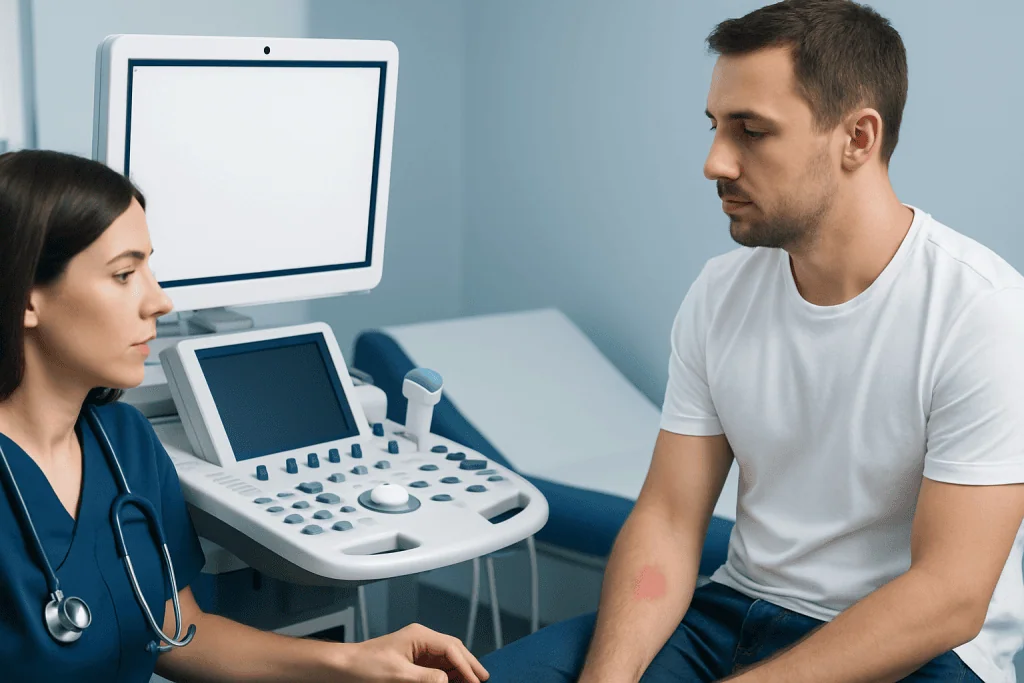
If a hobo spider bite occurs, symptoms are usually limited to the skin around the bite. A person may notice mild pain, tenderness, redness, slight swelling, or itching. Some bites may go unnoticed at first and only become apparent later as a small irritated area on the skin.
In most cases, these symptoms remain mild and improve with simple care. A small blister or localized inflammation can occur with many insect or spider bites, so these findings do not automatically mean a dangerous bite has happened. The appearance of the skin can also change over the first one to two days, which is why observation is important.
Less commonly, people may worry about stronger symptoms such as severe pain, increasing redness, drainage, fever, nausea, headache, dizziness, or muscle aches. These symptoms are not typical of a mild bite and deserve medical attention because they may suggest infection, an allergic reaction, or another medical problem rather than a straightforward spider bite.
- Common mild symptoms: redness, pain, swelling, itching, tenderness
- Skin changes to watch: blistering, spreading redness, increasing warmth, pus
- Body-wide symptoms that need attention: fever, weakness, trouble breathing, vomiting, faintness
Causes, exposure risks, and mistaken identity
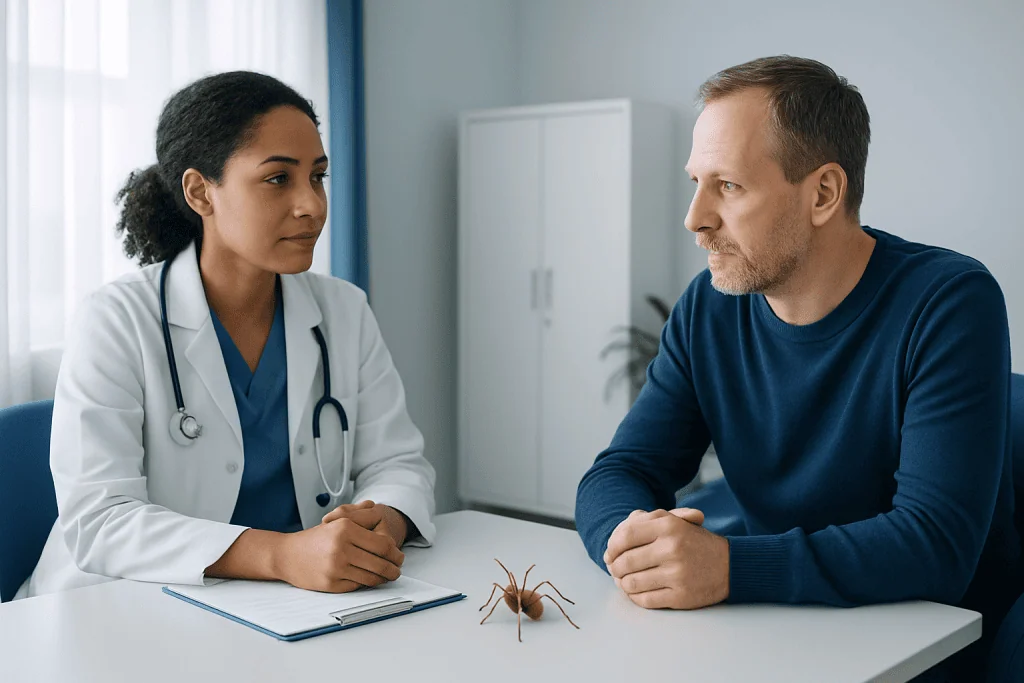
Hobo spiders do not seek out people, and bites generally happen only when a spider is trapped against the skin, for example in clothing, gloves, shoes, bedding, or while moving stored items. People who spend time in garages, crawl spaces, basements, sheds, or outdoor work areas may be more likely to encounter spiders simply because these are common hiding places.
Another important issue is mistaken identity. Many brown spiders look similar to the general public, and it is easy to confuse one species with another. In addition, a skin lesion discovered hours or days later cannot reliably be blamed on a spider unless the bite was actually seen and the spider was collected for identification.
Doctors also consider non-spider causes when a sore appears without a clear trigger. These include bacterial skin infections, irritated eczema, contact dermatitis, ingrown hairs, and occasionally other bite reactions. If skin symptoms become persistent or severe, the medical assessment usually focuses on what the skin is doing now, not only on whether a spider may have been involved at the start.
Diagnosis: how doctors assess a suspected spider bite
There is no simple routine test that proves a hobo spider bite. Diagnosis is usually clinical, meaning it is based on the patient’s history, the appearance of the skin, symptoms over time, and whether other causes seem more likely. If the spider was seen and safely collected, identification may help, but most people do not have this information.
During an evaluation, a doctor may ask when the mark first appeared, whether it is getting larger, how painful it is, and whether there are symptoms such as fever or drainage. They may also ask about recent outdoor activity, home repairs, storage areas, travel, chronic skin conditions, diabetes, or medicines that affect healing or immunity.
The main goal is to distinguish a minor bite from conditions that need different treatment. For example, a doctor may consider an allergic skin reaction, an abscess, or a skin lesion that needs closer evaluation if the area does not heal as expected. When infection or a deeper skin problem is suspected, the clinician may recommend additional examination, wound care, or imaging in selected cases.
Treatment options and what to do at home
For a mild suspected hobo spider bite, home care is often enough. The skin should be washed gently with soap and water, then kept clean and dry. A cool compress can help reduce pain and swelling, and the person should avoid scratching, squeezing, or cutting the area, as this can worsen irritation and raise the risk of infection.
If discomfort is more noticeable, a doctor or pharmacist may advise over-the-counter pain relief or anti-itch measures that are appropriate for the individual. However, persistent, expanding, or very painful skin changes should not be self-treated for too long without medical advice. If the person has significant swelling or a history of strong bite reactions, medical guidance is especially helpful.
When a skin lesion becomes more inflamed, warm, or draining, treatment may focus less on the bite itself and more on possible complications such as infection. Medical care can include professional wound assessment, dressings, and treatment of a bacterial infection if one is present. In some cases, clinicians may coordinate care with dermatology evaluation or, if a wound is slow to heal and needs more specialized management, wound care.
Tetanus protection is another routine consideration after any skin puncture or injury. If vaccination status is not up to date, a healthcare professional can advise whether a booster is needed. Antibiotics are not used automatically for every suspected spider bite; they are typically reserved for confirmed or strongly suspected secondary infection.
Prevention and self-care around the home
Preventing spider bites starts with reducing accidental contact. Gloves are helpful when handling firewood, boxes, gardening supplies, stored fabrics, or tools kept in garages, sheds, and basements. Shoes, boots, and work gloves that have been left unused should be shaken out before wearing.
Household measures can also lower exposure. Regular vacuuming, reducing clutter, sealing gaps around windows and doors, and keeping storage areas organized make it less likely that spiders will settle indoors. Firewood and outdoor debris should be stored away from the main living area when possible.
If a spider is found, it is usually best to avoid handling it directly. A container and stiff paper can be used to move it safely, or a pest control professional can be consulted if spiders are appearing frequently. These simple steps are usually more useful than trying to identify every spider on sight.
People who develop skin irritation after a possible bite should keep the area clean, avoid harsh creams unless advised, and take a photo once daily if monitoring changes. This can help a doctor judge whether redness is spreading or healing. For international patients who need specialist assessment, Acibadem International’s multidisciplinary teams in JCI-accredited hospitals can evaluate skin lesions and related complications, including through general medical assessment when appropriate.
When to seek medical care
Medical care is recommended if a suspected hobo spider bite becomes increasingly painful, red, swollen, or warm, or if pus, an open sore, or darkening skin appears. These changes may suggest infection or another skin condition that needs professional treatment.
Urgent medical attention is important if the person develops trouble breathing, swelling of the lips or tongue, widespread hives, fainting, severe vomiting, or any signs of a strong allergic reaction. Fever, confusion, rapidly spreading redness, or severe weakness also deserve prompt evaluation.
Children, older adults, pregnant patients, and people with diabetes, circulation problems, or weakened immune systems may need earlier medical review because skin injuries can be harder to assess and may heal more slowly. If there is doubt about what caused the lesion or if it is not improving over a few days, it is reasonable to contact a qualified doctor.
Frequently asked questions
Are hobo spider bites dangerous?
Most suspected hobo spider bites are not dangerous and cause only mild local symptoms such as redness, tenderness, or swelling. Severe skin damage is not considered typical, and many suspected spider bites turn out to have another cause.
How can someone tell if a skin lesion is really from a hobo spider?
It is often difficult to know for sure unless the spider was seen biting and identified. Doctors usually diagnose a suspected bite by examining the skin, reviewing symptoms over time, and ruling out more common causes such as infection or irritation.
What should be done right away after a suspected hobo spider bite?
The area should be washed gently with soap and water and a cool compress can be applied to reduce swelling and discomfort. The skin should be monitored, and scratching or squeezing the spot should be avoided because this can worsen irritation.
Do all suspected spider bites need antibiotics?
No. Antibiotics are not routinely used for every suspected spider bite because many bites do not become infected. A doctor may prescribe them only if there are signs that a bacterial skin infection is present or likely.
When should a person worry about a suspected hobo spider bite?
A person should seek medical care if redness spreads, pain becomes severe, the area starts draining pus, or fever develops. Urgent care is needed for trouble breathing, facial swelling, fainting, or other signs of a serious allergic reaction.
Can a hobo spider bite cause a skin ulcer?
A skin ulcer has many possible causes, and it should not automatically be blamed on a spider. If a sore deepens, turns dark, or does not heal, a doctor should examine it to look for infection, poor healing, or another skin condition.
This article is for general information only and is not a substitute for professional medical advice. Please consult a qualified doctor about your individual situation.
Explore treatments in Turkey — costs, top hospitals & a free quote
JCI-accredited · board-certified surgeons · reply within 24h
Add us as a Preferred Source to see more of our trusted health content across Google Search, AI Overviews and Discover.

More from the Health Library

L Citrulline: An Evidence-Based Guide for Patients

Glute Bridge: An Evidence-Based Guide for Patients

Lovenox: What Patients Need to Know

White Tongue Indicates: What Patients Need to Know

Metabolic Age: A Complete Medical Overview