Hodgkin Cancer Treatment: How It Works, Results and What to Expect

Treatment depends on the lymphoma subtype, stage, symptoms, overall health and previous treatment. Chemotherapy is commonly given in cycles, with the number of cycles tailored to disease extent and response.
Key Takeaways
- Treatment depends on the lymphoma subtype, stage, symptoms, overall health and previous treatment.
- Chemotherapy is commonly given in cycles, with the number of cycles tailored to disease extent and response.
- PET-CT scans are often used during and after treatment to assess how well the lymphoma is responding.
- Hodgkin lymphoma is frequently treatable with the aim of long-term remission or cure.
- Follow-up care is important for monitoring recovery, relapse and possible late effects of treatment.
Hodgkin cancer treatment is planned individually and often uses chemotherapy as the main treatment, with radiotherapy, targeted medicines, immunotherapy or stem cell transplantation used in selected situations. Many people with Hodgkin lymphoma respond very well to treatment, including those with disease that returns after initial therapy.
Overview: How Hodgkin Cancer Treatment Works
Hodgkin cancer treatment aims to destroy lymphoma cells while protecting healthy tissue as much as possible. In most cases, treatment begins with combination chemotherapy, meaning several medicines are used together because they attack cancer cells in different ways. Depending on the type and stage of lymphoma, radiotherapy, targeted therapy, immunotherapy or a stem cell transplant may also have a role.
Hodgkin lymphoma is a cancer of the lymphatic system, part of the immune system. It is usually divided into classical Hodgkin lymphoma and the less common nodular lymphocyte-predominant Hodgkin lymphoma. The exact treatment plan differs between these conditions and is based on a detailed review by a hematologist or medical oncologist.
Care is usually delivered by a multidisciplinary team that may include hematology, medical oncology, radiation oncology, pathology, radiology, fertility specialists and supportive-care professionals. This approach helps match treatment intensity to the individual’s disease and personal needs.
Choosing Treatment: Candidacy and Planning
Before treatment starts, the care team confirms the diagnosis by examining a lymph node or other tissue biopsy. Tests commonly include blood tests, PET-CT imaging and sometimes bone marrow testing. These results show where lymphoma is present and help determine its stage.
Doctors also consider symptoms such as unexplained fever, drenching night sweats and unintentional weight loss, sometimes called B symptoms. Age, heart and lung health, pregnancy, other medical conditions, fertility priorities and the person’s ability to tolerate treatment are all important when selecting a plan.
Early-stage disease may require fewer treatment cycles and, for some people, carefully targeted radiotherapy. Advanced-stage disease generally needs systemic treatment that travels through the bloodstream. A PET scan during treatment may help clinicians adjust the plan according to response, while avoiding unnecessary treatment where appropriate.
- Early-stage Hodgkin lymphoma may be treated with chemotherapy alone or chemotherapy followed by radiotherapy.
- Advanced-stage Hodgkin lymphoma is commonly treated with a longer course of combination chemotherapy, sometimes incorporating targeted treatment.
- Relapsed or refractory lymphoma may be treated with different drug combinations, immunotherapy, targeted medicines and, for suitable patients, stem cell transplantation.
What Happens During Hodgkin Cancer Treatment
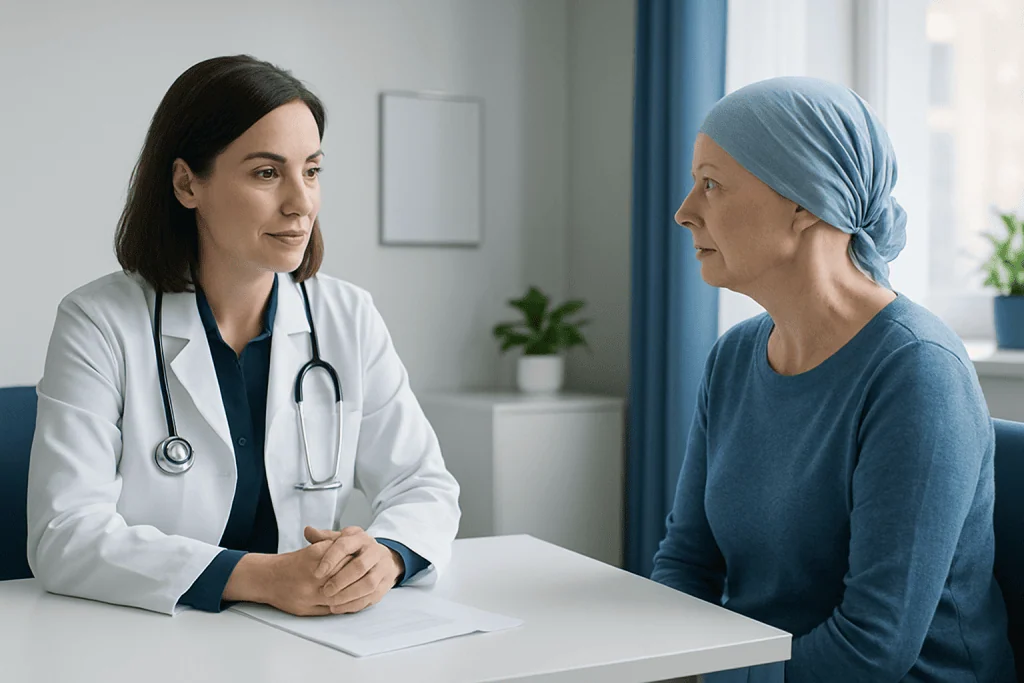
Chemotherapy is usually given in an outpatient infusion unit. A treatment cycle includes one or more treatment days followed by a rest period, allowing the body time to recover. Medicines may be administered through a vein, sometimes using a central venous access device, and the team checks blood counts and symptoms before each cycle.
The exact regimen and schedule vary. Some people receive treatment every two weeks, while others have a different timetable. Anti-sickness medicines, infection-prevention guidance and medicines to support blood cell recovery may be used when needed. The oncology team explains the expected duration, appointments and monitoring before treatment begins.
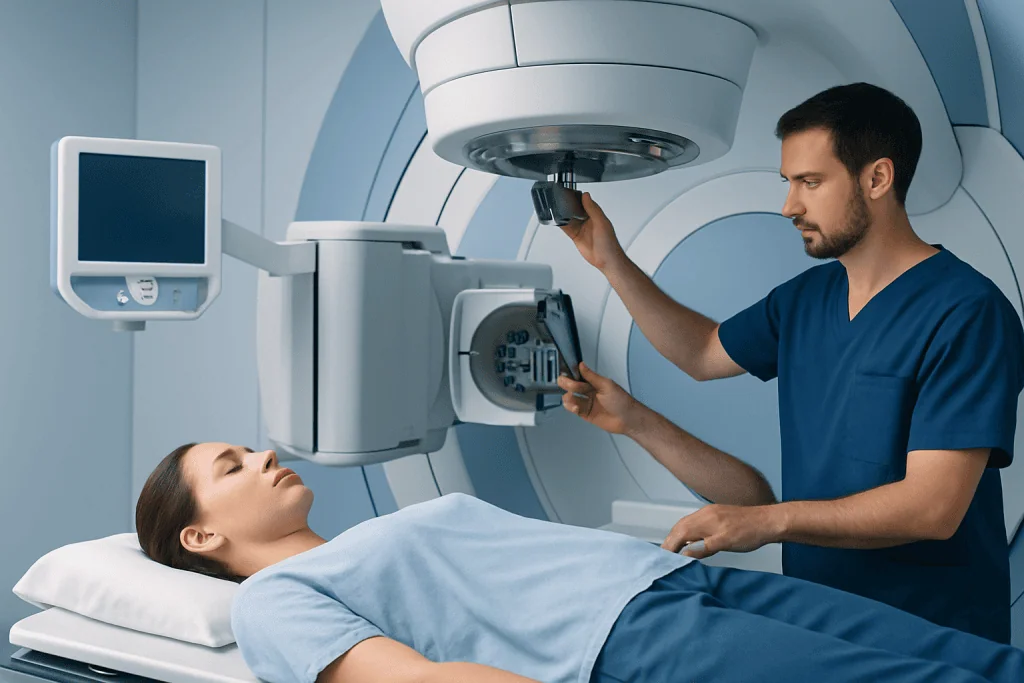
Radiotherapy, when recommended, uses carefully planned high-energy radiation directed at areas that were affected by lymphoma. Modern planning techniques aim to reduce exposure to nearby healthy organs. It is typically delivered in short daily sessions on weekdays over a limited period after chemotherapy, although schedules vary.
If lymphoma returns or does not respond adequately, treatment may include stem cell transplantation. In this approach, high-dose treatment is followed by infusion of previously collected stem cells to help restore bone marrow function. Some patients may also benefit from antibody-drug conjugates or immune checkpoint inhibitors, which help the immune system recognize and attack lymphoma cells.
How Many Rounds of Chemo for Hodgkins?
The number of chemotherapy rounds for Hodgkin lymphoma varies and cannot be determined from the diagnosis alone. Many early-stage cases are treated with a shorter course, while advanced-stage disease usually requires more cycles. A cycle often lasts two to four weeks, but the schedule depends on the medicines chosen.
The treating specialist uses staging results, symptoms, PET-CT findings and tolerance of treatment to decide on the appropriate number of cycles. In some treatment approaches, an interim PET scan after the first few cycles helps guide whether treatment can be reduced, continued or changed.
It is important not to compare cycle numbers directly between individuals. Different chemotherapy regimens have different timing and intensity, and a plan that is appropriate for one person may not be appropriate for another. The oncology team can explain the purpose of every planned cycle and any changes made along the way.
Benefits, Side Effects and Recovery Timeline
The key benefit of Hodgkin cancer treatment is the potential to achieve complete remission, meaning no evidence of active lymphoma is seen on examinations and scans. Treatment can also relieve symptoms caused by enlarged lymph nodes or lymphoma elsewhere in the body. Response is monitored clinically and with imaging, commonly including PET-CT when appropriate.
Side effects depend on the medicines, dose, radiation field and individual health. Common short-term effects can include tiredness, nausea, appetite changes, mouth soreness, temporary hair loss, constipation or diarrhea, skin changes and reduced blood counts. Low blood counts can increase infection and bleeding risk, so regular blood tests and prompt reporting of symptoms are important.
Some treatments can affect fertility, heart or lung function, thyroid function, nerves or the risk of later health problems. Before treatment, patients may be offered fertility preservation discussions when relevant. Long-term follow-up helps identify and manage possible late effects, while maintaining general health after cancer therapy.
Recovery is gradual. Energy levels may improve in the weeks after chemotherapy ends, although fatigue can persist for months. Blood counts generally recover over time, and follow-up appointments provide an opportunity to discuss returning to work, exercise, vaccinations, emotional wellbeing and any ongoing symptoms.
Do You Ever Get Rid of Hodgkin's Lymphoma?
Yes. Many people with Hodgkin lymphoma achieve complete remission after treatment and remain free of lymphoma long term. In clinical practice, a sustained remission is often considered a cure, although doctors continue follow-up because lymphoma can occasionally return after treatment.
If lymphoma comes back, it does not mean that effective options are no longer available. Relapsed Hodgkin lymphoma can often be treated with additional chemotherapy, targeted treatment, immunotherapy and, in selected cases, a stem cell transplant. The choice depends on when the lymphoma returned, previous treatment and the person’s overall health.
Follow-up visits are individualized but often include a review of symptoms, physical examination and selected tests. Routine scans are not always needed indefinitely; the care team will explain what monitoring is appropriate. New or persistent concerns should be discussed rather than waiting for the next scheduled visit.
What Is the Success Rate for Curing Hodgkin's Lymphoma?
Hodgkin lymphoma is one of the more curable cancers, but an individual outcome cannot be represented by a single percentage. The likelihood of cure depends on the lymphoma subtype, stage, age, general health, specific risk features, response on PET imaging and whether the lymphoma is newly diagnosed or has returned.
People with limited-stage disease often have an excellent outlook, and many people with advanced-stage disease also achieve long-lasting remission with modern treatment. When treatment does not work as expected initially, specialist teams can use effective second-line approaches. It is reasonable to ask the treating doctor how the known prognostic factors apply to the individual situation.
Population outcomes are useful for understanding the overall outlook but cannot predict one person’s response. They are based on groups treated over several years, and they may not reflect the most current therapies, a person’s exact disease features or the care available at an individual center.
What Is the Survival Rate for People With Hodgkin's Lymphoma?
Survival rates for Hodgkin lymphoma are generally favorable, particularly when compared with many other cancers. However, rates vary by country, age group, disease stage, subtype and access to modern diagnosis and treatment. They also describe outcomes in large populations rather than predicting what will happen for one person.
Doctors may discuss overall survival, which estimates the proportion of people alive after a set period, or relative survival, which compares survival with that expected in the general population. These measures do not distinguish every important detail, such as response to therapy, other health conditions or newer treatment approaches.
The most useful discussion is one based on the person’s own pathology report, staging scans and treatment response. Asking about the treatment goal, expected response, follow-up plan and available options if treatment needs to change can provide clearer and more personal guidance.
When to Seek Medical Care
Medical assessment is important for a painless lump in the neck, armpit or groin that persists or enlarges, especially when it is accompanied by unexplained fever, drenching night sweats, weight loss, persistent itching, unusual tiredness, chest discomfort or shortness of breath. These symptoms can have many causes and do not necessarily mean lymphoma, but they should be evaluated.
A person receiving treatment should contact their oncology team promptly if they develop a fever, chills, shortness of breath, chest pain, unusual bleeding or bruising, severe vomiting or diarrhea, confusion, severe weakness, or symptoms of an allergic reaction. During chemotherapy, fever can be a sign of infection requiring urgent assessment.
For international patients, Acibadem International’s multidisciplinary specialists and JCI-accredited hospitals diagnose and treat Hodgkin lymphoma, coordinating assessment, systemic therapy and supportive care. A qualified cancer specialist can review pathology and imaging results to recommend an individualized plan.
Frequently asked questions
Is chemotherapy always needed for Hodgkin lymphoma?
Chemotherapy is part of treatment for most people with Hodgkin lymphoma because it treats cancer cells throughout the body. The regimen and number of cycles vary by stage and subtype. In selected early-stage situations, radiotherapy may be added after chemotherapy.
Can Hodgkin lymphoma be treated without radiotherapy?
Yes, some people are treated with chemotherapy alone. Whether radiotherapy is recommended depends on the stage, lymphoma location, response to chemotherapy and the balance of expected benefits and long-term risks. A radiation oncologist can explain why it may or may not be part of a plan.
How is response to Hodgkin lymphoma treatment checked?
Response is commonly assessed through symptom review, physical examination, blood tests and imaging. PET-CT is often used because it can show whether areas previously affected by lymphoma are still metabolically active. The timing of scans depends on the treatment protocol and clinical situation.
Can Hodgkin lymphoma come back after remission?
It can return in some people, most often within the first few years after treatment, although later relapse is possible. Regular follow-up supports early assessment of concerning symptoms. Effective treatment options are available for many people with relapsed lymphoma.
Will Hodgkin lymphoma treatment affect fertility?
Some chemotherapy medicines and radiotherapy near reproductive organs can affect fertility, but the risk varies by treatment type and intensity. Fertility preservation options may be available before treatment begins. Patients should ask for a fertility discussion as early as possible, particularly if they may want children in the future.
What should someone do if they have a fever during chemotherapy?
They should contact their oncology team immediately and follow the instructions they have been given. Chemotherapy can lower infection-fighting white blood cells, and fever may need urgent evaluation even when other symptoms seem mild. It is best not to self-treat a fever without first seeking advice from the cancer care team.
References
- National Cancer Institute
- American Cancer Society
- European Society for Medical Oncology
- Lymphoma Coalition
- National Comprehensive Cancer Network
This article is for general information only and is not a substitute for professional medical advice. Please consult a qualified doctor about your individual situation.
Oncology care in Turkey — second opinion and treatment plan
JCI-accredited · board-certified surgeons · reply within 24h
Add us as a Preferred Source to see more of our trusted health content across Google Search, AI Overviews and Discover.

More from the Health Library



Related Specialists

Dr. Ayhan Ulusoy
Orthopedic Surgery & Traumatology
Dr. Mustafa Şevki Ekim
Anesthesiology
Dr. Ayça Özgen
Cardiovascular Surgery
Prof. Dr. Gülsan Sucak
Hematology