Holiday Heart: An Evidence-Based Guide for Patients

Holiday heart usually refers to an abnormal heart rhythm triggered by recent heavy alcohol use, often binge drinking. Atrial fibrillation is the most common rhythm problem linked to holiday heart, but other arrhythmias can occur.
Key Takeaways
- Holiday heart usually refers to an abnormal heart rhythm triggered by recent heavy alcohol use, often binge drinking.
- Atrial fibrillation is the most common rhythm problem linked to holiday heart, but other arrhythmias can occur.
- Symptoms may include a racing or fluttering heartbeat, shortness of breath, dizziness, fatigue, or chest discomfort.
- Even people without known heart disease can develop holiday heart, especially if alcohol is combined with dehydration, poor sleep, or stimulant use.
- Reducing alcohol intake, staying hydrated, sleeping well, and seeking medical care for persistent or severe symptoms can lower risk and improve safety.
Holiday heart is a sudden heart rhythm disturbance that often happens after heavy alcohol intake, especially during holidays, weekends, or celebrations. It most commonly involves atrial fibrillation and may cause palpitations, shortness of breath, or chest discomfort, but prompt medical assessment can help confirm the cause and guide safe treatment.
What holiday heart means
Holiday heart is a term used when a person develops an abnormal heart rhythm after drinking a large amount of alcohol, often over a short period. It is commonly seen after celebrations, vacations, weekends, or festive meals, which is where the name comes from. In many cases, the rhythm problem appears in someone who did not previously know they had a heart condition.
The rhythm disturbance most often linked to holiday heart is atrial fibrillation, sometimes called AF or AFib. In atrial fibrillation, the upper chambers of the heart beat in a fast and uncoordinated way. This can cause a fluttering feeling in the chest, a pounding pulse, breathlessness, tiredness, or lightheadedness. Some people notice symptoms clearly, while others only learn about the problem during a medical check.
Holiday heart does not mean the condition is harmless or should be ignored. Some episodes stop on their own after alcohol leaves the body and the person rehydrates and rests. However, an irregular heartbeat can sometimes last longer, return again, or increase the risk of complications such as blood clots, especially if atrial fibrillation continues.
How alcohol can trigger an irregular heartbeat
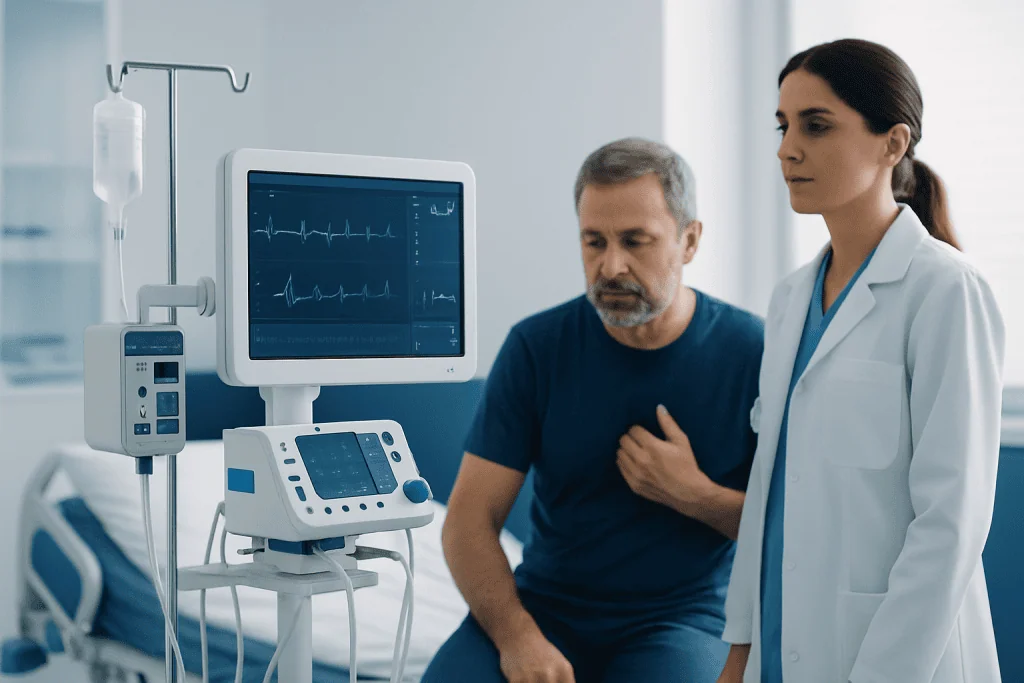
Alcohol can affect the heart in several ways at the same time. It may change the balance of the nervous system, raise stress hormones, disturb electrolytes, and alter the electrical signals that control the heartbeat. These effects can make the heart more likely to beat too fast, too irregularly, or both.
Binge drinking appears to be the classic trigger, but sensitivity varies. One person may develop symptoms after several drinks in a short period, while another may only notice problems after heavier intake or repeated episodes. In some people, even modest alcohol use can trigger palpitations or atrial fibrillation if they are already prone to arrhythmias.
Alcohol is often not the only factor. Celebration-related habits such as poor sleep, dehydration, large meals, emotional stress, caffeine or energy drinks, and use of recreational drugs can add to the risk. This combination helps explain why holiday heart may happen suddenly in settings where a person feels otherwise well.
When the main rhythm issue is atrial fibrillation, doctors may also evaluate for broader causes of atrial fibrillation rather than assuming alcohol is the only explanation. This is especially important if episodes happen more than once or occur with little or no alcohol use.
Symptoms and what they can feel like

The most common symptom of holiday heart is palpitations. People describe this in different ways, such as a racing heart, pounding in the chest, skipping beats, fluttering, or a sensation that the heartbeat is not steady. Symptoms may begin while drinking, later that night, or the next day.
Other symptoms can include shortness of breath, unusual fatigue, reduced exercise tolerance, dizziness, anxiety, sweating, chest discomfort, or a feeling of weakness. Some people feel only mildly unwell, while others find the symptoms distressing enough to seek urgent help. Older adults and people with existing heart disease may notice symptoms more strongly.
Not every irregular heartbeat is caused by alcohol, and not every symptom after drinking is a heart rhythm problem. Dehydration, panic symptoms, low blood sugar, and hangover effects can overlap. Because these symptoms can be difficult to tell apart without an examination or electrocardiogram, new or significant symptoms should not be dismissed.
- Fluttering, racing, or irregular pulse
- Shortness of breath
- Dizziness or feeling faint
- Chest pressure or discomfort
- Marked fatigue or weakness
Who is more likely to develop holiday heart
Holiday heart can happen in adults with no known medical problems, but some factors increase the chance of developing it. These include regular heavy alcohol use, binge drinking, a personal history of palpitations, older age, high blood pressure, obesity, diabetes, thyroid disease, and sleep apnea. Existing heart conditions can also make alcohol-related arrhythmias more likely.
People who are dehydrated or who have been vomiting, sweating heavily, or sleeping poorly may be especially vulnerable because electrolyte shifts can affect the heart’s rhythm. Stimulants such as excess caffeine, nicotine, decongestants, or certain recreational drugs may further increase the risk. Large salty meals and emotional stress may also play a role for some individuals.
It is also possible that holiday heart reveals an underlying problem that had not yet been diagnosed. For example, a celebration-related episode may be the first sign of hypertension, a structural heart issue, or a persistent tendency toward arrhythmia. That is one reason doctors often recommend at least one proper medical evaluation after a first episode.
How doctors diagnose it
Diagnosis begins with a careful history. A clinician will usually ask when symptoms began, how long they lasted, what they felt like, how much alcohol was consumed, and whether there were other triggers such as caffeine, poor sleep, illness, or stimulant use. They will also ask about prior episodes, medications, family history, and any known heart or thyroid conditions.
An electrocardiogram, also called an ECG or EKG, is the key first test because it records the heart’s rhythm. If the irregular rhythm has already stopped by the time of evaluation, doctors may recommend a portable monitor to capture intermittent episodes. Blood tests may be used to check electrolytes, thyroid function, signs of infection, and other factors that can contribute to arrhythmias.
Depending on the situation, an echocardiogram may be used to look at heart structure and function. This helps determine whether the episode was likely an isolated alcohol-related event or part of a broader cardiac problem. In some cases, if symptoms include chest pain or if the doctor suspects another condition, additional testing may be needed, including assessment for heart rhythm disorders more generally.
Treatment and recovery
Treatment depends on the person’s symptoms, the exact rhythm abnormality, how long it has been present, and whether there are underlying medical conditions. Some people improve with observation, rest, hydration, and avoidance of further alcohol. Others may need treatment to slow the heart rate, restore a normal rhythm, or reduce the risk of complications.
If atrial fibrillation continues or symptoms are significant, a doctor may prescribe medicines to control the heart rate or help the rhythm return to normal. In selected cases, clinicians may consider cardioversion to reset the heart rhythm. Decisions about blood thinners are individualized and depend on stroke risk, episode duration, age, and other health conditions.
If a person has recurrent episodes, specialist assessment may be recommended. Ongoing management can include rhythm monitoring, treatment of high blood pressure or sleep apnea, and reduction or avoidance of alcohol. For some patients with repeated atrial fibrillation despite other measures, doctors may discuss electrophysiology studies and ablation as part of long-term care.
Near the end of the care pathway, some patients benefit from evaluation in a center experienced in arrhythmia care. Acibadem International’s multidisciplinary specialists and JCI-accredited hospitals diagnose and treat rhythm conditions for international patients, including cases that may need advanced cardiac assessment or cardiac check-up planning.
Prevention and self-care after an episode
The most effective way to prevent holiday heart is to limit or avoid alcohol, especially binge drinking. For people who have already had an episode of alcohol-related atrial fibrillation, even smaller amounts of alcohol may trigger recurrence. A doctor can help a person decide whether complete avoidance is the safest option.
General self-care also matters. Good hydration, regular meals, adequate sleep, and moderation with caffeine may lower the chance of another episode. Managing blood pressure, weight, diabetes, and sleep apnea can also reduce arrhythmia risk over time. If a person notices that symptoms repeatedly follow drinking, that pattern should be taken seriously.
It can be helpful to keep a record of symptoms, including what was eaten or drunk, how much alcohol was consumed, and whether sleep, stress, or illness may have contributed. This information can help a clinician identify patterns and recommend practical changes. Anyone taking heart medicines should follow medical advice closely and should not change treatment on their own.
When to seek medical care
Medical care should be sought promptly if palpitations are new, severe, or last more than a short time, especially if they are accompanied by shortness of breath, chest pain, fainting, or near-fainting. These symptoms can be caused by a heart rhythm problem but may also point to other urgent conditions. An evaluation can show whether the heartbeat is simply fast, truly irregular, or related to another medical issue.
Even if symptoms settle, a first episode of suspected holiday heart is a good reason to contact a doctor, particularly for older adults or anyone with high blood pressure, diabetes, previous stroke, known heart disease, or thyroid disease. Follow-up is also important if episodes keep returning, if the heartbeat feels irregular without a clear trigger, or if exercise tolerance has changed.
Emergency care is appropriate for chest pressure, severe shortness of breath, collapse, confusion, weakness on one side, or trouble speaking. These features need urgent assessment because they can signal a serious arrhythmia, heart problem, or stroke-related complication.
Frequently asked questions
Is holiday heart the same as atrial fibrillation?
Not exactly. Holiday heart is a situation in which alcohol, usually heavy drinking over a short period, triggers an abnormal heart rhythm. Atrial fibrillation is the most common rhythm involved, but other arrhythmias can also occur.
Can holiday heart happen in someone with no previous heart disease?
Yes. It can occur in people who have never been diagnosed with a heart condition, especially after binge drinking combined with dehydration, poor sleep, or stimulant use. However, a first episode may also uncover an underlying problem, so medical evaluation is still important.
How long does holiday heart usually last?
Some episodes settle within hours to a day after rest, hydration, and alcohol avoidance. Others last longer or need medical treatment to control the rate or restore normal rhythm. Because duration affects management, it is best not to guess and to seek assessment if symptoms persist.
Should a person stop drinking alcohol completely after holiday heart?
Many people are advised to significantly reduce or avoid alcohol after an episode, especially if symptoms recur. Some individuals are particularly sensitive and may develop arrhythmias even with smaller amounts. A clinician can give personalized advice based on overall health and recurrence risk.
Is holiday heart dangerous?
It can be, depending on the rhythm, symptoms, and the person's underlying health. Atrial fibrillation may increase the risk of blood clots and stroke if it lasts long enough or happens repeatedly. Severe symptoms such as chest pain, fainting, or major breathlessness need urgent care.
What tests are usually done for suspected holiday heart?
Doctors often start with an electrocardiogram to confirm the rhythm. Blood tests may check electrolytes, thyroid function, and other possible contributors, and some people need a heart monitor or echocardiogram. The exact work-up depends on age, symptoms, medical history, and whether the rhythm has already returned to normal.
References
- American Heart Association
- National Heart, Lung, and Blood Institute
- European Society of Cardiology
- National Institute on Alcohol Abuse and Alcoholism
- Centers for Disease Control and Prevention
This article is for general information only and is not a substitute for professional medical advice. Please consult a qualified doctor about your individual situation.
Explore treatments in Turkey — costs, top hospitals & a free quote
JCI-accredited · board-certified surgeons · reply within 24h
Add us as a Preferred Source to see more of our trusted health content across Google Search, AI Overviews and Discover.
Check your numbers in seconds
BMI, calories, due date, blood pressure and 30+ more clinical calculators — free, instant, doctor-reviewed ranges.

More from the Health Library

Acetabulara — Explained by Medical Evidence, Not Myths

Pneumonia: An Evidence-Based Guide for Patients

Diarrhea of newborn: A Complete Medical Guide for Patients

Brachial Is: An Evidence-Based Guide for Patients

Salvia Drug: A Complete Medical Overview