Pneumonia: An Evidence-Based Guide for Patients

Pneumonia is a lung infection caused by bacteria, viruses, or less commonly fungi. Symptoms often include cough, fever, fatigue, chest pain, and shortness of breath, but they can vary by age and overall health.
Key Takeaways
- Pneumonia is a lung infection caused by bacteria, viruses, or less commonly fungi.
- Symptoms often include cough, fever, fatigue, chest pain, and shortness of breath, but they can vary by age and overall health.
- Diagnosis may involve a medical exam, oxygen measurement, chest imaging, and sometimes blood or sputum tests.
- Treatment depends on the cause and severity and may include rest, fluids, symptom relief, antibiotics, or hospital care.
- Older adults, infants, pregnant people, and those with chronic illness or weakened immunity may be at higher risk for complications.
- Prompt medical care is important for breathing difficulty, low oxygen, confusion, dehydration, or worsening symptoms.
Pneumonia is an infection that inflames the air sacs in one or both lungs, often causing cough, fever, chest discomfort, and trouble breathing. Many people recover well with timely care, but the right evaluation matters because severity, cause, and treatment can differ from person to person.
Overview: what pneumonia is and why it matters
Pneumonia is a lung infection that causes inflammation in the tiny air sacs, called alveoli. These air sacs may fill with fluid or pus, making it harder for oxygen to move into the bloodstream. This is why pneumonia can lead to symptoms such as cough, fever, tiredness, chest pain, and shortness of breath.
Pneumonia is not a single disease with one pattern. It can be caused by bacteria, viruses, or, less often, fungi. It may develop after a cold or flu, appear suddenly, or come on more gradually. Some cases are mild and treated at home, while others need hospital care, especially in very young children, older adults, or people with other medical conditions.
A patient-centered approach to pneumonia focuses on two key questions: how severe it is, and what is most likely causing it. Those answers help guide decisions about testing, treatment, and whether care at home is enough. Because symptoms can overlap with conditions such as bronchitis, influenza, asthma flare-ups, or lung cancer, an accurate medical assessment is important when symptoms are significant or persistent.
Symptoms and how pneumonia may feel
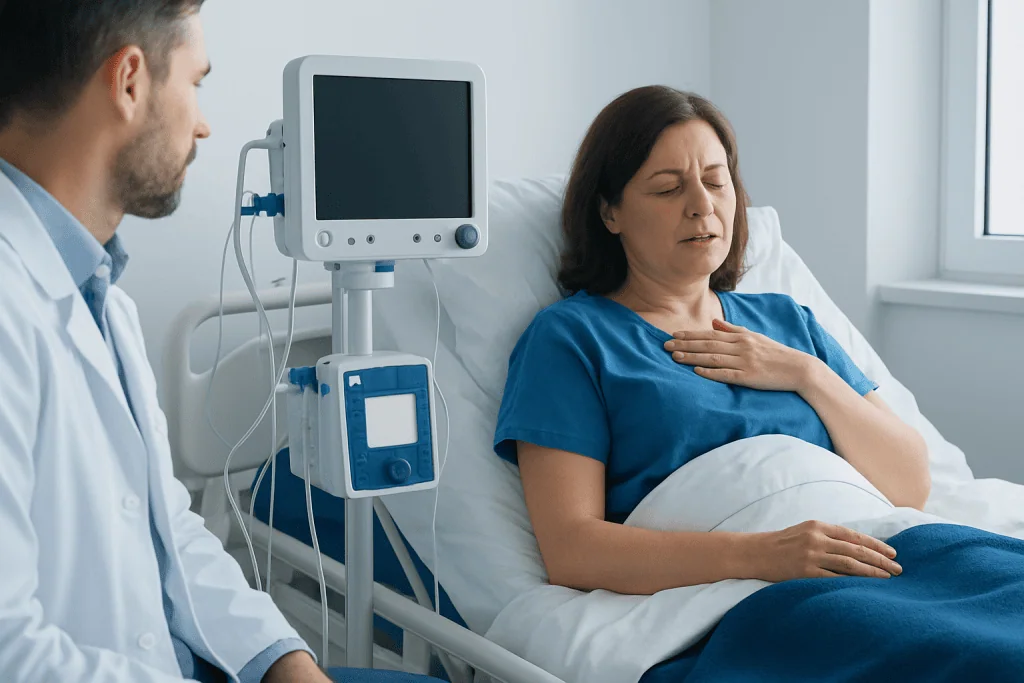
Pneumonia symptoms can vary from mild to severe. The most common symptoms are cough, fever, chills, fatigue, shortness of breath, and chest pain that may worsen with deep breathing or coughing. Some people cough up mucus, which may be clear, yellow, green, or rust-colored.
Not everyone has the same symptoms. Older adults may have less obvious signs such as weakness, confusion, poor appetite, or a drop in usual activity rather than a high fever. Infants and young children may breathe faster than usual, feed poorly, seem unusually sleepy, or show signs of distress. Viral pneumonia may begin with cold-like symptoms and then progress to deeper chest symptoms.
Symptoms that can suggest more significant illness include:
- Breathing that becomes fast, shallow, or labored
- Lips or fingertips that look bluish
- Feeling faint, confused, or unusually drowsy
- Chest pain that is persistent or severe
- Fever that is high or does not improve
- Difficulty drinking enough fluids or signs of dehydration
A cough and fever do not always mean pneumonia, but if they are accompanied by breathing difficulty, chest discomfort, or a clear decline in energy and function, evaluation is wise. People with chronic lung disease may notice worsening of usual symptoms, including wheezing or reduced exercise tolerance.
Causes, spread, and risk factors
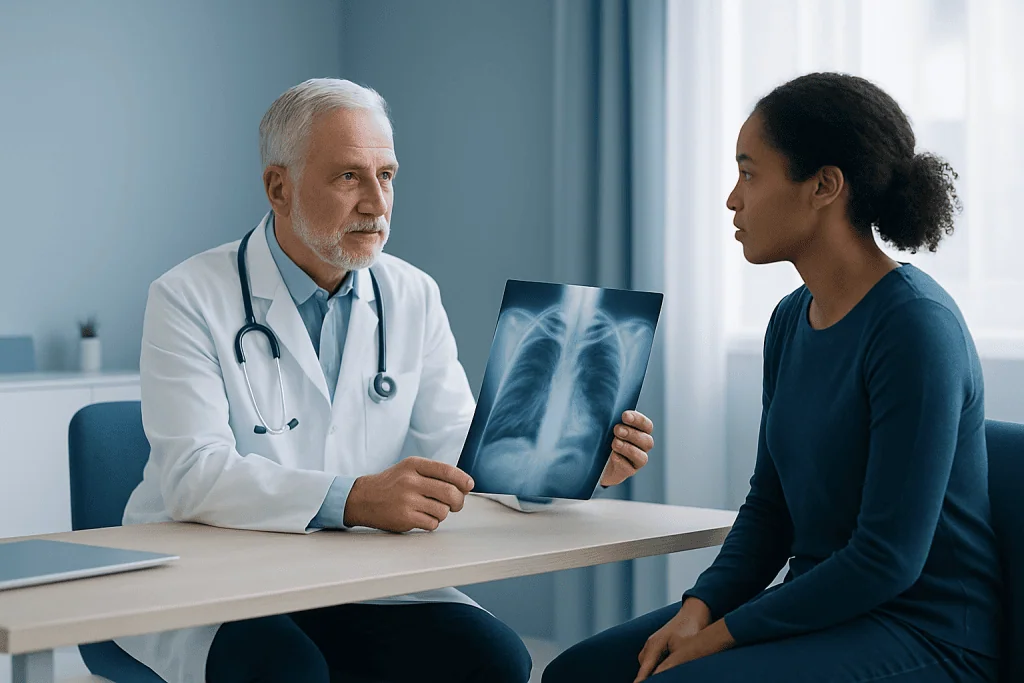
Pneumonia develops when germs reach the lungs and the body mounts an inflammatory response. Bacterial pneumonia often follows a viral upper respiratory infection, when the airways are more vulnerable. Viral pneumonia can be caused by several respiratory viruses, including influenza and respiratory syncytial virus. Fungal pneumonia is less common and tends to affect people with weakened immune systems or certain environmental exposures.
Doctors may describe pneumonia by where it was acquired. Community-acquired pneumonia begins outside the hospital or soon after arrival. Hospital-acquired and ventilator-associated pneumonia develop in healthcare settings and can involve different bacteria and treatment considerations. Aspiration pneumonia can happen when food, liquid, vomit, or saliva enters the lungs, which is more likely in people with swallowing problems, sedation, or certain neurological conditions.
Risk factors do not guarantee that a person will develop pneumonia, but they can raise the chance of infection or complications. These include:
- Age younger than 2 years or older than 65 years
- Chronic lung conditions such as asthma or chronic obstructive pulmonary disease, including COPD
- Heart disease, diabetes, kidney disease, or liver disease
- A weakened immune system due to illness or medication
- Smoking or regular exposure to air pollutants
- Recent viral infection, hospitalization, or surgery
- Difficulty swallowing or impaired cough reflex
Because pneumonia can spread from infectious respiratory droplets when the cause is viral or bacterial, everyday precautions matter. Covering coughs, washing hands, staying home when sick, and improving indoor ventilation can help reduce transmission.
How pneumonia is diagnosed
Diagnosis starts with a medical history and physical examination. A clinician asks about the timing of symptoms, exposure to illness, underlying health conditions, smoking history, and recent travel or hospitalization. During the exam, they assess breathing rate, temperature, heart rate, oxygen level, and how the lungs sound through a stethoscope.
Chest imaging is often used when pneumonia is strongly suspected. A chest X-ray is the most common first test because it can show areas of infection in the lungs. In more complex situations, doctors may use chest X-ray findings along with blood tests, pulse oximetry, and occasionally a CT scan to better understand severity or rule out other problems.
Additional testing is based on the situation rather than needed for every patient. These may include blood tests, sputum testing, viral tests such as influenza or COVID-19 testing, and blood cultures in more severe illness. In hospital settings, or when symptoms do not improve as expected, more specialized evaluation may be needed, sometimes involving bronchoscopy to examine the airways and obtain samples.
The goal of diagnosis is not only to confirm pneumonia but also to decide where treatment should happen. Doctors consider oxygen levels, hydration status, age, mental status, blood pressure, and other medical conditions to determine whether home care, observation, or hospital treatment is safest.
Treatment options and recovery
Pneumonia treatment depends on the likely cause, how severe the illness is, and the person’s overall health. Bacterial pneumonia is usually treated with antibiotics, while viral pneumonia does not respond to antibiotics unless there is also a bacterial infection. Some viral cases may be treated with antiviral medication when appropriate, especially if influenza is involved and treatment starts early.
Supportive care is important in nearly every case. This usually includes rest, fluids, fever control, and careful monitoring of breathing and hydration. People should take medicines exactly as prescribed and avoid stopping treatment early simply because they feel better. Cough can last longer than fever or body aches, so gradual improvement is common even after treatment has started.
More serious pneumonia may require hospital care for oxygen, intravenous fluids, close monitoring, or treatments to support breathing. In selected cases, respiratory support may include oxygen therapy. People with underlying respiratory disease may need management of overlapping issues such as asthma or bronchitis-like airway inflammation, though these conditions are not the same as pneumonia.
Recovery time varies. Some otherwise healthy adults begin to feel significantly better within days, while fatigue and cough can linger for weeks. Older adults and people with chronic illness may recover more slowly. Follow-up is sometimes recommended if symptoms persist, worsen, or if imaging needs to confirm that the lungs are clearing as expected.
Prevention and self-care at home
Prevention begins with reducing exposure to respiratory infections and keeping the immune system as resilient as possible. Recommended vaccinations can lower the risk of certain causes of pneumonia or reduce how severe illness becomes. These may include influenza vaccination, pneumococcal vaccination for eligible groups, and other vaccines based on age and health status. A clinician can advise what is appropriate for each person.
Handwashing, covering coughs and sneezes, and avoiding close contact with others when sick remain practical steps. Good nutrition, adequate sleep, managing chronic medical conditions, and not smoking can also support lung health. For people who smoke, stopping smoking is one of the most meaningful ways to reduce future respiratory infections and improve healing.
Self-care during recovery should be gentle and realistic. Helpful measures may include:
- Drinking enough fluids unless a doctor has advised fluid restriction
- Getting extra rest and returning to activity gradually
- Using medicines as directed for fever, pain, or infection
- Not smoking and avoiding secondhand smoke
- Monitoring breathing, temperature, and overall energy
If a person has repeated pneumonias, frequent choking with meals, or symptoms that are not resolving, doctors may look for underlying reasons such as structural lung disease, swallowing problems, immune issues, or an obstructing condition. In complex cases, care may involve respiratory medicine, infectious disease, radiology, and rehabilitation specialists.
When to seek medical care
Medical care should be sought promptly if a person with suspected pneumonia has trouble breathing, chest pain, confusion, bluish lips, fainting, severe weakness, or signs of dehydration such as very little urine or inability to keep fluids down. Infants, older adults, pregnant people, and anyone with a weakened immune system should have a lower threshold for evaluation, even if symptoms seem moderate at first.
A doctor should also be contacted if fever and cough are getting worse instead of better, if symptoms last longer than expected, or if a person with chronic heart or lung disease notices a significant change from their usual baseline. It is especially important to seek help if home oxygen levels, when available, are low or declining.
Emergency care may be needed when breathing becomes labored, a person cannot speak full sentences, or confusion develops suddenly. While many cases of pneumonia are treatable and recover well, early assessment helps identify the people who need closer monitoring or hospital support.
For international patients who need evaluation or treatment, Acibadem International’s multidisciplinary specialists and JCI-accredited hospitals provide diagnosis and care for pneumonia and related respiratory conditions.
Frequently asked questions
What is the difference between pneumonia and bronchitis?
Pneumonia is an infection of the lung tissue itself, especially the air sacs, while bronchitis is inflammation of the large breathing tubes called bronchi. Both can cause cough, but pneumonia is more likely to cause fever, shortness of breath, chest pain, and abnormal findings on a chest X-ray.
Can pneumonia go away on its own?
Some mild viral cases may improve with rest and supportive care, but pneumonia should not be assumed to be harmless. Because bacterial pneumonia often needs antibiotics and some cases can worsen quickly, a medical opinion is important when symptoms are significant or breathing is affected.
How long does it take to recover from pneumonia?
Recovery can vary widely depending on age, cause, and overall health. Fever may improve within a few days of effective treatment, but cough and fatigue can last for several weeks, especially in older adults or those with chronic illness.
Is pneumonia contagious?
The germs that cause some types of pneumonia can spread from person to person, especially viruses and certain bacteria. However, not everyone exposed will develop pneumonia, and the infection itself is not spread in exactly the same way in every case.
Do all people with pneumonia need antibiotics?
No. Antibiotics help treat bacterial pneumonia, but they do not treat viral pneumonia. A doctor decides whether antibiotics are needed based on symptoms, examination, imaging, and the likely cause.
Who is most at risk for serious pneumonia?
People at higher risk include infants, older adults, pregnant people, smokers, and those with chronic diseases or weakened immune systems. Risk is also higher after recent hospitalization, major illness, or problems with swallowing and aspiration.
References
- World Health Organization
- Centers for Disease Control and Prevention
- National Heart, Lung, and Blood Institute
- American Lung Association
- Infectious Diseases Society of America
This article is for general information only and is not a substitute for professional medical advice. Please consult a qualified doctor about your individual situation.
Pneumonia in Turkey — costs, top hospitals & a free quote
JCI-accredited · board-certified surgeons · reply within 24h
Add us as a Preferred Source to see more of our trusted health content across Google Search, AI Overviews and Discover.