Hollow Cheeks: An Evidence-Based Guide for Patients

Hollow cheeks are commonly related to normal aging, weight loss, or genetics. A sudden or pronounced change in facial fullness may point to dehydration, malnutrition, or an underlying medical condition.
Key Takeaways
- Hollow cheeks are commonly related to normal aging, weight loss, or genetics.
- A sudden or pronounced change in facial fullness may point to dehydration, malnutrition, or an underlying medical condition.
- Evaluation focuses on medical history, weight changes, diet, medications, and a physical examination.
- Treatment depends on the cause and may include nutrition support, lifestyle changes, or aesthetic options to restore facial volume.
- Medical review is important if hollow cheeks come with fatigue, poor appetite, pain, fever, or unexplained weight loss.
Hollow cheeks usually reflect a loss of facial fat, muscle, or skin support and are often linked to aging, low body weight, or inherited facial structure. In some cases, they can also be associated with dehydration, nutritional problems, or an underlying illness, so persistent or sudden changes deserve medical attention.
What hollow cheeks mean
Hollow cheeks describe a sunken or less full appearance in the mid-face, especially beneath the cheekbones. For many people, this is a natural part of facial anatomy or aging. In others, it develops after weight loss, illness, or a change in hydration or nutrition. The term itself is descriptive rather than a diagnosis.
The cheeks look full when skin, facial fat pads, muscle, and underlying bone structure work together to support the face. If one or more of these elements changes, the face can look more sculpted, gaunt, or tired. This can happen gradually over years or more noticeably over a shorter period.
Although hollow cheeks are often a cosmetic concern, they can sometimes be a clue to overall health. A clinician may want to know whether the change was expected, how quickly it appeared, and whether there are other symptoms such as weakness, digestive problems, appetite loss, or unintended weight loss.
Common signs and how the face changes over time
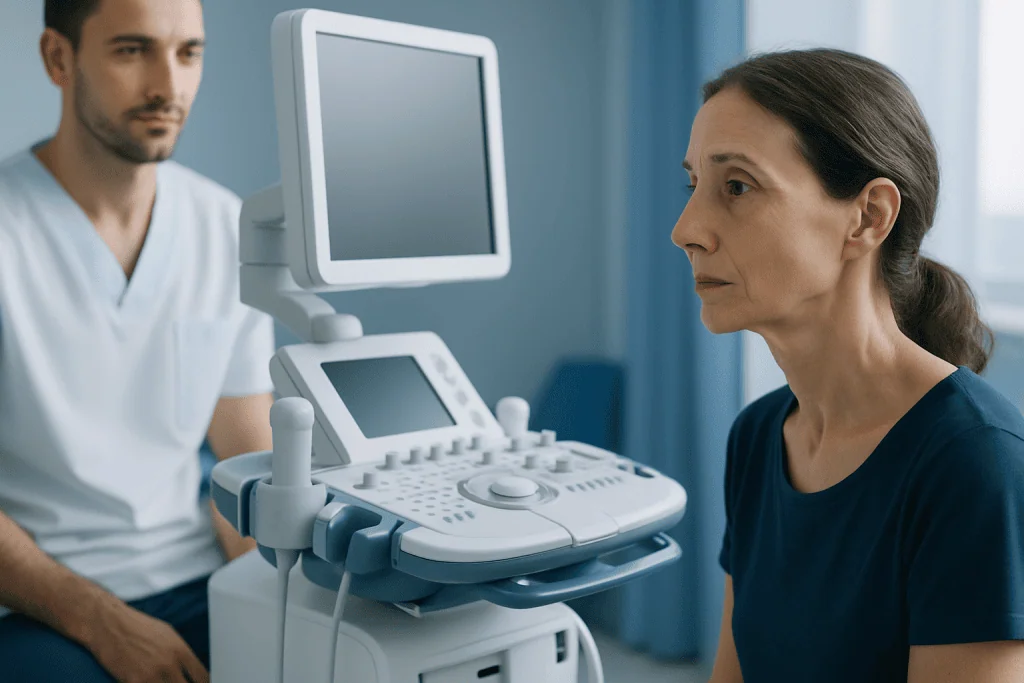
People usually notice hollow cheeks when the area under the cheekbones looks sunken, shadows become more visible, or the face seems thinner than before. Some say they look older, more fatigued, or unwell even when they feel fine. These visual changes can be subtle at first and become more noticeable in certain lighting or photographs.
Facial volume loss can also change the balance of nearby features. Lines around the mouth may appear deeper, the jawline may look more prominent, and the eyes can seem relatively more sunken. If the change is mainly due to overall weight loss, other areas of the face may also appear thinner.
Not every slim or angular face is abnormal. Many healthy people naturally have prominent cheekbones and lower cheek volume because of inherited facial structure. What matters most is whether the appearance is longstanding and stable, or whether it has changed in a way that is new, rapid, or accompanied by other health concerns.
Why hollow cheeks happen

The most common causes of hollow cheeks are aging, genetics, and body weight changes. With age, the face gradually loses fat, collagen, elastin, and some bone support. This can make the mid-face look flatter and the cheeks less rounded. People with naturally lean facial anatomy may notice these changes earlier or more clearly.
Weight loss is another common reason. When the body loses fat, the face often changes along with the abdomen, arms, or hips. Intentional weight loss can produce a more defined face, but rapid or significant weight loss may lead to a more hollow appearance. Dehydration may briefly make the face look less full as well, although it is not usually the sole long-term cause.
Medical factors can contribute too. Poor nutrition, difficulty absorbing nutrients, chronic illness, dental problems that affect eating, mood disorders that reduce appetite, and certain medications can all play a role. In some cases, hollow cheeks may appear with conditions that cause wasting or reduced intake, so doctors consider the whole health picture rather than the cheeks alone.
- Normal aging and inherited facial structure
- Low body weight or recent weight loss
- Dehydration or inadequate calorie and protein intake
- Chronic diseases that affect appetite, digestion, or metabolism
- Smoking, high sun exposure, and other factors that speed skin aging
Health conditions that may be linked
Hollow cheeks do not automatically mean there is a disease, but they can be seen in several medical settings. Doctors may evaluate for malnutrition, digestive disorders that limit nutrient absorption, endocrine problems, chronic infections, depression, eating disorders, and other causes of unintentional weight loss. If there is marked thinning in the temples as well as the cheeks, the clinician may think more broadly about muscle or fat loss.
Sometimes the change is part of a larger pattern of body composition changes. For example, advanced illnesses, long periods of poor intake, or conditions that affect the gastrointestinal tract may lead to facial volume loss. If symptoms suggest digestive disease, a doctor may explore concerns such as Crohn’s disease or ulcerative colitis among other possibilities.
Less commonly, facial hollowing may be associated with specific skin or fat disorders, prior surgery, trauma, or dental and jaw changes. Because the possibilities vary, diagnosis depends on context. A stable facial shape that has been present for years is different from a recent, unexplained change in someone who also feels unwell.
How doctors evaluate hollow cheeks
Assessment begins with a careful history. A doctor will usually ask when the hollowing started, whether it was gradual or sudden, and whether there have been changes in weight, appetite, swallowing, digestion, energy level, exercise habits, or medications. They may also ask about smoking, alcohol use, sun exposure, and family facial features.
The physical examination looks at the face as well as overall health. A clinician may assess body weight, muscle mass, hydration, oral health, skin quality, and signs of nutritional deficiency or systemic illness. If needed, blood tests can help check for anemia, inflammation, thyroid problems, blood sugar concerns, vitamin deficiencies, or other clues.
Additional testing depends on the suspected cause. For people with digestive symptoms, nutritional concerns, or unexplained weight loss, doctors may recommend further evaluation such as imaging, stool studies, or endoscopy. If the issue appears mainly structural or cosmetic, evaluation may focus on skin quality and volume loss rather than disease.
Treatment options for hollow cheeks
Treatment depends on the cause. If hollow cheeks are related to recent weight loss, inadequate intake, or dehydration, the first step is to correct those issues safely. A doctor or dietitian may recommend a balanced eating plan with enough calories, protein, healthy fats, vitamins, and fluids. Managing any underlying medical condition is essential before considering cosmetic treatment.
When facial hollowing is mainly age-related or anatomical and a person wants a fuller contour, non-surgical and surgical options may be discussed. These can include volume restoration with dermal fillers or, in selected cases, longer-lasting techniques such as fat injection to add volume using the person’s own fat. The best choice depends on facial anatomy, goals, and overall health.
Some patients may also benefit from treatments that improve skin support rather than replacing volume alone. If skin laxity contributes to the appearance, clinicians may discuss whether facial rejuvenation approaches are relevant as part of a broader plan. Any procedure should be performed by qualified specialists after a proper consultation about benefits, limitations, and recovery.
Near the end of the care pathway, some people choose consultation in a multidisciplinary center. Acibadem International’s specialists in JCI-accredited hospitals evaluate both medical and aesthetic causes of facial volume loss for international patients, helping match treatment to the underlying reason for the change.
Self-care and habits that support facial health
Healthy lifestyle habits can help maintain facial tissues over time, even though they cannot fully prevent natural aging. Adequate nutrition, good hydration, regular sleep, and physical activity support overall body composition and skin health. Avoiding smoking is especially important because it accelerates skin aging and can contribute to a more drawn appearance.
Daily sun protection also matters. Ultraviolet exposure breaks down collagen and elastin, which can make skin thinner and less supportive. A consistent skin-care routine with gentle cleansing, moisturizing, and sun protection may help the skin look healthier and reduce the emphasis of shadows in the mid-face.
People who have recently lost weight should avoid trying to regain facial fullness through unsafe dieting or supplements. If the cheeks appear hollow after major weight change, it is better to discuss nutrition and body composition with a qualified clinician or dietitian. Stable, balanced habits are usually more helpful than quick fixes.
When to seek medical care
Medical attention is a good idea if hollow cheeks appear suddenly, become more pronounced over a short period, or come with unexplained weight loss. A doctor should also assess the change if there is fatigue, poor appetite, vomiting, diarrhea, trouble swallowing, fever, pain, or new dental problems. These symptoms can point to causes that need treatment.
Children, older adults, and anyone with chronic illness should be evaluated sooner if facial thinning is noticeable, because they may be more vulnerable to dehydration, poor nutrition, or underlying disease. Prompt review is also important if there are signs of a mental health or eating disorder affecting food intake.
If the concern is mainly cosmetic and general health is otherwise stable, a non-urgent appointment with a qualified doctor, dermatologist, or plastic surgeon can help clarify options. A professional assessment can distinguish normal facial anatomy from treatable volume loss and guide the safest next step.
Frequently asked questions
Are hollow cheeks always a sign of illness?
No. Hollow cheeks are often related to normal aging, low body fat, or inherited facial structure. They become more medically important when the change is new, rapid, or accompanied by symptoms such as fatigue or unexplained weight loss.
Can dehydration cause hollow cheeks?
Dehydration can make the face look temporarily less full and may emphasize shadows. However, persistent hollow cheeks are more often related to aging, weight loss, genetics, or another underlying factor.
Will gaining weight make hollow cheeks go away?
If hollow cheeks are mainly due to low body weight or recent weight loss, weight restoration may improve facial fullness. The effect varies from person to person, and age-related volume loss may not fully reverse with weight gain alone.
What doctor should evaluate hollow cheeks?
A primary care doctor is a good starting point, especially if there are other symptoms or recent weight changes. Depending on the findings, referral may be made to a dietitian, gastroenterologist, dermatologist, endocrinologist, or plastic surgeon.
How are hollow cheeks treated if the concern is cosmetic?
Cosmetic treatment often focuses on restoring volume or improving facial support. Options may include injectable fillers, fat transfer, or other facial rejuvenation approaches after a professional assessment.
When should someone worry about hollow cheeks?
Concern is more justified when the change happens quickly or with warning signs such as poor appetite, digestive symptoms, weakness, fever, or unintended weight loss. In that situation, medical evaluation can help rule out nutritional or systemic causes.
This article is for general information only and is not a substitute for professional medical advice. Please consult a qualified doctor about your individual situation.
Explore treatments in Turkey — costs, top hospitals & a free quote
JCI-accredited · board-certified surgeons · reply within 24h
Add us as a Preferred Source to see more of our trusted health content across Google Search, AI Overviews and Discover.
Check your numbers in seconds
BMI, calories, due date, blood pressure and 30+ more clinical calculators — free, instant, doctor-reviewed ranges.

More from the Health Library

Dark Spots on Legs: An Evidence-Based Guide for Patients

Banana Spider: A Complete Medical Overview

Pleurodesis: What Patients Need to Know

Genderfluid: What Patients Need to Know

Buttermilk Substitute — Explained by Medical Evidence, Not Myths