Widows Peak: What Patients Need to Know
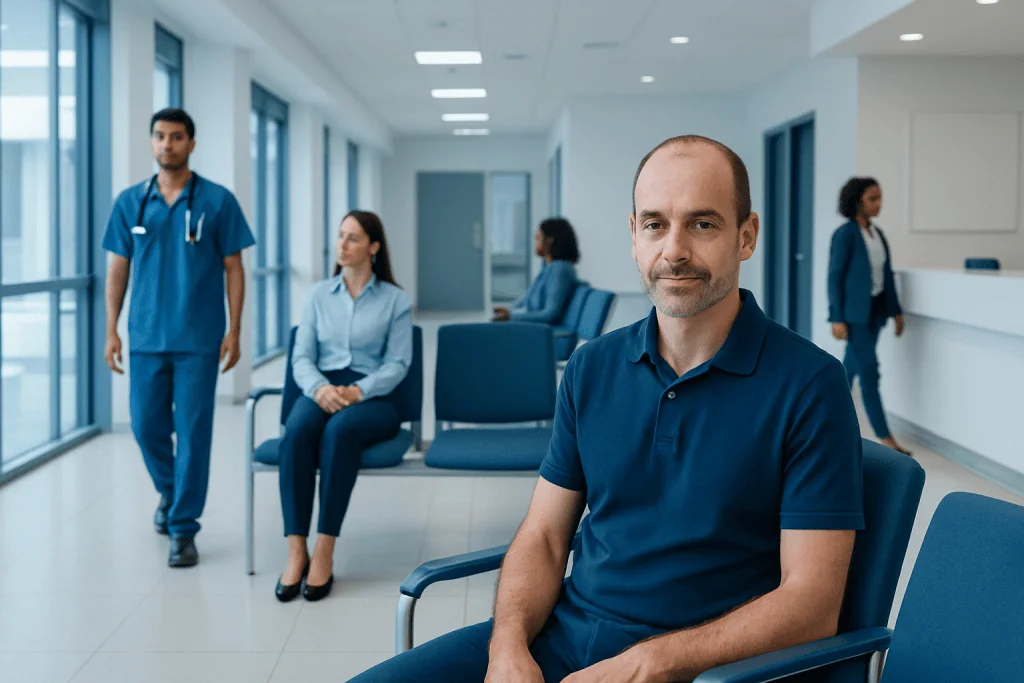
A widows peak is usually a natural variation in hairline shape. It is commonly inherited and does not usually need treatment.
Key Takeaways
- A widows peak is usually a natural variation in hairline shape.
- It is commonly inherited and does not usually need treatment.
- A widows peak is different from a receding hairline caused by hair loss.
- Sudden changes in the hairline, scalp symptoms, or patchy shedding should be assessed by a doctor.
- Treatment depends on whether the concern is cosmetic hairline shape or an underlying hair or scalp disorder.
A widows peak is a V-shaped point in the center of the hairline. In most people, it is a normal inherited feature rather than a medical problem, but noticeable change in the hairline can sometimes be linked to hair loss or other scalp conditions.
Overview: What a Widows Peak Means
A widows peak is a hairline pattern in which the hair forms a central point or V-shape at the forehead. It is usually simply a natural feature of facial appearance, much like the shape of the nose or eyebrows. Many people are born with it or notice it as they grow older, and by itself it is not considered a disease.
Patients often ask whether a widows peak means they are losing hair. In most cases, the answer is no. A widows peak can exist with a full, healthy head of hair, while a receding hairline refers to hair loss that changes the position or density of hair over time.
The most important distinction is whether the hairline has always had this shape or whether it is changing. A stable widows peak is usually harmless. A newly more pronounced V-shape, thinning at the temples, or increased shedding may point to another issue such as hair loss or a scalp condition that deserves medical assessment.
How a Widows Peak Differs From a Receding Hairline
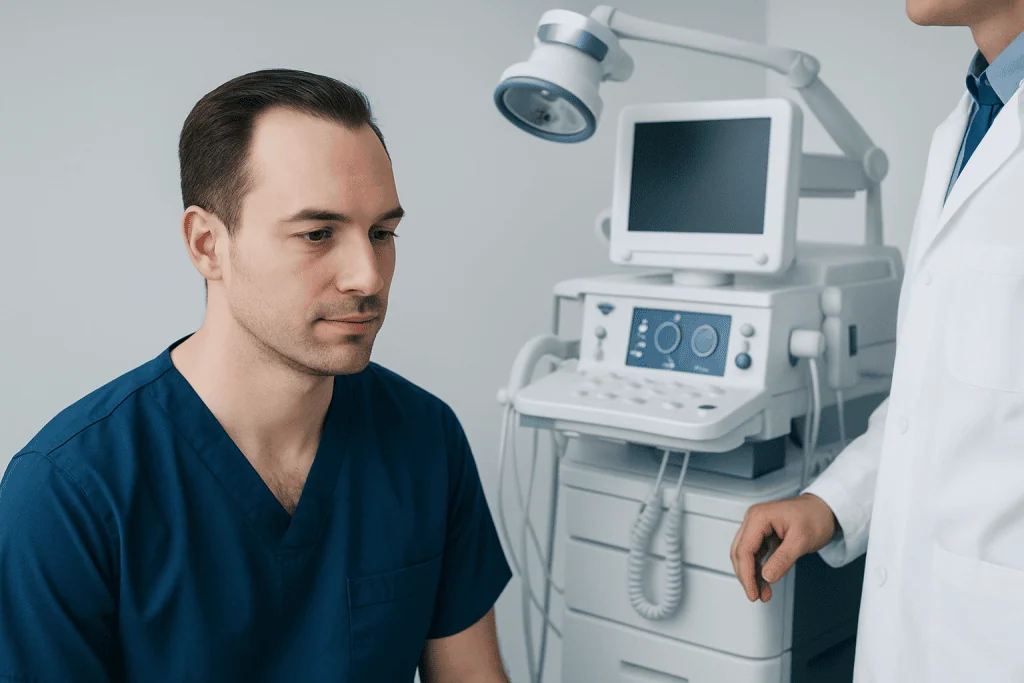
A widows peak describes shape, while a receding hairline describes change. Someone can have a widows peak without any reduction in hair density. By contrast, a receding hairline happens when hair gradually thins or disappears, often first at the temples, making the forehead appear larger.
It can sometimes be difficult to tell the difference without a close examination, especially if there is a family history of thinning hair. People may notice more scalp showing, finer hairs at the hairline, or more hair shedding in the shower or on a hairbrush. Those signs suggest that the issue may be more than natural hairline shape.
Hairline changes can occur in both men and women. Common patterns include temple recession, diffuse thinning across the front of the scalp, or patchy hair loss. When there is uncertainty, a dermatologist or hair specialist can help determine whether the appearance reflects a normal widows peak, age-related change, or a condition such as alopecia.
Common Causes and Risk Factors

The most common reason for a widows peak is genetics. Hairline shape often runs in families, and people may inherit a more pointed central hairline from one or both parents. This inherited feature may be noticeable in childhood or become more obvious during adolescence and adulthood.
A widows peak itself is not usually caused by poor health, stress, or everyday hair care habits. However, the way the hairline looks can change over time because of other factors. Age-related thinning, hormonal influences, traction from tight hairstyles, inflammatory scalp disorders, and some medical conditions can alter the hair around the forehead and temples.
Risk factors for true hairline change rather than a stable widows peak include:
- Family history of male or female pattern hair loss
- Increasing age
- Hormonal changes, including menopause or thyroid disorders
- Tight braids, ponytails, head coverings, or extensions that pull on the hairline
- Autoimmune or inflammatory scalp disease
- Nutritional deficiencies or significant physical stress
If the concern is cosmetic, some patients ask about ways to reshape the hairline. In selected cases, specialists may discuss options such as hair transplant treatment after confirming that the hair loss pattern is stable and that there is a good donor area.
Signs That Suggest Something More Than Hairline Shape
A natural widows peak usually does not cause symptoms. The scalp looks healthy, and the density of hair around the forehead remains stable. If the hairline has looked similar for years and there is no unusual shedding, this generally supports a normal anatomical variation.
Medical evaluation becomes more relevant when the appearance changes or when other symptoms are present. Warning signs include sudden shedding, visible thinning at the temples, patchy bald spots, scalp redness, pain, itching, scaling, or broken hairs. These features may suggest an underlying scalp disorder rather than simple inherited hairline shape.
People should also pay attention to changes elsewhere on the body. Eyebrow thinning, eyelash loss, fatigue, menstrual changes, weight changes, or brittle nails can provide clues to a wider health issue. In those situations, the hairline can be a visible sign of a condition that needs diagnosis rather than a cosmetic concern alone.
How Doctors Diagnose Hairline Concerns
Diagnosis usually begins with a medical history and scalp examination. The doctor may ask when the widows peak or hairline change was first noticed, whether it is getting more pronounced, whether there is a family history of thinning hair, and whether there have been recent illnesses, stress, pregnancy, diet changes, or medication changes.
During the examination, the clinician checks the pattern of hair density, the condition of the scalp, and whether there are signs of scarring, inflammation, or broken hairs. In some cases, dermoscopy or trichoscopy is used to magnify the scalp and hair follicles. This can help distinguish a natural hairline from pattern hair loss, traction-related damage, or inflammatory disease.
Not everyone needs tests, but blood work may be considered if there are signs of iron deficiency, thyroid imbalance, hormonal change, or nutritional deficiency. If the picture is unclear, a doctor may recommend further dermatologic evaluation. When patients are seeking treatment for appearance as well as diagnosis, a consultation with specialists in dermatology care can help clarify both medical and cosmetic options.
Treatment Options and Cosmetic Approaches
A widows peak that is simply part of a person’s natural appearance does not need medical treatment. Many patients choose to leave it unchanged. Styling choices, haircuts, and grooming methods can soften or emphasize the V-shape depending on personal preference.
If the concern is actually hair loss, treatment depends on the cause. Doctors may recommend addressing triggers such as traction, nutritional deficiencies, scalp inflammation, or hormonal factors. In some cases, medical therapies are used to help maintain hair density or slow progression, but treatment should be personalized and guided by a qualified clinician.
For patients who want to alter the shape of the hairline for cosmetic reasons, procedural options may be discussed. These can include carefully planned hair transplant treatment in appropriate candidates, or less invasive cosmetic methods such as makeup techniques or hairstyling adjustments. When hairline change is linked to broader scalp or skin concerns, a team experienced in aesthetic and reconstructive planning may sometimes be involved in individualized care.
Near the end of the care pathway, some international patients prefer multidisciplinary evaluation in one setting. Acibadem International’s specialists in dermatology, plastic surgery, and hair restoration at JCI-accredited hospitals assess hairline concerns and treat suitable patients based on the underlying cause.
Prevention and Self-care for a Healthy Hairline
A widows peak cannot usually be prevented because it is often inherited. However, people can protect the hairline from avoidable damage. Gentle hair care supports scalp health and may reduce the risk of traction-related thinning or breakage around the forehead.
Helpful self-care habits include avoiding very tight hairstyles, reducing frequent heat or harsh chemical processing, and treating the scalp kindly when brushing or styling. Balanced nutrition, adequate protein intake, and management of overall health conditions also support normal hair growth.
Useful self-care steps include:
- Choose looser hairstyles when possible
- Avoid repeated pulling at the front hairline
- Use gentle cleansing and scalp care products
- Seek advice early if there is persistent shedding or scalp irritation
- Take photographs over time if monitoring possible hairline change
Self-care is most effective when it focuses on protecting existing hair. If a person is worried that a widows peak is becoming more pronounced, comparing photographs taken months apart can help show whether the shape is stable or whether there may be progressive thinning.
When to Seek Medical Care
Medical advice is recommended if the hairline is changing noticeably, especially over weeks to months rather than years. Prompt evaluation can help identify conditions such as pattern hair loss, traction alopecia, scalp inflammation, or hormone-related problems before the change becomes more advanced.
Patients should arrange a medical review if they notice patchy bald spots, rapid shedding, itching, pain, redness, scaling, or scarring on the scalp. A doctor should also be consulted if hair changes occur alongside fatigue, unexpected weight change, menstrual irregularity, or other symptoms that may suggest an underlying health issue.
Even when the concern is primarily cosmetic, professional guidance can be useful. An expert can explain whether the widows peak is simply a normal hairline variant or part of a treatable condition, and can discuss safe options based on the person’s age, hair pattern, scalp health, and expectations.
Frequently asked questions
Is a widows peak normal?
Yes. A widows peak is usually a normal variation in hairline shape and is often inherited. On its own, it does not usually mean there is a health problem.
Does a widows peak mean someone will go bald?
No. A widows peak and baldness are not the same thing. A person can have a widows peak and still have stable, healthy hair density throughout life.
Can a widows peak develop later in life?
A true widows peak is often present naturally, but it may seem more obvious over time. If the shape becomes more pronounced because the hair at the temples is thinning, that may reflect a receding hairline rather than a new widows peak.
How can someone tell if it is a widows peak or hair loss?
A widows peak is usually a stable V-shaped hairline with no major change in hair density. Hair loss is more likely if there is increased shedding, thinning at the temples, a larger appearing forehead, or visible scalp where hair used to be thicker.
Can a widows peak be changed?
Yes, if the goal is cosmetic, some people use hairstyling techniques or consider medical aesthetic options. The right approach depends on whether the concern is simply hairline shape or an underlying hair loss condition.
When should someone see a doctor about a widows peak?
A doctor should be consulted if the hairline is changing quickly, if there are patchy bald spots, or if the scalp is itchy, painful, red, or scaly. Medical advice is also important if hair changes happen with other symptoms such as fatigue, weight change, or hormonal changes.
This article is for general information only and is not a substitute for professional medical advice. Please consult a qualified doctor about your individual situation.
Hair transplant in Turkey — costs, graft counts & a free assessment
JCI-accredited · board-certified surgeons · reply within 24h
Add us as a Preferred Source to see more of our trusted health content across Google Search, AI Overviews and Discover.

More from the Health Library

Neutrophils High: An Evidence-Based Guide for Patients

Hand Sanitizer and: What Patients Need to Know

Sweat Smells Like Vinegar: What Patients Need to Know

TIA Stroke — Explained by Medical Evidence, Not Myths

Right Heart Catheterization: An Evidence-Based Guide for Patients