Home Treatment Bacterial Vagina: Early Signs, Risk Factors, and How It Is Treated

Bacterial vaginosis is caused by an imbalance in normal vaginal bacteria, not by poor hygiene. Home measures may help comfort, but they do not reliably cure bacterial vaginosis.
Key Takeaways
- Bacterial vaginosis is caused by an imbalance in normal vaginal bacteria, not by poor hygiene.
- Home measures may help comfort, but they do not reliably cure bacterial vaginosis.
- Typical symptoms include thin discharge, a fishy odor, and vaginal discomfort, though some people have no symptoms.
- Diagnosis is important because yeast infections, sexually transmitted infections, and other causes can look similar.
- Antibiotics are the standard treatment when bacterial vaginosis is confirmed.
- Medical care is especially important during pregnancy, with recurrent symptoms, or if pelvic pain or fever is present.
Home treatment bacterial vag questions are common, but bacterial vaginosis is best managed with medical diagnosis because several conditions can cause similar symptoms. Supportive self-care may reduce irritation, yet many people need prescription treatment to restore the vaginal balance and prevent recurrence.
Overview: can bacterial vaginosis be treated at home?
Home treatment bacterial vag questions usually refer to bacterial vaginosis, often called BV. The short answer is that home care may help reduce irritation and support vaginal health, but it does not reliably cure BV. Because symptoms can overlap with yeast infections, sexually transmitted infections, and other vaginal conditions, a clinician’s assessment is often the safest way to choose the right treatment.
BV happens when the usual balance of bacteria in the vagina shifts. Lactobacilli, which normally help keep the vaginal environment slightly acidic, become less dominant, while other bacteria increase. This change can lead to odor, discharge, and discomfort, although some people notice no symptoms at all.
Many online remedies are promoted for BV, but not all are safe or evidence-based. Harsh cleansing products, douching, or placing unapproved substances in the vagina can worsen irritation and disturb the vaginal microbiome further. For this reason, home care should focus on gentle self-care and symptom awareness rather than trying to self-treat aggressively.
Early signs and symptoms to notice
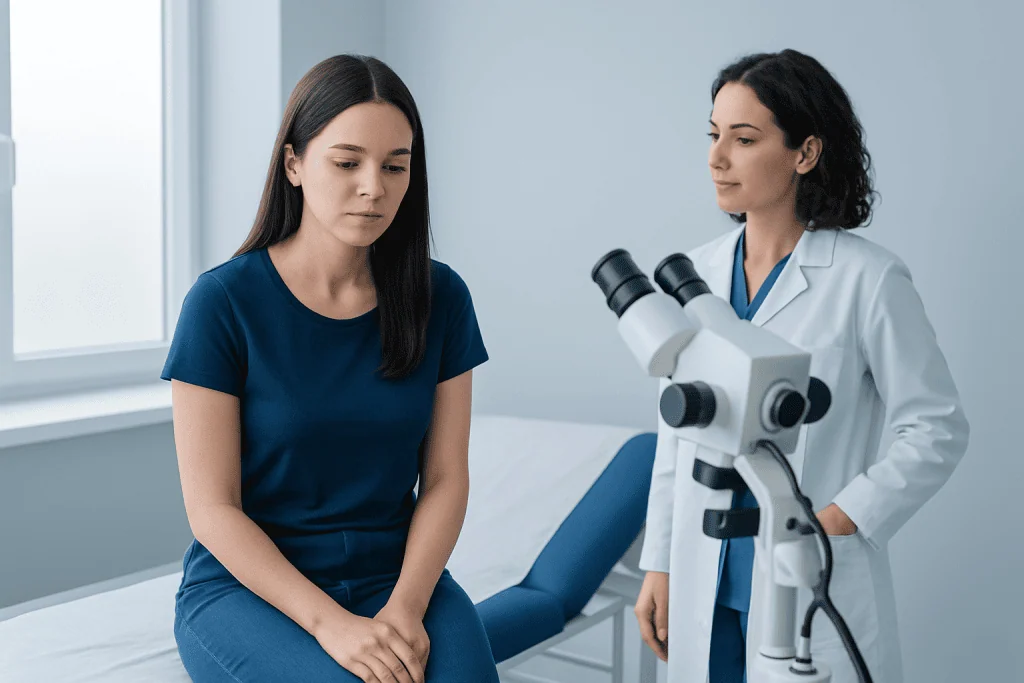
The most common sign of BV is a thin vaginal discharge that may appear white, gray, or off-white. Many people also notice a fishy or unusual odor, which can be more noticeable after sex or during menstruation. Some have mild burning during urination or a sense of vaginal irritation, while others feel completely well.
BV does not always cause redness, thick clumpy discharge, or intense itching. Those features are often more typical of a yeast infection. Still, symptoms can vary from person to person, so it is not always possible to tell the cause based on symptoms alone.
It can help to keep track of when symptoms start, whether they change with periods or sex, and whether there are associated symptoms such as pelvic pain, fever, sores, or bleeding. These details can guide diagnosis and help distinguish BV from other conditions such as vaginitis or infections affecting the urinary or reproductive tract.
Why BV happens: causes and risk factors

BV develops when the natural balance of vaginal bacteria changes. It is not considered a classic sexually transmitted infection, but sexual activity can influence the vaginal microbiome. New or multiple partners, unprotected sex, and certain sexual practices are associated with a higher chance of BV in some people.
Other risk factors include douching, using scented vaginal products, and smoking. These factors may change the vaginal environment and make it easier for less helpful bacteria to overgrow. BV can also recur, even after appropriate treatment, because the bacterial balance can shift again over time.
Importantly, BV is not a sign of being unclean. In fact, excessive washing or use of fragranced products may make symptoms worse. BV may also occur in people who are not sexually active, which is another reason to avoid blame or stigma when symptoms appear.
- Common risk factors include douching and scented hygiene products.
- A new sexual partner or multiple partners may increase risk.
- Smoking is associated with a higher likelihood of BV.
- Recurrence is common and does not mean a person did something wrong.
What home care can and cannot do
Supportive home care can help protect the vaginal area and reduce irritation while waiting for medical advice. Gentle measures include avoiding douches, vaginal deodorants, scented soaps, bubble baths, and tight damp clothing. Cotton underwear, changing out of wet exercise wear promptly, and washing the outer genital area with water or a mild unscented cleanser may improve comfort.
However, home treatment bacterial vag approaches should be viewed with caution if they claim to cure BV quickly. Remedies such as vinegar washes, hydrogen peroxide, essential oils, garlic, or inserting products into the vagina may irritate delicate tissue or make the microbiome imbalance worse. Even probiotics, which are being studied, should not replace proper diagnosis or prescribed treatment when symptoms are present.
If symptoms are mild and a person is otherwise well, supportive self-care for a short period may be reasonable while arranging medical advice. But symptoms that persist, come back, or are accompanied by pain, fever, or pregnancy should not be managed with home care alone. A doctor can determine whether treatment is needed and whether another condition is present.
How bacterial vaginosis is diagnosed
Doctors diagnose BV by reviewing symptoms, medical history, and sometimes sexual health history, then performing a pelvic examination if needed. A sample of vaginal discharge may be tested to assess acidity, look for characteristic cells under a microscope, or identify patterns of bacteria. These steps help separate BV from yeast infections, trichomoniasis, and other causes of discharge or odor.
Self-diagnosis can be unreliable because many vaginal conditions overlap. For example, irritation and discharge may also occur with urinary tract infection symptoms nearby, skin irritation, or cervicitis. Accurate diagnosis matters not only for symptom relief but also for avoiding unnecessary treatments that may not help.
In some settings, laboratory testing may be used when symptoms are persistent or unclear. Diagnosis is especially important during pregnancy or before gynecologic procedures, as untreated BV may be associated with complications in some circumstances.
How BV is treated medically
When BV is confirmed, treatment usually involves prescription antibiotics. These may be given as tablets taken by mouth or as a vaginal gel or cream. The goal is to reduce the overgrowth of certain bacteria and allow the normal vaginal environment to recover.
It is important to complete the full course exactly as prescribed, even if symptoms improve quickly. Stopping early can allow symptoms to return. During treatment, a doctor may also advise avoiding sexual activity for a short time or using protection, depending on the medication and individual circumstances.
People with recurring BV may need a different treatment plan, further testing, or a discussion about triggers and prevention strategies. If symptoms are due to another cause, treatment will be different, which is why proper evaluation is so useful. Depending on the findings, care may involve a gynecology assessment and, when necessary, further imaging or procedures such as gynecology care or colposcopy to evaluate persistent or unusual symptoms.
Prevention and self-care after treatment
After treatment, prevention focuses on protecting the natural vaginal balance. Avoiding douching is one of the most important steps. Choosing unscented menstrual and hygiene products, wearing breathable underwear, and changing out of wet or sweaty clothes promptly can also help reduce irritation.
Safer sex practices may lower recurrence risk for some people. A clinician may recommend condom use or discussion of any links between symptoms and sexual activity. It is also helpful to avoid self-treating repeatedly with over-the-counter products before confirming the cause, because treatments for yeast do not cure BV.
Hydration, balanced nutrition, and smoking cessation support overall health, although they are not stand-alone cures. For people with repeat episodes, follow-up is worthwhile. In more complex cases, doctors may assess for related pelvic concerns and guide treatment through services such as obstetrics and gynecology or evaluation for other pelvic conditions including pelvic inflammatory disease when symptoms suggest deeper infection.
When to seek medical care
Medical care is recommended if there is new vaginal odor, unusual discharge, burning, or irritation that does not improve promptly. It is especially important if symptoms are happening for the first time, if they keep returning, or if over-the-counter yeast treatment has not helped. A doctor can confirm whether BV is present and rule out other infections or skin conditions.
Urgent assessment is needed if symptoms are accompanied by fever, pelvic or lower abdominal pain, sores, rash, abnormal bleeding, or significant pain during urination or sex. Pregnant people should contact a healthcare professional if BV is suspected, since proper evaluation matters for both maternal and pregnancy health.
For international patients who need coordinated assessment, Acibadem International’s multidisciplinary specialists and JCI-accredited hospitals diagnose and treat gynecologic conditions with individualized care plans. The most important step is timely evaluation by a qualified healthcare professional rather than relying on repeated home remedies when symptoms persist.
Frequently asked questions
Can bacterial vaginosis go away on its own?
Sometimes symptoms may improve temporarily, but BV often persists or returns without proper treatment. Because other conditions can look similar, it is best not to assume that symptoms will resolve on their own.
What is the safest home treatment bacterial vag approach?
The safest approach is supportive self-care rather than trying to cure BV with vaginal remedies. Avoid douching and scented products, keep the area dry and comfortable, and arrange medical evaluation if symptoms continue.
How is BV different from a yeast infection?
BV commonly causes thin discharge and a fishy odor, while yeast infections often cause thick discharge and more intense itching. However, symptoms can overlap, so a clinician may need to confirm the diagnosis.
Can probiotics cure bacterial vaginosis?
Probiotics are being studied and may support vaginal health for some people, but they are not a proven stand-alone cure for active BV. They should not replace medical diagnosis or prescribed antibiotics when BV is confirmed.
Is bacterial vaginosis a sexually transmitted infection?
BV is not usually classified as a classic sexually transmitted infection. Still, sexual activity can affect the vaginal bacterial balance, and BV may be more common in some sexual health situations.
Should a sexual partner be treated too?
Routine treatment of male partners is not usually recommended for BV. Partner management can vary in special situations, so it is best discussed with a healthcare professional.
When should someone see a doctor for possible BV?
A doctor should be seen for first-time symptoms, recurrent episodes, pregnancy, or symptoms that do not improve. Urgent care is important if there is fever, pelvic pain, sores, abnormal bleeding, or significant burning with urination.
References
- Centers for Disease Control and Prevention
- American College of Obstetricians and Gynecologists
- National Institute for Health and Care Excellence
- Mayo Clinic
- World Health Organization
This article is for general information only and is not a substitute for professional medical advice. Please consult a qualified doctor about your individual situation.
Explore treatments in Turkey — costs, top hospitals & a free quote
JCI-accredited · board-certified surgeons · reply within 24h
Add us as a Preferred Source to see more of our trusted health content across Google Search, AI Overviews and Discover.

More from the Health Library



Related Specialists

Dr. Fadime Sevgi Saçlı
Internal Medicine
Dyt. Pakize Gizem Akgül
Nutrition & Diet
Dr. İlke Karagöz
Aesthetic Plastic & Reconstructive Surgery
Dr. Süveyda Yeşilaras
Emergency Service