Hormonal Acne — Explained by Medical Evidence, Not Myths

Hormonal acne is driven by hormone-related changes that increase oil production and clogged pores. It commonly affects the chin, jawline, and lower cheeks, especially in adolescents and adults.
Key Takeaways
- Hormonal acne is driven by hormone-related changes that increase oil production and clogged pores.
- It commonly affects the chin, jawline, and lower cheeks, especially in adolescents and adults.
- Diagnosis is usually clinical, but some people may need evaluation for underlying hormone-related conditions.
- Treatment may include skin care, topical medicines, oral medicines, and in some cases hormone-targeting therapy.
- Myths about hygiene, diet, or "dirty skin" do not fully explain hormonal acne.
- Persistent, painful, or scarring acne should be assessed by a qualified doctor or dermatologist.
Hormonal acne is acne linked to hormone-related changes in oil production, skin cell turnover, and inflammation. It often appears on the lower face and can flare around menstrual cycles, during stress, or with conditions that affect hormone balance.
What hormonal acne is
Hormonal acne is a form of acne influenced by changes in hormones that affect the skin’s oil glands, pores, and inflammatory response. In simple terms, hormones can signal the sebaceous glands to produce more sebum, and this extra oil can mix with dead skin cells to block pores. When this happens, blackheads, whiteheads, inflamed bumps, and deeper tender cyst-like spots may develop.
Although the name suggests a separate disease, hormonal acne is usually part of the broader acne spectrum rather than a completely different condition. The term is often used when acne flares at predictable times, such as around menstrual periods, during puberty, in pregnancy, in perimenopause, or with conditions that affect androgen levels. It is also commonly used when acne is concentrated on the chin, jawline, and lower face.
Hormonal influence does not mean acne is caused by poor hygiene, and it does not mean a person has done something wrong. Acne is a medical skin condition with several contributing factors, including oil production, clogged pores, bacteria on the skin, inflammation, genetics, and hormone sensitivity. Understanding this helps replace myths with a more accurate and reassuring explanation.
How hormonal acne looks and where it appears
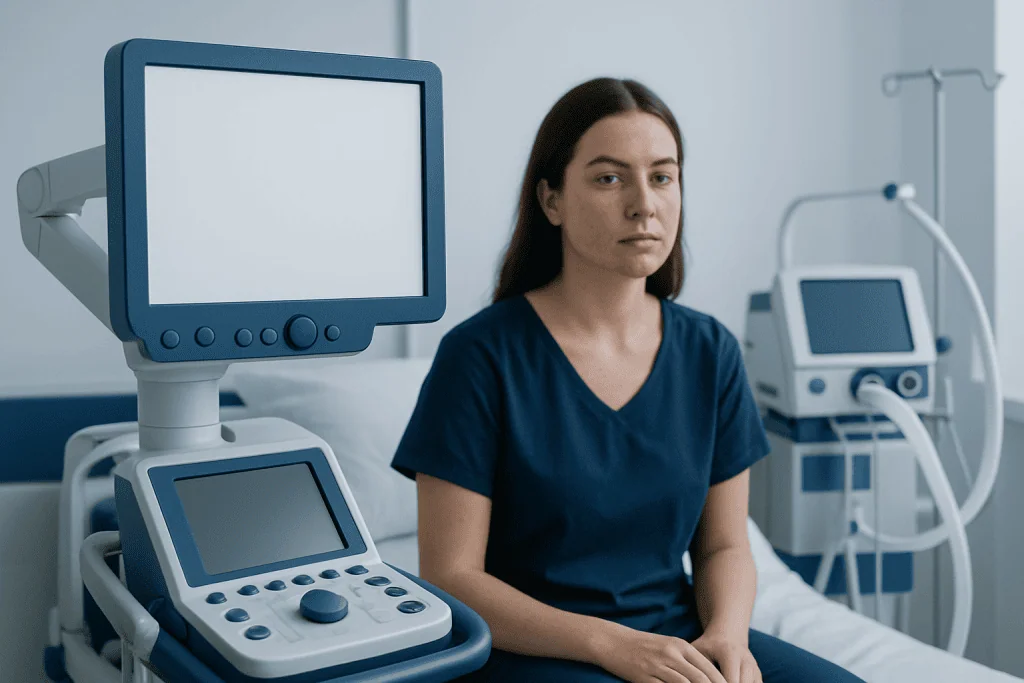
Hormonal acne can take several forms. Some people mainly have whiteheads and small inflamed pimples, while others develop larger, deeper, more painful lesions that sit under the skin. These deeper spots may last longer and are more likely to leave dark marks or scars, particularly if they are squeezed or picked.
A common pattern is involvement of the lower third of the face, especially the chin, jawline, and around the mouth. However, hormonal acne can also affect the cheeks, neck, chest, shoulders, and back. During puberty, acne may appear more widely across the forehead and central face as well.
Symptoms and signs may include:
- Tender red bumps or pustules
- Whiteheads and blackheads
- Deeper nodules or cyst-like lesions
- Breakouts that flare before menstruation
- Persistent adult acne, even after teenage years
- Dark marks or scarring after spots heal
Many people notice that hormonal acne is cyclical. In menstruating individuals, flares often appear in the week before a period. Others notice worsening during times of stress, when sleep is poor, or when using products that clog pores and aggravate already sensitive skin.
Why hormones can trigger acne

The main hormonal drivers behind acne are androgens, a group of hormones present in all sexes. Androgens can increase sebum production and make pores more prone to clogging. Some people do not necessarily have unusually high hormone levels, but their skin may be more sensitive to normal hormonal changes. This is one reason acne can persist even when routine blood tests are normal.
Puberty is a common time for acne because hormone levels rise significantly. In adults, hormonal acne may be linked to menstrual cycle changes, pregnancy, postpartum hormonal shifts, perimenopause, or stopping certain hormonal contraceptives. Stress may also contribute by influencing inflammatory pathways and hormone signals that can worsen breakouts.
Several other factors can work alongside hormones. Family history can increase susceptibility. Cosmetic or hair products that block pores may make acne worse. Friction from helmets, masks, or tight clothing can aggravate affected areas. Some medications can contribute to acne-like eruptions. In some people, an underlying condition such as polycystic ovary syndrome may be part of the picture, particularly if acne occurs with irregular periods, increased facial or body hair, or thinning scalp hair.
Diet is a more nuanced topic than many myths suggest. Food does not affect everyone’s skin in the same way, and no single food causes hormonal acne in all people. Still, some individuals find that high glycemic foods or certain dairy products seem to worsen their acne. Any dietary approach should be realistic, balanced, and discussed with a clinician if symptoms are significant.
Myths and facts about hormonal acne
One common myth is that acne means the skin is dirty. In reality, over-washing or using harsh scrubs can irritate the skin barrier and make acne feel worse. Gentle cleansing helps, but it does not remove the hormonal signals or inflammation driving the breakouts.
Another myth is that only teenagers get acne. Hormonal acne is very common in adults, especially women, and it can continue into the 20s, 30s, and beyond. Some people experience acne for the first time in adulthood, while others have breakouts that never fully resolved after adolescence.
It is also a myth that squeezing spots helps them heal faster. Picking often pushes inflammation deeper, increases the chance of infection, and raises the risk of scarring or dark marks. Likewise, using many strong products at once can cause irritation without improving results.
Finally, there is no single universal cure that works overnight. Effective treatment usually involves a consistent routine over weeks to months. Because acne develops through several pathways at the same time, treatment often works best when it addresses pore blockage, bacteria, inflammation, and hormone-related triggers together.
How doctors diagnose it
Hormonal acne is usually diagnosed through a medical history and skin examination. A doctor will look at the type of lesions present, their location, when they flare, how long they have been happening, and whether they are leaving marks or scars. This clinical pattern often provides enough information to guide treatment.
The doctor may also ask about menstrual history, pregnancy plans, current medicines, hair growth changes, weight changes, scalp hair thinning, and family history. These questions help identify whether there may be an underlying hormone-related condition that deserves further evaluation. If signs suggest a broader endocrine issue, targeted blood tests or imaging may be considered.
Not everyone with hormonal acne needs hormone testing. In many cases, acne is treated successfully based on symptoms and skin findings alone. However, if there are signs of persistent hormone imbalance, a doctor may assess for conditions such as PCOS. In more complex cases, care may involve both dermatology and endocrinology specialists, and diagnostic support such as MRI scan is used only when clinically relevant rather than as a routine acne test.
Treatment options supported by evidence
Treatment depends on the severity of acne, the type of lesions present, the person’s age, pregnancy considerations, scar risk, and whether hormonal symptoms are also present. Mild cases may improve with non-comedogenic skin care and topical medicines. More persistent or deeper acne often needs a combination approach and regular follow-up, because improvement takes time.
Topical treatments commonly include retinoid-based medicines to reduce clogged pores, benzoyl peroxide to target acne-causing bacteria and inflammation, and topical antibiotics in selected cases. Some people benefit from combinations of these treatments. For moderate to severe acne, doctors may prescribe oral medicines such as antibiotics for limited periods, or other prescription options depending on the clinical picture. Specialist-led acne treatment is especially helpful when acne is painful, recurrent, or causing marks and scarring.
When acne is clearly linked to hormone fluctuations, doctors may consider therapies that influence hormonal pathways in appropriate patients. These can include certain combined hormonal contraceptives or other anti-androgen approaches, chosen carefully after reviewing medical history and risks. These are not suitable for everyone, so treatment decisions should be individualized.
If acne has already caused scarring or persistent discoloration, treatment may also include procedures aimed at texture and tone once active breakouts are better controlled. Depending on the skin type and scar pattern, doctors may discuss options such as laser treatment for selected patients. In international centers such as Acibadem International, multidisciplinary specialists in JCI-accredited hospitals assess both active acne and its longer-term skin effects for patients who need further evaluation and care.
Daily skin care, prevention, and self-care
Self-care cannot change hormones directly, but it can reduce triggers that make acne worse and support medical treatment. A simple routine is usually best: a gentle cleanser, a non-comedogenic moisturizer, and daily sunscreen. If prescription products are being used, introducing them gradually may reduce dryness and irritation.
Helpful habits include avoiding picking, choosing oil-free or non-comedogenic makeup and skin products, showering after heavy sweating, and keeping hair products away from the face when possible. Consistency matters more than using many products. Harsh toners, abrasive scrubs, and frequent exfoliation may damage the skin barrier and intensify redness or stinging.
Lifestyle measures may also play a supporting role. Managing stress, getting enough sleep, and maintaining a balanced diet may help some individuals, although these are not stand-alone cures. If a person notices a repeatable link between certain foods and flares, it can be reasonable to discuss this with a doctor or dietitian rather than making overly restrictive changes alone.
Prevention also means treating acne early enough to reduce the chance of scarring. Deep, recurrent lesions should not be ignored just because acne is common. Prompt care can improve comfort, skin appearance, and confidence while helping prevent longer-term marks.
When to seek medical care
Medical care is a good idea if acne is persistent, painful, widespread, leaving dark marks, or beginning to scar. A doctor should also assess acne that appears suddenly with other hormone-related symptoms, such as irregular periods, excess facial hair, or scalp hair thinning. These patterns can point to an underlying condition that may need broader treatment.
People should seek advice sooner if over-the-counter products have not helped after several weeks, if the skin has become very irritated from self-treatment, or if acne is affecting self-esteem and daily life. Emotional impact matters, and skin conditions deserve attention when they influence confidence, work, school, or social activities.
Urgent medical review is appropriate if there are signs of severe medication reactions, extensive swelling, or infection-like symptoms. Otherwise, hormonal acne is usually not an emergency, but it often benefits from a structured treatment plan. In some cases, a dermatologist may coordinate care with specialists in endocrinology when symptoms suggest a hormone-related disorder beyond the skin.
Frequently asked questions
What is the difference between hormonal acne and regular acne?
Hormonal acne is not completely separate from regular acne, but it refers to acne that is strongly influenced by hormone changes or hormone sensitivity. It often follows a cyclical pattern and commonly affects the chin, jawline, and lower face. The underlying acne process is similar, involving oil, clogged pores, inflammation, and skin bacteria.
Can hormonal acne happen even if hormone tests are normal?
Yes. Some people have normal hormone levels but skin that is more sensitive to typical hormonal fluctuations. That means acne can still flare in a hormone-related pattern even when blood tests do not show a clear abnormality.
Does hormonal acne only affect women?
No. Hormones influence acne in all sexes, especially during puberty. However, the term hormonal acne is often used more frequently in adult women because breakouts may relate to menstrual cycles, pregnancy, or other reproductive hormone changes.
How long does hormonal acne take to improve?
Improvement usually takes several weeks, and clearer results often require a few months of consistent treatment. Acne therapies work gradually because they need time to reduce new clogged pores and calm inflammation. Following the prescribed plan regularly is important.
Will changing diet cure hormonal acne?
Diet alone usually does not cure hormonal acne. Some people notice that certain foods seem to worsen breakouts, but triggers are individual and the evidence is mixed. A balanced, sustainable approach is generally more helpful than strict or rapid dietary changes.
Can hormonal acne cause scars?
Yes, especially when lesions are deep, inflamed, or repeatedly picked. Early and appropriate treatment can lower the risk of permanent scars and dark marks. If scarring has already developed, a dermatologist can discuss options after active acne is controlled.
References
- American Academy of Dermatology
- National Institute of Arthritis and Musculoskeletal and Skin Diseases
- Mayo Clinic
- National Health Service
- Endocrine Society
This article is for general information only and is not a substitute for professional medical advice. Please consult a qualified doctor about your individual situation.
Acne in Turkey — costs, top hospitals & a free quote
JCI-accredited · board-certified surgeons · reply within 24h
Add us as a Preferred Source to see more of our trusted health content across Google Search, AI Overviews and Discover.