Hormone Imbalance: Common Causes, Symptoms, and When to See a Doctor

Hormone imbalance is not one disease; it describes many possible conditions affecting different glands and hormones. Common symptoms include fatigue, weight changes, menstrual changes, skin or hair changes, mood shifts, and temperature intolerance.
Key Takeaways
- Hormone imbalance is not one disease; it describes many possible conditions affecting different glands and hormones.
- Common symptoms include fatigue, weight changes, menstrual changes, skin or hair changes, mood shifts, and temperature intolerance.
- Possible causes range from stress and menopause to thyroid disorders, diabetes, polycystic ovary syndrome, and pituitary or adrenal conditions.
- Diagnosis usually involves a medical history, physical exam, and targeted blood or urine tests, sometimes with imaging.
- Treatment depends on the underlying cause and may include lifestyle changes, medicines, or specialist care.
Hormone imbalance is a broad term for symptoms caused by too much or too little of certain hormones in the body. Because hormones affect metabolism, mood, growth, fertility, sleep, and many organ systems, the right diagnosis is the key to effective treatment.
Overview
Hormones are chemical messengers made by glands such as the thyroid, pancreas, ovaries, testes, adrenal glands, and pituitary gland. They travel through the bloodstream and help regulate many essential functions, including energy use, appetite, growth, reproduction, mood, sleep, body temperature, and blood sugar.
The term hormone imbalance usually means that one or more hormones are higher or lower than expected for a person’s age, sex, life stage, and overall health. Small hormonal shifts can be normal, especially during puberty, pregnancy, the menstrual cycle, and menopause. However, when changes are significant or persistent, they may lead to bothersome symptoms or point to an underlying medical condition.
Because hormones interact with each other, symptoms can be wide-ranging and sometimes vague. Fatigue, weight gain, anxiety, poor sleep, irregular periods, acne, and low libido may all have hormonal causes, but they can also happen for other reasons. This is why self-diagnosis is often unreliable, and proper medical evaluation matters.
In many cases, hormone-related conditions can be managed successfully once the cause is identified. Treatment may focus on replacing a missing hormone, reducing excess hormone production, treating the underlying disorder, or improving daily habits that affect hormonal health.
Common Symptoms of Hormone Imbalance
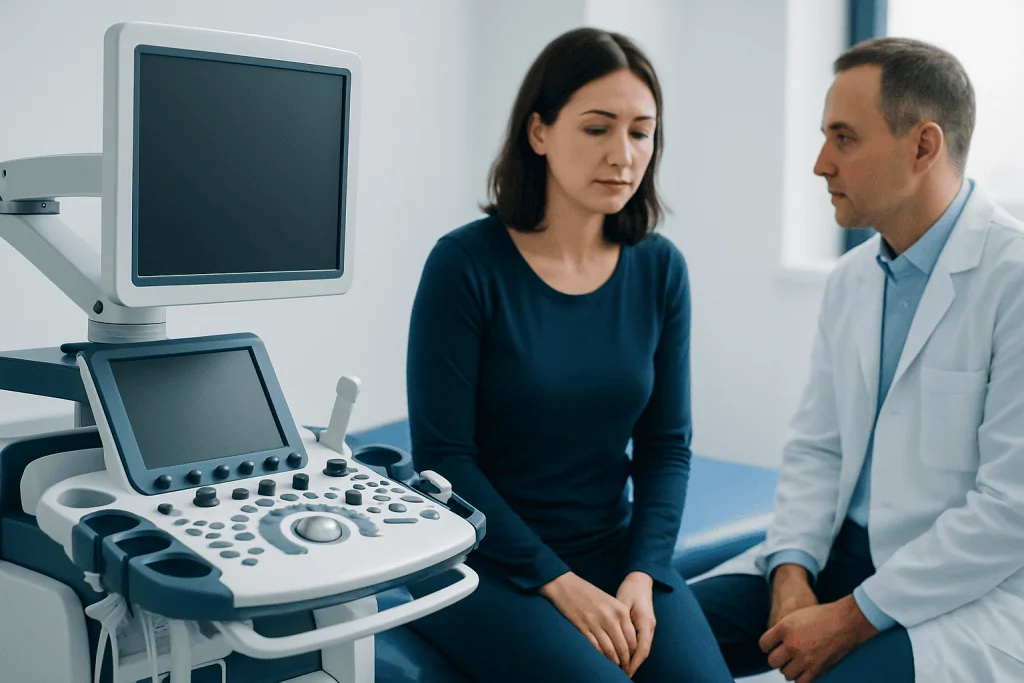
Symptoms depend on which hormone is affected and how severe the change is. Some people notice only one or two concerns, while others develop a pattern of symptoms that gradually becomes more noticeable over time. Symptoms may come and go, or they may be persistent.
Common symptoms can include tiredness, unexplained weight gain or weight loss, increased hunger or thirst, sweating, feeling unusually cold or hot, changes in bowel habits, sleep problems, headaches, and mood changes such as irritability, anxiety, or low mood. Skin and hair changes may also occur, including acne, thinning hair, excess facial or body hair, or dry skin.
Reproductive symptoms are also common in some hormone conditions. Women may notice irregular periods, very heavy or very light bleeding, difficulty becoming pregnant, or symptoms linked with menopause. Men may experience reduced sex drive, erectile difficulties, fertility problems, or loss of muscle mass. In children and teenagers, hormone problems can affect growth and puberty timing.
- Fatigue or low energy
- Weight changes without a clear reason
- Mood swings, anxiety, or depression
- Irregular menstrual cycles or fertility concerns
- Changes in hair, skin, or sweating
- Sleep disturbance or reduced concentration
Causes and Risk Factors

There is no single cause of hormone imbalance. Temporary changes can happen during normal life events such as puberty, pregnancy, after childbirth, and menopause. Ongoing hormonal problems may develop when endocrine glands make too much or too little of a hormone, or when the body does not respond to hormones properly.
Common medical causes include thyroid disease, diabetes, insulin resistance, polycystic ovary syndrome, adrenal disorders, and pituitary gland disorders. In some women, menstrual irregularities may be related to ovarian function or early menopause. In men, low testosterone can have several causes, including aging, obesity, chronic illness, or problems affecting the testes or pituitary gland.
Medications can also influence hormone levels. Examples include corticosteroids, some psychiatric medicines, hormonal contraception, and treatments that affect the thyroid or reproductive organs. Chronic stress, poor sleep, major weight changes, eating disorders, and intense exercise can alter hormones such as cortisol, insulin, thyroid hormones, and reproductive hormones.
Risk factors vary by condition but may include family history, autoimmune disease, obesity, smoking, aging, and existing metabolic problems. Because symptoms overlap with many non-hormonal issues, an experienced clinician may need to assess whether a person’s concerns are truly hormonal or due to another health condition.
How Hormone Imbalance Is Diagnosed
Diagnosis begins with a detailed medical history and physical examination. A doctor will usually ask when symptoms started, whether they are constant or cyclical, what medications or supplements a person takes, and whether there is a family history of thyroid disease, diabetes, infertility, or other endocrine disorders. Menstrual history, pregnancy history, changes in weight, and sleep patterns may also be important.
Blood tests are often the main tool for diagnosis. Depending on symptoms, a doctor may check thyroid hormones, blood sugar, insulin-related markers, reproductive hormones such as estrogen, progesterone, testosterone, luteinizing hormone, and follicle-stimulating hormone, or stress-related hormones from the adrenal glands. Sometimes the timing of the test matters, especially for menstrual-cycle-related hormones.
Additional tests may include urine testing, imaging studies, or specialized stimulation or suppression tests. For example, ultrasound can help evaluate the ovaries, while imaging of the pituitary or adrenal glands may be used in selected cases. If thyroid enlargement or nodules are suspected, a person may need further assessment for thyroid disease or other thyroid conditions.
Diagnosis is not based on symptoms alone. Many symptoms linked with hormone imbalance, such as fatigue or weight gain, can also be caused by anemia, sleep disorders, depression, nutritional deficiencies, or chronic medical conditions. A careful evaluation helps ensure that treatment is appropriate and safe.
Treatment Options
Treatment depends entirely on the underlying cause. There is no single medicine that treats all hormone imbalance. In some cases, treatment replaces a hormone that is too low. In others, the goal is to reduce excess hormone production, improve the body’s response to hormones, or manage a related condition such as insulin resistance or a thyroid disorder.
Examples may include medicines for thyroid treatment, management of blood sugar problems, therapies for menstrual symptoms, or treatment for menopause-related hormone changes. Some people benefit from weight management support, sleep improvement, or treatment of stress-related contributors. When reproductive hormones are involved, fertility-focused assessment may be helpful for those trying to conceive.
If a structural problem is present, such as a tumor in an endocrine gland, treatment may involve surgery or other targeted therapies. This is more specialized and depends on the organ involved. For people with complex hormone-related conditions, care may include endocrinologists, gynecologists, urologists, nutrition professionals, and other specialists working together.
It is best to avoid over-the-counter hormone products or supplements without medical advice. Products marketed for “hormone balance” may not address the true cause of symptoms, and some can interact with medicines or cause side effects. Safe treatment starts with a clear diagnosis and follow-up plan.
Prevention and Self-care
Not all hormone disorders can be prevented, especially those related to autoimmune disease, genetics, or age-related changes. Still, daily habits can support overall hormonal health and may reduce symptom burden in some people. A balanced eating pattern, regular physical activity, adequate sleep, and stress management all help support metabolic and endocrine function.
Maintaining a healthy weight can be particularly important for insulin resistance, type 2 diabetes risk, and some reproductive hormone problems. Limiting smoking and excess alcohol may also support hormone health. People with chronic medical conditions should attend routine checkups and take prescribed medicines as directed.
Tracking symptoms can be useful before a medical appointment. Notes about menstrual timing, sleep, appetite, weight changes, bowel habits, mood, skin changes, or episodes of palpitations may help a doctor identify patterns. This can be especially helpful when symptoms are intermittent.
Online advice about hormone imbalance is often oversimplified. Cleanses, detox plans, and restrictive diets are not proven solutions for most hormone conditions. If symptoms are ongoing, professional evaluation is more reliable than self-treatment based on general wellness trends.
When to See a Doctor
A person should consider medical evaluation if symptoms persist, interfere with daily life, or continue to return without a clear explanation. Ongoing fatigue, unexplained weight change, menstrual irregularity, fertility concerns, significant hair loss, mood changes, or symptoms of high or low blood sugar all deserve proper assessment. Earlier diagnosis can make treatment more effective and help prevent complications.
Urgent medical care may be needed for severe symptoms such as fainting, confusion, chest pain, severe dehydration, rapid worsening weakness, or symptoms of very high or very low blood sugar. Sudden severe headache, vision changes, or marked changes in blood pressure may also require prompt attention, particularly if an endocrine emergency is suspected.
People with known endocrine conditions should attend follow-up visits even when they feel relatively well. Hormone levels can change over time, and treatment may need adjustment. Regular monitoring is especially important during pregnancy, menopause, or after major changes in weight or medication use.
For those seeking specialist assessment, Acibadem International’s multidisciplinary teams in JCI-accredited hospitals diagnose and treat hormone-related conditions for international patients, including evaluation for issues such as fertility treatment needs or endocrine disorders requiring coordinated care.
Frequently asked questions
What is hormone imbalance?
Hormone imbalance is a general term for symptoms or health problems caused by hormone levels that are too high, too low, or not working as they should. It is not a single diagnosis. The cause can range from normal life-stage changes to endocrine disorders that need treatment.
What are the most common signs of hormone imbalance?
Common signs include tiredness, unexplained weight changes, irregular periods, acne, hair thinning, mood changes, poor sleep, and changes in temperature tolerance. Symptoms vary depending on which hormone is affected. Because these signs are not specific, testing may be needed to confirm the cause.
Can stress cause hormone imbalance?
Stress can affect hormones, especially cortisol, sleep-related hormones, and reproductive hormones. Long-term stress may worsen symptoms such as fatigue, anxiety, irregular cycles, or changes in appetite. However, stress is not the only cause, so persistent symptoms still deserve medical evaluation.
How is hormone imbalance tested?
Doctors usually start with a medical history, physical exam, and targeted blood tests. Depending on the symptoms, testing may include thyroid function, blood sugar, reproductive hormones, or adrenal-related hormones. Some people may also need urine tests or imaging studies.
Can hormone imbalance go away on its own?
Sometimes it can, especially when linked to temporary situations such as stress, recovery after childbirth, or normal menstrual fluctuations. In other cases, symptoms continue because there is an underlying condition such as thyroid disease, diabetes, or PCOS. If symptoms last or worsen, a doctor should assess them.
Is weight gain always caused by hormone imbalance?
No, weight gain has many possible causes, including diet, reduced physical activity, sleep problems, medications, aging, and medical conditions. Hormonal causes are possible, but they are only one part of the picture. A proper evaluation helps identify what is most likely contributing.
References
- World Health Organization
- National Institute of Diabetes and Digestive and Kidney Diseases
- Endocrine Society
- American Thyroid Association
- Mayo Clinic
This article is for general information only and is not a substitute for professional medical advice. Please consult a qualified doctor about your individual situation.
Medical weight-loss options in Turkey — costs & eligibility
JCI-accredited · board-certified surgeons · reply within 24h
Add us as a Preferred Source to see more of our trusted health content across Google Search, AI Overviews and Discover.