Hormone Imbalance in Men: Symptoms, Causes, and Evaluation

Hormone imbalance in men may involve testosterone, thyroid hormones, cortisol, insulin, or prolactin. Symptoms can include fatigue, low libido, mood changes, sleep problems, weight changes, and reduced muscle mass.
Key Takeaways
- Hormone imbalance in men may involve testosterone, thyroid hormones, cortisol, insulin, or prolactin.
- Symptoms can include fatigue, low libido, mood changes, sleep problems, weight changes, and reduced muscle mass.
- Diagnosis usually combines medical history, physical examination, and targeted blood tests.
- Treatment depends on the cause and may include lifestyle changes, managing underlying disease, or hormone-specific therapy.
- Self-diagnosis is not reliable, since many non-hormonal conditions can cause similar symptoms.
Hormone imbalance in men can influence energy, mood, metabolism, sexual function, and overall well-being. Because symptoms often overlap with stress, aging, and other medical conditions, proper evaluation is important before treatment begins.
Overview
Hormones are chemical messengers that help regulate many body functions, including energy use, mood, sexual function, muscle and bone health, sleep, and metabolism. In men, a hormone imbalance can happen when the body produces too much or too little of one or more hormones, or when tissues do not respond to hormones as expected.
Although testosterone is often the first hormone people think about, it is not the only one involved. Thyroid hormones, insulin, cortisol, prolactin, and other endocrine signals may also contribute to symptoms. For this reason, the term hormone imbalance in men covers a wide range of possible conditions rather than one single diagnosis.
Some hormonal changes can occur gradually with age, but age alone does not explain every symptom. Fatigue, reduced sex drive, weight gain, or low mood may also be related to poor sleep, chronic stress, medication side effects, obesity, depression, or an underlying medical problem. A careful evaluation helps identify whether hormones are involved and what should be treated.
Symptoms of Hormone Imbalance in Men
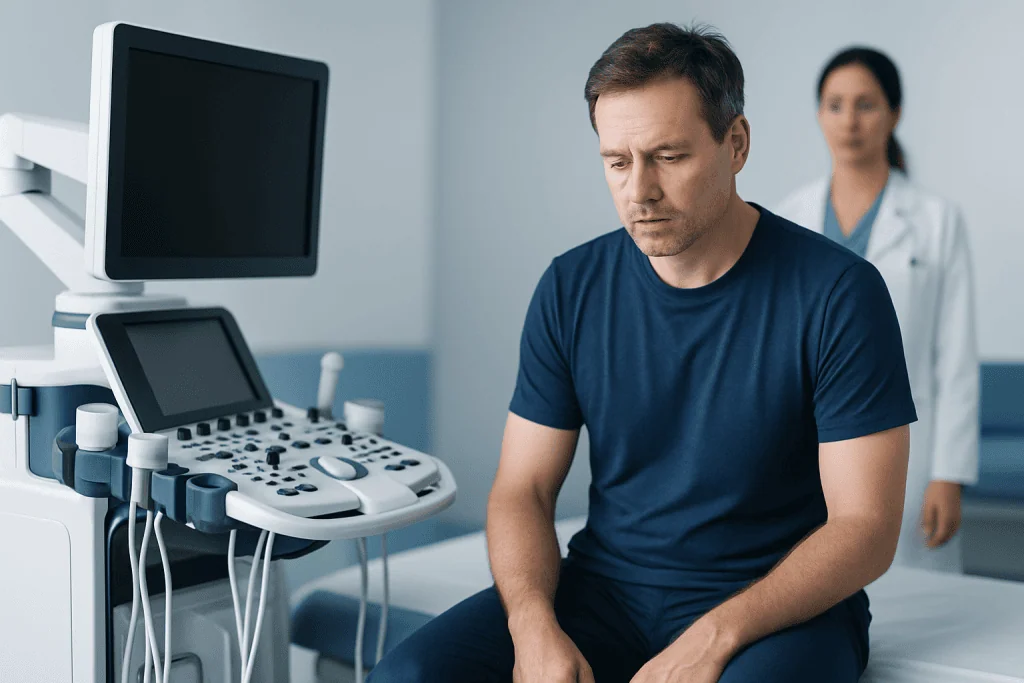
Symptoms vary depending on which hormone is affected, how severe the imbalance is, and how long it has been present. In some men, changes are subtle and develop slowly. In others, symptoms are more noticeable and may begin to interfere with daily life, relationships, work performance, or physical health.
Possible symptoms include tiredness, low stamina, reduced libido, erectile difficulties, depressed mood, irritability, poor concentration, sleep disturbance, loss of muscle mass, increased body fat, and difficulty maintaining motivation. Some men may notice decreased shaving frequency, reduced body hair, hot flashes, or breast tissue enlargement. If thyroid hormones are involved, symptoms may include sensitivity to cold or heat, changes in heart rate, bowel habit changes, or unexplained weight changes.
Not every symptom points to a hormone disorder. Many common concerns, such as sexual dysfunction or tiredness, can have several causes. This is why doctors look at the full symptom pattern rather than relying on a single complaint.
- Low energy or persistent fatigue
- Reduced sex drive or changes in sexual function
- Mood changes, anxiety, or low mood
- Weight gain or increased abdominal fat
- Reduced strength or loss of muscle mass
- Sleep problems, including poor-quality sleep
- Changes in body hair, skin, or breast tissue
Common Causes and Risk Factors

Hormone imbalance in men may result from problems in the testes, pituitary gland, thyroid gland, adrenal glands, pancreas, or other parts of the endocrine system. Testosterone can be low because the testes are not producing enough hormone, or because the brain signals that control testosterone production are disrupted. Thyroid disease, diabetes, obesity, chronic illness, liver or kidney disease, and pituitary disorders may also affect hormonal balance.
Lifestyle and environmental factors can play a role as well. Poor sleep, shift work, chronic stress, excess alcohol use, limited physical activity, and significant weight gain may influence hormone levels and the way the body responds to them. Certain medicines, including some opioids, steroids, and treatments for prostate conditions, may contribute to hormonal symptoms.
Risk tends to increase with advancing age, obesity, untreated sleep apnea, metabolic syndrome, and long-term medical conditions. Less commonly, tumors affecting endocrine glands can alter hormone production. Doctors may also consider conditions such as diabetes or thyroid disorders when symptoms suggest a broader endocrine problem.
How Doctors Evaluate Hormone Imbalance
Evaluation usually begins with a detailed medical history. A doctor may ask about energy level, sexual health, mood, sleep, weight change, exercise habits, fertility goals, medications, alcohol use, and any past illnesses or injuries. Family history can also be important, especially if thyroid disease, diabetes, pituitary disease, or early hormonal problems run in the family.
A physical examination may include assessment of body composition, blood pressure, body hair pattern, breast tissue, testicular size, and signs of thyroid or metabolic disease. The doctor may also look for clues to non-hormonal causes of symptoms, such as cardiovascular disease, depression, or sleep-related breathing problems.
Blood testing is often done in a targeted way based on symptoms and exam findings. Depending on the situation, testing may include morning testosterone, free or calculated testosterone, luteinizing hormone, follicle-stimulating hormone, prolactin, thyroid function tests, blood sugar, HbA1c, and lipid profile. In selected cases, men may need imaging studies such as MRI scanning if a pituitary problem is suspected, or additional endocrine assessment through a comprehensive medical check-up.
Because hormone levels can vary during the day and from one measurement to another, abnormal results are often confirmed with repeat testing. This helps reduce the chance of misdiagnosis and supports treatment decisions that are safer and more precise.
Treatment Options
Treatment depends on the underlying cause, not just the symptom list. If tests show a specific endocrine disorder, management is directed at that condition. For example, thyroid disease is treated differently from low testosterone, and both are managed differently from insulin resistance or a pituitary abnormality.
When low testosterone is confirmed and the clinical picture supports it, doctors may discuss testosterone replacement therapy for appropriate patients. However, this is not suitable for everyone, especially men with certain prostate, fertility, or blood-related concerns. Treatment decisions are individualized, and follow-up is important to monitor benefits and possible side effects.
In some cases, treating related conditions improves hormone balance without direct hormone replacement. Weight management, treatment of sleep apnea, better diabetes control, medication review, and stress reduction can all make a meaningful difference. Men with sexual symptoms may sometimes benefit from evaluation in urology care, especially when urinary, fertility, or erectile issues are also present.
If a structural cause is found, such as a pituitary lesion, treatment may involve endocrinology, imaging, medication, or surgery depending on the diagnosis. A coordinated approach is often helpful because hormone symptoms can affect several body systems at once.
Prevention and Self-care
Not every hormone disorder can be prevented, but healthy habits can support hormone regulation and improve symptoms. Regular physical activity, strength training, balanced nutrition, and maintaining a healthy weight are central steps. Quality sleep is especially important because poor sleep can affect testosterone, cortisol, appetite regulation, and insulin sensitivity.
Limiting excess alcohol, avoiding anabolic steroids unless prescribed, and reviewing medications with a doctor may also help. Men who snore loudly, wake unrefreshed, or feel sleepy during the day should ask about sleep apnea, since untreated sleep apnea can worsen fatigue and hormone-related symptoms.
Self-care should not replace medical evaluation when symptoms persist. Over-the-counter supplements marketed for “testosterone boosting” or hormone balancing may not be well studied, and some can interact with medicines or contain unlisted ingredients. It is safer to discuss supplements and lifestyle plans with a qualified clinician before starting them.
When to See a Doctor
It is reasonable to seek medical advice if symptoms last for several weeks, are getting worse, or are affecting quality of life. Examples include ongoing fatigue, low libido, erectile difficulties, mood changes, unexplained weight gain, reduced muscle strength, or problems with fertility. Early assessment can help identify a treatable cause and may prevent complications related to untreated endocrine disease.
More urgent evaluation is needed if symptoms are sudden, severe, or accompanied by warning signs such as severe headache, vision changes, fainting, chest pain, marked weakness, or significant swelling. These symptoms do not always mean a hormone problem, but they should be assessed promptly.
Persistent symptoms should not be dismissed as “just aging.” Many issues that look like normal aging may have a medical explanation. Near the end of evaluation or treatment planning, some patients may benefit from a multidisciplinary center; Acibadem International’s JCI-accredited hospitals care for international patients with support from endocrinology, internal medicine, radiology, and related specialties.
Frequently asked questions
What is the most common hormone imbalance in men?
Low testosterone is one of the most commonly discussed hormonal issues in men, but it is not the only one. Thyroid disorders, insulin resistance, and elevated prolactin can also cause important symptoms.
Can stress cause hormone imbalance in men?
Chronic stress can affect hormones such as cortisol and may indirectly influence sleep, appetite, weight, and sexual health. Stress alone may not explain every symptom, but it can contribute to or worsen hormonal problems.
Does aging always cause low testosterone?
Testosterone levels may change gradually with age, but not every older man develops clinically significant low testosterone. Symptoms should be evaluated in context, because many age-related complaints may have other treatable causes.
How is hormone imbalance in men diagnosed?
Doctors usually combine symptom review, medical history, physical examination, and blood tests. Because hormone levels can vary, repeat testing is often needed to confirm an abnormal result before treatment is considered.
Can weight gain be a sign of hormone imbalance?
Yes, weight gain, especially around the abdomen, can be associated with hormonal changes such as low testosterone, thyroid problems, or insulin resistance. At the same time, weight gain itself can worsen hormone regulation, so evaluation should look at both directions of the problem.
Should men take testosterone supplements on their own?
Self-treatment is not recommended. Testosterone therapy is appropriate only in selected cases after proper medical evaluation, and unsupervised use can delay diagnosis or cause side effects.
References
- Endocrine Society
- National Institute of Diabetes and Digestive and Kidney Diseases
- American Urological Association
- National Institutes of Health
- Mayo Clinic
This article is for general information only and is not a substitute for professional medical advice. Please consult a qualified doctor about your individual situation.
Medical weight-loss options in Turkey — costs & eligibility
JCI-accredited · board-certified surgeons · reply within 24h
Add us as a Preferred Source to see more of our trusted health content across Google Search, AI Overviews and Discover.
Check your numbers in seconds
BMI, calories, due date, blood pressure and 30+ more clinical calculators — free, instant, doctor-reviewed ranges.

More from the Health Library



Related Specialists

Dr. İbrahim Keskin
Emergency Service
Prof. Dr. Tevfik Rifki Evrenkaya
Internal Medicine
Assoc. Prof. Dr. Ali Titiz
Otorhinolaryngology
Dr. Nesibe Sönmez Demiryoğuran
Emergency Service