Hormone Replacement Therapy: How It Works, Recovery, and What to Expect

Hormone replacement therapy works by restoring hormone levels that have fallen, usually estrogen alone or estrogen with progesterone. It may help with hot flashes, night sweats, vaginal dryness, sleep disturbance, and menopause-related quality-of-life concerns.
Key Takeaways
- Hormone replacement therapy works by restoring hormone levels that have fallen, usually estrogen alone or estrogen with progesterone.
- It may help with hot flashes, night sweats, vaginal dryness, sleep disturbance, and menopause-related quality-of-life concerns.
- Candidacy depends on symptoms, age, time since menopause, personal and family history, and the presence or absence of a uterus.
- Treatment is individualized and may be taken as pills, patches, gels, sprays, rings, or local vaginal preparations.
- Benefits and risks should be reviewed regularly, and ongoing follow-up is an important part of safe care.
Hormone replacement therapy is a medical treatment that adds back hormones the body is no longer making in adequate amounts, most often to relieve menopause symptoms and protect long-term health in selected patients. It is not a one-size-fits-all treatment; doctors tailor the type, dose, route, and follow-up plan to each person’s symptoms, age, medical history, and goals.
Overview: what hormone replacement therapy does
Hormone replacement therapy is a treatment used to replace hormones that the body produces in lower amounts, most commonly during the menopause transition and after menopause. In practical terms, it helps reduce symptoms caused by falling estrogen levels, such as hot flashes, night sweats, sleep disruption, mood changes, and vaginal dryness. For some patients, it may also help support bone health and reduce the risk of osteoporosis-related bone loss.
Most hormone replacement therapy uses estrogen, either by itself or together with progesterone or a progesterone-like medication called a progestogen. Estrogen is the main hormone used to relieve menopause symptoms. If a patient still has a uterus, progesterone is usually added to help protect the lining of the uterus from overgrowth. If the uterus has been removed, estrogen alone may be appropriate in many cases.
Although many people associate hormone replacement therapy only with menopause, hormone therapy may also be considered in other situations, such as premature ovarian insufficiency or early menopause, where replacing hormones may be important until the natural age of menopause unless there is a medical reason not to do so. Evaluation by a qualified specialist is important to confirm the cause of symptoms and choose the safest treatment plan.
How hormone replacement therapy works
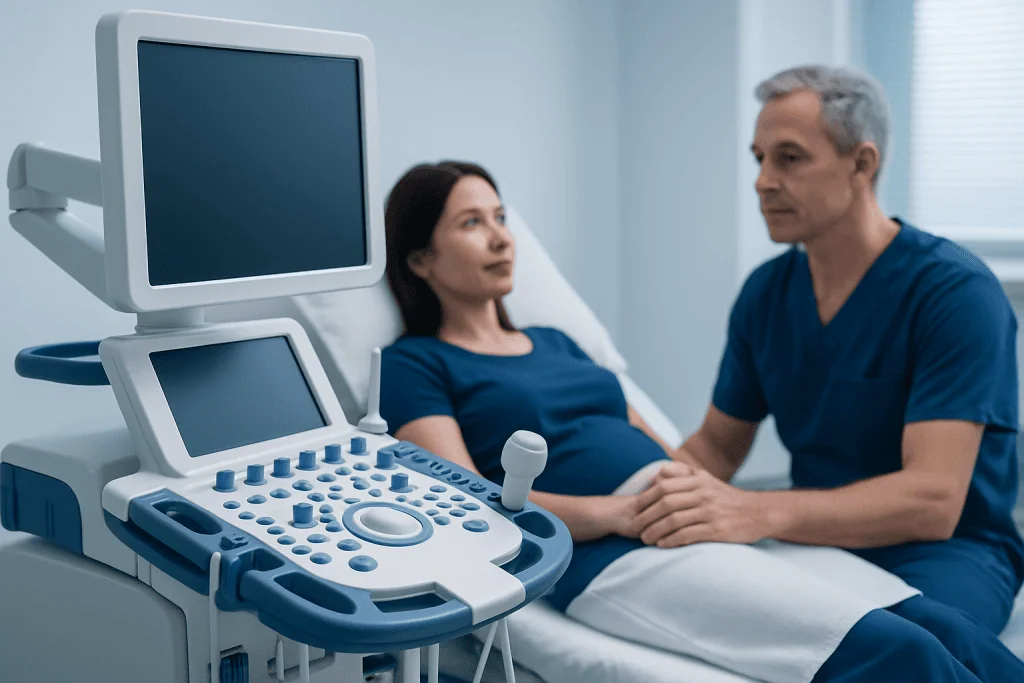
Hormone replacement therapy works by supplying hormones in amounts designed to reduce symptoms linked to hormone decline. Estrogen affects many tissues throughout the body, including the brain, skin, bones, vagina, urinary tract, and blood vessels. When estrogen levels fall, the body may respond with temperature regulation problems, sleep disturbance, genital and urinary symptoms, and gradual bone loss. Replacing estrogen can help stabilize these effects.
The treatment can be delivered in different ways. Systemic therapy circulates through the bloodstream and is used when symptoms affect the whole body, such as hot flashes and night sweats. It may come as tablets, skin patches, gels, sprays, or sometimes implants, depending on local practice and the individual case. Local vaginal estrogen works mainly in vaginal and urinary tissues and is often used when symptoms are limited to dryness, discomfort, or recurrent urinary irritation.
If progesterone is needed, it is added to reduce the risk of estrogen-related thickening of the uterine lining. Doctors also consider how the medicine enters the body. For example, skin-based options may be preferred in some patients because they avoid first-pass metabolism in the liver. The best route depends on symptoms, convenience, risk factors, and patient preference, which is why a personalized plan matters.
Who may be a candidate for HRT

Good candidates for hormone replacement therapy are typically people with moderate to severe menopause symptoms that affect daily life, sleep, work, or overall wellbeing. It may also be considered for those with early menopause or premature ovarian insufficiency, because hormone loss at a younger age can affect bone, heart, and sexual health over time. The decision is based on a careful balance of expected benefits and possible risks.
Doctors usually review age, how long it has been since menopause, whether the patient still has a uterus, and personal risk factors such as a history of blood clots, stroke, certain liver conditions, unexplained vaginal bleeding, or hormone-sensitive cancers. Family history is also relevant, but it does not automatically rule out treatment. In many cases, the goal is to use the lowest effective dose for the shortest duration that continues to meet the patient’s needs, while reassessing regularly.
A specialist may also explore whether symptoms could have another cause. For example, thyroid problems, sleep disorders, depression, and some medications can mimic or worsen menopause symptoms. In selected patients, evaluation may involve endocrine testing or gynecologic assessment. Where appropriate, patients may benefit from broader review by teams experienced in menopause and endocrinology and metabolic care.
What happens before and during treatment
Hormone replacement therapy is not usually a single procedure done in one day. Instead, it begins with an assessment and then a step-by-step treatment plan. At the first visit, the clinician asks about symptoms, menstrual history, sleep, mood, sexual health, and any previous health conditions. Blood pressure, weight, and in some cases breast and pelvic history are reviewed. Depending on age and symptoms, the doctor may recommend screening tests or targeted investigations before starting.
Once hormone therapy is considered appropriate, the doctor explains the available formulations and helps choose the one that best fits the patient’s situation. The presence of a uterus determines whether progesterone is needed. Local symptoms such as dryness or painful intercourse may be treated with vaginal estrogen alone, while whole-body symptoms often need systemic therapy. The doctor also discusses expected benefits, possible side effects, warning signs, and how soon improvement may occur.
After treatment starts, follow-up is part of the process. Many patients are reviewed within a few months to check symptom control, side effects, and whether dose adjustments are needed. Ongoing care may include periodic breast screening, evaluation of bleeding patterns, and monitoring of cardiovascular or bone health where relevant. Patients seeking structured guidance may also be assessed through services such as gynecology and women’s health programs.
Benefits, risks, and possible side effects
The main benefit of hormone replacement therapy is relief from troublesome menopause symptoms. Many patients notice fewer hot flashes and night sweats, better sleep, and improved daily comfort. It can also help with vaginal dryness, urinary discomfort, and pain during sex when appropriate formulations are used. In selected patients, it supports bone density and may lower the risk of fractures related to osteoporosis.
Like any medical treatment, hormone replacement therapy also has risks and side effects, and these vary by age, health history, type of hormone, dose, and route of use. Possible side effects can include breast tenderness, bloating, nausea, headaches, mood changes, and irregular bleeding, especially during the early months. Many of these effects improve after adjustment or with time, but persistent symptoms should be reviewed by a doctor.
More serious risks may include blood clots, stroke, gallbladder problems, or effects on breast and uterine health in some patients. Risk is not the same for everyone, and it may differ between oral and transdermal therapy. That is why the decision to start hormone replacement therapy should be individualized, with regular reassessment rather than a one-time choice. A balanced discussion helps patients understand both what the treatment can do and what it cannot do.
Recovery timeline and what to expect after starting HRT
Recovery with hormone replacement therapy usually means adjusting to treatment rather than recovering from surgery. Most patients begin treatment at home and continue normal daily activities. Some notice improvement in hot flashes, night sweats, or sleep within a few weeks, while other changes, such as improvement in vaginal symptoms or overall quality of life, may take longer. The timeline varies from person to person.
During the first weeks or months, mild side effects can occur as the body adapts. Spotting or irregular bleeding may happen with some combined regimens, particularly early on. Breast tenderness, bloating, or headaches can also occur. If these symptoms are troublesome or continue, the doctor may adjust the dose, switch the formulation, or recommend a different route of treatment.
Follow-up is important because hormone replacement therapy is a dynamic treatment plan. The aim is to find symptom relief with the lowest effective dose and to review whether treatment is still needed over time. Patients should keep track of symptom changes, bleeding, headaches, or new health issues and report them at review visits. Near the end of the care pathway, some patients may choose specialist follow-up at centers such as Acibadem International, where multidisciplinary specialists in JCI-accredited hospitals evaluate and treat hormone-related conditions for international patients.
Self-care, alternatives, and when to seek medical care
Self-care can complement hormone replacement therapy and, for some people, may be enough when symptoms are mild. Helpful measures include dressing in layers, keeping the bedroom cool, limiting smoking, maintaining a healthy weight, staying physically active, and reducing common hot-flash triggers such as alcohol or very spicy foods if these seem to worsen symptoms. Good sleep habits, pelvic floor support, and regular weight-bearing exercise can also contribute to long-term wellbeing.
Not everyone can or wants to use hormone therapy. In those situations, doctors may discuss nonhormonal options for vasomotor symptoms, vaginal moisturizers or lubricants for dryness, and bone-health strategies including nutrition and exercise. The best alternative depends on the symptom pattern and the patient’s medical history. Specialist review is especially useful when symptoms are complex or when there are concerns about safety.
Medical care should be sought promptly for unexplained vaginal bleeding, chest pain, shortness of breath, severe headache, sudden leg swelling, new weakness, or speech difficulty while using hormone therapy. Patients should also arrange a medical review if symptoms are not improving, side effects are difficult to tolerate, or there are questions about stopping treatment. Ongoing care may overlap with evaluation for related concerns such as osteoporosis in patients at risk of bone loss.
Frequently asked questions
Is hormone replacement therapy the same for everyone?
No. Hormone replacement therapy is tailored to the individual based on symptoms, age, time since menopause, medical history, and whether the uterus is present. The type of hormone, dose, and route of treatment can all differ from one patient to another.
How long does it take for hormone replacement therapy to work?
Some symptoms, especially hot flashes and night sweats, may improve within a few weeks. Other benefits, such as vaginal comfort or overall adjustment, may take longer. Follow-up helps the doctor assess whether the current plan is working well enough.
Does hormone replacement therapy cause weight gain?
Weight changes during midlife are common, but hormone replacement therapy itself is not considered a direct cause of significant weight gain in most patients. Menopause, aging, sleep changes, and lifestyle factors often play a larger role. If weight changes are concerning, a doctor can review broader hormonal and metabolic factors.
Can someone still use hormone replacement therapy if they have only vaginal symptoms?
Yes. If symptoms are limited to vaginal dryness, discomfort, or urinary irritation, local vaginal estrogen may be enough in many cases. This type of treatment acts mainly in local tissues and is different from systemic therapy used for whole-body symptoms.
Is bleeding normal after starting HRT?
Some spotting or irregular bleeding can happen in the early months, depending on the regimen used. However, persistent, heavy, or unexplained bleeding should always be evaluated by a doctor. It is important not to assume that all bleeding is harmless.
Who should avoid hormone replacement therapy?
Some patients may not be suitable candidates, such as those with certain hormone-sensitive cancers, unexplained vaginal bleeding, a history of blood clots, stroke, or serious liver disease. This does not replace medical assessment, because the exact level of risk varies. A doctor can help determine whether HRT is appropriate or whether another option is safer.
References
- North American Menopause Society
- American College of Obstetricians and Gynecologists
- National Institute for Health and Care Excellence
- Endocrine Society
- World Health Organization
This article is for general information only and is not a substitute for professional medical advice. Please consult a qualified doctor about your individual situation.
Explore treatments in Turkey — costs, top hospitals & a free quote
JCI-accredited · board-certified surgeons · reply within 24h
Add us as a Preferred Source to see more of our trusted health content across Google Search, AI Overviews and Discover.
Check your numbers in seconds
BMI, calories, due date, blood pressure and 30+ more clinical calculators — free, instant, doctor-reviewed ranges.