Hormone Therapy for Men: Early Signs, Risk Factors, and How It Is Treated

Hormone therapy for men is most often used to treat medically confirmed low testosterone. Common early signs include low sex drive, fatigue, reduced muscle mass, mood changes, and fewer morning erections.
Key Takeaways
- Hormone therapy for men is most often used to treat medically confirmed low testosterone.
- Common early signs include low sex drive, fatigue, reduced muscle mass, mood changes, and fewer morning erections.
- Diagnosis requires symptoms plus blood testing, not symptoms alone.
- Treatment options include gels, injections, patches, and other doctor-guided approaches with regular monitoring.
- Hormone therapy is not right for every man and may be avoided or delayed in some health conditions.
- Healthy sleep, weight management, exercise, and treatment of underlying illness can support hormone health.
Hormone therapy for men usually refers to treatment for confirmed low testosterone when symptoms and blood tests both suggest a hormone deficiency. It is not a routine anti-aging treatment, and safe care begins with finding the cause, checking for risks, and choosing the most appropriate form of therapy.
Overview: what hormone therapy for men means
Hormone therapy for men usually means testosterone replacement therapy, a medical treatment used when a man has symptoms of low testosterone and blood tests confirm that testosterone levels are low. The goal is to improve symptoms such as low energy, reduced sexual desire, mood changes, and loss of muscle mass while addressing the cause of the hormone problem whenever possible.
This treatment is not simply based on age or general tiredness. Testosterone can decline for many reasons, including pituitary disorders, testicular problems, obesity, certain medications, chronic illness, or poor sleep. Because several common conditions can look like low testosterone, careful evaluation is important before starting treatment.
Men may hear hormone treatment discussed alongside topics such as sexual health, fertility, and aging. In practice, doctors look at the full picture: symptoms, repeat morning blood tests, medical history, and long-term health goals. Some men benefit from treatment, while others may do better by treating an underlying condition first.
Early signs and symptoms to watch for
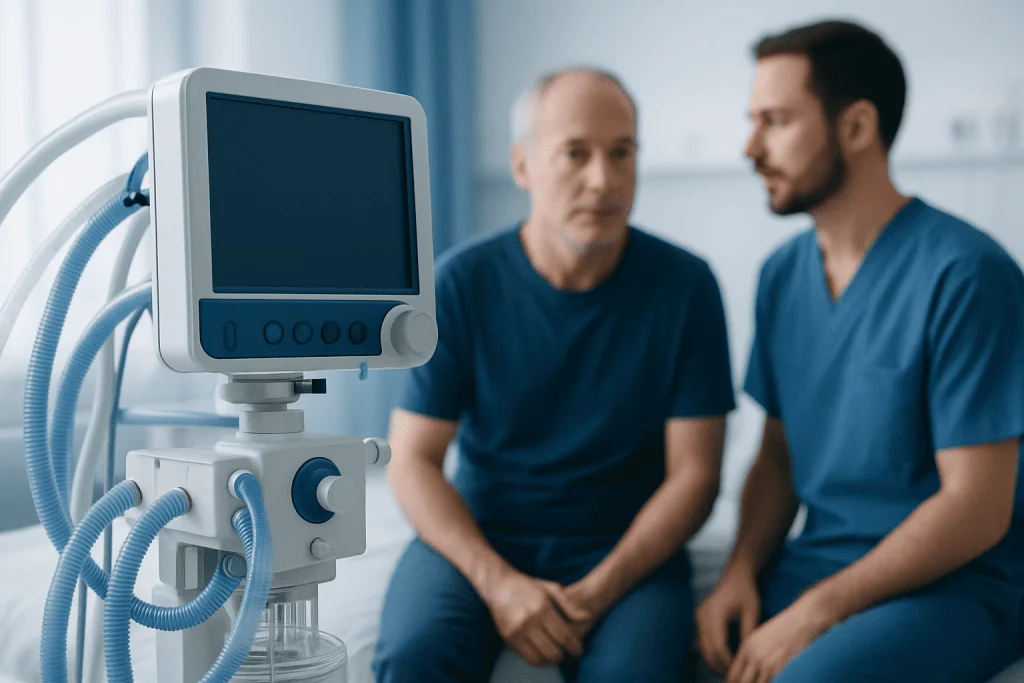
The symptoms that lead men to seek hormone evaluation are often subtle at first. Early signs can include low sex drive, fewer spontaneous or morning erections, reduced stamina, difficulty concentrating, irritability, or a general sense of reduced well-being. Some men also notice slower recovery after exercise or a gradual decline in physical strength.
Over time, low testosterone may contribute to reduced muscle mass, increased body fat, sleep disturbance, low mood, and decreased bone strength. Sexual symptoms are common, but they are not the only clue. In some cases, symptoms overlap with other concerns such as stress, depression, thyroid disease, or erectile dysfunction.
Symptoms alone do not confirm a hormone deficiency. For example, fatigue can result from poor sleep, anemia, chronic illness, alcohol use, medication side effects, or untreated sleep apnea. That is why doctors usually combine symptom review with physical examination and laboratory testing before discussing hormone therapy for men.
- Low libido or reduced sexual interest
- Fatigue or reduced physical endurance
- Fewer morning erections
- Lower mood or irritability
- Reduced muscle mass or strength
- Weight gain, especially around the abdomen
- Difficulty with focus or memory
Causes and risk factors

Low testosterone can develop when the testicles do not produce enough testosterone or when the brain signals that control hormone production are disrupted. Doctors often describe these broad patterns as primary and secondary hypogonadism. Primary causes involve the testicles themselves, while secondary causes involve the pituitary gland or hypothalamus.
Risk factors include increasing age, obesity, type 2 diabetes, metabolic syndrome, chronic kidney or liver disease, HIV infection, sleep apnea, and long-term use of certain medicines such as opioids or corticosteroids. Heavy alcohol use, severe stress, and poor sleep can also affect hormone balance. In some men, previous chemotherapy, testicular injury, or genetic conditions contribute to the problem.
Fertility planning is an especially important consideration. Standard testosterone replacement can lower sperm production, so men who wish to father children should discuss this before treatment begins. A doctor may recommend further assessment of the reproductive system or referral for fertility evaluation and treatment when family planning is part of the conversation.
How doctors diagnose low testosterone
Diagnosis starts with a detailed conversation about symptoms, medications, past illnesses, sleep, fertility goals, and sexual health. A physical exam may assess body hair, breast tissue, testicular size, body composition, and blood pressure. Because testosterone levels change during the day, testing is usually done in the morning and often repeated on a different day to confirm the result.
Doctors do not rely on one number alone. They may measure total testosterone and, in some cases, free testosterone, especially when conditions such as obesity or changes in hormone-binding proteins may affect interpretation. Additional blood tests can help identify the cause, including luteinizing hormone, follicle-stimulating hormone, prolactin, thyroid tests, blood sugar, and blood counts.
If symptoms include reduced libido, erection problems, or other urologic concerns, the evaluation may overlap with broader urology assessment and care. Some men also need bone health review, sleep evaluation for apnea, or pituitary imaging if a central hormone disorder is suspected. The aim is to confirm whether hormone therapy for men is appropriate and safe, not to start treatment based on symptoms alone.
Treatment options and how therapy is monitored
When low testosterone is confirmed and treatment is considered appropriate, doctors may recommend testosterone in forms such as skin gels, patches, injections, or other preparations depending on local practice and the patient’s needs. The best option depends on lifestyle, convenience, cost considerations in the local setting, skin sensitivity, and how steadily testosterone levels need to be maintained.
Follow-up is a key part of safe treatment. Regular monitoring may include repeat testosterone levels, blood counts, liver-related review when relevant, and checks for side effects or changes in symptoms. Doctors may also monitor prostate-related health according to age, history, and guideline-based recommendations. The dose or delivery method may be adjusted over time to improve benefit and reduce risk.
Hormone therapy is not suitable for everyone. It may need to be avoided, delayed, or used with extra caution in men with untreated severe sleep apnea, certain prostate or breast conditions, uncontrolled heart-related concerns, elevated red blood cell counts, or active fertility plans. In some cases, treating the underlying cause of the hormone problem can be as important as the hormone treatment itself.
For men whose symptoms also involve sexual function, coordinated care may include evaluation for erectile dysfunction treatment alongside hormone management. Near the end of the care pathway, some patients may choose specialist assessment at centers such as Acibadem International, where multidisciplinary teams in JCI-accredited hospitals evaluate and treat hormone-related conditions for international patients.
Benefits, limitations, and possible side effects
Men who are good candidates for treatment may notice improved sexual desire, better energy, improved mood, and increased muscle mass over time. Some also report better exercise tolerance or improved sense of well-being. However, response varies, and not every symptom is caused by low testosterone. If tiredness or mood changes continue despite normal hormone levels, another explanation may need attention.
Possible side effects depend on the treatment type and the individual. These can include acne, oily skin, fluid retention, breast tenderness, testicular shrinkage, reduced sperm production, or an increase in red blood cell count. Skin products may carry a transfer risk to others if used incorrectly, so patients need clear instructions on application and hygiene.
Men should also understand the limits of therapy. Testosterone is not a substitute for healthy sleep, exercise, weight control, treatment of depression, or management of chronic disease. A balanced plan often works best: medical treatment when indicated, plus lifestyle steps that support heart, bone, and metabolic health.
Self-care and ways to support hormone health
Not every man with symptoms will need hormone treatment, and supportive lifestyle changes can make a meaningful difference. Weight management is especially important because excess body fat can affect hormone balance. Resistance exercise, regular aerobic activity, and adequate protein intake may help support muscle health and overall well-being.
Sleep is another major factor. Poor sleep and obstructive sleep apnea can reduce testosterone levels and worsen fatigue, concentration problems, and libido. Men who snore loudly, wake unrefreshed, or feel sleepy during the day should discuss this with a doctor, since treating sleep problems may improve symptoms even before hormone therapy is considered.
Other useful steps include limiting excess alcohol, reviewing medications with a healthcare professional, managing diabetes or thyroid problems, and addressing stress or depression. When symptoms are persistent, self-care should complement rather than replace medical assessment. A doctor can help determine whether the issue is low testosterone, another hormone disorder, or a different health condition entirely.
When to seek medical care
Medical advice is appropriate when symptoms such as low libido, unusual fatigue, reduced erections, mood changes, or loss of muscle strength persist for several weeks or interfere with daily life. A doctor should also be consulted if symptoms appear together with infertility concerns, breast enlargement, unexplained weight change, or signs of another endocrine problem.
Prompt evaluation is especially important if there are headaches, vision changes, testicular pain, major mood symptoms, or possible sleep apnea. These may point to an underlying condition that needs attention beyond hormone therapy for men. Men should not start testosterone or similar products without professional evaluation, as inappropriate use can delay diagnosis and create avoidable risks.
If testosterone therapy is already underway, follow-up appointments should not be skipped. New swelling, shortness of breath, worsening urinary symptoms, severe acne, or other concerning changes deserve medical review. Ongoing care helps ensure treatment remains safe, effective, and aligned with long-term health goals.
Frequently asked questions
What is hormone therapy for men usually used for?
Hormone therapy for men is most commonly used to treat confirmed low testosterone. Doctors usually recommend it only when a man has relevant symptoms and repeat blood tests show low levels.
What are the earliest signs that a man may need hormone evaluation?
Early signs can include low sex drive, fatigue, fewer morning erections, reduced exercise tolerance, mood changes, and difficulty concentrating. These symptoms are not specific, so testing is needed to find out whether low testosterone is truly the cause.
Can a man start testosterone therapy based on symptoms alone?
No. Symptoms by themselves are not enough because many common health problems can look similar to low testosterone. Safe treatment starts with medical assessment and properly timed blood tests, often repeated to confirm the diagnosis.
Does testosterone therapy affect fertility?
Yes, it can. Standard testosterone replacement may reduce sperm production and can make it harder to conceive while treatment is ongoing. Men who want children should discuss fertility goals with a doctor before starting therapy.
How long does it take for hormone therapy for men to work?
Some symptoms, such as sexual desire or energy, may begin to improve within weeks, while changes in muscle mass or body composition can take longer. Response varies from person to person, and regular follow-up helps doctors judge whether treatment is helping.
Are there risks or side effects with testosterone treatment?
There can be. Possible side effects include acne, fluid retention, reduced sperm production, breast tenderness, and an increase in red blood cell count. That is why ongoing monitoring is a standard part of treatment.
Can lifestyle changes improve low testosterone symptoms?
In some men, yes. Better sleep, weight loss, exercise, treatment of sleep apnea, and good control of chronic conditions can improve symptoms and sometimes support healthier hormone levels. Even when medical treatment is needed, lifestyle measures remain an important part of care.
References
- Endocrine Society
- American Urological Association
- National Institute of Diabetes and Digestive and Kidney Diseases
- National Health Service
- Mayo Clinic
This article is for general information only and is not a substitute for professional medical advice. Please consult a qualified doctor about your individual situation.
Hormone Therapy in Turkey — costs, top hospitals & a free quote
JCI-accredited · board-certified surgeons · reply within 24h
Add us as a Preferred Source to see more of our trusted health content across Google Search, AI Overviews and Discover.
Check your numbers in seconds
BMI, calories, due date, blood pressure and 30+ more clinical calculators — free, instant, doctor-reviewed ranges.

Medical Oncology Department
Medical treatment of cancer with chemotherapy, immunotherapy and targeted therapies under a multidisciplinary tumor board.
60 specialists in this unit