How Do I Get Rid of a Spot Quickly? Here Is What the Evidence Says

A new spot is commonly a pimple, blocked pore, or mild inflamed hair follicle rather than a serious problem. Fastest evidence-based self-care usually includes gentle cleansing and a spot treatment containing benzoyl peroxide or salicylic acid.
Key Takeaways
- A new spot is commonly a pimple, blocked pore, or mild inflamed hair follicle rather than a serious problem.
- Fastest evidence-based self-care usually includes gentle cleansing and a spot treatment containing benzoyl peroxide or salicylic acid.
- Picking, squeezing, harsh scrubs, toothpaste, and undiluted home remedies can worsen inflammation and increase scarring risk.
- Medical review is important if a spot is very painful, spreading, repeatedly returning, leaving scars, or does not improve.
- Doctors diagnose persistent or unusual spots by examining the skin closely and asking about timing, triggers, and other symptoms.
Most single spots are harmless and often improve within days with simple, evidence-based skin care. The quickest safe approach is to reduce inflammation, keep the area clean, use a proven over-the-counter spot treatment, and avoid squeezing or picking.
Overview: what helps a spot quickly
If someone is asking, “how do I get rid of a spot quickly,” the most helpful short answer is this: most spots improve fastest with gentle skin care, a proven over-the-counter treatment such as benzoyl peroxide or salicylic acid, and by leaving the area alone. A single red bump is often harmless and may settle within a few days, especially if it is not squeezed or repeatedly touched.
In everyday language, a “spot” usually means a pimple, clogged pore, or small inflamed bump. These can look similar, but the quickest safe approach is often the same at first: wash gently, reduce irritation, and use one evidence-based product rather than several harsh ones together. Covering an opened or picked spot with a hydrocolloid patch may also help protect it while it heals.
There are some situations where a spot should not be treated as routine acne. Medical advice is worth seeking if the area becomes very swollen, increasingly painful, warm, drains a lot of pus, spreads quickly, affects the eye area, or comes with fever or feeling unwell. Spots that keep returning, leave scars, or do not improve may need a professional assessment to confirm whether they are acne, folliculitis, a cyst, or another skin condition.
If a doctor evaluates a persistent spot, they usually begin with a close skin examination and a short medical history. They may ask when it started, whether similar spots appear elsewhere, what skin products are being used, and whether there are triggers such as shaving, sweating, hormones, medications, or friction from masks or sports gear. This step helps guide the right treatment rather than simply trying stronger products at random.
What a “spot” might actually be
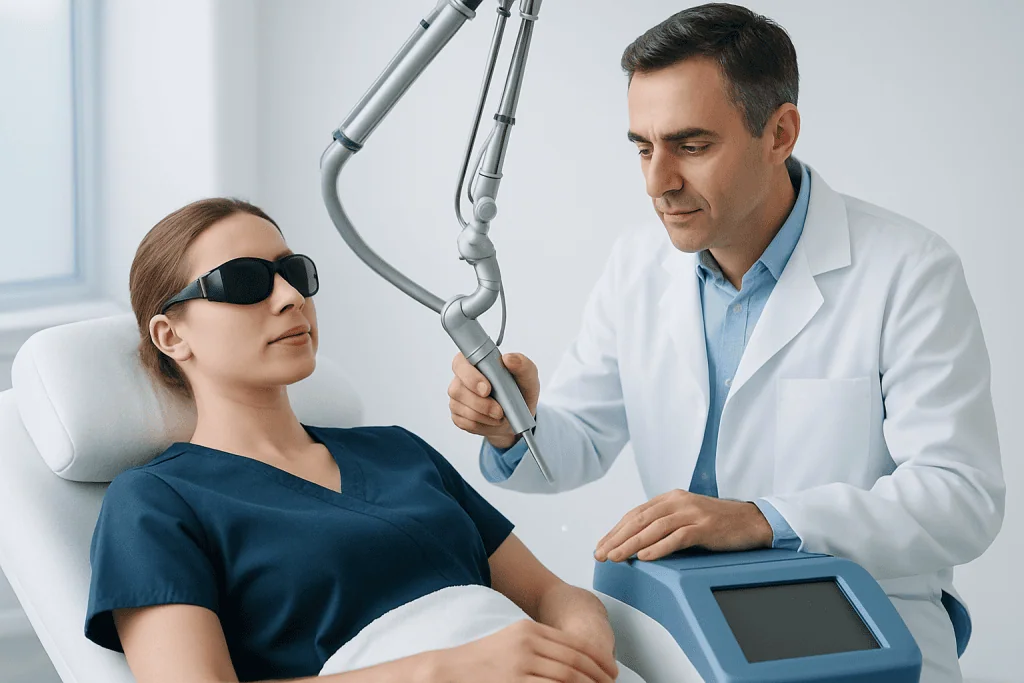
Many facial and body bumps are acne spots, but not all are the same. A blackhead or whitehead forms when pores become blocked with oil and skin cells. A red tender bump, sometimes called a papule or pustule, involves more inflammation. Deeper lumps can be slower to settle and are more likely to leave marks or scars.
Other common look-alikes include folliculitis, which is inflammation around a hair follicle, and small cysts that feel firmer under the skin. Irritation from shaving, sweating, friction, heavy cosmetics, or occlusive skin care can also create acne-like bumps. In some people, rosacea or perioral dermatitis may be mistaken for acne, but these conditions need different care and may worsen with the wrong products.
That is why speed should not come at the expense of accuracy. If the spot is repeatedly showing up in the same place, looks pearly or unusual, bleeds easily, or does not behave like a typical pimple, it may need a different diagnosis. A dermatologist can help distinguish common acne from other conditions, including acne and related inflammatory skin problems.
The quickest evidence-based steps at home

The first step is to cleanse the area gently once or twice a day with a mild, non-abrasive cleanser. This removes sweat, excess oil, and surface debris without damaging the skin barrier. Scrubbing hard does not clear a spot faster; it often increases redness and irritation, making the bump look worse for longer.
For many people, the fastest useful over-the-counter options are benzoyl peroxide or salicylic acid. Benzoyl peroxide helps reduce acne-causing bacteria and inflammation, while salicylic acid helps unclog pores. These treatments can be used as spot applications or as part of a leave-on acne product, but it is usually best to start with one active ingredient rather than layering multiple strong products at once.
A cold compress for a few minutes may help calm swelling and discomfort in a red inflamed spot. If the spot has already opened or been picked, a hydrocolloid patch can protect it from further touching and may absorb surface fluid. A non-comedogenic moisturizer can also be useful, because over-drying the skin may trigger more irritation and make treatment harder to tolerate.
Simple routines tend to work better than aggressive ones. A practical approach may include:
- Gentle cleansing morning and evening
- One proven spot treatment used as directed on the product label
- A light, non-comedogenic moisturizer if the skin feels dry
- Daily sunscreen, especially if using acne treatments that can irritate the skin
- A hydrocolloid patch for a picked or draining spot
What not to do if speed matters
Squeezing is one of the most common reasons a spot lasts longer. Pressing a pimple can force inflammation deeper into the skin, increase swelling, and raise the chance of post-inflammatory marks or scarring. Even if material comes out, the skin often becomes more irritated afterward and may look more obvious for the next several days.
Harsh DIY methods are also best avoided. Toothpaste, lemon juice, baking soda, undiluted tea tree oil, alcohol, and strong exfoliating scrubs can irritate or burn the skin. These approaches may feel active or drying, but they are not reliable quick fixes and can delay healing.
It is also helpful not to switch products too quickly. Using several acne treatments together on the same spot can lead to dryness, peeling, and redness that make the skin look worse, not better. If make-up is used to cover a spot, choosing non-comedogenic products and removing them gently at the end of the day can help avoid extra blockage.
When a doctor might recommend professional treatment
If a spot is deep, painful, or appearing before an important event, professional care may sometimes reduce it faster than home treatment alone. A dermatologist may recommend prescription topical medicines, short-term anti-inflammatory treatment, or other targeted care depending on the cause. This is particularly relevant for larger nodules, cystic acne, or repeated outbreaks.
People with frequent or scarring acne may benefit from a fuller treatment plan rather than spot care alone. Depending on the pattern and severity, this can include prescription creams, oral medications, or procedural options. In selected cases, management may involve acne treatment designed to control inflammation and prevent future marks.
Not every bump on the skin is acne, and that changes treatment choices. If the doctor suspects a cyst, inflamed follicle, or another lesion, they may advise a different pathway, including minor procedures or specialist follow-up. For example, persistent lumps under the skin can sometimes relate to conditions evaluated through dermatology care rather than standard spot products alone.
When to seek medical care
A single spot is often not urgent, but some features deserve prompt review. Medical advice is sensible if the area is rapidly enlarging, very painful, hot, intensely red, or associated with spreading swelling. A spot near the eye, a spot with fever, or one that develops after a bite, wound, or cosmetic procedure should also be assessed.
It is also reasonable to make an appointment if spots are frequent, severe, emotionally distressing, or leaving dark marks and scars. Recurrent breakouts on the face, chest, back, or jawline can reflect a pattern that needs more structured treatment. In some people, what looks like acne may actually be folliculitis, rosacea, dermatitis, or another condition that needs a different approach.
During an evaluation, a clinician usually asks about the timing of the spot, skin care products, shaving habits, menstrual or hormonal patterns, medications, family history, and previous treatments. They may examine whether there are blackheads, pustules, deeper nodules, scarring, or signs of infection. This careful assessment helps choose the safest and quickest effective management.
Prevention and longer-term skin habits
The fastest way to deal with spots in the future is often to reduce how often they form. Gentle daily cleansing, especially after sweating, can help. Non-comedogenic skin care and make-up products are less likely to block pores, and removing cosmetics before sleep is a sensible basic habit.
People who get frequent breakouts may benefit from a simple preventive routine rather than only reacting to individual spots. A clinician may suggest regular use of ingredients such as salicylic acid, benzoyl peroxide, or a retinoid, depending on skin type and acne pattern. Consistency matters, because acne prevention usually works over weeks rather than overnight.
Lifestyle factors do not explain every spot, but friction, heavy occlusive products, stress, and not showering after heavy exercise can contribute in some people. If breakouts are persistent, a doctor can help identify triggers and tailor a plan. Where needed, multidisciplinary specialists at Acibadem International and its JCI-accredited hospitals assess and treat skin concerns for international patients, including sebaceous cyst and acne-like lesions when the diagnosis is unclear.
Frequently asked questions
How do I get rid of a spot quickly overnight?
A spot may look calmer by the next day if the skin is cleansed gently, treated with a proven acne product such as benzoyl peroxide or salicylic acid, and left alone. A hydrocolloid patch can help protect an opened spot, but deep pimples often need more than one night to settle.
Is it better to pop a pimple if I want it gone fast?
Usually no. Popping can increase swelling, push inflammation deeper, and make marks or scarring more likely. If a spot is large, painful, or persistent, professional treatment is safer than squeezing it at home.
What is the fastest over-the-counter spot treatment?
Benzoyl peroxide and salicylic acid are among the best-supported over-the-counter options for acne-type spots. Which works better depends on whether the spot is mainly inflamed or mainly clogged, and some people need to try one gentle approach consistently rather than several products together.
Can ice help shrink a spot?
A brief cold compress may reduce swelling and discomfort in an inflamed spot. It does not treat the underlying blockage on its own, so it is best used as a short calming measure alongside appropriate skin care.
Why do I keep getting the same spot in the same place?
A repeatedly returning spot may be due to a deeper pore blockage, a cyst, friction, shaving-related irritation, or a skin condition that only looks like acne. If the same bump keeps returning or never fully clears, a doctor should assess it.
When should a spot be checked by a doctor?
A doctor should assess a spot that is very painful, spreading, unusually swollen, associated with fever, close to the eye, or not improving as expected. Review is also sensible for repeated breakouts, scarring, or any lesion that looks unusual or bleeds easily.
References
- American Academy of Dermatology
- National Institute for Health and Care Excellence
- Mayo Clinic
- MedlinePlus
- British Association of Dermatologists
This article is for general information only and is not a substitute for professional medical advice. Please consult a qualified doctor about your individual situation.
Explore treatments in Turkey — costs, top hospitals & a free quote
JCI-accredited · board-certified surgeons · reply within 24h
Add us as a Preferred Source to see more of our trusted health content across Google Search, AI Overviews and Discover.