How Do You Get Rid of Herpes? A Doctor-Reviewed Answer

There is currently no treatment that completely removes herpes simplex virus from the body. Prescription antiviral medicines can shorten outbreaks and may reduce recurrence and transmission risk.
Key Takeaways
- There is currently no treatment that completely removes herpes simplex virus from the body.
- Prescription antiviral medicines can shorten outbreaks and may reduce recurrence and transmission risk.
- Oral and genital herpes can be caused by HSV-1 or HSV-2, and symptoms alone cannot reliably identify the type.
- A swab test from a fresh sore is usually the best way to confirm an active herpes infection.
- Urgent medical assessment is important for eye symptoms, severe illness, pregnancy with possible genital herpes, or herpes symptoms in a newborn.
Herpes is a common viral infection that is often manageable and may cause no symptoms or only occasional outbreaks. Although the virus remains in the body, antiviral medicines and practical self-care can help control symptoms and reduce the chance of passing it to others.
Can herpes be cured or removed?
How do you get rid of herpes? There is not currently a cure that removes herpes simplex virus (HSV) from the body once infection has occurred. However, herpes is very common, and for many people it is mild, infrequent, or causes no noticeable symptoms. Prescription antiviral medicines can make outbreaks shorter and less uncomfortable and, when taken regularly, can reduce recurrences and lower the chance of transmission.
Herpes is caused by HSV-1 or HSV-2. HSV-1 most often causes oral herpes, such as cold sores around the mouth, but it can also cause genital infection through oral-genital contact. HSV-2 most commonly causes genital herpes. Either type can affect either location, so the site of symptoms does not always reveal the virus type.
After the first infection, HSV travels to nearby nerve cells, where it remains inactive between outbreaks. It may reactivate from time to time. This does not mean a person has done anything wrong, and outbreaks often become less frequent over time. Good symptom control, accurate diagnosis, and open discussion with a clinician can help people continue their usual relationships and daily activities.
What herpes symptoms can look and feel like
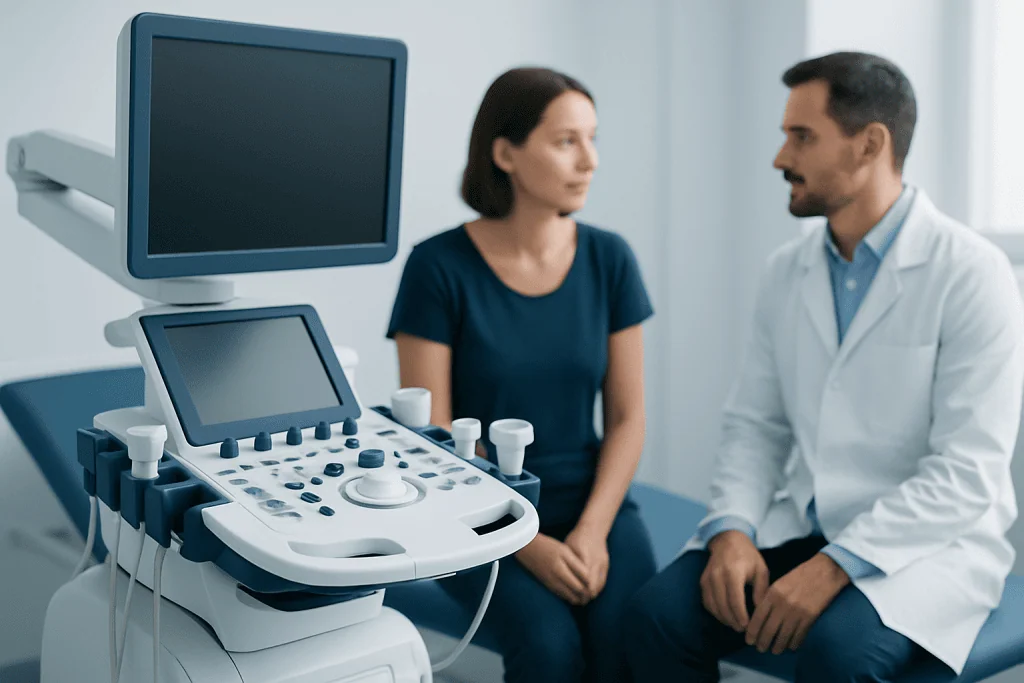
Some people never know they have herpes because symptoms can be absent, mild, or mistaken for another skin condition. When symptoms occur, they may begin with tingling, itching, burning, or tenderness in one area. Small fluid-filled blisters can then develop, break open, and form shallow painful sores before healing.
Oral herpes typically affects the lips, mouth, or nearby facial skin. Genital herpes may affect the genitals, anus, buttocks, upper thighs, or nearby skin. A first recognized episode can be more uncomfortable than later episodes and may include swollen glands, fever, body aches, or pain when passing urine. Recurrent outbreaks are often shorter and more localized.
Herpes can also be transmitted when no sores are visible because the virus may sometimes shed from the skin without symptoms. For this reason, a person should not rely only on the appearance of sores when making decisions about sexual contact or prevention. Other conditions, including ingrown hairs, fungal infections, syphilis, aphthous ulcers, and skin irritation, can resemble herpes, so testing is important when there is uncertainty.
When to seek medical care

Most cold sores and uncomplicated genital herpes outbreaks can be assessed through routine medical care. A clinician should be contacted promptly when someone develops a first episode of genital sores, has painful or frequent recurrences, or is unsure whether a rash or ulcer is herpes. Early assessment is particularly useful because antiviral treatment works best when started as soon as possible after symptoms begin.
Urgent medical care is needed for eye pain, redness, light sensitivity, blurred vision, or sores near the eye. HSV can occasionally affect the eye and needs prompt specialist treatment to protect vision. Medical review is also important for severe headache, neck stiffness, confusion, widespread skin lesions, inability to pass urine, significant dehydration, or a weakened immune system.
Pregnant people with genital sores, a new possible herpes infection, or a partner with herpes should tell their maternity team promptly. Newborn babies who develop fever, poor feeding, unusual sleepiness, irritability, blisters, or eye redness require emergency medical assessment. Herpes in newborns is uncommon but can be serious, so it should never be managed at home.
How doctors diagnose herpes
A doctor will ask about the symptoms, when they began, previous episodes, sexual contact, current medicines, and any conditions that affect immunity. They will usually examine the affected skin. If fresh blisters or sores are present, a swab from the lesion can be tested for HSV and can usually identify whether HSV-1 or HSV-2 is involved.
A swab test is most useful before lesions start healing. A negative result does not always exclude herpes, particularly if the sore is older, small, or already crusted. In some circumstances, a blood test that looks for HSV antibodies may be considered. Blood testing cannot show when infection occurred or where it is located, and it may not be reliable soon after recent exposure.
Clinicians may also recommend testing for other sexually transmitted infections, depending on symptoms and personal circumstances. This is routine, confidential care designed to identify conditions that can have similar symptoms or occur together. A clear diagnosis supports the most appropriate treatment and prevention plan.
Treatment options that help control herpes
Antiviral medicines are the main treatment for herpes. Common prescription options include acyclovir, valacyclovir, and famciclovir. They do not eliminate HSV from the body, but they interfere with viral replication. This can shorten the duration of an outbreak, lessen discomfort, and help sores heal sooner when treatment is started early.
For an initial outbreak, clinicians often prescribe a course of antiviral treatment because symptoms may last longer and be more severe. For occasional recurrences, a person may be offered episodic treatment to begin at the first sign of tingling, burning, or a new sore. People with frequent outbreaks, substantial distress, or concern about transmission may benefit from daily suppressive antiviral therapy.
Daily suppressive treatment can reduce recurrent genital herpes episodes and lower, but not remove, the risk of passing HSV to a sexual partner. The best approach depends on outbreak frequency, HSV type, personal preferences, other health conditions, pregnancy status, and medication safety. A qualified doctor should advise on the right medicine and treatment schedule rather than relying on unverified online remedies.
For discomfort, simple measures may help: keeping the area clean and dry, wearing loose clothing, using cool compresses, and taking suitable non-prescription pain relief if advised by a pharmacist or clinician. Avoid picking sores. For genital symptoms, urinating in a warm bath or pouring water over the area while urinating may reduce stinging for some people. Topical products and supplements marketed as cures should be viewed cautiously, as they do not clear HSV infection.
Reducing outbreaks and lowering transmission risk
Outbreak triggers vary from person to person. Illness, stress, friction, fatigue, sun exposure for oral herpes, and hormonal changes may be associated with recurrences in some people. Keeping a brief symptom diary may help identify personal patterns. Adequate rest, regular meals, sun protection for the lips, and stress-management strategies can support general wellbeing, although they cannot guarantee that outbreaks will not occur.
During an active outbreak or warning symptoms, avoid kissing, oral sex, genital contact, and sharing items that touch the affected area, such as lip balm, razors, or towels. Wash hands after touching a sore, and avoid touching the eyes. People with oral herpes should take extra care around newborn babies and should not kiss a baby while they have a cold sore.
Condoms and dental dams reduce the risk of herpes transmission, but they do not provide complete protection because HSV can spread from uncovered skin. Informing current or future sexual partners allows shared decisions about prevention. Daily suppressive medication, avoiding contact during symptoms, and barrier protection can be combined to reduce risk further.
- Do not have sexual contact when sores, tingling, itching, or burning are present.
- Use condoms or dental dams consistently for vaginal, anal, and oral sex where appropriate.
- Consider discussing suppressive antiviral treatment with a clinician if outbreaks are frequent or transmission is a concern.
- Wash hands carefully after applying treatment or touching an affected area.
Living well with herpes and getting support
A herpes diagnosis can bring worry, embarrassment, or concerns about relationships, even though the infection is common and manageable. It may help to remember that HSV does not define a person’s health, character, or ability to have close relationships. Factual information and a calm conversation with a healthcare professional can reduce uncertainty.
People who have recurrent symptoms should arrange follow-up if their current plan is not working, outbreaks change, or treatment causes side effects. A clinician can review the diagnosis, look for alternative explanations, discuss suppressive therapy, and address sexual health questions. People who are immunocompromised may need individualized monitoring and treatment.
Acibadem International’s multidisciplinary specialists and JCI-accredited hospitals can assess herpes symptoms, arrange appropriate testing, and discuss treatment options for international patients. The aim of care is to provide an accurate diagnosis, relieve symptoms, and support informed choices about prevention and wellbeing.
Frequently asked questions
Can herpes go away on its own?
The sores from an outbreak usually heal, often without leaving scars, but the herpes simplex virus remains in the body. It can become inactive for long periods and may reactivate later. Antiviral treatment can help outbreaks heal sooner and reduce future recurrences for some people.
Is there a permanent cure for herpes?
There is no currently available treatment that permanently removes HSV-1 or HSV-2 from the body. Antiviral medicines are effective at controlling viral activity, reducing symptoms, and lowering the chance of transmission. Research into new treatments continues, but anyone offering a guaranteed cure should be approached with caution.
How long does a herpes outbreak last?
A first recognized outbreak may last two to four weeks, while recurrent outbreaks are commonly shorter. Starting prescribed antiviral medicine early can shorten the episode. The timing varies depending on the person, the virus type, immune health, and whether treatment is used.
Can someone spread herpes without sores?
Yes. HSV can sometimes be present on the skin or mucosal surfaces without visible sores or warning symptoms, which is called asymptomatic shedding. Avoiding contact during outbreaks, using barriers, and considering daily antiviral treatment can reduce but not completely eliminate transmission risk.
Should a person tell a partner they have herpes?
Sharing this information with a current or potential sexual partner is recommended because it supports informed consent and joint prevention choices. A clinician or sexual health service can help answer questions about transmission, testing, barrier methods, and suppressive medication. Honest communication can be approached calmly and at a suitable time before sexual contact.
Can herpes affect pregnancy or a baby?
Most people with known genital herpes have healthy pregnancies with appropriate maternity care. The greatest concern is a new genital HSV infection late in pregnancy or active genital lesions around delivery, so a maternity team should be informed promptly. Newborns with possible herpes symptoms need urgent medical assessment.
This article is for general information only and is not a substitute for professional medical advice. Please consult a qualified doctor about your individual situation.
Explore treatments in Turkey — costs, top hospitals & a free quote
JCI-accredited · board-certified surgeons · reply within 24h
Add us as a Preferred Source to see more of our trusted health content across Google Search, AI Overviews and Discover.

More from the Health Library

Does Methotrexate Cause Weight Gain? Here Is What the Evidence Says

How to Whiten Teeth at Home? A Doctor-Reviewed Answer
Why Does My Foot Ache on Top? A Doctor-Reviewed Answer

How Long Does It Take to Build Muscle? Causes, Explanations, and Next Steps

How Long to Soak Chia Seeds? A Doctor-Reviewed Answer