

How to Whiten Teeth at Home? A Doctor-Reviewed Answer

Most common tooth staining is not dangerous and may improve with routine care and carefully used whitening products. Whitening toothpastes, whitening strips, and dentist-approved peroxide gels can help, but overuse may irritate gums or worsen sensitivity.
Key Takeaways
- Most common tooth staining is not dangerous and may improve with routine care and carefully used whitening products.
- Whitening toothpastes, whitening strips, and dentist-approved peroxide gels can help, but overuse may irritate gums or worsen sensitivity.
- DIY methods such as lemon juice, charcoal, or baking soda scrubs can wear down enamel and are not the safest option.
- A dentist can check whether discoloration is from surface stains, enamel wear, cavities, tartar, or other oral health problems.
- Medical review is important if discoloration is sudden, affects one tooth, or comes with pain, swelling, loose teeth, or gum bleeding.
For many people, mild tooth discoloration is harmless and can often be improved at home with careful daily hygiene and dentist-approved whitening products. The safest approach is to choose evidence-based methods, avoid abrasive DIY remedies, and seek dental advice if stains are sudden, painful, or linked with sensitivity, bleeding gums, or damaged teeth.
Overview: Can teeth be whitened at home?
For many people, the answer to how to whiten teeth at home is yes—mild yellowing or surface stains can often be improved safely with good oral hygiene and over-the-counter whitening products used as directed. Common stains from coffee, tea, red wine, tobacco, and aging are usually not a sign of illness, especially when there is no pain, swelling, or gum bleeding.
Still, not every discolored tooth should be treated with home whitening. Some color changes come from tartar buildup, enamel thinning, cavities, past injury, dental fillings, or gum disease. In those situations, whitening products may not help much and can sometimes make sensitivity worse.
A practical first step is to understand what kind of discoloration is present. Yellowing across many teeth is often linked with lifestyle habits or natural enamel wear over time, while a single dark tooth, sudden color change, or patchy white or brown spots may need dental assessment before any whitening is tried.
What causes teeth to look yellow or stained?
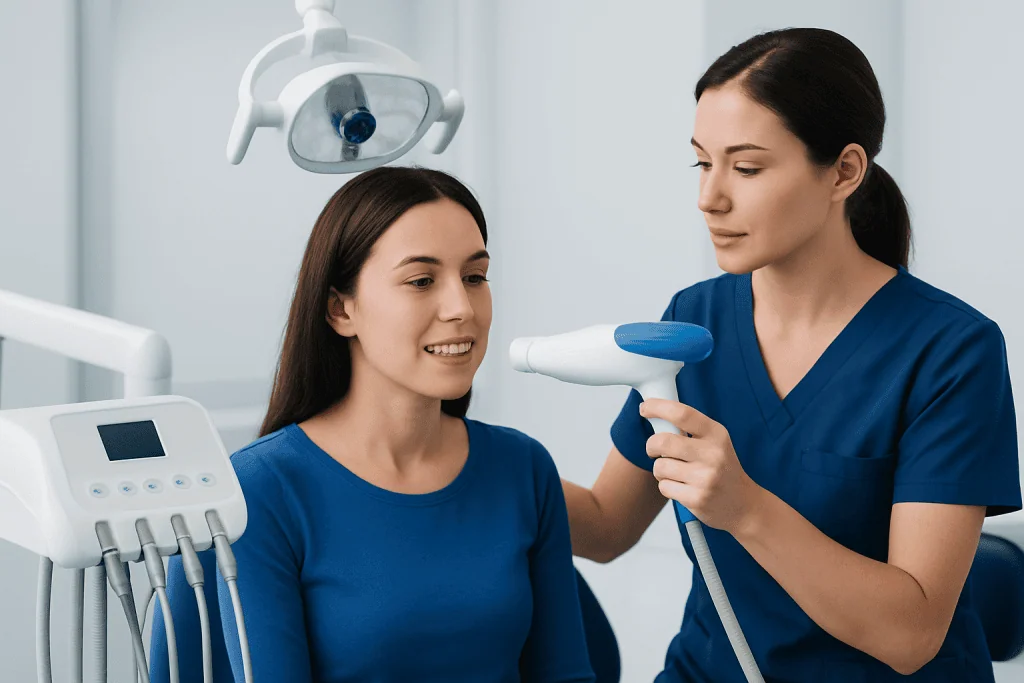
Tooth color changes usually fall into two broad groups: extrinsic stains and intrinsic discoloration. Extrinsic stains sit on the tooth surface and are commonly caused by strongly colored foods and drinks, smoking, or inadequate brushing. These stains are the most likely to respond to home care and professional cleaning.
Intrinsic discoloration develops inside the tooth or relates to the enamel itself. Aging can make teeth look darker as enamel becomes thinner and the naturally yellow dentin beneath becomes more visible. Some medicines, fluoride exposure during tooth development, trauma, and certain dental treatments may also change tooth color.
Yellow teeth do not always mean poor hygiene. Even people who brush regularly may notice gradual darkening with age or after years of consuming staining drinks. On the other hand, if discoloration is accompanied by plaque, tartar, bad breath, or gum irritation, a dental problem such as gum disease may also be contributing.
Safe ways to whiten teeth at home
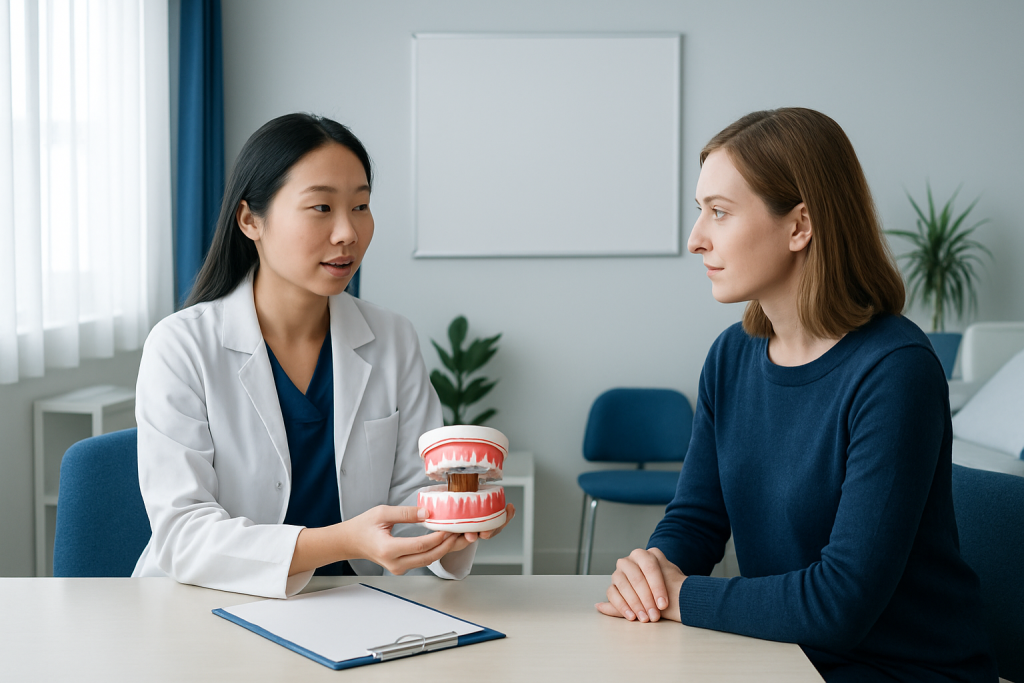
The safest home approach combines daily cleaning with a whitening method that has clear directions and ingredients commonly used in dentistry. Brushing twice a day with fluoride toothpaste, cleaning between the teeth once daily, and reducing exposure to staining drinks can make a visible difference over time. Using a straw for cold dark beverages and rinsing the mouth with water after drinking them may also help limit new stains.
Over-the-counter whitening products can be helpful when chosen carefully. Whitening toothpaste may lift some surface stains, while strips or gels often use low concentrations of peroxide to lighten the tooth surface more effectively. Results are usually gradual rather than immediate, and following package instructions matters because longer or more frequent use does not necessarily mean better or safer results.
Helpful options may include:
- Whitening toothpaste for mild surface staining
- Whitening strips used for the recommended number of days
- Dentist-approved whitening gels or trays
- Regular professional cleaning to remove plaque and tartar before starting whitening
If discoloration is more stubborn, home methods may not be enough. In that case, a dentist may discuss options such as professional teeth whitening or other cosmetic dental treatments, depending on the cause of the color change.
Home remedies to avoid or use with caution
Many online whitening tips are popular because they seem simple or inexpensive, but natural does not always mean safe for teeth. Acidic substances such as lemon juice or apple cider vinegar can soften enamel, which may make teeth look brighter briefly but can increase long-term damage and sensitivity. Once enamel is worn away, it does not grow back.
Harsh scrubbing is another common problem. Frequent use of abrasive powders, charcoal, or homemade baking soda pastes can gradually scratch the tooth surface and irritate the gums. Some people also use whitening products too often or combine several methods at the same time, which raises the risk of soreness, gum burning, or tooth sensitivity.
People with crowns, veneers, fillings, untreated cavities, exposed roots, or naturally sensitive teeth should be especially careful. Whitening products do not change the color of most restorations, so teeth may become uneven in shade. If there is a question about safety, a dentist can advise whether home whitening is appropriate or whether another option, such as dental veneers, may better address persistent cosmetic concerns.
What a doctor or dentist looks for before recommending whitening
When tooth discoloration is harmless, reassurance and simple advice are often enough. But a clinician will first look for signs that whitening may not be the right first step. Specific red flags include pain, temperature sensitivity, swollen gums, bleeding, mouth sores, bad breath that does not improve, loose teeth, a broken tooth, or one tooth that has turned gray or dark after trauma.
The diagnostic process is usually straightforward. A dentist or dental specialist asks about the timing of the color change, oral hygiene habits, diet, smoking, medicines, past dental work, and any symptoms such as pain or sensitivity. They then examine the teeth and gums to identify plaque, tartar, cavities, enamel wear, cracks, exposed roots, staining patterns, and signs of infection or inflammation.
In some cases, dental X-rays are used to assess decay, previous trauma, or problems beneath the surface. Treatment recommendations are based on the cause. Surface stains may respond to cleaning and whitening, while decay, gum disease, or damaged teeth may need care first. If a deeper structural issue is affecting appearance, treatments such as dental implant restoration or comprehensive smile design may be discussed when clinically appropriate.
How to reduce sensitivity and protect enamel
Sensitivity is one of the most common reasons people stop whitening at home. It often feels like a short, sharp discomfort with cold air, cold drinks, or sweets. This can happen when whitening products temporarily affect the tooth surface or when enamel is already thin and roots are slightly exposed.
To lower the chance of discomfort, it helps to choose a lower-strength product, use it less often, and avoid leaving it on longer than instructed. A soft toothbrush and a toothpaste made for sensitive teeth may also help. If the gums feel sore, the product may be touching the gum tissue too much or being used too frequently.
Protecting enamel matters as much as brightening the smile. Gentle brushing, fluoride use, reduced intake of sugary and acidic drinks, and regular dental care support both appearance and long-term oral health. If sensitivity is strong, persistent, or worsening, whitening should be paused and a dentist should be consulted before trying again.
When to seek medical care
Most discoloration is cosmetic, but some situations deserve timely dental evaluation rather than repeated home whitening attempts. Medical or dental care is important if a tooth changes color suddenly, if only one tooth becomes dark, or if there is pain, swelling, fever, facial tenderness, gum bleeding, pus, or trouble chewing. These features can point to decay, infection, injury, or gum disease rather than simple staining.
Care is also sensible if whitening has not helped after several weeks of proper use, if teeth are becoming increasingly sensitive, or if there are visible pits, white chalky patches, brown spots, cracks, or loose teeth. Children, pregnant individuals, and people with extensive dental work should ask a qualified clinician before using whitening agents regularly.
Specialist assessment can clarify the cause and help avoid unnecessary irritation from unsuitable products. Near the end of the care pathway, if treatment is needed, Acibadem International’s multidisciplinary specialists in JCI-accredited hospitals diagnose and treat dental and oral health conditions for international patients.
Frequently asked questions
What is the safest way to whiten teeth at home?
The safest approach is to use dentist-accepted methods such as whitening toothpaste for surface stains or over-the-counter whitening strips or gels exactly as directed. It also helps to keep up with brushing, flossing, and regular dental cleanings. If teeth are sensitive or gums are irritated, it is best to stop and ask a dentist for advice.
How long does at-home teeth whitening take to work?
Results depend on the product and the cause of the discoloration. Surface stains may begin to improve within days to a few weeks, while deeper discoloration may respond more slowly or not fully improve with home care. Gradual change is normal, and trying to speed up the process by overusing products can increase sensitivity.
Can baking soda whiten teeth safely?
Baking soda may help remove some surface stains, but frequent scrubbing can be abrasive, especially if used aggressively or in homemade mixtures. It does not whiten teeth in the same way peroxide-based products do. For many people, a commercially prepared toothpaste is a safer option.
Why are my teeth still yellow even though I brush every day?
Brushing helps remove plaque and some stains, but it cannot fully prevent all discoloration. Aging, enamel thinning, diet, smoking, genetics, certain medicines, and deeper tooth changes can all make teeth look yellow. A dentist can help tell whether the issue is surface staining or something else.
Do whitening products damage enamel?
When used as directed, approved whitening products are generally considered safe for many adults. Problems are more likely when products are overused, combined, or applied to unhealthy teeth and gums. Acidic or abrasive DIY remedies are more concerning for enamel wear than properly used standard whitening products.
When should someone avoid whitening teeth at home?
Home whitening should be postponed if there are untreated cavities, gum inflammation, mouth sores, broken teeth, strong sensitivity, or unexplained discoloration in a single tooth. People with many crowns, veneers, or fillings may also get uneven results. A dental exam first is the safest choice in these situations.
References
- American Dental Association
- National Institute of Dental and Craniofacial Research
- Mayo Clinic
- Cleveland Clinic
This article is for general information only and is not a substitute for professional medical advice. Please consult a qualified doctor about your individual situation.
Explore treatments in Turkey — costs, top hospitals & a free quote
JCI-accredited · board-certified surgeons · reply within 24h
Add us as a Preferred Source to see more of our trusted health content across Google Search, AI Overviews and Discover.

More from the Health Library



Related Specialists

Prof. Dr. Yusufhan Süoğlu
Otorhinolaryngology
Dr. Muammer Karagöz
Otorhinolaryngology
Dr. Mert Öztaş
Rheumatology
Fzt. İrem Derici Akgüç
Physical Medicine & Rehabilitation