How Do You Get Rid of Pimples on Your Butt? Here Is What the Evidence Says

Most "butt pimples" are caused by folliculitis, friction, sweat, or keratosis pilaris rather than classic facial acne. Avoid picking, harsh scrubs, and tight clothing, which can worsen irritation and delay healing.
Key Takeaways
- Most "butt pimples" are caused by folliculitis, friction, sweat, or keratosis pilaris rather than classic facial acne.
- Avoid picking, harsh scrubs, and tight clothing, which can worsen irritation and delay healing.
- A doctor may recommend medicated washes, topical treatments, or antibiotics depending on whether the bumps are inflammatory, infectious, or acne-like.
- Medical review is important for painful boils, spreading redness, fever, drainage, or bumps that keep returning.
- Good prevention focuses on breathable clothing, showering after sweating, and a simple, non-irritating skin-care routine.
Most pimples or bumps on the buttocks are harmless and often come from irritated or inflamed hair follicles rather than true acne. They usually improve with gentle cleansing, less friction and sweat buildup, and targeted treatment when a doctor confirms the cause.
Overview: what usually helps
For most people asking, “how do you get rid of pimples on your butt,” the answer is reassuring: these bumps are often harmless and commonly improve with gentle skin care, less friction, and treatment aimed at the real cause. In many cases, they are not true acne at all, but inflamed hair follicles, sweat-related irritation, or rough plugged follicles.
Helpful first steps include washing the area gently, changing out of sweaty clothing promptly, wearing looser breathable fabrics, and avoiding picking or scrubbing. If bumps are persistent, painful, pus-filled, or repeatedly come back, a clinician can check whether the problem is folliculitis, acne, keratosis pilaris, eczema, or another skin condition and suggest the most appropriate treatment.
Although buttock bumps are common and often manageable at home, certain red flags matter. Fast-spreading redness, severe pain, fever, large tender lumps, drainage, or sores that do not heal deserve medical attention because they can point to infection or another condition that needs prescription care.
Why pimples happen on the buttocks
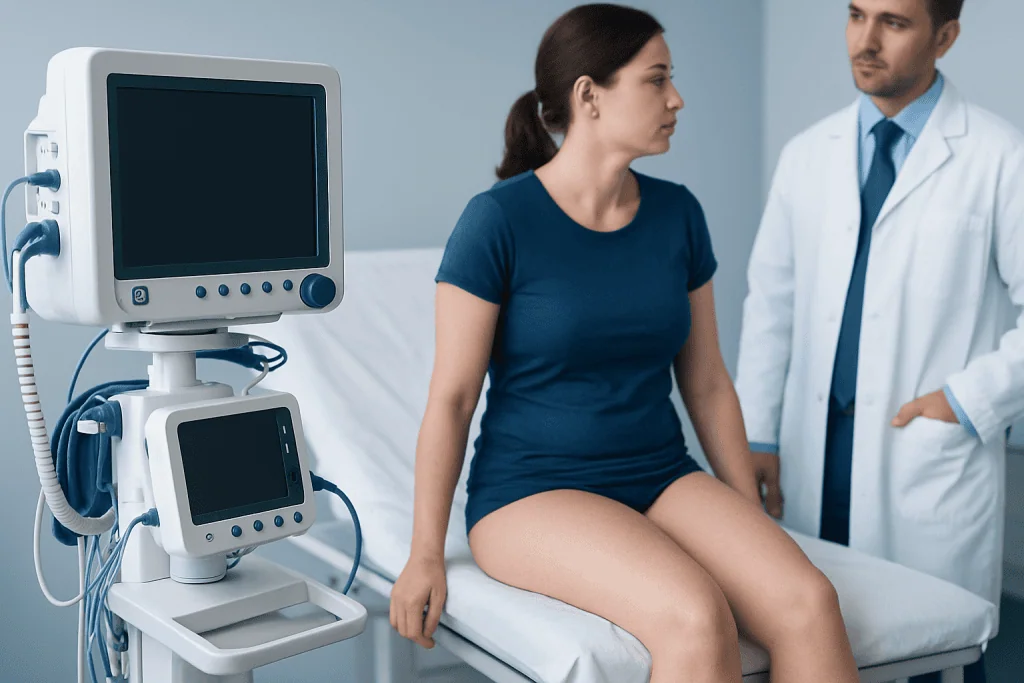
The buttocks are a common place for bumps because the skin there experiences friction, pressure, sweat, and occlusion from clothing. Sitting for long periods, exercising, hot weather, and tight synthetic fabrics can all trap moisture and irritate hair follicles, creating small red or pus-filled spots.
A frequent cause is folliculitis, which means inflammation of the hair follicles. This may happen from friction, shaving, ingrown hairs, or overgrowth of bacteria or yeast on the skin. Some people also develop rough, tiny bumps from keratosis pilaris, a very common condition in which keratin builds up and plugs follicles. These bumps can look acne-like but are treated differently.
True acne can affect the buttocks too, especially in people prone to body acne on the back or chest. In other cases, a deeper painful bump may be a boil or a cyst rather than a simple pimple. Rarely, repeated painful nodules in the groin or buttock area may suggest hidradenitis suppurativa, which should be assessed by a dermatologist.
What buttock bumps can look and feel like
Buttock bumps can vary in appearance. Some are small red papules, others have a white or yellow center, and some feel rough like sandpaper. They may itch, sting, or be tender, especially after exercise or prolonged sitting.
Folliculitis often appears as clusters of small inflamed bumps around hair follicles, sometimes with mild discomfort or pus. Keratosis pilaris tends to cause many tiny rough bumps that are more noticeable than painful. Acne-like lesions may include inflamed pimples, clogged pores, or deeper nodules.
Features that suggest a need for closer attention include a single very painful lump, rapidly enlarging swelling, thick drainage, warmth, spreading redness, or symptoms such as fever. A recurring pattern of painful nodules, tunnels under the skin, or scarring points away from simple irritation and toward a condition that needs specialist care.
How doctors tell the difference
When a doctor evaluates buttock bumps, the first step is usually a careful skin examination. The pattern, size, color, and location of the bumps often provide important clues. The doctor may ask about shaving, workouts, sweating, recent hot-tub use, new detergents, tight clothing, personal or family history of acne, and whether the lesions itch, hurt, or drain.
In many cases, no complex testing is needed. If infection is suspected, a clinician may take a swab or sample from drainage to identify bacteria or yeast. Recurrent or unusual lesions may prompt a closer evaluation to rule out fungal infection, eczema, contact dermatitis, or other skin conditions that can mimic acne.
If the bumps are frequent, severe, or leaving marks, patients may benefit from review by a dermatology specialist. Diagnostic evaluation is especially helpful when home treatment has not worked after several weeks or when there is concern for boils, cysts, or chronic inflammatory skin disease.
Evidence-based ways to get rid of butt pimples
Treatment works best when it matches the cause. For mild cases related to sweat and friction, simple self-care may be enough: cleanse gently once daily, shower soon after exercise, and avoid harsh exfoliation. A non-comedogenic moisturizer can help protect the skin barrier if the area feels dry or irritated.
For acne-like bumps or folliculitis, clinicians often recommend products that reduce follicle blockage or lower skin bacteria. Depending on the situation, this may include benzoyl peroxide washes, salicylic acid products, or topical prescription medicines. If there is clear bacterial infection, a doctor may advise prescription antibiotics; if yeast folliculitis is suspected, treatment may be different. When painful inflamed lesions are present, management may overlap with care for acne elsewhere on the body.
Large tender boils or abscesses should not be squeezed at home. They may need professional drainage and targeted treatment. If deeper infection or a recurring painful lump is present, a specialist may coordinate care with infectious diseases or surgical evaluation when appropriate. In selected cases, especially with unusual or stubborn lesions, a skin sample can help confirm the diagnosis through pathology testing.
Patience is important. Even when treatment is correct, bumps often improve gradually over several weeks. Picking, scrubbing, or trying too many products at once can make inflammation worse and increase the chance of dark marks or scarring.
Self-care and prevention that can make a real difference
Prevention usually focuses on reducing friction, moisture, and pore blockage. Breathable cotton underwear, looser workout clothing, and changing promptly after sweating can help. People who sit for long periods may also benefit from taking brief movement breaks and avoiding overly tight garments that rub the area.
Skin-care habits matter too. Gentle cleansing is better than aggressive scrubs, rough loofahs, or frequent shaving. Fragrance-free products may be useful for sensitive skin, especially if bumps are accompanied by itching or signs of irritation. If hair removal seems to trigger the problem, a doctor can suggest safer approaches.
Some people are prone to recurring body breakouts and may need a regular maintenance routine, such as a doctor-recommended medicated wash used a few times per week. Healthy skin habits are usually more effective than trying many trendy remedies. Household products such as undiluted essential oils, toothpaste, or harsh antiseptics can irritate the skin and are not considered reliable treatment.
- Shower after exercise or sweating.
- Wear breathable, non-restrictive clothing.
- Avoid picking or squeezing bumps.
- Use simple, non-irritating cleansers and moisturizers.
- Seek medical advice if bumps recur or become painful.
When to seek medical care
Most buttock bumps settle with time and good skin care, but medical review is a good idea if they do not improve after several weeks, keep returning, or are affecting daily comfort. A clinician can identify whether the problem is acne, folliculitis, keratosis pilaris, contact irritation, or something less common.
Prompt medical attention is important if there is severe pain, a large swollen lump, pus drainage, fever, or redness that spreads beyond the bump. These features can suggest a boil, abscess, or another infection that may need prescription treatment or a procedure.
People with diabetes, weakened immunity, or chronic skin disease should be especially cautious, as infections may worsen more easily. Near the end of the care pathway, patients who need specialist assessment may be seen by multidisciplinary teams; Acibadem International’s specialists in JCI-accredited hospitals diagnose and treat skin and soft-tissue conditions for international patients.
Frequently asked questions
Are butt pimples usually acne?
Not always. Many bumps on the buttocks are actually folliculitis or keratosis pilaris rather than classic acne. The best treatment depends on which condition is causing the bumps.
Can sweating cause pimples on the butt?
Yes, sweating can contribute by trapping moisture and increasing friction, especially under tight clothing. This can irritate hair follicles and lead to inflamed red bumps or folliculitis.
Should a person pop pimples on the buttocks?
No. Squeezing or picking can push inflammation deeper, increase the risk of infection, and leave marks or scars. Painful or large bumps are safer to have checked by a clinician.
How long do butt pimples take to go away?
Mild bumps may improve within days to a few weeks once friction and sweat are reduced and gentle treatment starts. More persistent cases can last longer and may need prescription treatment after medical assessment.
What is the difference between folliculitis and keratosis pilaris?
Folliculitis is inflammation of hair follicles and may look red, tender, or pus-filled. Keratosis pilaris usually causes many tiny rough bumps that are less painful and often feel like dry, bumpy skin.
When are buttock bumps a sign of something more serious?
Medical review is important if bumps are very painful, recurring, draining pus, spreading, or associated with fever. Repeated deep lumps, scarring, or tunnel-like tracts under the skin also need professional evaluation.
References
- American Academy of Dermatology
- National Health Service
- Mayo Clinic
- Cleveland Clinic
This article is for general information only and is not a substitute for professional medical advice. Please consult a qualified doctor about your individual situation.
Hair transplant in Turkey — costs, graft counts & a free assessment
JCI-accredited · board-certified surgeons · reply within 24h
Add us as a Preferred Source to see more of our trusted health content across Google Search, AI Overviews and Discover.