How Headaches Are Diagnosed: When Symptoms Point to Migraine, Tension, or Another Cause

Doctors diagnose most headaches by listening closely to symptoms and performing an exam. The timing, location, severity, and associated symptoms help distinguish migraine, tension, and other headache types.
Key Takeaways
- Doctors diagnose most headaches by listening closely to symptoms and performing an exam.
- The timing, location, severity, and associated symptoms help distinguish migraine, tension, and other headache types.
- Imaging or blood tests are usually reserved for red flags or unusual headache patterns.
- Keeping a headache diary can make diagnosis more accurate and treatment more effective.
- Sudden severe headache, neurological symptoms, fever, or a major change in pattern should be assessed urgently.
Headache diagnosis begins with a careful review of symptoms, medical history, and a physical examination. Most headaches are not caused by a dangerous condition, but certain patterns may suggest migraine, tension headache, cluster headache, medication overuse, or a secondary cause that needs prompt attention.
Overview: How doctors diagnose headaches
Headache diagnosis is usually based first on a detailed conversation about symptoms. A doctor will ask when the headaches began, how often they happen, how long they last, where the pain is felt, what the pain feels like, and whether there are warning signs such as nausea, light sensitivity, tearing, or visual changes. These details often provide the strongest clues about whether the headache is a migraine, tension-type headache, cluster headache, or a headache linked to another condition.
A physical and neurological examination is also an important part of the assessment. This may include checking blood pressure, temperature, vision, neck movement, reflexes, balance, strength, and sensation. In many people with common primary headaches, the examination is normal. That can be reassuring, because it often supports a diagnosis such as migraine or tension headache rather than a structural problem in the brain.
Headaches are broadly divided into primary and secondary headaches. Primary headaches are the headache disorder itself, such as migraine or tension-type headache. Secondary headaches happen because of another issue, such as infection, head injury, sinus disease, high blood pressure in some settings, medication overuse, or, more rarely, bleeding or a tumor. The main goal of diagnosis is to identify the headache type correctly and recognize any signs that point to a secondary cause.
Symptoms that help identify the type of headache
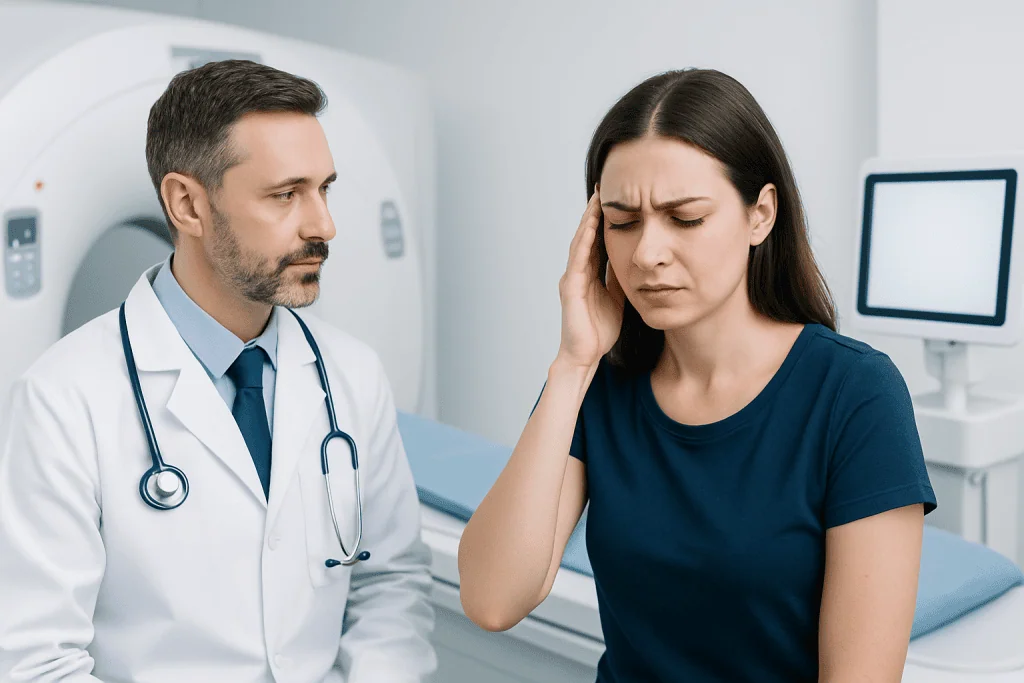
Different headache disorders tend to have characteristic patterns. Migraine often causes moderate to severe pain, sometimes on one side of the head, and may be throbbing or pulsating. Many people with migraine also have nausea, vomiting, and sensitivity to light, sound, or smells. Physical activity may make the pain worse, and some people experience aura, such as flashing lights, blind spots, tingling, or speech difficulty before the headache begins.
Tension-type headache usually causes mild to moderate pain that feels like pressure, tightness, or a band around the head. It is often felt on both sides and is less likely to cause nausea or vomiting. Some people may have mild light or sound sensitivity, but the symptoms are usually less intense than with migraine. Stress, poor posture, fatigue, and lack of sleep can contribute, although they do not fully explain the condition.
Cluster headache is less common but has a very distinctive pattern. It causes severe, often piercing pain around one eye or temple, usually on one side only. The headache may come with a red or watery eye, nasal congestion, a drooping eyelid, or restlessness. Attacks tend to occur in clusters over weeks or months and often strike at similar times of day, including at night.
- Migraine: throbbing pain, nausea, light sensitivity, worsened by activity
- Tension-type headache: pressing or tightening pain, often on both sides, milder associated symptoms
- Cluster headache: severe one-sided eye or temple pain with eye or nose symptoms
- Medication-overuse headache: frequent or daily headache in someone using pain medicines often
Common causes and risk factors

Most recurring headaches seen in clinics are primary headaches, especially migraine and tension-type headache. These conditions can run in families and are influenced by the nervous system, pain pathways, sleep, hormones, and environmental triggers. Stress does not cause every headache, but it can make headaches more likely in people who are already susceptible. Hormonal changes, skipped meals, dehydration, alcohol, and irregular sleep are other common contributors.
Medication-overuse headache is another frequent reason that headaches become more persistent. It can develop when pain-relief medicines or certain migraine medicines are used too often. Instead of bringing lasting control, the repeated use may keep the headache cycle going. This is one reason doctors often ask very specific questions about over-the-counter and prescription medicine use during headache diagnosis.
Secondary headaches have many possible causes, from minor to serious. Sinus infection, dental problems, eye strain, viral illness, head injury, and neck disorders may all lead to head pain. Less commonly, headaches may be linked to meningitis, stroke, bleeding around the brain, giant cell arteritis, or a brain mass. These are uncommon, but doctors stay alert to symptoms that suggest one of these conditions rather than a primary headache disorder.
What happens during the medical evaluation
The clinical history is the core of headache diagnosis. Doctors often ask patients to describe a typical attack from beginning to end. Helpful details include the exact location of pain, whether the pain builds gradually or starts suddenly, what time of day it occurs, how long it lasts, and what helps or worsens it. It is also useful to mention recent infections, injuries, pregnancy, major stress, sleep changes, caffeine intake, and any new medicines.
A headache diary can be especially valuable. Recording the date, duration, severity, food intake, menstrual cycle, sleep, stress level, and medicines used can reveal patterns that are not obvious at first. This may help distinguish migraine from tension-type headache and can also point to trigger factors or medication overuse. For people with recurrent headaches, a diary often improves both diagnosis and ongoing treatment planning.
The examination looks for clues that the headache may be secondary. The doctor may check the scalp and temples, sinuses, jaw, neck muscles, and spine, and may examine the eyes for signs of pressure changes or inflammation. Neurological testing helps assess whether the brain and nerves are functioning normally. If symptoms suggest a primary headache and the exam is normal, further tests may not be needed right away.
When tests or imaging may be needed
Many people worry that every headache requires a brain scan, but that is usually not the case. Imaging is generally considered when there are warning signs, a new or unusual pattern, or abnormal findings on examination. Depending on the situation, the doctor may recommend MRI or CT scanning to look for bleeding, stroke, tumor, structural changes, or other causes of secondary headache.
Blood tests may be used if infection, inflammation, metabolic imbalance, or another medical condition is suspected. In selected cases, doctors may request an eye examination, sinus evaluation, or blood pressure assessment. If meningitis or bleeding around the brain is a concern, a lumbar puncture may be needed after appropriate assessment. The exact testing depends on the patient’s age, symptoms, medical history, and examination findings.
Red flags that often prompt urgent testing include a sudden thunderclap headache, headache after a head injury, fever with neck stiffness, a new headache during pregnancy or after delivery, cancer or immune suppression, seizures, confusion, fainting, or weakness, numbness, or speech difficulty. A new headache in older adults, especially with scalp tenderness or jaw pain, also deserves prompt medical attention. These features do not always mean a serious problem is present, but they should not be ignored.
How diagnosis guides treatment
The best treatment depends on the headache type. Migraine treatment may include lifestyle measures, medicines taken during attacks, and preventive treatment when headaches are frequent or disabling. Tension-type headache may respond to simple pain relief, posture and sleep improvement, stress management, and treatment of muscle strain or jaw clenching if present. Cluster headache is treated differently and often needs specialist guidance, with options such as oxygen-based care and preventive medicines.
If medication-overuse headache is suspected, treatment often includes reducing the overused medicine under medical supervision and creating a safer long-term plan. When a secondary headache is found, the underlying cause must be treated directly. For example, an infection, blood pressure issue, sinus disease, or neurological condition may need targeted care. In some cases, evaluation by a neurologist or a dedicated headache specialist is helpful, especially when headaches are frequent, severe, or difficult to classify.
Advanced care may involve supportive testing or procedures tailored to the diagnosis. Depending on the cause, specialists may use electroencephalography when seizure-like events are part of the picture, although EEG is not a routine test for common headaches. For patients needing specialist headache care, assessment can also include evaluation for related conditions such as migraine or other neurological disorders that may mimic it.
Prevention, self-care, and follow-up
Once the headache type is understood, daily habits often become an important part of management. Regular sleep, consistent meals, good hydration, moderate caffeine use, and physical activity can reduce headache frequency in many people. It can also help to limit alcohol, avoid known personal triggers, and use screens and posture more comfortably if neck or muscle tension contributes to symptoms.
Self-care should also include careful medicine use. Taking pain relievers too often can turn occasional headaches into a more chronic problem. A doctor or pharmacist can explain how to use acute medicines safely and when preventive treatment may be a better option. Follow-up is important if headaches change over time, because a person may have more than one headache type or may develop a new trigger or related condition.
Near the end of the diagnostic journey, some patients benefit from multidisciplinary assessment, especially when headaches affect work, sleep, mood, or daily life. Acibadem International’s multidisciplinary specialists and JCI-accredited hospitals diagnose and treat headache disorders for international patients when expert evaluation is needed.
When to see a doctor for headaches
It is sensible to see a doctor if headaches are recurring, becoming more severe, interfering with daily activities, or requiring frequent pain medicine. Medical review is also important when headaches begin for the first time later in life, become noticeably different from past headaches, or occur together with visual symptoms, dizziness, vomiting, or neck pain. Even when the cause is a primary headache disorder, professional evaluation can help confirm the diagnosis and improve symptom control.
Emergency assessment is needed for a sudden, explosive headache that reaches maximum intensity quickly, or a headache linked to confusion, weakness, numbness, trouble speaking, fainting, seizure, fever, stiff neck, or recent significant head injury. These symptoms can sometimes signal a serious secondary cause. Prompt care allows doctors to rule out urgent conditions and start the right treatment without delay.
People who are pregnant, have cancer, are immunosuppressed, or have headaches after starting a new medicine should also seek medical advice early. A calm, structured evaluation is usually enough to identify the next steps. Most headaches can be managed effectively once the pattern is recognized and red flags have been excluded.
Frequently asked questions
How is a headache usually diagnosed?
A headache is usually diagnosed through a careful medical history and physical examination. Doctors focus on the pattern of pain, associated symptoms, triggers, medicine use, and any warning signs that might suggest a secondary cause.
What symptoms suggest migraine rather than tension headache?
Migraine often causes throbbing or pulsating pain, nausea, and sensitivity to light or sound, and it may worsen with activity. Tension headache more often feels like pressure or tightness on both sides of the head and usually has fewer associated symptoms.
Do all headaches need an MRI or CT scan?
No, most common headaches do not need imaging if the symptoms fit a primary headache disorder and the examination is normal. MRI or CT is more often used when there are red flags, a new or unusual headache pattern, or abnormal neurological findings.
What are headache red flags that need urgent medical care?
Urgent warning signs include a sudden severe thunderclap headache, fever with neck stiffness, confusion, seizure, weakness, numbness, speech trouble, or headache after significant head injury. A new headache during pregnancy or a major change in headache pattern should also be assessed promptly.
Can stress alone explain recurring headaches?
Stress can trigger or worsen headaches, especially tension-type headache and migraine, but it is not always the only factor. Sleep disruption, dehydration, hormonal changes, skipped meals, caffeine, and medication overuse can also play important roles.
What is a headache diary and why does it help?
A headache diary is a simple record of when headaches happen, how severe they are, how long they last, and what other symptoms or triggers are present. It helps doctors see patterns more clearly and can make both diagnosis and treatment planning more accurate.
References
- World Health Organization
- International Headache Society
- American Migraine Foundation
- National Institute of Neurological Disorders and Stroke
- Mayo Clinic
This article is for general information only and is not a substitute for professional medical advice. Please consult a qualified doctor about your individual situation.
Migraine in Turkey — costs, top hospitals & a free quote
JCI-accredited · board-certified surgeons · reply within 24h
Add us as a Preferred Source to see more of our trusted health content across Google Search, AI Overviews and Discover.
Check your numbers in seconds
BMI, calories, due date, blood pressure and 30+ more clinical calculators — free, instant, doctor-reviewed ranges.