How Long Do Utis Last Without Treatment: How It Works, Results and What to Expect

A UTI does not have a predictable safe duration without treatment; symptoms can last days or longer and may worsen. Bladder infection symptoms include burning during urination, frequent urination, urgency, and lower abdominal discomfort.
Key Takeaways
- A UTI does not have a predictable safe duration without treatment; symptoms can last days or longer and may worsen.
- Bladder infection symptoms include burning during urination, frequent urination, urgency, and lower abdominal discomfort.
- Fever, flank or back pain, nausea, vomiting, or feeling very unwell may indicate a kidney infection and need prompt medical care.
- Pregnant people, children, men, older adults, and people with certain health conditions should seek assessment promptly for possible UTI symptoms.
- Antibiotics are commonly used when a bacterial UTI is confirmed or strongly suspected; the best option depends on individual factors and test results.
How long do UTIs last without treatment depends on the person, the bacteria involved, and whether the infection remains in the bladder. Some mild symptoms may improve, but an untreated urinary tract infection can persist or spread to the kidneys, so medical assessment is recommended rather than waiting for it to resolve.
Overview: How Long Can a UTI Last Without Treatment?
How long do UTIs last without treatment? There is no reliable or safe timeline. Some people may notice symptoms easing within a few days, especially with mild bladder irritation, but an untreated bacterial urinary tract infection (UTI) can continue for days or longer and may worsen or travel upward toward the kidneys.
A UTI occurs when germs, most often bacteria from the bowel, enter the urinary tract. Infection may involve the urethra, bladder, ureters, or kidneys. Most uncomplicated UTIs affect the bladder, but symptoms alone cannot always show how extensive an infection is. For this reason, persistent or new urinary symptoms should be discussed with a qualified clinician.
Waiting to see whether symptoms disappear can delay care when treatment is needed. Testing can help distinguish a UTI from other causes of urinary discomfort, such as vaginal infections, sexually transmitted infections, urinary stones, prostate conditions, or irritation from personal care products.
How a UTI Develops and What May Happen Without Treatment
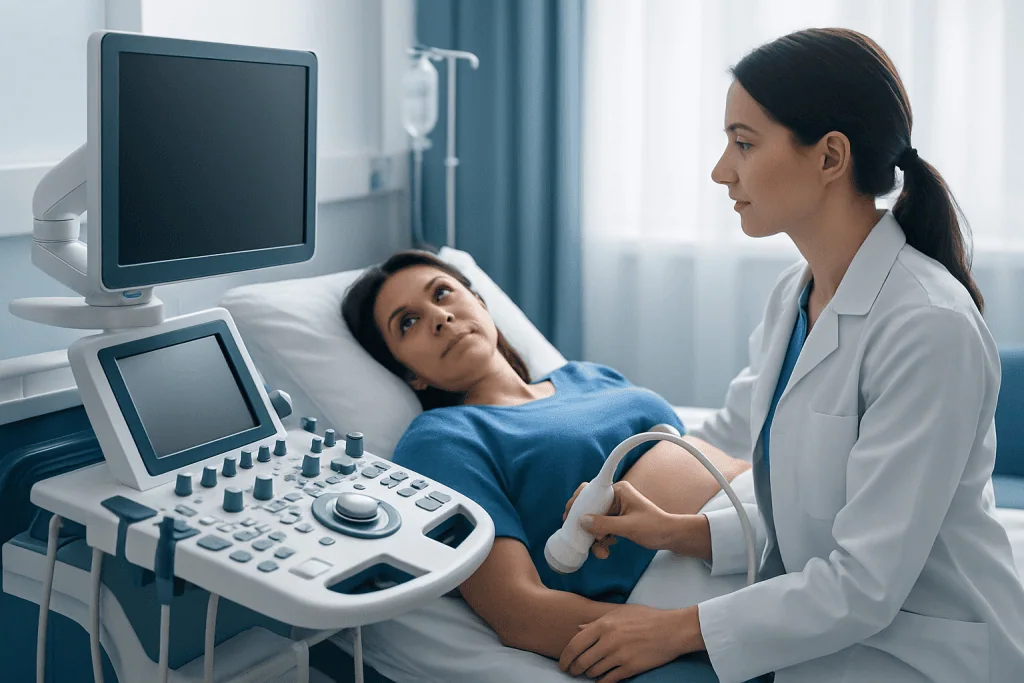
The urinary tract normally removes urine and helps prevent bacteria from growing. A UTI can develop when bacteria enter through the urethra and multiply, usually in the bladder. Sexual activity, incomplete bladder emptying, urinary catheters, stones, and changes in the urinary tract can make this more likely in some people.
Without appropriate treatment, bacteria may remain in the bladder and symptoms may fluctuate. Drinking fluids may dilute urine and reduce discomfort for some people, but it does not reliably clear a bacterial infection. In some cases, bacteria can ascend from the bladder to one or both kidneys, causing a more serious infection called pyelonephritis.
Rarely, an untreated infection can lead to bloodstream infection, particularly in people who are older, pregnant, immunocompromised, or living with urinary obstruction or significant chronic illness. This is why a UTI should not be treated as something that always resolves on its own.
Symptoms and Risk Factors to Recognize

Typical lower UTI symptoms include a burning or stinging sensation while urinating, a frequent need to urinate, sudden urgency, passing small amounts of urine, lower abdominal pressure, or urine that appears cloudy or has a strong smell. Blood in the urine can also occur and should be assessed by a clinician.
Symptoms that may suggest infection has reached the kidneys include fever, chills, pain in the side or back below the ribs, nausea, vomiting, or marked fatigue. These symptoms need prompt medical attention. A person should not wait for a kidney infection to improve at home.
UTIs are more common in women because of anatomical differences, but they can affect anyone. Risk factors include pregnancy, menopause-related urinary changes, diabetes, kidney stones, enlarged prostate, urinary retention, catheter use, recent urinary procedures, and a weakened immune system.
- In children, symptoms may be nonspecific, such as fever, irritability, poor feeding, or vomiting.
- In older adults, new urinary symptoms should be evaluated carefully; confusion alone has many possible causes and is not proof of a UTI.
- In men, a suspected UTI generally requires clinical assessment because it may be linked to prostate or urinary tract problems.
Diagnosis: What to Expect at a Medical Visit
A clinician begins by asking about symptoms, their duration, medical conditions, medications, pregnancy status, prior UTIs, and recent sexual or urinary health history. They may also ask whether there is vaginal discharge, sores, or pelvic pain, because these features can point to causes other than a bladder infection.
A urine sample may be checked with a dipstick test and examined for signs of inflammation or blood. A urine culture can identify the bacteria and show which antibiotics are likely to work. Culture testing is especially useful when symptoms are recurrent, severe, unusual, occur during pregnancy, or do not improve as expected.
Imaging is not usually needed for a first simple bladder infection. However, ultrasound, CT, or other investigations may be considered when stones, urinary obstruction, structural concerns, repeated infections, or kidney involvement are suspected. A urology assessment may be helpful for recurrent or complicated infections.
Treatment Options: How UTI Care Works
When a bacterial UTI is diagnosed or strongly suspected, antibiotics are commonly prescribed. The clinician selects treatment based on the likely site of infection, symptom severity, allergies, pregnancy status, local bacterial resistance patterns, previous cultures, and other health conditions. It is important to take medication exactly as prescribed and not share or save antibiotics.
Pain-relief measures, rest, and regular fluid intake may help with comfort while treatment takes effect. However, fluids and over-the-counter products are supportive measures, not substitutes for medical evaluation or prescribed treatment when an infection is present. Symptoms often begin to improve after treatment starts, but the timing varies.
For repeated UTIs, care focuses on confirming the diagnosis and identifying contributing factors. This may include reviewing bladder habits, sexual health, menopause-related changes, urinary stones, diabetes management, or incomplete bladder emptying. A clinician can explain whether preventive strategies or further testing are appropriate.
Acibadem International’s multidisciplinary specialists and JCI-accredited hospitals evaluate urinary symptoms and provide individualized care for international patients, including support from urology, infectious diseases, gynecology, and internal medicine teams where needed.
Prevention and Practical Self-Care
Not every UTI can be prevented, but several everyday measures may reduce risk. Drinking enough fluid for regular urination, avoiding delaying urination for long periods, and emptying the bladder when needed can support urinary health. After bowel movements, wiping from front to back may reduce the movement of bowel bacteria toward the urethra.
People who notice symptoms after sexual activity may find it helpful to urinate afterward and maintain gentle genital hygiene. Harsh soaps, douches, and fragranced products can irritate sensitive tissue and are best avoided. Cotton underwear and avoiding prolonged damp clothing may improve comfort, although these measures do not treat infection.
For recurrent UTIs, cranberry products, vaginal estrogen for some postmenopausal patients, and other prevention approaches may be discussed with a doctor. Their suitability varies, and supplements can interact with medicines or be unsuitable for some individuals. Medical advice is particularly important during pregnancy or when kidney disease is present.
When to Seek Medical Care
Medical advice should be sought promptly for burning urination, urinary urgency, frequent urination, or blood in the urine that does not quickly settle or is accompanied by discomfort. A clinician should also assess first-time urinary symptoms, recurrent symptoms, or symptoms that return soon after treatment.
Urgent medical care is needed for fever, chills, flank or back pain, nausea, vomiting, severe weakness, inability to keep fluids down, or confusion with other signs of illness. These symptoms can indicate a kidney infection or another condition requiring prompt assessment.
Pregnant people, children, men, people with diabetes, kidney disease, urinary catheters, immune suppression, known urinary tract abnormalities, or a history of kidney stones should contact a healthcare professional early when UTI symptoms develop. Timely assessment can help prevent complications and ensure the diagnosis is correct.
Frequently asked questions
Can a UTI go away without antibiotics?
Some mild urinary symptoms may improve without antibiotics, but it is not possible to know reliably whether a bacterial UTI has cleared based on symptoms alone. Infection can persist or spread to the kidneys, so a clinician should advise on whether testing and treatment are needed.
How long should UTI symptoms last before seeing a doctor?
New urinary symptoms should be discussed with a healthcare professional, especially if they last more than a short time, are painful, or interfere with daily life. Care should be sought promptly rather than waiting if symptoms are worsening or if there is blood in the urine.
What are warning signs that a UTI has spread to the kidneys?
Fever, chills, pain in the side or back, nausea, vomiting, and feeling significantly unwell can be warning signs of a kidney infection. These symptoms require prompt medical assessment, particularly if the person cannot drink fluids or keep medication down.
Can drinking water flush out a UTI?
Regular fluids can help prevent dehydration and may reduce urinary discomfort for some people. However, drinking water does not reliably eliminate a bacterial UTI and should not replace medical evaluation when symptoms suggest infection.
Why do some people get frequent UTIs?
Recurrent UTIs can be related to sexual activity, menopause-related changes, incomplete bladder emptying, urinary stones, diabetes, catheter use, or anatomical factors. A clinician can assess whether repeated symptoms are due to true infections and look for underlying contributors.
Are UTI symptoms different in men and women?
Burning urination, urgency, frequency, and lower abdominal discomfort may occur in people of any sex. In men, urinary symptoms can also relate to prostate conditions, and suspected UTI generally merits medical assessment to identify the cause.
References
- National Institute of Diabetes and Digestive and Kidney Diseases
- Centers for Disease Control and Prevention
- National Health Service
- Mayo Clinic
- European Association of Urology
This article is for general information only and is not a substitute for professional medical advice. Please consult a qualified doctor about your individual situation.
Persistent digestive symptoms? Get evaluated in Turkey
JCI-accredited · board-certified surgeons · reply within 24h
Add us as a Preferred Source to see more of our trusted health content across Google Search, AI Overviews and Discover.

More from the Health Library



Related Specialists

Dr. Bilge Özgür Yüksel
Pulmonary Medicine
Dr. Savaş Gündoğan
Gynecology & Obstetrics
Fzt. Sevgi Nama
Physical Medicine & Rehabilitation
Assoc. Prof. Dr. Mehmet Ferdi Kıncı
Gynecology & Obstetrics