How Long Does Caffeine Stay in Your System? A Doctor-Reviewed Answer

In many adults, caffeine’s half-life is around 3 to 7 hours, so it can remain in the body well into the day or night. How long caffeine lasts varies with pregnancy, certain medicines, liver health, age, smoking status, and individual sensitivity.
Key Takeaways
- In many adults, caffeine’s half-life is around 3 to 7 hours, so it can remain in the body well into the day or night.
- How long caffeine lasts varies with pregnancy, certain medicines, liver health, age, smoking status, and individual sensitivity.
- Common short-term effects include alertness, jitters, faster heartbeat, stomach upset, and trouble sleeping.
- Most caffeine-related symptoms improve with time, hydration, rest, and avoiding further caffeine.
- Medical review is important for chest pain, fainting, severe palpitations, confusion, seizures, or symptoms after a very large intake.
For most healthy adults, caffeine is partly cleared within a few hours, with an average half-life of about 3 to 7 hours. This is usually harmless, but some people feel its effects longer depending on pregnancy, medications, liver function, age, and how much caffeine they had.
Overview: how long caffeine stays in the body
In most adults, caffeine does not leave the body immediately. A practical way doctors describe it is by its half-life, which is the time it takes for the body to remove about half of the caffeine taken in. For many healthy adults, that half-life is roughly 3 to 7 hours, which means caffeine can still be present many hours after a cup of coffee, tea, energy drink, cola, or pre-workout product.
This is often harmless. Many people metabolize caffeine without any major problem, but the timing and intensity of its effects can vary widely. A morning coffee may wear off by afternoon for one person, while an afternoon energy drink may still affect another person’s sleep at midnight.
The question of how long does caffeine stay in your system matters most when symptoms appear. Feeling temporarily more awake is expected, but jitteriness, shakiness, a racing heartbeat, stomach discomfort, anxiety, or insomnia can happen if the dose is high or if the person is especially sensitive. Understanding why caffeine lingers can help explain these symptoms and guide safer intake habits.
What changes how long caffeine lasts?
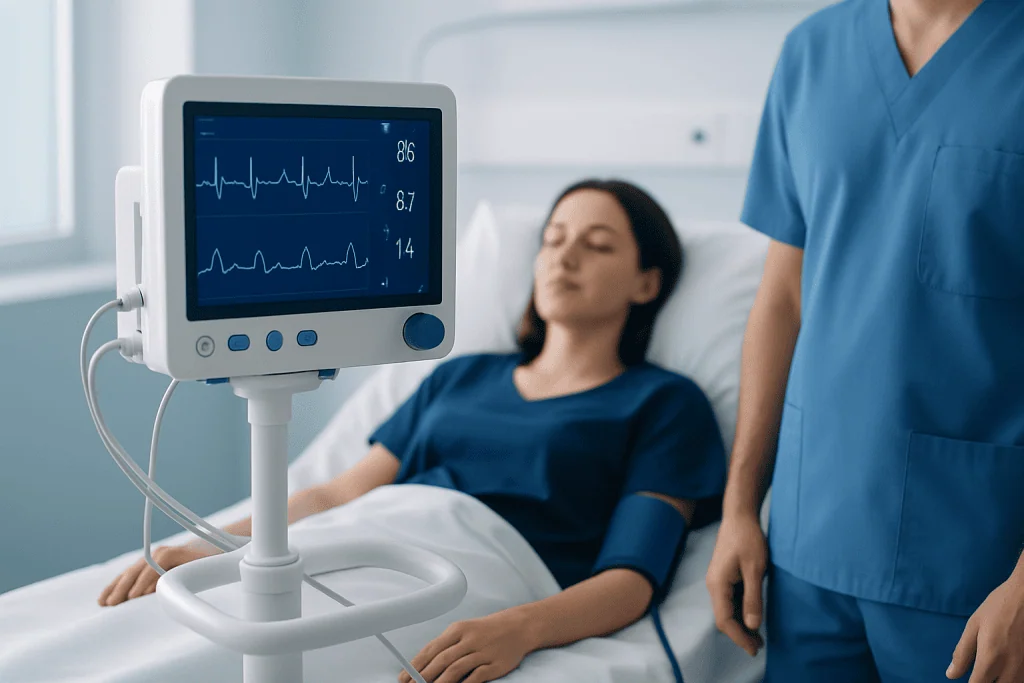
Caffeine is mainly broken down in the liver. This means the speed of metabolism depends on several body and lifestyle factors, not just how much coffee was consumed. Two people can drink the same amount and have very different experiences.
Factors that can make caffeine stay in the body longer include pregnancy, liver disease, older age, infancy, and certain medicines that slow caffeine metabolism. Smoking can have the opposite effect and may make caffeine clear faster; if someone stops smoking, their usual caffeine amount may suddenly feel stronger.
Other important variables include body size, genetics, sleep deprivation, and the total dose consumed over a short period. Caffeine from coffee, tea, chocolate, soda, energy drinks, caffeinated pain relievers, or supplements adds up. When symptoms are frequent or pronounced, doctors may also consider whether another issue such as anxiety, an irregular heartbeat, or poor sleep is contributing, including conditions discussed on the arrhythmia page.
- Typical half-life in many adults: about 3 to 7 hours
- Longer clearance may occur in pregnancy and liver disease
- Caffeine can affect sleep even when taken earlier in the day
- Combining multiple caffeinated products can prolong effects
Common signs that caffeine is still affecting the system

Caffeine stimulates the brain and nervous system, so its effects are often easy to recognize. Some people feel focused and alert, while others feel overstimulated. The same amount can feel mild one day and uncomfortable another day, especially with stress, poor sleep, or an empty stomach.
Common symptoms include feeling restless, shaky, or anxious; having a pounding or faster heartbeat; needing to urinate more often; or noticing stomach upset or acid reflux. Some people develop headaches as caffeine wears off, especially if they use it daily. Trouble falling asleep is also common because caffeine can still be active in the body long after the obvious energy boost has faded.
These symptoms are not always caused by caffeine alone. Similar symptoms may occur with dehydration, panic attacks, medication effects, thyroid problems, or sleep disorders. If symptoms are recurring or severe, a doctor may evaluate whether caffeine is the main trigger or whether another condition is present.
When caffeine becomes a concern
Most caffeine-related symptoms are temporary and improve as the body metabolizes it. However, very high intake or heightened sensitivity can lead to more significant symptoms. This is more likely when caffeine is taken quickly, combined from several sources, or used alongside stimulant medications or certain supplements.
Warning signs that deserve prompt medical attention include chest pain, severe shortness of breath, fainting, confusion, seizures, severe vomiting, or a heartbeat that feels very fast, irregular, or does not settle. These symptoms can have several causes, and it is important not to assume caffeine is the only explanation.
Extra caution is also sensible for children, pregnant people, people with heart disease, liver disease, panic disorder, uncontrolled high blood pressure, or known rhythm problems. If symptoms mainly involve a rapid or fluttering heartbeat, clinicians may also assess for a rhythm disorder and may recommend further evaluation similar to the care described in electrophysiology study and ablation when appropriate for diagnosed arrhythmias.
How doctors evaluate caffeine-related symptoms
If someone seeks medical care, the first step is usually a careful history. A doctor will ask what was consumed, how much, and when, including coffee, tea, cola, energy drinks, chocolate, supplements, and over-the-counter medicines. They will also ask about sleep, hydration, alcohol use, nicotine, recreational drugs, prescription medicines, pregnancy, and any prior heart or anxiety conditions.
A physical examination often includes pulse, blood pressure, temperature, and listening to the heart and lungs. Depending on symptoms, the doctor may do an electrocardiogram to check the heart rhythm, blood tests to look at electrolytes or thyroid function, or other studies if another cause is suspected. This step is helpful because symptoms such as palpitations, chest discomfort, tremor, or dizziness are not specific to caffeine.
When chest pain, significant palpitations, or repeated unexplained symptoms occur, further tests may be appropriate. These can include rhythm monitoring or an assessment for structural heart issues, and some patients may need evaluation with echocardiography or review of broader cardiology care depending on the clinical picture.
What to do if caffeine is keeping symptoms going
For most mild symptoms, treatment is supportive. The key step is to stop taking more caffeine and give the body time to clear what has already been consumed. Resting in a calm environment, drinking water, and eating a light meal if appropriate may help some people feel better, especially if they consumed caffeine on an empty stomach.
It is usually best to avoid adding other stimulants, intense exercise, alcohol, or decongestants until symptoms settle. If sleep is affected, reducing evening screen exposure and creating a quiet sleep environment may help, but the main factor is time. Symptoms such as jitters, tremor, or insomnia often improve gradually as caffeine levels fall.
If symptoms are stronger than expected, a healthcare professional may advise observation, checking vital signs, or treatment based on the symptom pattern and overall health status. Recurrent insomnia may prompt assessment for an underlying sleep condition, and some people benefit from specialist review such as sleep disorder evaluation if caffeine is only part of the problem.
Prevention and safer caffeine habits
Preventing unwanted caffeine effects is usually straightforward. Many people do well by spreading caffeine earlier in the day, limiting large single doses, and checking labels on energy drinks, powders, and pain relievers. Because caffeine can remain active for hours, afternoon and evening use is a common reason for trouble sleeping.
Keeping a brief symptom diary can be helpful. Writing down the type of drink or product, the amount, the time taken, and any symptoms can show patterns that are easy to miss. This is especially useful for people who notice headaches, anxiety, palpitations, reflux, or poor sleep but are unsure whether caffeine is playing a role.
People who are pregnant, have liver disease, have a heart rhythm condition, or take medicines that may interact with caffeine should ask their doctor what level is reasonable for them. Near the end of care planning, some international patients choose evaluation through Acibadem International, where multidisciplinary specialists in JCI-accredited hospitals assess symptoms and underlying causes in a coordinated way.
When to seek medical care
Medical review is a good idea if caffeine-related symptoms are frequent, unusually intense, or new for that person. It is also sensible if symptoms happen after relatively small amounts of caffeine, if sleep disruption is ongoing, or if there is a history of heart disease, anxiety disorder, pregnancy, liver disease, or medication use that may affect caffeine metabolism.
Urgent medical care is needed for chest pain, fainting, severe shortness of breath, seizures, confusion, or a sustained racing or irregular heartbeat. These symptoms should not be dismissed as “just caffeine,” because they can overlap with other medical problems that need prompt attention.
Even when the cause turns out to be caffeine sensitivity, an assessment can be reassuring and practical. It can help rule out more serious conditions, clarify safe limits, and identify whether symptoms point to another issue such as sleep disturbance, reflux, anxiety, or a heart rhythm problem.
Frequently asked questions
How long does caffeine stay in your system after one cup of coffee?
In many adults, about half of the caffeine may still be in the body 3 to 7 hours later. That means the effects can last longer than the initial energy boost, especially if the coffee was strong or taken later in the day.
Why does caffeine affect some people much longer than others?
Caffeine metabolism varies from person to person. Pregnancy, liver health, age, genetics, smoking status, and some medicines can all change how quickly the body clears it.
Can caffeine still affect sleep if it was taken in the afternoon?
Yes. Even if a person no longer feels obviously energized, enough caffeine may still be present to delay sleep or make sleep lighter and less refreshing.
What are the signs of too much caffeine?
Common signs include jitteriness, tremor, anxiety, stomach upset, a pounding heartbeat, and difficulty sleeping. More serious symptoms such as chest pain, fainting, confusion, or seizures need urgent medical attention.
Is it normal to feel heart palpitations after caffeine?
Some people notice palpitations or a faster heartbeat after caffeine, especially with large amounts or if they are sensitive to stimulants. If palpitations are frequent, prolonged, associated with dizziness or chest pain, or happen with small amounts of caffeine, a doctor should assess them.
What helps caffeine wear off faster?
Time is the main factor, because the liver has to metabolize caffeine. Resting, avoiding more caffeine and other stimulants, staying hydrated, and allowing symptoms to settle are usually the most helpful steps.
This article is for general information only and is not a substitute for professional medical advice. Please consult a qualified doctor about your individual situation.
Explore treatments in Turkey — costs, top hospitals & a free quote
JCI-accredited · board-certified surgeons · reply within 24h
Add us as a Preferred Source to see more of our trusted health content across Google Search, AI Overviews and Discover.
Check your numbers in seconds
BMI, calories, due date, blood pressure and 30+ more clinical calculators — free, instant, doctor-reviewed ranges.

More from the Health Library

How to Stop Heart Palpitations From Prednisone? A Doctor-Reviewed Answer

How Fast Do Fingernails Grow? Here Is What the Evidence Says

What Causes Low Blood Sugar Without Diabetes? Here Is What the Evidence Says
Low Estrogen Symptoms Explained: Common Triggers and Red Flags

Nausea When Hungry Explained: Common Triggers and Red Flags