How Long Does It Take for Antibiotics to Work? Here Is What the Evidence Says
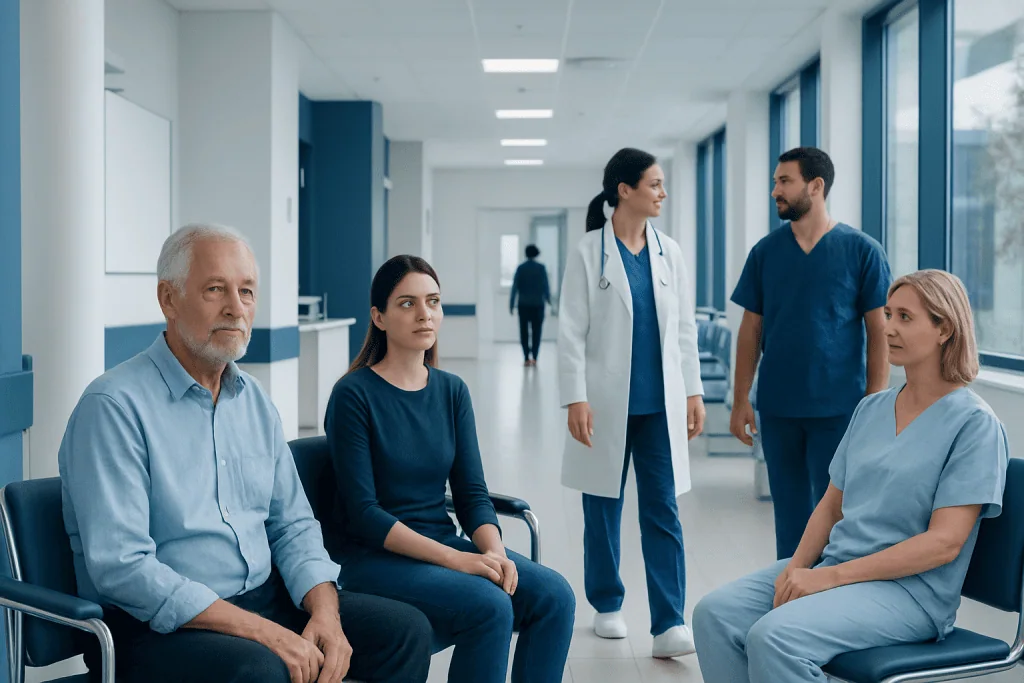
Many bacterial infections begin to improve within 1 to 3 days after starting the right antibiotic. Some symptoms, such as cough, sinus pressure, skin redness, or fatigue, can take longer to settle even when treatment is working.
Key Takeaways
- Many bacterial infections begin to improve within 1 to 3 days after starting the right antibiotic.
- Some symptoms, such as cough, sinus pressure, skin redness, or fatigue, can take longer to settle even when treatment is working.
- Antibiotics do not work against viral illnesses like most colds and many sore throats.
- A doctor may reassess the diagnosis, the antibiotic choice, or possible complications if symptoms are not improving after a few days.
- Urgent medical review is important for worsening symptoms, breathing trouble, severe pain, dehydration, or signs of an allergic reaction.
How long it takes for antibiotics to work depends on the infection, the antibiotic chosen, and a person’s overall health. Many people notice some improvement within 24 to 72 hours, but full recovery may take longer and symptoms do not always disappear immediately.
Overview: when antibiotics usually start to help
In many cases, antibiotics begin working soon after the first doses are taken, but a person may not feel better right away. For many common bacterial infections, there is at least some symptom improvement within 24 to 72 hours. That might mean fever starts to come down, pain eases, swelling decreases, or energy slowly returns.
It is also common for recovery to feel gradual rather than sudden. An antibiotic can be controlling the bacteria even while the body still needs time to calm inflammation and heal irritated tissues. This is why a cough, sinus pressure, urinary discomfort, or skin redness may linger for several days after treatment has started.
The timeline depends on several factors: the type of infection, how severe it is, whether the bacteria are sensitive to the chosen antibiotic, whether the medicine is taken exactly as prescribed, and whether another condition is contributing to symptoms. Most importantly, antibiotics only treat bacterial infections. They do not help viral illnesses such as most colds, influenza, or many cases of sore throat.
What improvement should look like
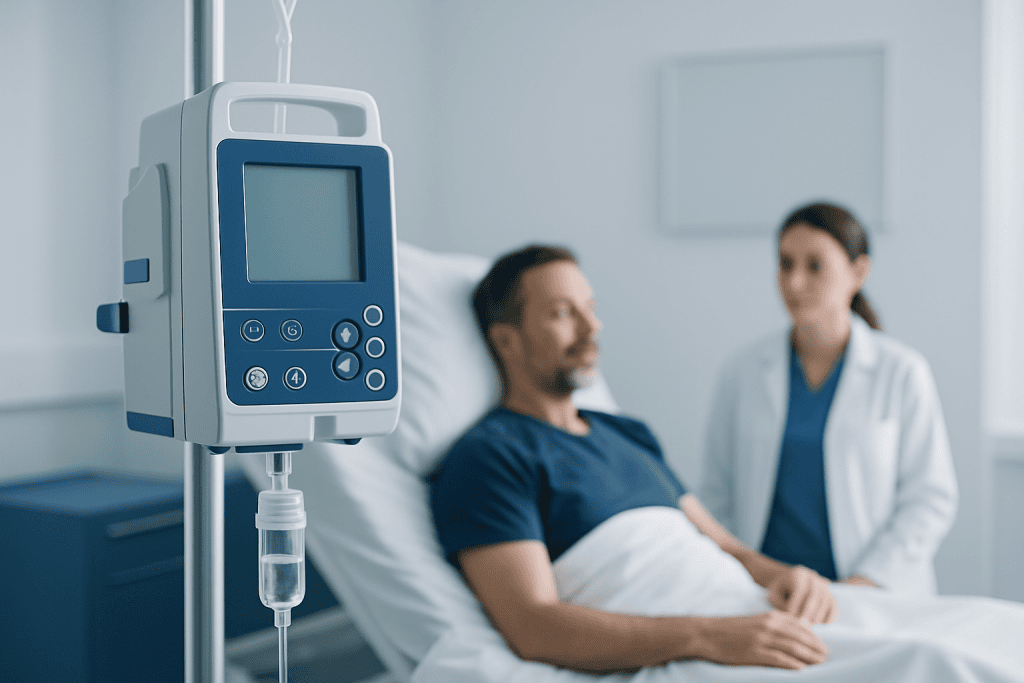
People often expect antibiotics to make them feel completely well within a day, but that is not usually how treatment works. A more realistic pattern is early improvement first, then steady recovery over several days. For example, fever may improve before appetite returns, or pain may lessen before swelling is fully gone.
Signs that antibiotics may be working include:
- Fever becoming lower or less frequent
- Reduced pain, burning, or pressure
- Less redness, warmth, or drainage from an infected area
- Improved breathing or less productive cough in a bacterial chest infection
- Better energy and ability to eat or drink normally
Some symptoms can persist even after the bacteria are controlled. A lingering cough after a chest infection, tiredness after a fever, or mild nasal congestion after bacterial sinus infection can all continue for a short time. Symptom relief does not always happen at the same speed as bacterial clearance.
If there is no change at all after 48 to 72 hours, or symptoms are getting worse, medical review is sensible. That does not always mean something serious is happening, but it may mean the diagnosis needs to be rechecked.
Why the timeline differs from one infection to another

Different infections improve at different rates. A straightforward bladder infection may begin to feel better within a day or two, while sinus infections, pneumonia, or deeper skin infections may take longer. The body site matters because some tissues are harder for antibiotics to reach, and some infections create more inflammation that takes time to settle.
The correct antibiotic also matters. Doctors choose treatment based on the likely bacteria, local resistance patterns, the person’s age, allergies, kidney or liver function, and how severe the infection appears. If the bacteria are resistant, the medicine may not work well enough, and improvement may be limited or delayed.
Another common reason for delayed improvement is that the illness may not be bacterial at all. Viral respiratory infections are a frequent example. A person can take antibiotics exactly as prescribed and still feel unchanged because the medicine is not targeting the real cause. In other cases, symptoms may come from another problem that needs different care, such as sinusitis, asthma, an abscess, dehydration, or inflammation after the infection itself.
Individual health can also influence recovery time. Older adults, people with diabetes, those with weakened immunity, and anyone with severe or spreading infection may improve more slowly and need closer follow-up.
What can delay improvement or make antibiotics seem ineffective
Not feeling better quickly does not always mean the antibiotic is failing, but several issues can interfere with the expected response. Missed doses, stopping early, taking the medicine incorrectly, or interactions with food or other medicines can reduce how well it works. For that reason, it is important to follow the prescribing instructions closely and ask a pharmacist or doctor about anything unclear.
Sometimes the infection has a source that antibiotics alone cannot fully resolve. Examples include a pocket of pus, a blocked sinus, an infected kidney stone, or an infected device. In these situations, additional treatment may be needed, such as drainage, imaging, or another procedure. This is one reason doctors may evaluate persistent symptoms more carefully rather than simply extending the same medication.
Antibiotics can also cause side effects that make people feel unwell even when the infection is improving. Nausea, diarrhea, stomach upset, and mild rash are examples. A clinician can help decide whether symptoms are more likely due to the medicine, the infection itself, or another diagnosis. In selected cases, doctors may review related concerns such as bronchitis or bacterial throat infection when cough or sore throat does not improve as expected.
When to seek medical care
Many mild infections improve without difficulty, and a short period of watchful waiting after starting antibiotics is often reasonable. However, certain warning signs deserve prompt medical attention rather than waiting several more days. Worsening symptoms can mean the infection is more severe than first thought, the antibiotic is not the right match, or a complication is developing.
Medical care is important if there is no improvement after 48 to 72 hours, if fever is persisting or rising, or if pain, redness, swelling, cough, urinary symptoms, or discharge are clearly getting worse. Care is also needed for dehydration, inability to keep fluids down, new confusion, severe weakness, or symptoms returning soon after finishing treatment.
Urgent review is especially important for breathing difficulty, chest pain, blue lips, severe headache with neck stiffness, rapidly spreading rash, facial swelling, fainting, severe abdominal pain, or signs of an allergic reaction such as wheezing or swelling of the tongue or throat. Babies, pregnant people, older adults, and people with weakened immune systems should have a lower threshold to seek help.
How doctors assess antibiotics that do not seem to be working
If symptoms are not improving, a doctor will usually start by reviewing the timeline carefully: when symptoms began, when antibiotics were started, whether doses have been missed, and what changes have happened since treatment began. They will ask about fever pattern, pain, cough, shortness of breath, urinary symptoms, drainage, rash, medication side effects, and any chronic conditions that might affect healing.
The next step is often a focused examination. Depending on the symptoms, this might include checking the throat, ears, chest, skin, abdomen, or urinary tract signs. In some cases, tests help clarify whether the infection is truly bacterial and whether complications are present. These may include blood tests, urine testing, cultures, or MRI scan or other imaging when a deep or complicated infection is suspected.
Treatment then depends on the findings. A doctor may recommend continuing the current antibiotic for longer if early response is already visible, changing to a different antibiotic, stopping antibiotics if a viral illness is more likely, or arranging further care such as medical check-up and monitoring. If a fluid collection or blocked area is involved, a procedure may be needed in addition to medication. In more complex cases, multidisciplinary specialists at Acibadem International and its JCI-accredited hospitals evaluate and treat international patients with coordinated care.
Safe self-care while waiting for antibiotics to take effect
While waiting for improvement, supportive care can help the body recover. Rest, fluids, and regular meals as tolerated are simple but important. Over-the-counter symptom relief may also help, depending on the infection and the person’s health history, but it should be used according to package directions or a clinician’s advice.
It is important not to share antibiotics, save leftover doses, or stop treatment early just because symptoms improve. Taking antibiotics only when needed and exactly as prescribed helps protect both the individual and the wider community from antibiotic resistance. If side effects are troublesome, contacting a healthcare professional is safer than making changes without guidance.
Prevention matters too. Good hand hygiene, recommended vaccines, wound care, safe food handling, and timely treatment of conditions that increase infection risk can reduce future antibiotic use. For people with repeated infections, doctors may also look for contributing issues such as urinalysis findings, structural problems, or chronic inflammation.
Frequently asked questions
How long does it take for antibiotics to work for most infections?
For many bacterial infections, some improvement is noticed within 24 to 72 hours. Full recovery can take longer, especially if the infection is more severe or affects tissues that heal slowly.
If antibiotics are working, should symptoms disappear immediately?
No. Antibiotics start acting against bacteria early, but the body still needs time to repair inflammation and tissue irritation. It is common for symptoms to improve gradually rather than all at once.
What if there is no improvement after 3 days?
If there is little or no improvement after 48 to 72 hours, a doctor should review the situation. The illness may be viral, the bacteria may be resistant, the diagnosis may be different, or there may be a complication that needs more than antibiotics alone.
Can antibiotics work if the infection is actually viral?
Antibiotics do not treat viruses. If an illness is caused by a virus, the antibiotic will not shorten the illness, although symptoms may still improve naturally over time.
Should someone stop antibiotics once they feel better?
They should follow the prescriber’s instructions rather than stopping early on their own. In many cases, finishing the prescribed course is important to treat the infection properly and reduce the chance of it returning.
What are signs that urgent medical care is needed while taking antibiotics?
Urgent care is needed for trouble breathing, swelling of the face or throat, chest pain, fainting, severe weakness, worsening high fever, severe dehydration, or a rapidly spreading rash. These symptoms can indicate a serious infection, complication, or allergic reaction.
References
- Centers for Disease Control and Prevention
- National Health Service
- Mayo Clinic
- Infectious Diseases Society of America
- World Health Organization
This article is for general information only and is not a substitute for professional medical advice. Please consult a qualified doctor about your individual situation.
Explore treatments in Turkey — costs, top hospitals & a free quote
JCI-accredited · board-certified surgeons · reply within 24h
Add us as a Preferred Source to see more of our trusted health content across Google Search, AI Overviews and Discover.

More from the Health Library


Related Specialists

Dr. Zuhal Başkan
Medical Oncology
Prof. Dr. Faruk Suat Dede
Gynecology & Obstetrics
Prof. Dr. Belgin Selam
Gynecology & Obstetrics
Dr. Zehra Filiz Gündoğan Turan
Anesthesiology