How Long Does It Take to Become a Neurosurgeon?

Most neurosurgeons train for about 14 to 16 years after high school. The path usually includes a bachelor’s degree, medical school, and neurosurgery residency.
Key Takeaways
- Most neurosurgeons train for about 14 to 16 years after high school.
- The path usually includes a bachelor’s degree, medical school, and neurosurgery residency.
- Some neurosurgeons complete extra fellowship training in a subspecialty.
- Training is long because neurosurgeons treat highly complex conditions of the brain, spine, and nervous system.
- Requirements and timelines vary somewhat by country, licensing system, and career goals.
Becoming a neurosurgeon usually takes many years of education and hands-on clinical training. In most countries, the path includes university study, medical school, residency, and sometimes additional fellowship training, often totaling 14 to 16 years after high school.
Overview
The answer to how long does it take to become a neurosurgeon is usually straightforward: it commonly takes around 14 to 16 years after high school. This includes undergraduate education, medical school, and a long residency period focused on surgery of the brain, spine, and nervous system. Some doctors also choose additional fellowship training, which can extend the timeline further.
Neurosurgery is one of the most demanding and highly specialized fields in medicine. Neurosurgeons diagnose and treat conditions that affect the brain, spinal cord, peripheral nerves, and surrounding structures. Because these areas control essential body functions such as movement, speech, sensation, and thinking, training must be especially thorough and carefully supervised.
The exact path can differ depending on the country, the medical education system, and whether the doctor pursues a subspecialty. Even so, the overall process is similar in many places: strong academic preparation, medical training, extensive clinical experience, licensing examinations, and years of supervised surgical practice.
What Does a Neurosurgeon Do?
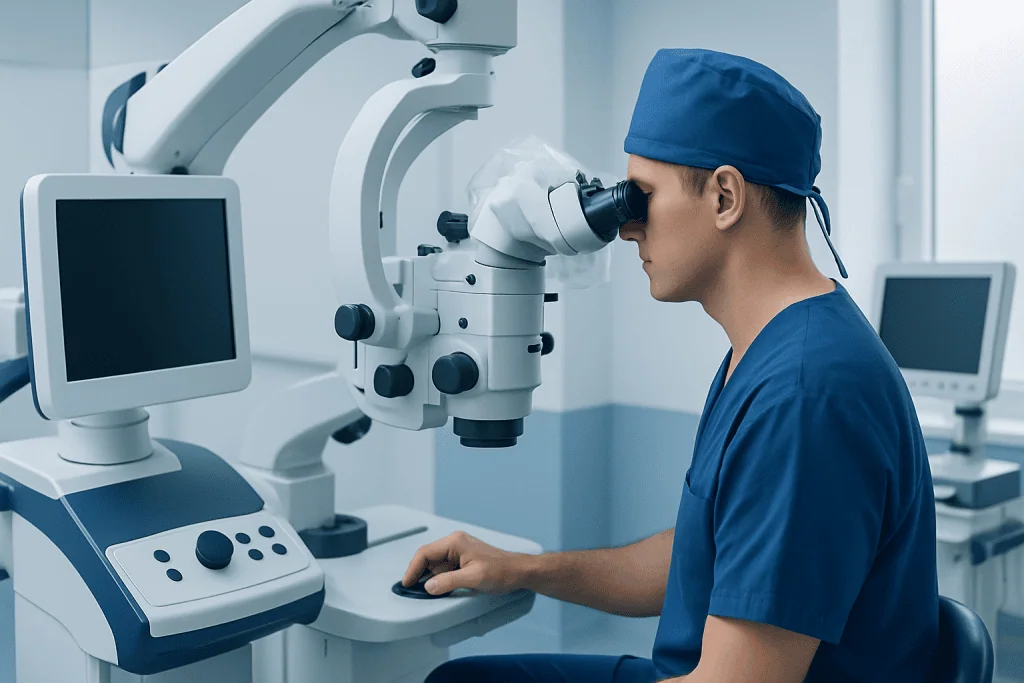
A neurosurgeon is a medical doctor who specializes in surgical and sometimes non-surgical care for disorders of the nervous system. This can include conditions involving the brain, spine, spinal cord, and nerves. Although the title suggests surgery alone, neurosurgeons also evaluate patients, interpret scans, recommend treatment plans, and guide long-term follow-up care.
They may help manage a wide range of conditions, such as brain tumors, spinal disorders, head injuries, nerve compression, and certain vascular problems in the brain. In practice, some neurosurgeons focus more on the brain, while others concentrate on the spine, pediatric neurosurgery, skull base surgery, or functional neurosurgery.
The complexity of these conditions helps explain why training is so long. Neurosurgeons must build deep knowledge in anatomy, critical care, imaging, surgical technique, and decision-making. They often work closely with neurologists, radiologists, anesthesiologists, rehabilitation specialists, and intensive care teams.
Patients may encounter neurosurgeons during evaluation for issues such as brain tumors or chronic spinal problems. In some cases, treatment can involve advanced procedures such as Gamma Knife radiosurgery or carefully planned brain tumor surgery, depending on the diagnosis and individual needs.
Step-by-Step Training Timeline
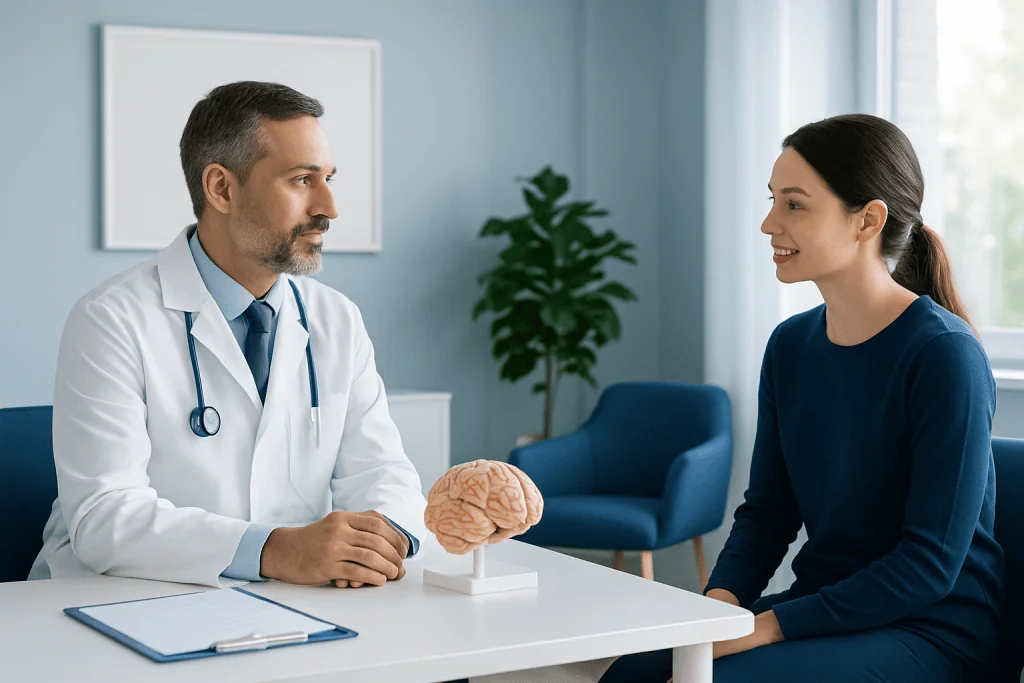
In many education systems, the journey begins with a bachelor’s degree or pre-medical university program, which often takes about four years. During this period, future medical students usually study biology, chemistry, physics, mathematics, and other foundational sciences. They also build research experience, communication skills, and a strong academic record.
After that comes medical school, which commonly lasts another four years. Medical school combines classroom learning with hospital-based clinical training. Students learn about the human body, disease processes, diagnosis, ethics, and patient care before rotating through major specialties such as internal medicine, surgery, pediatrics, and neurology.
Graduates who match into neurosurgery then begin residency training. Neurosurgery residency is long compared with many other specialties and often lasts six to eight years, depending on the country and training model. During residency, doctors care for patients under supervision, assist with and perform surgeries, manage emergencies, and gradually take on greater responsibility.
Some neurosurgeons also choose fellowship training after residency, usually for one or two additional years. Fellowships allow further expertise in areas such as pediatric neurosurgery, neuro-oncology, cerebrovascular surgery, spine surgery, or stereotactic techniques. For example, doctors working in complex spine care may become highly experienced in procedures such as spinal surgery.
Why Does It Take So Long?
Neurosurgery involves some of the most delicate structures in the human body. Small differences in surgical planning or technique can have major effects on movement, sensation, language, memory, and other vital functions. Because of this, neurosurgeons need prolonged training to develop both technical skill and sound clinical judgment.
Another reason for the long timeline is the wide scope of the specialty. Neurosurgeons must understand anatomy in exceptional detail, interpret advanced imaging, recognize neurological symptoms, and manage critically ill patients. They also need to learn when surgery is the best option and when non-surgical treatment or observation may be safer and more appropriate.
Residency is designed to expose trainees to many kinds of cases, from emergency trauma to planned tumor surgery and spine procedures. Repetition and supervision are essential. Over time, residents learn to make careful decisions, handle unexpected findings, and communicate clearly with patients and families during stressful moments.
The profession also demands professionalism, emotional resilience, teamwork, and lifelong learning. New technologies, imaging methods, and treatment techniques continue to shape the field, so neurosurgeons must keep updating their knowledge even after formal training ends.
Education, Exams, and Skills Needed
Academic excellence is important throughout the training pathway. Medical schools and neurosurgery residency programs are usually highly competitive, so candidates often need strong grades, test results, and meaningful clinical or research experience. Selection committees may also look for evidence of discipline, maturity, teamwork, and commitment to patient care.
Licensing exams are another major part of the journey. The exact examinations vary by country, but they generally assess scientific knowledge, clinical reasoning, and readiness for supervised or independent practice. In many systems, doctors must also meet national or regional board certification requirements before they can practice fully as specialists.
Technical ability matters, but personal qualities are equally important. Neurosurgeons need excellent concentration, steady hands, problem-solving ability, and the capacity to work under pressure. They also need empathy and communication skills, because patients facing brain or spine surgery often need clear explanations and reassurance.
Research is also common in neurosurgery training. Some residents spend additional time in laboratories or clinical studies, especially if they plan an academic career. This can add to the total timeline, but it helps advance medical knowledge and improve future treatment approaches.
Does the Timeline Vary by Country or Subspecialty?
Yes. The total length of training can vary between countries because educational systems are structured differently. In some places, students enter medical education directly after secondary school, while in others they first complete a separate university degree. Licensing and certification rules also differ, which can affect the overall timeline.
Subspecialty choices can extend training as well. A neurosurgeon who focuses on pediatric brain disorders, skull base surgery, epilepsy surgery, or advanced neuro-oncology may pursue one or more fellowships. This is not always required, but it can be helpful for doctors who want concentrated expertise in a narrow area of practice.
Career setting also matters. A neurosurgeon planning to work mainly in academic medicine may spend extra time in research, teaching, or advanced fellowship training. Someone planning a community-based practice may follow a somewhat different path, depending on local regulations and service needs.
For patients, this variation is useful to understand because it explains why one neurosurgeon’s background may look slightly different from another’s. What matters most is whether the doctor has completed recognized medical and surgical training, appropriate certification, and ongoing professional development in their area of practice.
What Patients Should Know When Choosing a Neurosurgeon
Patients do not need to memorize every step of neurosurgical training, but it can help to know the basics when choosing a specialist. A qualified neurosurgeon should have completed accredited medical education, formal residency training in neurosurgery, and any relevant licensing or board certification required in that country or region.
It is also reasonable to ask about the surgeon’s experience with a specific condition or procedure. Some neurosurgeons have particular expertise in brain tumors, spine surgery, vascular disorders, or minimally invasive techniques. For related care, patients may also be referred for treatment of herniated disc or other spine conditions that overlap with neurosurgical practice.
Good care also depends on the wider hospital team. Neurosurgery is often supported by advanced imaging, intensive care, anesthesia, rehabilitation, pathology, and neurology services. A multidisciplinary setting can be especially important for people with complex or serious neurological conditions.
Near the end of the care journey, many patients value coordinated support for diagnosis, treatment planning, and recovery. Acibadem International’s multidisciplinary specialists and JCI-accredited hospitals diagnose and treat neurosurgical conditions for international patients, with care planned around the individual diagnosis and treatment goals.
When to Seek Neurosurgical Advice
People do not need to see a neurosurgeon simply because they have a headache or back pain. Many common symptoms are caused by conditions that improve with primary care, neurology care, rehabilitation, or other non-surgical treatment. However, certain symptoms may lead a doctor to recommend neurosurgical evaluation.
Examples include persistent or worsening neurological symptoms, weakness, numbness, balance problems, seizures, severe spine-related pain with nerve compression, or imaging findings that suggest a structural problem in the brain or spine. Referral may also be needed after trauma, or when a tumor, bleeding, hydrocephalus, or spinal cord compression is suspected.
Urgent medical attention is important for sudden severe symptoms such as sudden weakness, confusion, loss of consciousness, seizures, severe head injury, or sudden changes in speech or vision. These symptoms do not always mean surgery is needed, but they should be assessed quickly by qualified medical professionals.
For anyone considering neurosurgery as a career, it is equally wise to seek reliable guidance early. Speaking with medical schools, licensed physicians, and official training bodies can provide the most accurate country-specific information about the years of study, exams, and specialty requirements involved.
Frequently asked questions
How many years does it usually take to become a neurosurgeon?
In many countries, it takes about 14 to 16 years after high school. This usually includes undergraduate study, medical school, and neurosurgery residency, with extra time if fellowship training is added.
Is neurosurgery residency longer than other residencies?
Yes, neurosurgery residency is generally one of the longest medical training programs. The extended timeline reflects the complexity of brain, spine, and nerve surgery and the need for broad clinical experience.
Do all neurosurgeons complete fellowship training?
No, fellowship training is not always required. However, many neurosurgeons choose it to gain advanced expertise in areas such as pediatric neurosurgery, spine surgery, neuro-oncology, or cerebrovascular surgery.
Can someone become a neurosurgeon right after medical school?
Not immediately as an independent specialist. After medical school, a doctor must still complete neurosurgery residency and meet licensing or certification requirements before practicing fully as a neurosurgeon.
Why is neurosurgery training so competitive?
Neurosurgery requires strong academic performance, technical ability, emotional resilience, and long-term commitment. Training positions are limited, and the specialty demands a very high level of responsibility and precision.
Does the training path differ from one country to another?
Yes, the exact structure can vary. Some countries begin medical training directly after secondary school, while others require a separate undergraduate degree first, and licensing systems may also differ.
References
- World Federation of Neurosurgical Societies
- American Association of Neurological Surgeons
- National Institute of Neurological Disorders and Stroke
- World Health Organization
- Accreditation Council for Graduate Medical Education
This article is for general information only and is not a substitute for professional medical advice. Please consult a qualified doctor about your individual situation.
Joint and spine care in Turkey — expert assessment & treatment
JCI-accredited · board-certified surgeons · reply within 24h
Add us as a Preferred Source to see more of our trusted health content across Google Search, AI Overviews and Discover.

Neurosurgery
Surgical treatment of the brain, spine and nervous system, including minimally invasive and functional procedures.
70 specialists in this unitMore from the Health Library


Related Specialists

Fzt. Tuğçe Kahraman
Physical Medicine & Rehabilitation
Prof. Dr. Ali Akyüz
General Surgery
Dr. Mustafa Sungur
Orthopedic Surgery & Traumatology
Assoc. Prof. Dr. Esma Kobak Tur
Neurology