How Long Does It Take to Die From Sepsis? A Doctor-Reviewed Answer

Sepsis can progress quickly, sometimes within hours, but timing varies from person to person. Prompt treatment with fluids, antibiotics, oxygen, and monitoring can be lifesaving.
Key Takeaways
- Sepsis can progress quickly, sometimes within hours, but timing varies from person to person.
- Prompt treatment with fluids, antibiotics, oxygen, and monitoring can be lifesaving.
- Fever, confusion, fast breathing, low blood pressure, extreme weakness, and reduced urination are important warning signs.
- Older adults, infants, pregnant people, and those with weakened immune systems have higher risk.
- Doctors diagnose sepsis by examining symptoms, checking vital signs, and looking for signs of infection and organ stress.
How long it takes to die from sepsis does not have one fixed answer. Sepsis can become life-threatening within hours in some people, while others worsen over days, which is why early medical evaluation and treatment are so important.
Overview: the short answer
There is no single timetable for how long it takes to die from sepsis. In some people, sepsis can become critical within hours; in others, it develops over one to several days. The key point is that sepsis is a medical emergency because the body’s response to infection can rapidly affect blood pressure, breathing, kidney function, and the brain.
Most everyday infections do not turn into sepsis, and many fevers, coughs, urinary infections, and skin infections are treated successfully without serious complications. Still, when an infection is followed by confusion, unusual sleepiness, severe shortness of breath, bluish or mottled skin, very low urine output, or a dramatic drop in blood pressure, urgent care is needed right away.
What matters most is not trying to predict an exact number of hours or days, but recognizing that delay increases risk. Early treatment can stop progression, support the organs, and greatly improve the chance of recovery.
What sepsis is and why it can become dangerous
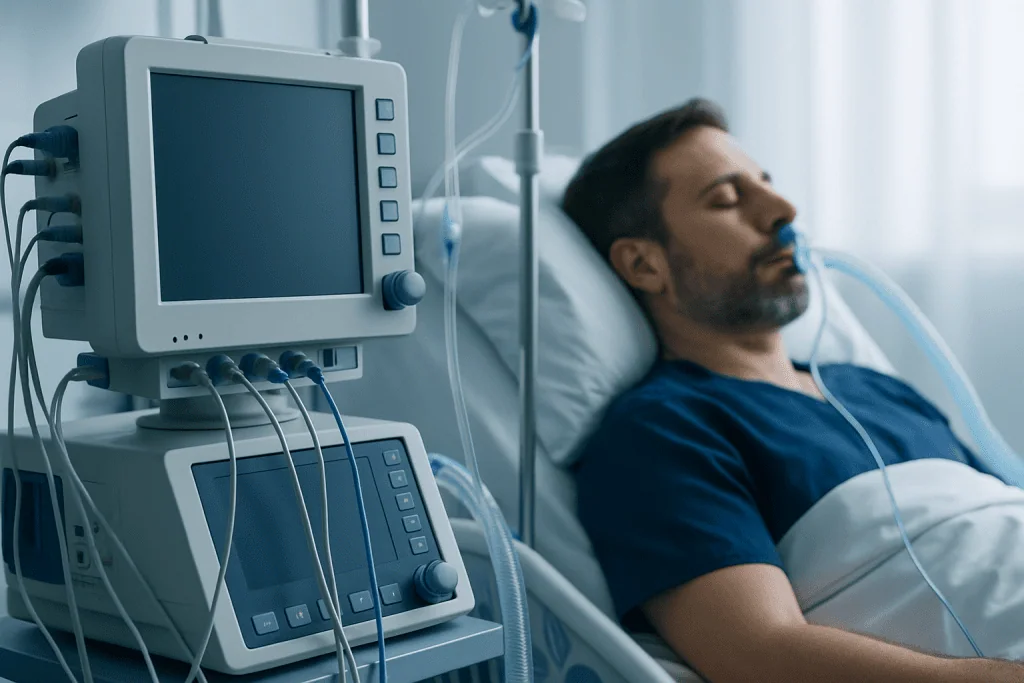
Sepsis is the body’s extreme and harmful response to an infection. The infection may start in the lungs, urinary tract, abdomen, skin, bloodstream, or another part of the body. Instead of staying limited to the original site, the immune response becomes widespread and can injure the body’s own tissues and organs.
As sepsis progresses, blood vessels may become leaky, circulation may worsen, and organs may not receive enough oxygen and nutrients. This is why sepsis can lead to acute kidney injury, breathing failure, confusion, heart strain, or shock. Septic shock is the most severe form, usually involving dangerously low blood pressure and signs that organs are failing.
People sometimes confuse sepsis with the infection itself. The problem is not only the infection, but also how the body reacts to it. Because of this, two people with similar infections can become ill at very different speeds.
Doctors may also look for the original source of infection, such as sepsis related to pneumonia, a urinary infection, or an abdominal problem. Treating both the infection and the body’s stressed organs is what makes care time-sensitive.
How quickly can sepsis progress?

Sepsis can worsen very quickly. In a person whose immune system is overwhelmed, blood pressure may fall and mental status may change within hours. In other cases, the illness develops more gradually over a day or two, starting with fever, pain, or fatigue and later progressing to confusion, rapid breathing, or collapse.
The speed depends on several factors: the type of infection, where it started, how aggressive the bacteria or other germ is, the person’s age, and whether they have conditions such as diabetes, cancer, kidney disease, or a weakened immune system. Delayed treatment also allows the infection and inflammatory response more time to damage organs.
It is important not to wait for every symptom to appear. A person can look only mildly unwell at first and still deteriorate quickly. That is why clinicians focus on the overall pattern: suspected infection plus warning signs such as low blood pressure, rising heart rate, fast breathing, confusion, severe weakness, or reduced urination.
In hospitals, teams watch closely for signs of shock and organ dysfunction because rapid changes can happen even after arrival. Early monitoring, oxygen support, intravenous fluids, lab tests, and intensive care support may be needed if a patient becomes unstable.
Symptoms and red flags to watch for
Sepsis often begins with symptoms of an infection, such as fever, chills, cough, painful urination, abdominal pain, or a red, painful wound. What raises concern is when the person also seems much more unwell than expected or starts to show signs that the whole body is under strain.
Warning signs can include confusion, new disorientation, extreme drowsiness, fast breathing, severe shortness of breath, a racing heartbeat, clammy or mottled skin, very little urine, intense shivering, or feeling suddenly much worse. Some people have a high fever, but others—especially older adults or people with weaker immune systems—may have a low or even normal temperature.
In children and older adults, symptoms may be less specific. Refusing feeds, unusual irritability, limpness, difficulty waking, a weak cry, or new confusion can all be important. Caregivers should trust sudden changes in behavior or alertness, especially if there is a known or suspected infection.
- Fever or unusually low temperature
- Fast heart rate or fast breathing
- Confusion, fainting, or trouble staying awake
- Blue, pale, or mottled skin
- Severe weakness or inability to stand
- Little or no urination
Who is at higher risk of severe sepsis?
Anyone can develop sepsis, but some groups are more vulnerable to severe illness and faster deterioration. These include infants, adults over 65, pregnant or recently postpartum patients, and people with long-term conditions such as diabetes, liver disease, kidney disease, heart disease, or chronic lung disease.
Risk is also higher in people with weakened immune systems. This may include those receiving chemotherapy, taking long-term steroids or immune-suppressing medicines, living with advanced cancer, or recovering from major surgery. Invasive devices such as urinary catheters, intravenous lines, or breathing tubes can also increase infection risk.
Certain infections are more likely to trigger sepsis, especially pneumonia, kidney infections, abdominal infections, infected wounds, and bloodstream infections. A person who has recently had surgery, been hospitalized, or had a severe injury may need especially close attention for signs of worsening infection.
Knowing these risk factors can help families seek care sooner. It does not mean sepsis is inevitable, but it does mean that new infection symptoms should be taken more seriously in high-risk people.
How doctors diagnose sepsis
Doctors do not diagnose sepsis based on one symptom or one blood test alone. They look at the whole picture: signs of infection, the patient’s vital signs, level of alertness, breathing, circulation, and whether organs appear to be under stress. Because timing matters, assessment often begins immediately in the emergency department or urgent care setting.
Common tests include blood tests, blood cultures, urine tests, and checks of kidney and liver function, blood oxygen, lactate, and markers of inflammation. Doctors may also order a chest X-ray, ultrasound, CT scan, or other imaging to find the source of the infection. If there is concern for a serious spread of infection, advanced evaluation such as urgent diagnostic assessment may be part of the overall workup.
Clinicians also watch trends over time. A single blood pressure reading or lab value may not tell the full story, but repeated changes can show that sepsis is improving or worsening. This close monitoring is one reason hospital care is often needed.
If another serious infection-related condition is suspected, doctors may also assess for complications linked to septic shock or organ failure. The goal is to identify the infection source quickly and begin treatment before more damage occurs.
Treatment options and why early care matters
Treatment for sepsis starts as soon as doctors suspect it. This usually includes intravenous fluids, antibiotics when a bacterial infection is likely, oxygen if needed, and careful monitoring of blood pressure, urine output, and organ function. In some cases, the source of infection must be drained or removed, such as an abscess or infected device.
If blood pressure remains dangerously low or breathing becomes difficult, treatment may escalate to intensive care. Some patients need medications to support blood pressure, mechanical ventilation, kidney support, or other advanced therapies. The exact treatment depends on the infection source, the person’s underlying health, and how severely the organs are affected.
Early treatment matters because sepsis is often reversible in its earlier stages. The longer shock and poor circulation continue, the greater the risk of organ damage and death. This is why prompt antibiotics, fluid resuscitation, and close observation are standard parts of care.
For patients who need a higher level of support, hospitals may provide ICU care while specialists treat both the infection and any organ complications. Near the end of the care pathway, Acibadem International’s multidisciplinary specialists and JCI-accredited hospitals diagnose and treat sepsis for international patients when advanced evaluation and hospital-based treatment are needed.
When to seek medical care
People should seek urgent medical care if they have a possible infection and also develop confusion, trouble breathing, bluish or mottled skin, fainting, severe weakness, chest pain, very low urine output, or a sense that they are rapidly getting worse. These are not symptoms to watch at home for long periods.
It is also wise to seek prompt assessment for infection symptoms in babies, older adults, pregnant people, or anyone with a weakened immune system, even if the symptoms seem less dramatic. In these groups, sepsis may present subtly at first and then worsen quickly.
For milder infections without red flags, it is still important to contact a doctor if symptoms persist, return after improving, or are not responding to treatment. Early review can help prevent complications, especially if there is concern about pneumonia, a urinary infection, or a worsening wound.
A practical rule is simple: if a person with an infection looks far sicker than expected, becomes confused, struggles to breathe, or cannot stay awake, urgent emergency evaluation is the safest next step.
Frequently asked questions
Can sepsis kill within 24 hours?
Yes, sepsis can become life-threatening within 24 hours in some cases, especially if it progresses to septic shock. However, the exact timing varies, and rapid treatment can significantly improve outcomes.
What are the first signs of sepsis?
Early signs often include symptoms of infection plus feeling suddenly much worse than expected. Fever, chills, fast breathing, rapid heart rate, confusion, and severe weakness are common warning signs.
Does everyone with an infection get sepsis?
No. Most infections do not develop into sepsis and improve with appropriate treatment or self-limited recovery. Sepsis happens when the body’s response to infection becomes harmful and starts affecting organs.
Can sepsis be treated successfully?
Yes, many people recover from sepsis, especially when it is recognized and treated early. Treatment usually includes antibiotics when appropriate, fluids, oxygen, and close monitoring, with intensive care if needed.
Who is most at risk for dying from sepsis?
Risk is higher in older adults, infants, pregnant or recently postpartum patients, and people with chronic disease or weakened immune systems. Severe infections, delayed treatment, and septic shock also increase the risk.
Should someone with suspected sepsis go to the emergency room?
Yes, if there is a suspected infection along with red flags such as confusion, trouble breathing, fainting, mottled skin, or very low urine output, emergency care is appropriate. Sepsis needs prompt medical evaluation rather than home monitoring alone.
References
- World Health Organization
- Centers for Disease Control and Prevention
- National Institute for Health and Care Excellence
- Society of Critical Care Medicine
- Mayo Clinic
This article is for general information only and is not a substitute for professional medical advice. Please consult a qualified doctor about your individual situation.
Explore treatments in Turkey — costs, top hospitals & a free quote
JCI-accredited · board-certified surgeons · reply within 24h
Add us as a Preferred Source to see more of our trusted health content across Google Search, AI Overviews and Discover.
Check your numbers in seconds
BMI, calories, due date, blood pressure and 30+ more clinical calculators — free, instant, doctor-reviewed ranges.