How Long Does It Take to Get Braces on? A Doctor-Reviewed Answer

Most traditional braces are placed in about 1 to 2 hours. The appointment is usually painless, though the mouth may feel sore for a few days afterward.
Key Takeaways
- Most traditional braces are placed in about 1 to 2 hours.
- The appointment is usually painless, though the mouth may feel sore for a few days afterward.
- Treatment time can be longer if X-rays, spacers, extractions, or special appliances are needed.
- An orthodontist checks the teeth, bite, gums, and jaw before deciding on the best plan.
- Medical review is important if there is severe pain, swelling, fever, bleeding, or signs of infection.
Getting braces put on is usually straightforward and harmless. For most people, the appointment takes about 1 to 2 hours, although timing can vary based on the type of braces, the condition of the teeth, and whether other orthodontic steps are needed first.
Overview: the short answer
For most patients, the answer to how long does it take to get braces on is about 1 to 2 hours for a standard braces placement visit. In many cases, this is a routine dental and orthodontic procedure that does not involve surgery and is generally well tolerated.
The exact timing depends on several details, including whether the braces are metal or ceramic, how crowded or rotated the teeth are, and whether the orthodontist needs to place bands, spacers, or other attachments. Some people also have a separate consultation visit before braces are fitted, while others complete imaging, planning, and placement across more than one appointment.
Most people do not need urgent medical care after braces are placed. However, if severe swelling, fever, trouble swallowing, significant bleeding, or worsening pain develops, a dentist, orthodontist, or doctor should review the situation promptly. Before treatment, clinicians usually assess the teeth, gums, jaw alignment, and overall oral health to make sure braces are appropriate and safe.
What happens before braces are put on
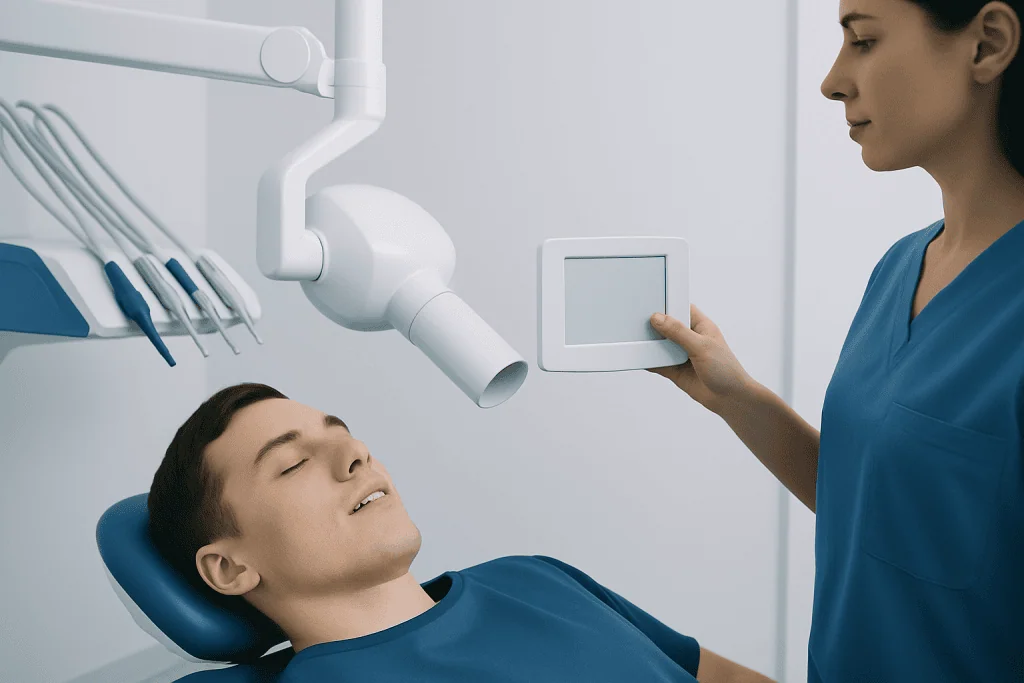
Before the day braces are attached, the orthodontist usually performs a detailed assessment. This often includes examining the bite, checking how the upper and lower teeth meet, reviewing gum health, and looking for tooth decay or other problems that should be treated first.
Diagnostic steps may include dental photographs, impressions or digital scans, and X-rays. These help the clinician understand tooth roots, jaw position, and spacing. In some cases, braces are delayed until cavities are treated, gums are healthier, or baby teeth have fallen out.
If a patient has more complex alignment concerns, the orthodontist may also discuss related conditions such as jaw mismatch or crowding. Depending on the findings, some patients may benefit from broader planning that can include care pathways similar to those used in orthodontic treatment planning or, in selected cases, evaluation of structural jaw concerns related to jaw conditions.
Step by step: what the braces appointment involves

On the day of placement, the teeth are first cleaned and dried so the brackets can bond properly. A cheek retractor may be used to keep the teeth visible and dry. The orthodontist then applies a special conditioner and bonding material to each tooth.
Next, each bracket is carefully positioned and attached. A curing light may be used to harden the adhesive. Once the brackets are secure, the orthodontist places the archwire through them and adds small elastic ties or clips, depending on the system being used. If molar bands are part of the plan, these may also be fitted.
At the end of the visit, the team usually explains how to brush around braces, which foods to avoid, and what discomfort is normal during the first few days. If needed, supportive care can include advice similar to general dental treatment follow-up and oral hygiene guidance.
Although the process can feel unfamiliar, it is usually not painful while it is being done. Patients more often describe pressure, stretching of the cheeks, or jaw tiredness from keeping the mouth open.
Why the timing can vary
Not every braces appointment takes the same amount of time. Straightforward cases may be completed in closer to an hour, while more detailed placements can take longer. The length of the visit often reflects the number of teeth involved and how customized the treatment plan is.
Several factors can affect timing:
- Type of braces, such as metal, ceramic, or self-ligating systems
- Whether both upper and lower arches are fitted on the same day
- The need for separators, bands, bite turbos, or other attachments
- Tooth crowding, rotation, or spacing issues
- Whether the patient needs extra instructions, cleaning, or comfort breaks during the appointment
In some patients, braces are only one part of treatment. Additional procedures may be needed before or during orthodontic care, such as removing problematic teeth, managing gum disease, or planning jaw-related treatment. In more advanced situations, the orthodontist may coordinate with specialists in maxillofacial surgery or other dental fields.
How it feels afterward and what recovery is like
After braces are fitted, it is common for the teeth and gums to feel tender for several days. This soreness often begins a few hours after the appointment and may last about 3 to 7 days. It is caused by the gentle pressure that starts moving the teeth, not by damage to the teeth themselves.
The inside of the cheeks or lips may also feel irritated at first as the mouth adjusts to the brackets. Orthodontic wax, soft foods, and careful cleaning can help during this period. Many patients return to school or work the same day, although they may prefer softer meals for a short time.
It is also normal to notice a temporary change in speech, especially with certain appliances. This usually improves as the tongue and lips adapt. If a bracket becomes loose or a wire starts poking the cheek, the orthodontic team should be contacted for advice.
When to seek medical care
Most discomfort after braces is mild and expected. Even so, some symptoms deserve prompt professional review. Patients should contact their orthodontist, dentist, or a doctor if pain is severe, swelling is increasing, there is persistent bleeding, or it becomes difficult to eat, swallow, or open the mouth normally.
Urgent assessment is especially important if there is fever, pus, a bad taste with swelling, facial redness, or signs of an allergic reaction such as rash, lip swelling, or breathing difficulty. These are not typical effects of routine braces placement and may point to infection, injury, or another dental problem that needs treatment.
People with untreated cavities, gum disease, jaw pain, or impacted teeth may need further evaluation. If there are concerns about underlying tooth or gum health, clinicians may recommend targeted care such as root canal treatment or periodontal assessment before orthodontic treatment continues.
Self-care tips before and after the appointment
Patients can make the experience smoother by arriving with clean teeth, eating a light meal beforehand, and allowing enough time for the appointment. It can also help to ask in advance whether bands, spacers, or records will be taken the same day, since these can affect timing.
After braces are placed, soft foods are often easiest for the first couple of days. Good choices may include yogurt, soups, eggs, pasta, rice, smoothies, and cooked vegetables. Hard, sticky, or chewy foods can damage brackets and wires, so the orthodontist usually recommends avoiding items such as popcorn, hard candy, chewing gum, and ice.
Oral hygiene becomes especially important with braces. Brushing carefully around brackets, cleaning between teeth, and attending follow-up visits help reduce the risk of plaque buildup, gum irritation, and tooth decay. Near the end of the treatment journey, some patients may go on to additional cosmetic or restorative care such as smile design if clinically appropriate.
For international patients who need assessment or treatment coordination, Acibadem International’s multidisciplinary specialists and JCI-accredited hospitals provide diagnosis and treatment support for orthodontic and related dental conditions.
Frequently asked questions
How long does it take to get braces on for the first time?
For most people, the first braces placement appointment takes about 1 to 2 hours. The exact time depends on the type of braces and whether the orthodontist is placing extra components such as bands or attachments.
Does getting braces put on hurt?
The placement itself is usually not painful, though it may feel awkward or cause pressure. Soreness often starts later the same day or the next day and usually improves within several days.
Why would a braces appointment take longer than expected?
Appointments can take longer if the teeth are more crowded, if both arches are being treated, or if records and planning are completed on the same day. Extra appliances, detailed bonding, or comfort breaks can also add time.
Can someone go back to school or work after getting braces?
Yes, most people can return to normal daily activities right after the appointment. They may prefer softer foods and may notice mild tenderness for a few days, but routine activities are usually still possible.
Is there anything to do before the braces appointment?
It helps to brush the teeth well and eat beforehand, since the mouth may feel tender afterward. Patients should also let the orthodontist know about dental pain, gum problems, allergies, or any recent dental treatment.
When should someone call the orthodontist after braces are placed?
A call is sensible if a bracket breaks, a wire is poking, or pain is stronger than expected. Prompt medical or dental review is important for swelling, fever, significant bleeding, or trouble swallowing or breathing.
This article is for general information only and is not a substitute for professional medical advice. Please consult a qualified doctor about your individual situation.
Explore treatments in Turkey — costs, top hospitals & a free quote
JCI-accredited · board-certified surgeons · reply within 24h
Add us as a Preferred Source to see more of our trusted health content across Google Search, AI Overviews and Discover.

More from the Health Library

How to Stop Lactose Intolerance Pain Immediately? Here Is What the Evidence Says

Can Ibuprofen Cause Constipation? A Doctor-Reviewed Answer

Does Goat Milk Have Lactose? Here Is What the Evidence Says

Can You Breastfeed After a Breast Reduction? Here Is What the Evidence Says

Are Sunflower Seeds Good for You? Here Is What the Evidence Says