How Long Does It Take Trichomoniasis to Turn Into HIV? Here Is What the Evidence Says

Trichomoniasis is caused by a parasite, while HIV is a virus; they are separate infections. Having trichomoniasis does not mean a person has HIV, but it can increase vulnerability to HIV during an exposure.
Key Takeaways
- Trichomoniasis is caused by a parasite, while HIV is a virus; they are separate infections.
- Having trichomoniasis does not mean a person has HIV, but it can increase vulnerability to HIV during an exposure.
- Many people with trichomoniasis have no symptoms, so testing is important after a possible sexually transmitted infection exposure.
- Trichomoniasis is treatable with prescription antimicrobial medicine, and sexual partners usually need assessment and treatment.
- HIV testing timing depends on the test used and when the possible exposure occurred.
Trichomoniasis does not turn into HIV, and there is no timeline in which one infection becomes the other. However, untreated trichomoniasis can cause genital inflammation that may make HIV easier to acquire or transmit if a person is exposed to HIV during sex.
Trichomoniasis Does Not Turn Into HIV
Trichomoniasis does not turn into HIV. They are caused by different organisms: trichomoniasis is an infection with the parasite Trichomonas vaginalis, whereas HIV is a virus that affects the immune system. Therefore, there is no number of days, weeks, months, or years in which trichomoniasis changes into HIV.
Most cases of trichomoniasis are treatable and do not cause serious long-term problems when identified and managed. The important connection is that an untreated sexually transmitted infection (STI), including trichomoniasis, may cause inflammation in genital tissues. If a person is exposed to HIV while this inflammation is present, HIV may be more likely to enter the body. This is an increased risk during exposure, not a conversion from one infection into another.
A person with trichomoniasis does not automatically have HIV, and a person with HIV does not necessarily have trichomoniasis. Testing is the only reliable way to know whether either infection is present. Prompt medical assessment can provide clarity, treatment, and practical advice for protecting partners.
Why Trichomoniasis Can Be Linked With HIV Risk
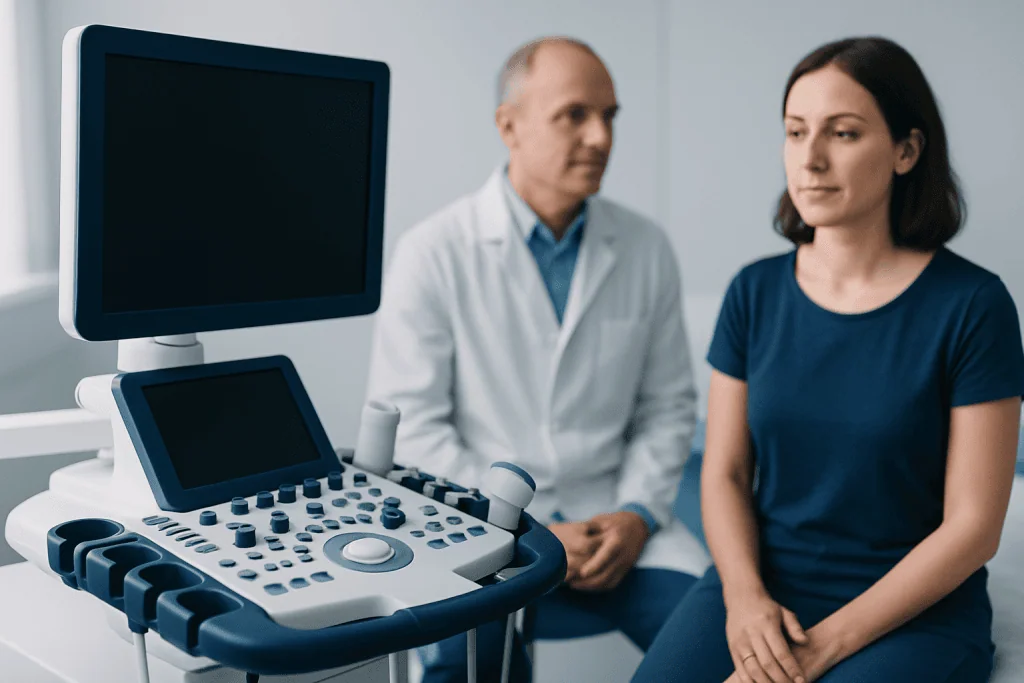
Trichomoniasis can irritate the vagina, cervix, urethra, or other genital tissues. Inflammation may lead to small areas of tissue disruption and an increased presence of immune cells at the site of infection. HIV targets certain immune cells, so inflamed genital tissue may create conditions that make HIV acquisition more likely if HIV is present in a sexual partner.
For people living with HIV, untreated trichomoniasis may also increase genital inflammation and, in some circumstances, the amount of HIV detectable in genital fluids. Effective HIV treatment that achieves and maintains an undetectable viral load prevents sexual transmission of HIV. Still, diagnosing and treating other STIs remains important for comfort, reproductive health, and overall sexual health.
The risk of HIV depends on several factors, including whether a partner has HIV, whether that partner has a detectable viral load, the type of sexual contact, condom use, use of HIV prevention medicines, and the presence of other STIs. Trichomoniasis is only one factor and does not determine a person’s HIV status on its own.
Symptoms: What May Be Noticeable and What May Not
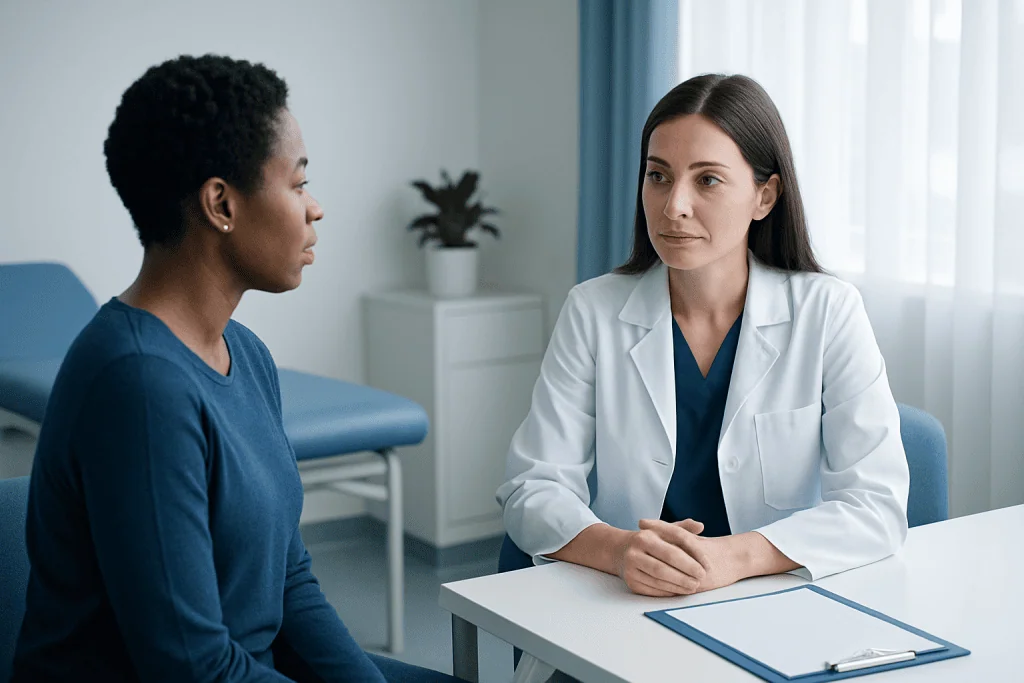
Trichomoniasis often causes no symptoms, especially in men, which is one reason it can be passed between partners without either person knowing. When symptoms occur, they may develop within days to weeks after exposure, but the timing can vary. Symptoms can also come and go, so their absence does not rule out infection.
In women, possible symptoms include vaginal itching, burning, redness, discomfort during urination or sex, and a change in vaginal discharge. Discharge may be thin, frothy, or have an unusual smell, although these features are not specific to trichomoniasis. In men, symptoms may include irritation inside the penis, burning after urination or ejaculation, or discharge from the penis.
HIV may cause no symptoms for a long time. Some people develop a short flu-like illness in the first weeks after acquiring HIV, such as fever, rash, sore throat, swollen glands, or fatigue, but these symptoms are common in many illnesses and cannot diagnose HIV. Anyone concerned about a possible exposure should arrange appropriate HIV testing rather than relying on symptoms.
How Doctors Test for Trichomoniasis and HIV
A clinician will usually begin by asking about symptoms, recent sexual contact, previous STIs, use of condoms or other barrier methods, and any possible HIV exposure. These questions are routine and confidential. They help determine which tests are appropriate and whether treatment should begin before results are available.
Trichomoniasis can be diagnosed with laboratory testing of a vaginal swab, cervical swab, urethral sample, urine sample, or other suitable specimen. Nucleic acid amplification tests are highly accurate and may be used even when symptoms are mild or absent. A clinician may also recommend tests for other STIs, such as chlamydia, gonorrhea, syphilis, hepatitis B, and hepatitis C, depending on the person’s circumstances.
HIV testing may involve a laboratory antigen/antibody blood test, a rapid test, or a nucleic acid test in selected situations. No test detects every very recent infection immediately. A clinician can explain when to test after a possible exposure and whether repeat testing is needed to confirm a result. Testing is a straightforward way to replace uncertainty with a clear plan.
Treatment and Partner Care
Trichomoniasis is treated with prescription antimicrobial medicine. The correct medicine and treatment schedule depend on factors such as sex, pregnancy status, symptoms, previous treatment, and the possibility of reinfection. It is important to take the medication exactly as prescribed and to tell the clinician about allergies, pregnancy, breastfeeding, or other medicines being taken.
Sexual partners should be informed, assessed, and usually treated at the same time, even if they do not have symptoms. This helps prevent reinfection. Patients are generally advised to avoid sexual activity until they and their partner or partners have completed treatment and symptoms have resolved, following the advice of their clinician.
Because reinfection is relatively common, follow-up testing may be advised, particularly for women. A positive trichomoniasis result is also a useful opportunity to discuss broader STI screening, contraception if relevant, condoms, HIV prevention options, and any concerns about sexual wellbeing in a non-judgmental setting.
Prevention and Reducing Future HIV Risk
Using condoms consistently and correctly can reduce the chance of trichomoniasis and many other STIs, including HIV. Condoms do not remove all STI risk because some infections can spread through skin-to-skin contact, but they remain an effective and accessible prevention method. Limiting exposure to untreated STIs through regular testing and partner communication is also helpful.
For people with an ongoing chance of HIV exposure, a clinician may discuss pre-exposure prophylaxis (PrEP), medicine that can substantially reduce the risk of acquiring HIV when taken as prescribed. If a possible HIV exposure occurred very recently, post-exposure prophylaxis (PEP) may be considered. PEP needs to be started as soon as possible and no later than 72 hours after a potential exposure, so urgent medical advice is important.
People living with HIV can protect their health by taking effective antiretroviral treatment as prescribed. Achieving and maintaining an undetectable viral load means HIV is not sexually transmitted, a principle known as undetectable equals untransmittable, or U=U. Regular screening and timely treatment for other STIs remain part of comprehensive care.
When to Seek Medical Care
Medical care should be sought soon for new genital discharge, itching, burning with urination, genital sores, pelvic discomfort, testicular pain, or pain during sex. These symptoms can have several causes, and a clinician can identify the most appropriate tests and treatment. It is also sensible to arrange STI testing after sex with a partner known to have an STI or after a new or unprotected sexual exposure.
Urgent care is appropriate if a person may have been exposed to HIV within the previous 72 hours, as PEP may be an option. Urgent assessment is also important for severe lower abdominal or pelvic pain, fever with pelvic symptoms, severe testicular pain or swelling, symptoms during pregnancy, or sexual assault. These situations need prompt, compassionate medical support.
There is no need to wait for symptoms before seeking advice. Clinicians can provide confidential STI and HIV testing, discuss prevention, and explain results clearly. Acibadem International’s multidisciplinary specialists and JCI-accredited hospitals diagnose and treat sexually transmitted infections for international patients.
Frequently asked questions
Can trichomoniasis become HIV over time?
No. Trichomoniasis cannot become HIV because they are different infections caused by different organisms. Trichomoniasis may increase the chance of acquiring HIV if a person is exposed to HIV during sex, but it does not create HIV in the body.
If I have trichomoniasis, should I get an HIV test?
It is often appropriate to discuss HIV testing with a clinician after a trichomoniasis diagnosis, especially if there has been unprotected sex, a new partner, or other STI risk factors. A clinician may also recommend testing for other STIs. Testing recommendations are individualized according to exposure history and local guidance.
How soon after sex can HIV be detected?
The timing depends on the type of HIV test and when the exposure occurred. Laboratory antigen/antibody tests generally detect infection earlier than some rapid antibody-only tests, while nucleic acid testing may be used for very recent high-risk exposure. A healthcare professional can advise on the right test and whether it should be repeated.
Can trichomoniasis go away without treatment?
Symptoms may lessen or disappear, but the infection can persist and still be passed to partners. Treatment with prescribed medication is recommended to clear the infection and reduce complications and reinfection. Partners typically need evaluation and treatment as well.
Does having trichomoniasis mean my partner has been unfaithful?
Not necessarily. Trichomoniasis can remain present without symptoms, and it is often not possible to determine exactly when the infection was acquired. A positive result should be approached as a health issue that needs treatment and partner communication, rather than as proof of when or from whom it was transmitted.
What should I do if I think I was exposed to HIV recently?
Seek urgent medical advice immediately, particularly if the possible exposure was within the past 72 hours. A clinician can assess whether PEP is appropriate and arrange HIV and STI testing. Do not wait for symptoms, because early assessment is important.
References
- Centers for Disease Control and Prevention
- World Health Organization
- U.S. Department of Health and Human Services HIVinfo
- National Health Service
- European Centre for Disease Prevention and Control
This article is for general information only and is not a substitute for professional medical advice. Please consult a qualified doctor about your individual situation.
Explore treatments in Turkey — costs, top hospitals & a free quote
JCI-accredited · board-certified surgeons · reply within 24h
Add us as a Preferred Source to see more of our trusted health content across Google Search, AI Overviews and Discover.