How Long Is the Colon? Here Is What the Evidence Says

The average adult colon is about 5 feet long, but normal variation is common. Colon length can differ because of body size, anatomy, age, and how the bowel is measured.
Key Takeaways
- The average adult colon is about 5 feet long, but normal variation is common.
- Colon length can differ because of body size, anatomy, age, and how the bowel is measured.
- A longer colon does not automatically mean disease and often causes no symptoms.
- Constipation, persistent abdominal pain, bleeding, or unexplained weight loss deserve medical review.
- Doctors may use history, examination, colonoscopy, or imaging to understand bowel symptoms and anatomy.
In most adults, the colon is about 5 feet (around 1.5 meters) long, but normal length varies from person to person. A longer or more looped colon is often harmless, though ongoing digestive symptoms or warning signs should be assessed by a doctor.
Overview: how long is the colon?
For most adults, the answer to the question how long is the colon is about 5 feet, or roughly 1.5 meters. This is an average, not a fixed number. Like height or shoe size, colon length naturally varies from one person to another, and that variation is often completely harmless.
The colon is the main part of the large intestine. It begins where the small intestine ends and continues through the cecum, ascending colon, transverse colon, descending colon, sigmoid colon, and finally the rectum. Its job is to absorb water and electrolytes, process waste, and store stool before a bowel movement.
Many people ask about colon length after reading a scan report, preparing for a colonoscopy, or trying to understand constipation, bloating, or abdominal discomfort. In many cases, a difference in colon length does not cause problems by itself. What matters more is whether there are symptoms, changes in bowel habits, or signs of an underlying digestive condition.
What counts as a normal colon length?
There is no single “perfect” colon length. Anatomical studies and imaging reports generally place the adult colon at around 150 centimeters on average, but shorter and longer measurements can still fall within a normal range. Some people have a colon that is more redundant, meaning it has extra loops or turns, especially in the sigmoid or transverse colon.
Part of the reason measurements differ is that the colon is flexible rather than rigid. Its length can appear different depending on how it is measured, whether the bowel is stretched or relaxed, and whether the estimate comes from surgery, imaging, colonoscopy, or anatomical research. This is why one source may report a somewhat different average from another.
The colon is also distinct from the entire large intestine. When people ask “how long is the large intestine,” they may mean the colon alone or the colon plus the rectum and anal canal. In everyday health information, the colon makes up most of the large intestine, so the two are often discussed together, but they are not exactly identical structures.
Why colon length varies from person to person

Several factors may influence colon length and shape. Genetics and normal developmental anatomy play a large role. Some people are simply born with a longer or more mobile colon, while others have a more compact bowel configuration.
Body build, age-related tissue changes, previous abdominal surgery, and chronic bowel habits may also affect how the colon sits within the abdomen. A person with a long, looped sigmoid colon may never know it unless imaging or colonoscopy is performed for another reason. In other cases, an elongated colon may be noticed when investigating persistent constipation.
A longer colon is sometimes described as a redundant colon or dolichocolon. This term refers to extra length or looping rather than an inflammatory or cancerous disease. It may be completely incidental, though in some people it can contribute to slower stool movement, abdominal bloating, or difficulty with bowel evacuation. If symptoms are ongoing, a gastroenterology review can help determine whether anatomy is actually relevant or whether another issue such as constipation is the main cause.
Does a long colon cause symptoms?
Often, no. Many people with a longer-than-average colon have no symptoms at all and do not need treatment. The finding may only come up during a routine colonoscopy, abdominal imaging, or evaluation for unrelated digestive concerns.
When symptoms do occur, they are usually nonspecific. They may include bloating, a sense of incomplete emptying, infrequent bowel movements, cramping, or abdominal discomfort. These symptoms are common and can also happen with diet changes, dehydration, irritable bowel syndrome, pelvic floor dysfunction, medication side effects, or low physical activity.
More rarely, unusual looping of the colon can increase the risk of twisting, called volvulus, especially in the sigmoid colon. This is uncommon but important because it can cause sudden pain, major abdominal swelling, vomiting, and inability to pass stool or gas. A person with these symptoms needs urgent medical assessment.
It is also important not to assume that all bowel symptoms are due to colon length. Ongoing changes in bowel habits can be linked to infections, inflammation, polyps, structural narrowing, or conditions such as colon cancer. Most symptoms are not caused by cancer, but warning signs should not be ignored.
How doctors evaluate colon length and bowel symptoms
If someone is concerned about colon length or digestive symptoms, a doctor usually starts with a medical history and physical examination. They will ask about bowel frequency, stool consistency, bleeding, pain, bloating, weight changes, medications, diet, fluid intake, and family history of bowel disease.
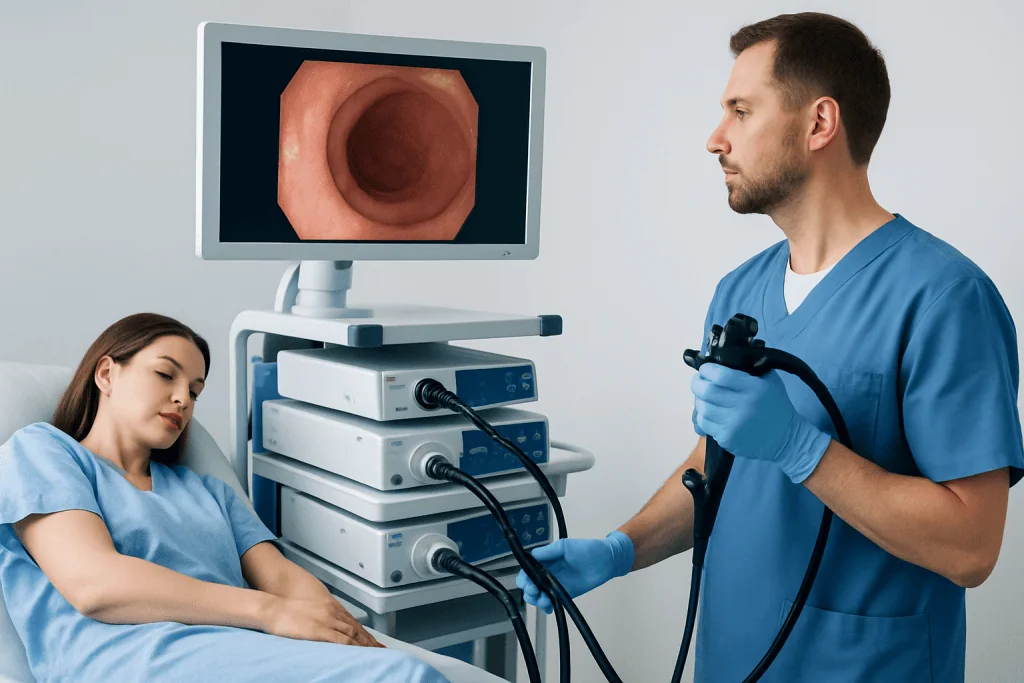
Testing depends on the symptoms rather than on colon length alone. Common diagnostic tools may include blood tests, stool tests, abdominal X-rays, CT scans, or endoscopic evaluation. A colonoscopy can help examine the inner lining of the colon, identify polyps or inflammation, and investigate unexplained bleeding, anemia, or persistent bowel changes.
In some situations, doctors use imaging to assess the position and shape of the bowel, especially if there is concern about obstruction, severe constipation, or volvulus. If symptoms suggest a functional bowel problem rather than a structural one, the evaluation may also focus on motility and pelvic floor function. The goal is to understand whether symptoms come from anatomy, bowel movement patterns, or another digestive disorder such as Crohn’s disease or ulcerative conditions affecting the bowel.
What treatment may be needed
Colon length itself usually does not need treatment if it is simply a normal anatomical variant and causes no problems. Management is based on symptoms, quality of life, and whether any complication or underlying disease is present. In many cases, the focus is on improving bowel habits and reducing discomfort rather than changing the anatomy.
For constipation-related symptoms, doctors may recommend more fluids, gradual increases in fiber when appropriate, regular physical activity, and careful review of medicines that may slow the bowel. Some people benefit from stool-softening strategies, bowel training, or treatment for pelvic floor dysfunction. If symptoms are persistent, a specialist may suggest further testing to confirm the cause before treatment is adjusted.
When doctors identify another condition, treatment is directed at that problem. This may include care for inflammation, polyps, strictures, or other gastrointestinal disease. If there is a serious complication such as obstruction or volvulus, hospital-based treatment may be needed promptly. Depending on the situation, this could involve endoscopic management or, less commonly, colon and rectal surgery.
For people needing specialist assessment, Acibadem International’s multidisciplinary teams in JCI-accredited hospitals evaluate digestive complaints and provide appropriate medical, endoscopic, and surgical care for international patients.
Self-care and prevention for everyday bowel health
Although a person cannot usually change the natural length of the colon, they can support healthy bowel function. Regular meals, adequate hydration, physical movement, and a balanced diet that includes fiber-rich foods can help many people maintain more comfortable and predictable bowel habits. Fiber should usually be increased gradually, because a sudden increase may worsen bloating in some individuals.
It may also help to respond to the urge to have a bowel movement rather than delaying it repeatedly. Some people find that setting aside unhurried time after breakfast or another regular meal encourages a more reliable bowel routine. Review of supplements and medications is also worthwhile, since iron, some pain medicines, and other drugs may contribute to constipation.
Self-care is not a substitute for medical review if symptoms are ongoing or changing. Laxatives and digestive remedies can be useful in selected cases, but persistent need for them should be discussed with a doctor. If symptoms suggest a structural or inflammatory problem, more targeted evaluation may be necessary, including advanced imaging or gastroenterology care.
When to seek medical care
Questions about colon length are often harmless, especially when there are no symptoms. Still, medical advice is important if bowel changes are new, persistent, or affecting daily life. This includes ongoing constipation, repeated abdominal pain, bloating that does not settle, or trouble emptying the bowels.
Prompt medical review is also needed for red-flag symptoms such as rectal bleeding, black stools, unexplained iron-deficiency anemia, fever, vomiting, significant abdominal swelling, unexplained weight loss, or a noticeable change in usual bowel habits. These findings do not always mean a serious disease, but they should be assessed properly rather than attributed to colon length alone.
Urgent care is especially important for severe abdominal pain, inability to pass stool or gas, repeated vomiting, or sudden abdominal distension, as these can suggest bowel obstruction or volvulus. A doctor can decide whether symptoms are related to anatomy, a functional bowel disorder, or another condition that needs timely treatment.
Frequently asked questions
How long is the colon in adults?
In most adults, the colon is about 5 feet long, or around 1.5 meters. This is an average figure, and normal length can vary from person to person.
Is a longer colon dangerous?
Not usually. Many people have a longer or more looped colon without any health problems. It becomes medically relevant mainly if it is linked to persistent constipation, abdominal symptoms, or a rare complication such as twisting of the bowel.
Is the colon the same as the large intestine?
The colon is the main part of the large intestine, but the terms are not exactly identical. The large intestine includes the colon as well as the rectum and anal canal.
Can doctors measure colon length exactly?
Doctors can estimate colon length, but the number is not always exact because the colon is flexible and can loop or stretch. Measurements may differ depending on whether they come from imaging, colonoscopy, surgery, or anatomical studies.
Can a long colon cause constipation?
It can in some people, because extra length or looping may slow the movement of stool. However, constipation has many possible causes, so a long colon should not be assumed to be the only explanation.
When should someone worry about colon-related symptoms?
Medical review is important if there is persistent constipation, ongoing abdominal pain, blood in the stool, unexplained weight loss, vomiting, or a major change in bowel habits. Severe pain, marked bloating, or inability to pass stool or gas needs urgent assessment.
References
- National Institute of Diabetes and Digestive and Kidney Diseases
- National Cancer Institute
- American College of Gastroenterology
- Merck Manual Consumer Version
- Cleveland Clinic
This article is for general information only and is not a substitute for professional medical advice. Please consult a qualified doctor about your individual situation.
Persistent digestive symptoms? Get evaluated in Turkey
JCI-accredited · board-certified surgeons · reply within 24h
Add us as a Preferred Source to see more of our trusted health content across Google Search, AI Overviews and Discover.

More from the Health Library



Related Specialists

Fzt. Gizem Adlı
Physical Medicine & Rehabilitation
Prof. Dr. Halil Koyuncu
Physical Medicine & Rehabilitation
Dr. Nihan Ölmez
Radiology
Dr. İbrahim Keskin
Emergency Service