How Many Polyps Are Normal in a Colonoscopy: Preparation, Procedure and Results

Having zero polyps is common, but finding one or more polyps does not automatically mean cancer. Most colon polyps are benign, and removing them during colonoscopy can help prevent colorectal cancer.
Key Takeaways
- Having zero polyps is common, but finding one or more polyps does not automatically mean cancer.
- Most colon polyps are benign, and removing them during colonoscopy can help prevent colorectal cancer.
- A doctor can assess a polyp’s appearance during colonoscopy, but pathology is needed to confirm whether cancer or precancerous changes are present.
- The number, size and microscopic type of polyps determine the recommended surveillance interval.
- Good bowel preparation is important because it helps the clinician identify and safely remove small polyps.
There is no single “normal” number of polyps in a colonoscopy: many people have none, while others have one or several. What matters most is each polyp’s size, appearance, location and pathology result, which help determine cancer risk and the timing of the next colonoscopy.
Overview: How Many Polyps Are Normal in a Colonoscopy?
How many polyps are normal in a colonoscopy? There is no fixed normal number. It is common for a colonoscopy to find no polyps, but one or more polyps may also be found, particularly as people get older. A polyp is a growth on the inner lining of the colon or rectum, and most are not cancerous.
The clinical meaning of a polyp result depends much more on the polyp type, size, microscopic features and completeness of removal than on the number alone. Some polyps have little or no potential to become cancerous, while certain adenomas and serrated polyps can be precancerous. Removing appropriate polyps during colonoscopy is an important way to reduce future colorectal cancer risk.
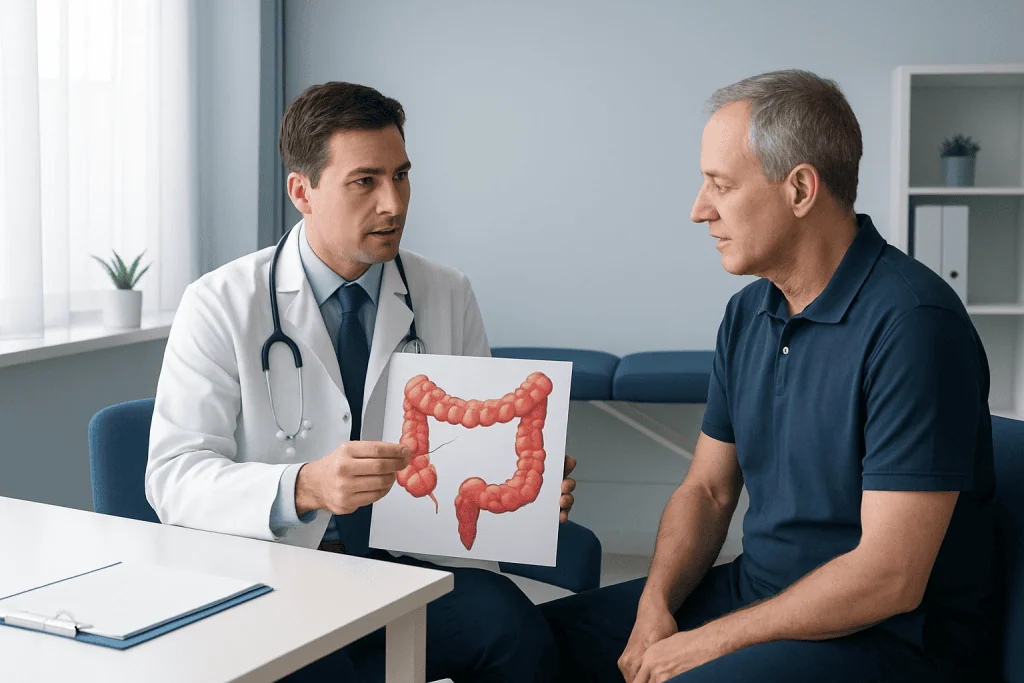
A colonoscopy report may describe where polyps were found, their estimated size, how they looked and how they were removed. The laboratory pathology report, usually available after the procedure, provides the definitive information needed to plan follow-up.
Why Polyps Develop and Who May Need Colonoscopy
Colon polyps develop when cells in the colon lining grow in an abnormal pattern. The reason is not always clear. Age, family history, inherited syndromes, a personal history of polyps or colorectal cancer, inflammatory bowel disease, smoking, heavy alcohol use, obesity and low physical activity can all influence risk.
Colonoscopy may be recommended as a screening test for people without symptoms, or as a diagnostic test for concerns such as rectal bleeding, unexplained iron-deficiency anemia, a persistent change in bowel habits, unexplained weight loss or an abnormal stool-based screening test. People with a close relative who had colorectal cancer or advanced polyps may need screening earlier or more often than average-risk adults.
Not everyone needs the same test or schedule. A clinician considers age, health history, current symptoms, family history and previous screening results when deciding whether colonoscopy is appropriate. Symptoms should not be self-diagnosed as polyps, since many digestive conditions can cause similar changes.
How Colonoscopy Works: Preparation and Step-by-Step Procedure
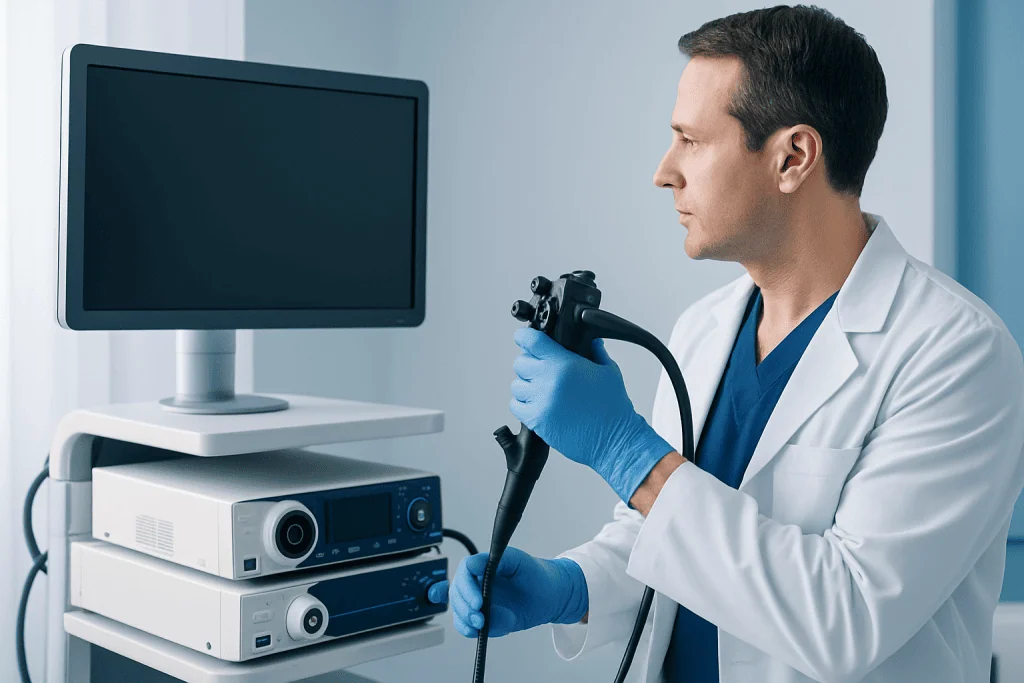
Colonoscopy examines the full length of the large bowel using a thin, flexible tube with a light and camera. The procedure enables the gastroenterologist to inspect the lining closely, take tissue samples and remove many polyps during the same examination. This is why colonoscopy is both a diagnostic and preventive procedure.
Preparation usually begins several days before the appointment with instructions about diet, medicines and a prescribed bowel-cleansing solution. The bowel must be as empty as possible so that small polyps are not hidden by stool or liquid. A patient should discuss blood thinners, diabetes medicines, iron supplements, kidney disease, pregnancy and any prior problems with sedation or bowel preparation in advance.
On the day, sedation or anesthesia is commonly used to support comfort. The clinician gently advances the colonoscope through the rectum and colon, using air or carbon dioxide to expand the bowel for visibility. Polyps may be removed with small instruments, often using a wire loop, and sent to a laboratory. The examination itself commonly takes less than an hour, although check-in and recovery take additional time.
For people considering the procedure, colonoscopy evaluation and treatment can include individualized preparation guidance, examination and follow-up planning based on pathology findings.
How Many Polyps Are Too Many in a Colonoscopy?
There is no exact number of polyps that is universally considered “too many.” However, finding several polyps, especially multiple precancerous adenomas or serrated lesions, generally leads to closer surveillance than finding one small low-risk polyp. Ten or more adenomas found at one examination is particularly important because it may prompt assessment for an inherited polyposis syndrome and an earlier repeat colonoscopy.
A doctor also considers whether polyps are large, have advanced microscopic features, were removed in pieces, or were difficult to remove completely. One large or advanced polyp can require more follow-up than several tiny low-risk polyps. Conversely, small hyperplastic polyps in the rectum or sigmoid colon are often low risk.
People who have numerous polyps over time may be referred for genetic counseling or further specialist assessment, particularly if polyps occur at a young age or there is a strong family history of colorectal cancer. This does not mean an inherited syndrome is certain; it helps clarify whether additional screening is useful for the patient and relatives.
Can a Doctor Tell During a Colonoscopy if a Polyp Is Cancerous?
A gastroenterologist can often estimate whether a polyp appears low risk or concerning based on its shape, surface pattern, size and location. High-definition imaging and specialized visual techniques may help guide the decision to remove a lesion, sample it or refer the patient for advanced removal or surgery. However, appearance alone cannot reliably confirm cancer.
Pathology is the definitive test. A pathologist examines removed tissue under a microscope to determine whether it is hyperplastic, adenomatous, serrated, inflammatory or cancerous, and whether abnormal cells are present. Results commonly take several days, depending on the laboratory and complexity of the tissue assessment.
If cancer is found within a polyp, the next steps depend on whether it appears completely removed and whether microscopic features suggest a meaningful risk of cancer cells remaining or spreading. Further endoscopic treatment, imaging, surgical consultation or oncology assessment may be advised. Colorectal cancer is often highly treatable when identified early, and care decisions are made using the complete pathology and clinical picture.
What Is the Average Size of a Cancerous Colon Polyp?
There is no dependable average size that can identify a cancerous colon polyp. Cancer can occasionally occur in a small lesion, but the likelihood of advanced precancerous changes or cancer generally rises as a polyp becomes larger. Polyps measuring 10 millimeters (1 centimeter) or more are often described as larger or advanced-size lesions and receive closer attention.
Size is only one factor. A flat or depressed lesion, a polyp with an irregular surface, or a lesion with certain microscopic features may need careful evaluation even if it is not large. Likewise, many larger polyps are still benign or precancerous rather than invasive cancer.
Patients should avoid interpreting size estimates alone as a diagnosis. The endoscopy report and pathology report together provide the most useful explanation of what was found, whether it was fully removed and what follow-up is recommended.
What Is the Average Number of Polyps Found?
There is no single average number that applies meaningfully to every person having a colonoscopy. Many screening colonoscopies find no polyps. When polyps are found, a single small polyp or a small number of polyps is common, while some people have several or many because of age, genetics, prior polyps or other risk factors.
Detection rates vary between populations and are influenced by age, sex, screening history, quality of bowel preparation and the reason for the procedure. A person having colonoscopy after a positive stool test, for example, may have a different chance of polyps than a person having first-time average-risk screening.
Rather than comparing a result with an average, patients can ask which type of polyp was found, whether it was completely removed, whether the bowel preparation was adequate and when the next examination is recommended. These questions provide more practical information about personal risk.
Recovery, Benefits, Risks and When to Seek Medical Care
After colonoscopy, mild bloating, gas or brief cramping can occur as the air or carbon dioxide used during the examination passes. Sedation can affect alertness for the rest of the day, so patients usually need a responsible adult to take them home and should avoid driving, alcohol, important decisions and operating machinery until advised otherwise. Most people return to normal eating and routine activities by the next day unless their care team gives different instructions.
The main benefit of colonoscopy is that suspicious tissue can be identified and many polyps can be removed before they become cancerous. Serious complications are uncommon but can include bleeding after polyp removal, a tear in the bowel wall, an adverse reaction to sedation or infection. The care team explains individual risks, especially when large or complex polyps are treated.
When to seek medical care: Patients should contact their clinical team promptly for persistent or worsening abdominal pain, fever, repeated vomiting, heavy rectal bleeding, dizziness, fainting, black stools or an inability to pass gas with increasing abdominal swelling after the procedure. Emergency care is appropriate for severe symptoms, heavy bleeding or signs of collapse.
Acibadem International’s multidisciplinary specialists and JCI-accredited hospitals support international patients needing assessment and management of colon polyps and related digestive conditions.
Frequently asked questions
Is it normal to have no polyps during a colonoscopy?
Yes. Many people have no polyps found during a screening colonoscopy. A normal result is reassuring, but the recommended timing of future screening still depends on age, personal history, family history and the quality of bowel preparation.
Are all colon polyps precancerous?
No. Some polyps, including many small hyperplastic polyps, generally have very low cancer potential. Adenomas and certain serrated polyps can be precancerous, which is why removal and pathology testing are important.
How soon are colon polyp biopsy results available?
Pathology results are commonly available within several days to about two weeks, depending on the laboratory and the type of analysis needed. The healthcare team should explain the result and the recommended surveillance plan once it is ready.
What happens if a polyp cannot be removed during colonoscopy?
Some large, flat or difficult-to-reach polyps need a planned advanced endoscopic procedure or, less commonly, surgery. The decision depends on the lesion’s features, location, suspected depth and the expertise required for safe removal.
Can polyps return after they are removed?
A completely removed polyp usually does not grow back in the same spot, but new polyps can develop elsewhere in the colon over time. This is why follow-up colonoscopy may be recommended based on the number and type of previous polyps.
How long after polyp removal should a person have another colonoscopy?
The interval varies. It may range from several years for low-risk findings to a shorter interval for multiple, large, advanced or incompletely removed polyps. A clinician uses the pathology report, procedure quality and personal risk factors to make an individualized recommendation.
References
- American Cancer Society
- U.S. Multi-Society Task Force on Colorectal Cancer
- National Cancer Institute
- National Institute of Diabetes and Digestive and Kidney Diseases
- European Society of Gastrointestinal Endoscopy
This article is for general information only and is not a substitute for professional medical advice. Please consult a qualified doctor about your individual situation.
Persistent digestive symptoms? Get evaluated in Turkey
JCI-accredited · board-certified surgeons · reply within 24h
Add us as a Preferred Source to see more of our trusted health content across Google Search, AI Overviews and Discover.