How Much Does Stem Cell Therapy Cost in Turkey? 2026 Prices vs USA, UK & Germany

Published market ranges suggest stem cell therapy in Turkey is often less expensive than in the USA, UK, and Germany. Final pricing should only be confirmed after a personal medical review and formal quote.
Key Takeaways
- Published market ranges suggest stem cell therapy in Turkey is often less expensive than in the USA, UK, and Germany.
- Final pricing should only be confirmed after a personal medical review and formal quote.
- Costs vary based on diagnosis, cell source, processing method, number of injections or infusions, and hospital accreditation.
- A package may include consultation, testing, procedure-related care, and follow-up, but inclusions differ by center.
- Quality and safety matter as much as price, especially for advanced regenerative treatments.
Stem cell therapy cost in Turkey is usually lower than in the USA, UK, and Germany when comparing published market ranges, but there is no single fixed price. The final cost depends on the medical condition, the type and source of cells, the number of sessions, hospital standards, and the personalized treatment plan confirmed after consultation.
Overview: How much does stem cell therapy cost in Turkey?
Stem cell therapy cost Turkey is commonly lower than published market ranges in the USA, UK, and Germany, which is why many international patients research Turkey for treatment planning. However, there is no universal fee because stem cell-based care is highly individualized, and the final amount depends on the medical indication, treatment method, hospital standards, and whether additional tests or repeat sessions are needed.
For that reason, the most accurate answer is usually a range rather than a fixed figure. In practice, patients may see widely different published market prices online because some offers cover only the procedure itself, while others include consultation, imaging, laboratory work, anesthesia, hospital stay, and follow-up. A meaningful comparison should always look at what is included, not just the headline number.
Stem cell treatment is used in selected orthopedic, neurologic, rehabilitation, and other clinical contexts, depending on medical suitability and local regulations. Anyone considering care abroad should first have a specialist review the diagnosis and discuss expected goals, realistic benefits, limitations, and whether a more established treatment pathway may be more appropriate.
Indicative 2026 price ranges: Turkey vs USA, UK and Germany
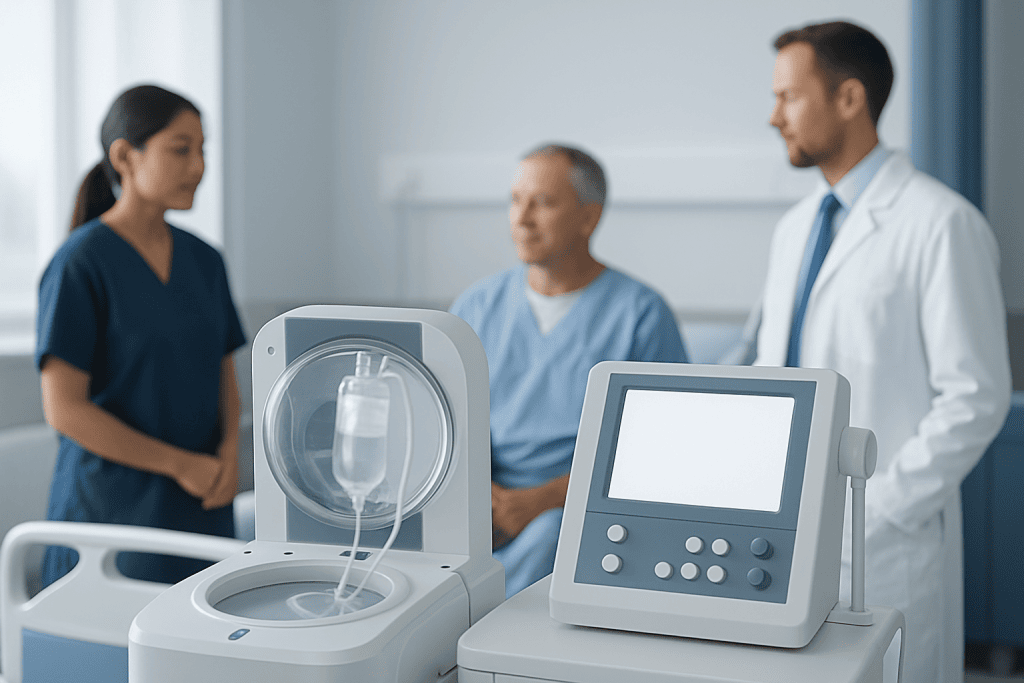
Because providers use different treatment protocols, exact prices vary. The table below uses broad, indicative published market ranges seen internationally for self-pay stem cell therapy programs. These figures are for general planning only and should not be read as a guaranteed clinic price, package offer, or quote from any individual hospital.
Actual costs may be lower or higher depending on whether the treatment is a single injection, multiple-site application, intravenous infusion, image-guided procedure, or part of a longer rehabilitation plan. Final pricing follows a personal consultation, review of medical records, and confirmation of treatment suitability.
| Country | Indicative published market range | Estimated difference vs Turkey |
|---|---|---|
| Turkey | Often lower published ranges for comparable self-pay programs | Baseline |
| USA | Commonly among the highest published ranges | Often about 30% to 70% higher than Turkey |
| UK | Generally higher published private-treatment ranges | Often about 20% to 60% higher than Turkey |
| Germany | Usually higher published ranges, especially in hospital-based settings | Often about 15% to 50% higher than Turkey |
These percentages are only broad planning estimates based on public market comparisons, not like-for-like quotes. They can shift significantly depending on diagnosis, the complexity of care, and what is included in each package. When comparing options, patients should ask whether laboratory processing, physician fees, operating room charges, medications, imaging, accommodation support, and follow-up are already included.
What a stem cell therapy package may include

A stem cell therapy package in Turkey may include several components beyond the procedure itself. In some centers, the initial package covers specialist evaluation, review of prior scans and records, physical examination, and a tailored treatment plan. It may also include blood tests, imaging, pre-procedure assessment, and short-term follow-up after treatment.
Procedure-related inclusions can differ widely. Depending on the indication, the package may involve harvesting, cell preparation or processing, image-guided injection or infusion, anesthesia or sedation if needed, recovery-room observation, medications used during the visit, and discharge planning. Some hospitals also coordinate interpreter support and international patient services.
Travel-related items are not always included. Flights, hotel stay, airport transfers, companion expenses, and longer rehabilitation programs may be billed separately unless clearly stated in a written package. Patients should ask for an itemized quote so they can compare centers on a like-for-like basis.
- Consultation and treatment planning
- Blood tests and selected imaging
- Procedure or injection-related fees
- Cell collection and processing, if applicable
- Observation, discharge, and follow-up review
- Optional rehabilitation or physical therapy costs
What affects stem cell therapy cost in Turkey?
The biggest factor is the medical indication. Treating a localized orthopedic problem such as a joint condition may differ greatly in cost from a broader regenerative treatment plan that requires multiple specialists, a more complex administration method, or repeated sessions. The severity of disease and the goals of care also affect whether a simpler or more comprehensive plan is recommended.
The source and handling of cells can also change pricing. Costs may differ depending on whether treatment uses autologous cells taken from the patient’s own body, donor-derived products where permitted, or additional laboratory processing steps. The number of target areas treated, use of imaging guidance, anesthesia requirements, and need for inpatient observation may further increase the total.
Hospital infrastructure matters as well. International patients often prefer centers with robust laboratory standards, multidisciplinary teams, and clear clinical governance. If stem cell therapy is being considered alongside orthopedic or rehabilitation care, related services such as orthopedic rehabilitation or physical therapy and rehabilitation may influence the overall treatment budget.
Another important cost driver is whether the treatment is part of a broader care pathway. For example, some patients exploring regenerative options are also being assessed for conditions such as osteoarthritis or chronic tendon or cartilage problems, and the final plan may include alternative or complementary treatments if they are more evidence-based for that diagnosis.
Quality, accreditation, and why safety should guide the decision
Price is important, but it should not be the only factor. Stem cell therapy is a complex area of medicine, and not all programs are equivalent in terms of evidence, regulation, laboratory support, patient selection, and follow-up. A lower advertised price may not reflect the full quality of care, the expertise of the treating team, or the safety standards used during processing and administration.
Patients should ask whether the hospital has recognized accreditation and whether the treatment is delivered within a structured clinical setting. JCI-accredited hospitals are often considered by international patients because accreditation reflects established standards for quality and patient safety across many parts of care, from infection control to medication management and documentation.
It is also helpful to confirm who will evaluate the case. In many situations, stem cell therapy should be reviewed by a multidisciplinary team that may include orthopedics, physical medicine and rehabilitation, pain specialists, radiology, or neurology, depending on the diagnosis. Patients should feel comfortable asking what evidence supports the proposed treatment and what alternatives exist.
How to compare quotes and plan a consultation
When requesting a quote, patients should share recent medical reports, imaging, prior treatments, current medications, and a clear summary of symptoms. This allows the specialist team to decide whether stem cell therapy is appropriate and whether additional diagnostics are needed before pricing can be confirmed. A personalized quote is more useful than a generic advertised number because it reflects the actual clinical plan.
It is sensible to ask for an itemized estimate and written details about what is included. Patients may wish to compare physician fees, procedure room charges, laboratory work, cell processing, medications, follow-up visits, and any rehabilitation costs. They should also ask whether there may be extra charges if additional injections, infusions, imaging, or overnight stay become necessary.
For musculoskeletal cases, a specialist may compare regenerative options with established interventions such as knee replacement or conservative care, depending on the diagnosis and disease stage. This is especially relevant when symptoms are driven by advanced joint damage rather than earlier-stage degeneration.
Near the final decision stage, patients should clarify timelines for travel, expected recovery, whether companion support is advisable, and what follow-up can be done after returning home. Acibadem International’s multidisciplinary specialists and JCI-accredited hospitals evaluate international patients individually and provide formal treatment planning after medical review.
When to seek medical care
Anyone considering stem cell therapy should seek medical care before making travel or payment plans if they have severe pain, worsening weakness, loss of function, sudden swelling, fever, unexplained weight loss, or new neurologic symptoms. These features may point to a condition that needs prompt diagnosis rather than elective treatment planning.
Medical review is also important if a patient has cancer, active infection, autoimmune disease, bleeding disorders, uncontrolled diabetes, or is taking blood thinners or immune-modifying medicines. Such factors may affect treatment suitability, timing, or safety. A qualified doctor can help determine whether stem cell therapy is appropriate, whether another treatment has stronger evidence, or whether more urgent evaluation is needed first.
Patients should be especially cautious about centers that promise guaranteed results or offer stem cell therapy without reviewing records and imaging. A safe plan begins with a diagnosis, realistic expectations, and a clear explanation of benefits, risks, alternatives, and likely costs.
Frequently asked questions
Is stem cell therapy in Turkey cheaper than in the USA, UK, or Germany?
In many published market comparisons, stem cell therapy in Turkey is less expensive than in the USA, UK, and Germany. The difference depends on the condition being treated, the procedure used, and what each provider includes in the quote.
Why is there no single fixed price for stem cell therapy?
Stem cell therapy is not a one-size-fits-all treatment. The total cost can change based on diagnosis, type and source of cells, laboratory processing, number of sessions, imaging guidance, hospital stay, and follow-up needs.
What should patients ask before accepting a quote?
They should ask what is included in the package, whether the quote is itemized, and whether extra costs may apply for tests, medications, or repeat procedures. It is also wise to ask who will perform the treatment, what accreditation the hospital holds, and what evidence supports the proposed plan.
Does a lower price mean lower quality?
Not necessarily, but price alone does not prove quality either. Patients should look at accreditation, specialist experience, diagnostic standards, follow-up planning, and whether the recommendation is based on a proper clinical evaluation.
Can stem cell therapy be used for joint problems like osteoarthritis?
It may be discussed in selected cases, especially in musculoskeletal medicine, but suitability depends on the stage of disease and the patient's overall health. In advanced joint damage, other established treatments may be more appropriate, so a specialist assessment is important.
Will insurance cover stem cell therapy abroad?
Coverage varies widely and is often limited, especially for treatments considered elective, investigational, or outside a patient's home insurance network. Patients should check directly with their insurer before traveling and ask the treatment center for detailed documentation if needed.
References
- World Health Organization
- U.S. Food and Drug Administration
- National Institute for Health and Care Excellence
- International Society for Stem Cell Research
- Joint Commission International
This article is for general information only and is not a substitute for professional medical advice. Please consult a qualified doctor about your individual situation.
Explore treatments in Turkey — costs, top hospitals & a free quote
JCI-accredited · board-certified surgeons · reply within 24h
Add us as a Preferred Source to see more of our trusted health content across Google Search, AI Overviews and Discover.