How Often Should U Have a Facial? A Doctor-Reviewed Answer

A gentle facial every 4–6 weeks is a suitable starting point for many people with healthy skin. Facial frequency should be adjusted for skin type, acne, rosacea, pigmentation, medication use and the intensity of the procedure.
Key Takeaways
- A gentle facial every 4–6 weeks is a suitable starting point for many people with healthy skin.
- Facial frequency should be adjusted for skin type, acne, rosacea, pigmentation, medication use and the intensity of the procedure.
- Overly frequent exfoliation or extractions can weaken the skin barrier and trigger irritation, dryness or breakouts.
- Persistent redness, painful acne, rash, swelling or pigment changes should be assessed by a dermatologist rather than managed with repeated facials.
- Daily sun protection and a simple, consistent home routine usually have a greater long-term effect than frequent salon treatments.
How often should u have a facial? For most people, a gentle professional facial every 4–6 weeks is reasonable because this broadly matches the skin’s natural renewal cycle. More frequent treatments may suit some concerns, but strong exfoliation, extractions or chemical peels should be spaced according to skin sensitivity and a qualified clinician’s advice.
How often is it safe to have a facial?
For most adults with healthy skin, having a gentle facial every 4–6 weeks is generally safe. This timing roughly follows the normal process of skin-cell turnover, during which older surface cells are shed and replaced. A facial may include cleansing, hydration, massage, a mask and light exfoliation, but the exact steps vary widely between providers.
There is no single schedule that suits everyone. People with dry or sensitive skin may do best with less frequent, soothing treatments, while some people with oily skin or congestion may be advised to have carefully planned professional treatments more often. The key consideration is not only how often a facial is performed, but also how intensive it is and how the skin responds afterward.
A facial should leave the skin feeling comfortable or only mildly sensitive for a short time. Ongoing burning, tightness, peeling, increased breakouts or redness are signs that treatments may be too frequent, too strong or unsuitable for the person’s skin condition.
What changes the ideal facial schedule?
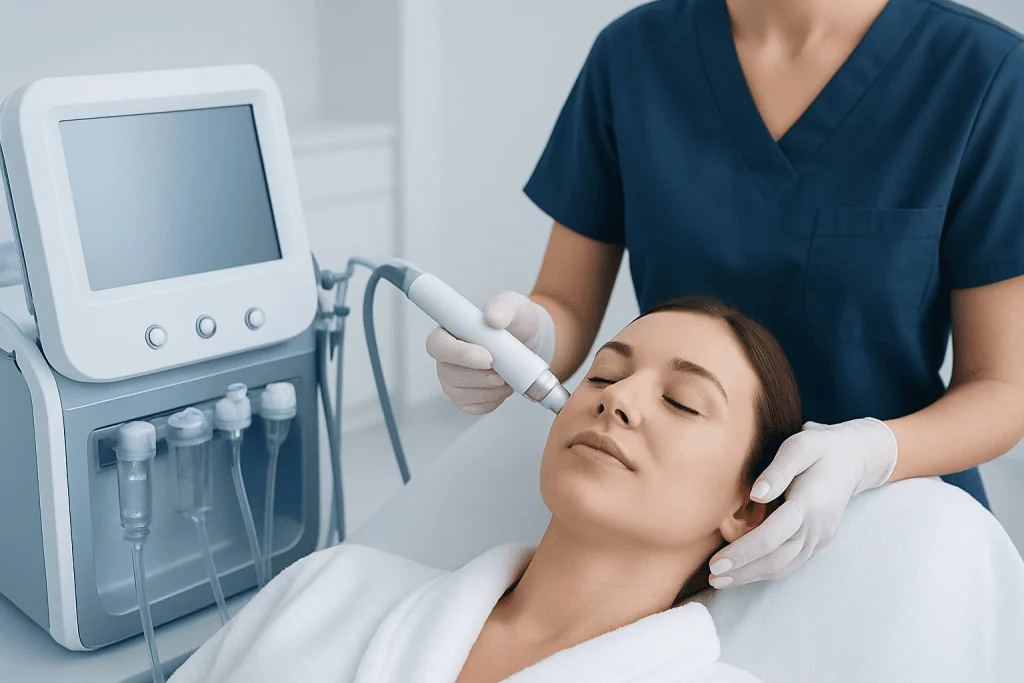
Skin type and skin concerns are important. Normal or combination skin often tolerates a monthly gentle facial well. Dry, eczema-prone or reactive skin usually benefits more from barrier-supportive care than frequent exfoliation. Oily skin may tolerate professional cleansing and selected treatments, but repeated harsh scrubbing can still increase irritation and oiliness.
The treatment itself matters. A relaxing hydrating facial is different from a procedure involving strong acids, microdermabrasion, dermaplaning, extractions, microneedling or light-based technology. Procedures that deliberately resurface or stimulate the skin may require longer intervals to allow recovery. A dermatologist or appropriately trained practitioner should explain expected downtime, aftercare and the recommended interval before repeating any intensive procedure.
Current skin-care products and medicines also affect timing. Retinoids, exfoliating acids, benzoyl peroxide and some acne treatments can make skin more sensitive. People using prescription treatments, including oral isotretinoin or medications that affect healing, should ask their prescribing clinician before booking a facial or any skin-resurfacing procedure.
- Gentle hydration-focused facial: often every 4–6 weeks if skin remains comfortable.
- Acne-focused facial or extractions: individualized, ideally with medical guidance if acne is inflamed or persistent.
- Chemical peel or resurfacing treatment: timing depends on peel depth, skin response and clinician advice.
- Sensitive or rosacea-prone skin: less frequent, calming care and avoidance of irritating techniques may be preferable.
Signs that a facial may be too frequent or too strong

Skin has a protective outer barrier that helps retain moisture and defend against irritants. Repeated exfoliation, vigorous cleansing, strong fragrances, heat or frequent extractions can disrupt this barrier. The result may be stinging when applying ordinary products, persistent dryness, flaking, redness or a feeling of tightness.
Some people notice more spots after a facial and assume that this is always a normal “purge.” In reality, true temporary worsening is not expected after every treatment. New inflamed pimples, deep painful bumps or prolonged irritation may mean that products or techniques are aggravating the skin. Acne can require targeted medical management rather than repeated cleansing alone.
Facials may also worsen certain conditions if they involve friction, steam, strong active ingredients or unsuitable products. For example, rosacea-prone skin can flare with heat and irritation, while melasma and other pigmentation concerns may worsen after inflammation. A gentler plan is often safer than trying to treat these concerns with increasingly frequent procedures.
Who should be particularly cautious?
People with active inflammatory acne, facial eczema, rosacea, psoriasis, cold sores, open wounds, sunburn or a suspected skin infection should avoid routine facials until the skin has been assessed or has healed. Manipulating inflamed lesions or broken skin can increase discomfort, delay recovery and sometimes raise the risk of marks or infection.
Extra caution is sensible for anyone with a history of dark marks after spots or irritation, known as post-inflammatory hyperpigmentation. Aggressive extraction or exfoliation can provoke inflammation that contributes to uneven pigment. An individualized plan emphasizing sun protection and gradual, well-tolerated treatment is often more useful.
Pregnancy, breastfeeding and certain medical conditions do not automatically prevent a facial, but they may change which ingredients or procedures are appropriate. The person should tell the practitioner about allergies, skin conditions, medications, prior reactions and any recent cosmetic procedures. Patch testing may be useful when there is a history of sensitivity.
When to seek medical care
Most mild dryness or temporary sensitivity after a facial settles with gentle care. However, medical review is appropriate if redness, swelling, burning, blistering, crusting, intense itch or pain lasts more than a few days. Urgent assessment is important for rapidly spreading swelling, facial swelling with breathing difficulty, widespread hives, fever or signs of a severe allergic reaction.
A dermatologist should also assess acne that is painful, nodular, leaving scars or not improving with appropriate over-the-counter care. Persistent flushing, visible small blood vessels, repeated burning or acne-like bumps in the central face may suggest rosacea rather than simple sensitivity. Similarly, a rash around the mouth or eyes should not be repeatedly treated with facials without a diagnosis.
It is reassuring that many facial concerns are manageable once the cause is identified. A clinician can distinguish between irritation, allergy, acne, rosacea, eczema, infection and pigment-related conditions, then recommend a safer skin-care approach and, if needed, medical treatment.
What a doctor may check
A dermatologist usually begins by asking about the timing of symptoms, facial products, treatments, medicines, allergies and previous skin reactions. They will examine the distribution and appearance of redness, spots, scaling, pigment changes or swelling. Photos of the skin before and after a facial can sometimes help identify a pattern.
Most facial-treatment reactions can be evaluated clinically without extensive testing. If allergic contact dermatitis is suspected, patch testing may help identify sensitivity to ingredients such as fragrances, preservatives or botanical extracts. If acne, rosacea, eczema or an infection is suspected, the doctor may recommend condition-specific treatment instead of further exfoliation or extraction.
The assessment may also include discussion of daily habits that affect the skin barrier, including cleansing, shaving, makeup removal, sun exposure and use of active ingredients. This allows the doctor to create a realistic routine that supports the skin between any professional treatments.
How to make facials part of a skin-safe routine
A facial is optional, not essential for healthy skin. The foundation of skin care is usually a mild cleanser, a moisturizer suited to the skin type and broad-spectrum sunscreen used consistently. These measures help protect the skin barrier and reduce the effects of ultraviolet exposure, which can contribute to premature skin aging and uneven pigmentation.
Before a facial, it is helpful to pause potentially irritating home exfoliants or retinoids only if advised by the treating professional or clinician. Afterward, keeping the routine simple for several days can reduce irritation: avoid scrubs, strong acids, fragranced products, tanning and unnecessary heat exposure. Daily sunscreen is especially important after exfoliating treatments.
People should choose practitioners who ask about their medical history, explain the procedure and avoid promising that one treatment will solve every skin concern. Acibadem International’s multidisciplinary specialists and JCI-accredited hospitals can assess persistent skin concerns and help international patients access appropriate dermatological care.
Frequently asked questions
Is it okay to have a facial every week?
A weekly facial may be too frequent for many people, particularly if it includes exfoliation, extractions or strong active ingredients. Some gentle, hydration-focused treatments may be tolerated more often, but the skin should not remain red, sore, dry or irritated between visits. A dermatologist can advise on a suitable schedule for a specific skin concern.
How often should someone with acne have a facial?
The best frequency depends on the type and severity of acne. Gentle professional care may help some people with comedones, but facials do not replace medical treatment for inflamed, painful or scarring acne. Repeated aggressive extractions can irritate the skin and may increase the risk of marks.
Can a facial cause breakouts?
A facial can sometimes be followed by breakouts, especially if products are heavy, irritating or unsuitable for the skin. New spots may also occur after manipulation of congested areas. Persistent or severe breakouts should be reviewed rather than dismissed as a normal reaction.
Should people with sensitive skin get facials?
People with sensitive skin can often have facials, but they should choose calming, fragrance-free and minimally exfoliating approaches. They should avoid treatments that cause burning, prolonged redness or peeling. Sharing a history of eczema, rosacea, allergies and product reactions with the practitioner is important.
How long should skin rest after an exfoliating facial?
The needed recovery time depends on the treatment’s intensity and the person’s skin response. After a mild exfoliating facial, many people benefit from several days of gentle cleansing, moisturizing and sunscreen use. Stronger procedures may require a longer recovery period set by the treating clinician.
Do facials make skin healthier in the long term?
Facials can provide temporary cleansing, hydration and relaxation, and they may complement a well-designed skin-care plan. However, long-term skin health depends more on consistent sun protection, gentle cleansing, suitable moisturization and treatment of diagnosed skin conditions. Professional advice is useful when there are persistent concerns such as acne, redness or pigmentation.
This article is for general information only and is not a substitute for professional medical advice. Please consult a qualified doctor about your individual situation.
Explore treatments in Turkey — costs, top hospitals & a free quote
JCI-accredited · board-certified surgeons · reply within 24h
Add us as a Preferred Source to see more of our trusted health content across Google Search, AI Overviews and Discover.

More from the Health Library

Natural Ways to Get Rid of Headache While Pregnant: Possible Causes and When to Seek Care

Joint Pain Explained: Common Triggers and Red Flags

How Often Can You Take Ibuprofen? Causes, Explanations, and Next Steps

Pantoprazole vs Omeprazole: Key Differences and How Doctors Tell Them Apart

Why Does My Eye Hurt? Causes, Explanations, and Next Steps