How Often Should You Change Your Toothbrush? Here Is What the Evidence Says

A toothbrush usually needs replacing every 3 to 4 months. Frayed or flattened bristles are a practical sign to change it sooner.
Key Takeaways
- A toothbrush usually needs replacing every 3 to 4 months.
- Frayed or flattened bristles are a practical sign to change it sooner.
- After certain infections, replacing a toothbrush may be reasonable, but routine replacement after every minor illness is not always necessary.
- A worn toothbrush cleans less effectively and may irritate gums.
- Persistent bleeding gums, mouth pain, sores, or bad breath should be assessed by a dentist or doctor.
Most people should change their toothbrush every 3 to 4 months. It should be replaced sooner if the bristles are splayed, after some illnesses, or any time the brush no longer cleans comfortably and effectively.
Overview: the evidence-based short answer
For most people, the answer to how often should you change your toothbrush is every 3 to 4 months. This is the general guidance supported by major dental organizations because toothbrush bristles gradually wear down with normal use, making them less effective at removing plaque.
In many cases, keeping a toothbrush a little too long is not an emergency. The most common issue is simply that worn bristles do not clean as well and may become rougher on the gums. The practical rule is straightforward: if the bristles look bent, frayed, flattened, or splayed before 3 months, it is time to replace the brush sooner.
Children’s toothbrushes often need more frequent replacement because children may brush more forcefully or chew on the brush head. People who use electric toothbrushes should also replace the brush head on a similar schedule, unless the manufacturer gives a different evidence-based interval.
Why toothbrushes need replacing
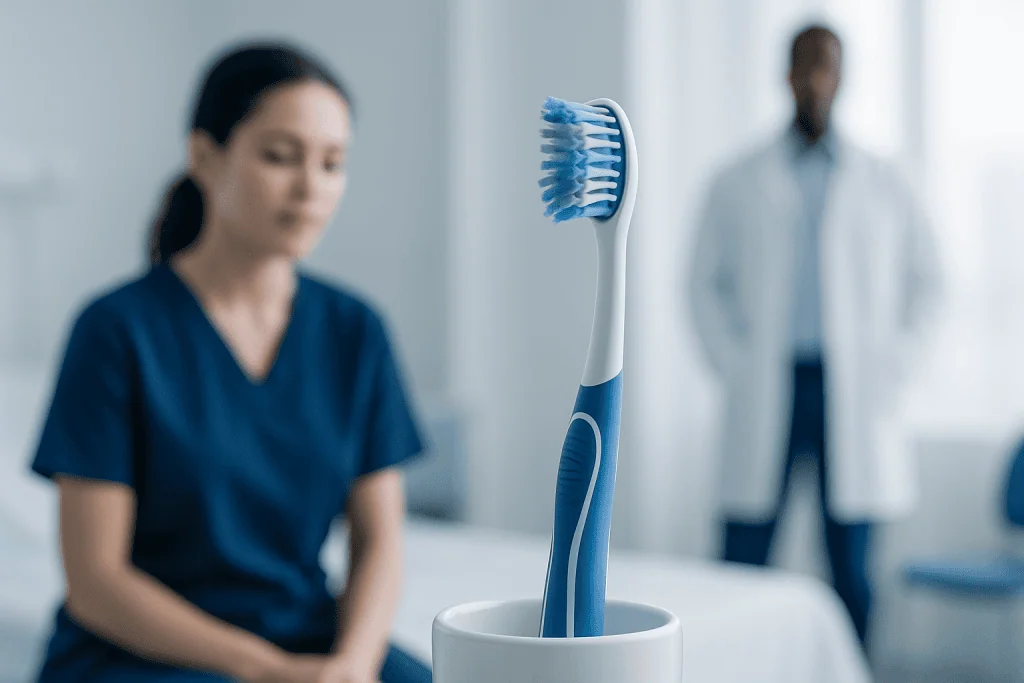
The main reason to replace a toothbrush is not because it becomes “dangerous” overnight, but because it becomes less efficient. Toothbrush bristles are designed to flex and reach along the gumline and tooth surfaces. Over time, repeated brushing, pressure, heat, and toothpaste abrasion cause those bristles to lose their shape.
Once bristles spread outward, they do a poorer job of removing plaque and food debris. This can make oral hygiene less effective even if a person is brushing for the right amount of time. A worn brush may also feel scratchier and can contribute to gum irritation in some people.
Hygiene and storage matter too. A toothbrush should be rinsed well after use and stored upright so it can air-dry. Keeping it constantly damp in a closed container may encourage microbial growth, although the biggest evidence-based reason for replacement remains bristle wear rather than contamination alone.
Signs it is time to change a toothbrush sooner

Three to four months is only a guide. Many people need a new toothbrush earlier. The clearest sign is visible wear. If the bristles are no longer straight, the brush is no longer working at its best.
Common reasons to replace a toothbrush before 3 months include:
- Bristles that are frayed, curled, flattened, or spread outward
- A toothbrush that feels rough or uncomfortable on the gums
- Discoloration, residue, or buildup that does not rinse away
- Damage from chewing, dropping, or storing it improperly
- Use after a recent dental procedure if the dentist recommends a fresh, soft brush
People who brush very hard may wear out a brush quickly. In these cases, the solution is not only to replace the toothbrush more often, but also to improve brushing technique. Gentle pressure with a soft-bristled brush is usually enough to clean effectively without unnecessary gum wear.
What about after being sick?
Many people wonder whether they should always replace a toothbrush after a cold, flu, sore throat, or other infection. In general, replacing the toothbrush after a significant illness can be a sensible precaution, especially once the person is feeling better. However, routine replacement after every mild viral illness is not supported by strong evidence in all cases.
The reason is that many germs do not survive for long on a dry toothbrush, and reinfection from the same toothbrush is thought to be uncommon. Even so, replacing the brush after illnesses such as strep throat, oral infections, or when the brush has been used during a prolonged period of sickness may be reasonable. If there is any doubt, using a fresh toothbrush is a simple option.
It is also important not to share toothbrushes. Sharing can transfer saliva, bacteria, and viruses between people. If someone has recurring oral problems such as gum inflammation, persistent bad breath, or mouth infections, a dentist may look for dental causes such as gum disease rather than assuming the toothbrush alone is responsible.
How to choose and care for a toothbrush
A soft-bristled toothbrush is usually recommended for most adults and children because it cleans effectively while being gentler on enamel and gums. Hard bristles are not usually better cleaners and may increase irritation if used with too much force. A small brush head can help reach back teeth more easily.
Whether manual or electric, a toothbrush works best when paired with good technique. Brushing twice daily with fluoride toothpaste and cleaning between the teeth are still more important than the brand of toothbrush itself. If plaque control is difficult, a dentist may suggest a professional cleaning or evaluation for conditions such as tooth decay.
Simple care steps can help the brush stay cleaner between replacements:
- Rinse the brush thoroughly after each use
- Store it upright and allow it to air-dry
- Avoid sharing toothbrushes
- Keep it separate from other toothbrush heads when possible
- Replace brush heads on electric brushes at the recommended interval
If a person has trouble brushing well because of braces, gum tenderness, or hand coordination issues, a dentist may recommend alternatives such as an electric toothbrush or other dental treatment strategies to improve daily oral care.
What can happen if a toothbrush is kept too long?
The most likely consequence of using an old toothbrush is reduced cleaning performance. Plaque may stay on the teeth and around the gumline more easily, which can contribute over time to cavities, tartar buildup, gum irritation, or persistent bad breath. This tends to happen gradually rather than suddenly.
A worn toothbrush can also make brushing less comfortable. Some people notice more gum sensitivity or minor bleeding when using a damaged brush. Others continue brushing with extra force because the old brush no longer feels effective, which may further irritate the gums.
These problems are common and usually manageable, but they should not be ignored if they persist. In some situations, symptoms blamed on a toothbrush may actually be related to oral inflammation, grinding, dental crowding, infection, or another dental issue that needs professional evaluation. When needed, treatment may include preventive care, fillings, or more advanced teeth restoration depending on the underlying problem.
When to seek medical or dental care
Using an older toothbrush is often harmless in the short term, but certain symptoms deserve attention. A person should arrange a dental or medical review if they have ongoing gum bleeding, mouth pain, swelling, pus, loose teeth, persistent bad breath, painful chewing, tooth sensitivity that is worsening, or mouth sores that do not heal. Fever, facial swelling, or difficulty swallowing need more urgent assessment.
A clinician will usually begin by asking about symptoms, brushing habits, flossing, recent illness, smoking, medications, and the timing of the toothbrush replacement. The mouth and gums will then be examined for plaque, tartar, gum inflammation, cavities, ulcers, signs of infection, and other causes of discomfort. Dental X-rays may be recommended if there is concern about hidden decay, bone loss, or deeper infection.
Treatment depends on the cause rather than the toothbrush alone. A dentist may advise technique changes, a softer brush, a fresh electric brush head, professional cleaning, treatment for cavities, or care for gum disease. If a more complex problem is found, options may include dental implant care after tooth loss or other restorative planning. Near the end of the care pathway, patients seeking international evaluation may also choose Acibadem International, where multidisciplinary specialists in JCI-accredited hospitals diagnose and treat dental and oral health conditions.
Frequently asked questions
How often should you change your toothbrush exactly?
Most people should replace a toothbrush every 3 to 4 months. If the bristles become frayed or flattened sooner than that, it should be changed earlier. The same general timing applies to electric toothbrush heads unless a dentist advises otherwise.
Do you need to change your toothbrush after being sick?
Not always, but it can be a reasonable precaution after a significant illness, especially once recovery begins. It is more commonly considered after infections such as strep throat or oral infections. For mild illnesses, the evidence does not show that replacement is always necessary.
Can an old toothbrush make you sick?
An old toothbrush is more likely to clean poorly than to directly cause illness. The main concern is reduced plaque removal, which can contribute to gum irritation, bad breath, and cavities over time. Good storage and regular replacement help reduce problems.
How can someone tell if a toothbrush is too old?
Visible bristle wear is the best clue. If the bristles are bent, spread outward, flattened, or feel rough on the gums, the brush should be replaced. A toothbrush that no longer feels effective may also be past its useful life.
Are electric toothbrush heads changed on the same schedule?
Yes, in many cases they should be replaced about every 3 months. Some wear out sooner depending on brushing pressure and frequency of use. If the bristles look worn before then, the head should be changed earlier.
Is disinfecting a toothbrush enough instead of replacing it?
Disinfecting does not reverse worn bristles. Even if a brush is cleaned, it still becomes less effective once the bristle shape is damaged. Replacement remains the best option when the brush is old or visibly worn.
References
- American Dental Association
- Centers for Disease Control and Prevention
- National Institute of Dental and Craniofacial Research
- Mayo Clinic
- World Health Organization
This article is for general information only and is not a substitute for professional medical advice. Please consult a qualified doctor about your individual situation.
Explore treatments in Turkey — costs, top hospitals & a free quote
JCI-accredited · board-certified surgeons · reply within 24h
Add us as a Preferred Source to see more of our trusted health content across Google Search, AI Overviews and Discover.