How Pediatric Conditions Are Diagnosed

Diagnosis in children is based on symptoms, history, examination, growth, and development. Doctors often choose tests carefully to avoid unnecessary procedures and keep children comfortable.
Key Takeaways
- Diagnosis in children is based on symptoms, history, examination, growth, and development.
- Doctors often choose tests carefully to avoid unnecessary procedures and keep children comfortable.
- Parents and caregivers play an important role by describing symptoms, timing, and changes in behavior or appetite.
- Some conditions can be diagnosed in one visit, while others need monitoring over time.
- A pediatric specialist may be involved if symptoms are complex, persistent, or affect development.
Diagnosing pediatric conditions usually involves a careful review of symptoms, medical history, growth and development, and a child-friendly physical exam. When needed, doctors may use blood tests, imaging, or specialist evaluations to understand the cause and guide treatment.
Overview
Pediatric conditions can range from common infections and allergies to developmental, digestive, neurological, hormonal, and heart-related concerns. Because children are still growing, diagnosis is not always the same as it is in adults. Doctors must consider a child’s age, stage of development, ability to describe symptoms, and normal variations in growth and behavior.
In many cases, diagnosis begins with simple steps: listening to the child and caregivers, reviewing medical history, and performing a physical examination. These early steps often provide the most useful clues. If more information is needed, the doctor may recommend laboratory tests, imaging, or referral to a pediatric specialist.
The process is usually gradual and thoughtful rather than rushed. Some illnesses are easy to confirm, while others need follow-up visits to see how symptoms change over time. This approach helps doctors avoid unnecessary testing while making sure important problems are not missed.
What Doctors Look for First
The first part of diagnosing pediatric conditions is understanding what has changed. A doctor will usually ask when symptoms started, whether they are getting better or worse, and whether they affect eating, sleeping, school attendance, energy, or play. In younger children, changes in crying, feeding, diaper output, movement, or responsiveness may be especially important.
Medical history also matters. Doctors may ask about pregnancy and birth history, previous illnesses, vaccinations, medications, allergies, family medical conditions, and milestones such as speech or walking. Family history can sometimes point toward inherited conditions, asthma, allergies, migraine, seizures, or autoimmune disorders.
The child’s age shapes the assessment. For example, fever in a newborn is evaluated differently from fever in a school-age child, and abdominal pain in a teenager may have different causes than abdominal pain in a toddler. Pediatricians also look at the whole child, not only one symptom, because growth, mood, hydration, and activity level can provide valuable context.
The Physical Exam and Growth Assessment

A physical exam helps the doctor look for visible or measurable signs of illness. This usually includes checking temperature, heart rate, breathing rate, blood pressure when appropriate, and oxygen levels in some situations. The doctor may examine the ears, throat, skin, chest, abdomen, joints, and nervous system depending on the concern.
Growth is a central part of pediatric diagnosis. Weight, height or length, and head circumference in infants are plotted on growth charts to see whether a child is following an expected pattern. A change in growth trend can sometimes be an early sign of nutritional problems, hormonal disorders, digestive disease, or chronic illness.
Development is assessed alongside growth. Doctors may observe movement, balance, eye contact, language, play, and social interaction. If there are concerns about speech delay, muscle weakness, attention, or learning, the child may need a more focused developmental or neurological evaluation. In some cases, advanced imaging such as MRI may be used if neurological symptoms or structural concerns are suspected.
Common Tests Used in Children
Not every child needs testing. When tests are recommended, they are usually chosen to answer a specific question raised by the history or examination. Blood tests may help check for infection, anemia, inflammation, allergies, blood sugar problems, or organ function. Urine tests can be useful for urinary infections, kidney concerns, dehydration, or diabetes-related symptoms.
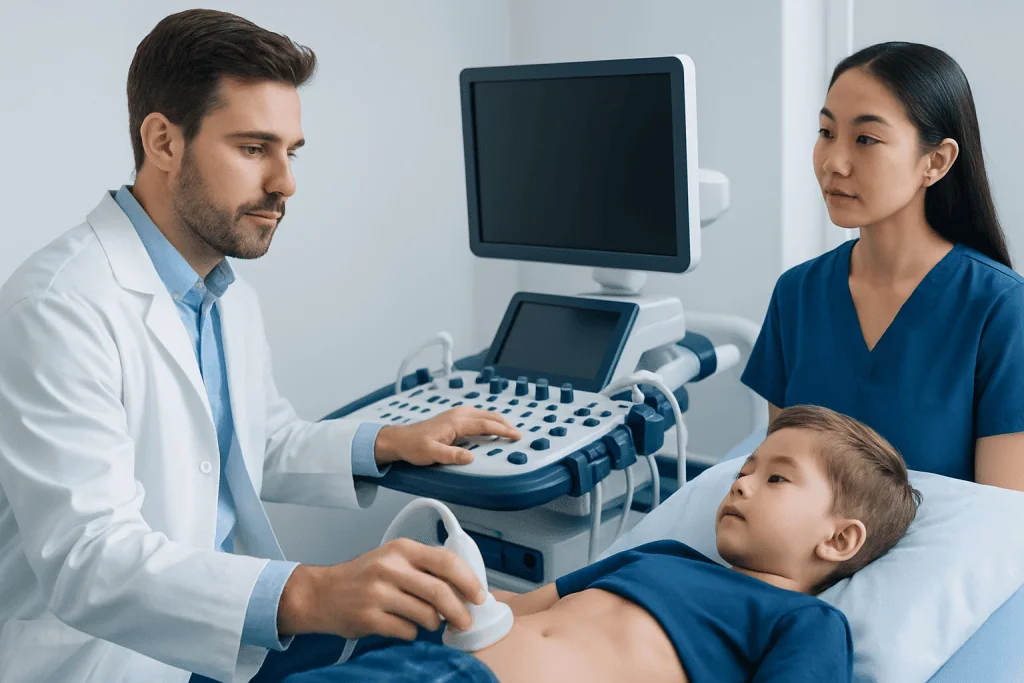
Imaging tests are sometimes needed to look inside the body. X-rays may be used for injuries, chest symptoms, or certain digestive problems. Ultrasound is often helpful because it does not use radiation and can evaluate the abdomen, kidneys, hips in infants, or soft tissues. In selected cases, doctors may use ultrasonography or computed tomography when a clearer picture is needed.
Other tests depend on the symptoms. These may include throat swabs, stool tests, hearing or vision checks, lung function tests, electrocardiography, or skin testing for allergy. If epilepsy, sleep disorders, developmental concerns, or heart rhythm problems are suspected, the child may be referred for specialized testing and interpretation by experts.
Doctors generally try to keep testing as targeted and child-friendly as possible. Preparation, explanation, and parental presence can help reduce fear. Child life support, distraction techniques, and age-appropriate communication are often used to make the experience easier.
How Specialists Help Confirm a Diagnosis
Some pediatric conditions can be diagnosed and managed by a general pediatrician, while others benefit from a multidisciplinary approach. A child may be referred to a pediatric cardiologist for a murmur, a neurologist for headaches or seizures, an endocrinologist for growth or puberty concerns, or a gastroenterologist for persistent abdominal symptoms.
Specialists often use more focused assessments. For example, a child with repeated wheezing may need evaluation for asthma or allergy, while a child with chronic constipation may be assessed for dietary factors, gut motility, or structural issues. If there are sleep-related concerns, snoring, or pauses in breathing, evaluation may include assessment for sleep apnea in age-appropriate settings.
Referral does not always mean a serious condition is present. Often, it simply means the doctor wants a more detailed evaluation to reach the right diagnosis and plan the best care. In complex cases, several specialists may work together, especially when symptoms affect growth, school function, or development.
Why Diagnosis in Children Can Take Time
Children do not always describe symptoms clearly, and many illnesses can look similar at first. A fever, rash, fatigue, cough, or abdominal pain may have several possible causes. For this reason, diagnosis sometimes depends on how symptoms evolve over hours, days, or weeks rather than on a single test result.
Monitoring over time is especially important for recurrent problems such as headaches, stomach pain, joint aches, poor weight gain, or behavioral changes. Doctors may ask parents to keep a symptom diary that notes timing, triggers, temperature, diet, sleep, bowel habits, school absence, or response to medicine. This can make patterns easier to recognize.
Follow-up visits also allow the doctor to repeat the examination, review test results, and see whether treatment is helping. In many situations, the diagnosis becomes clearer as more information is gathered. This careful step-by-step approach is often the safest way to care for a child.
How Parents and Caregivers Can Support the Process
Parents and caregivers are essential partners in pediatric diagnosis. They are usually the first to notice subtle changes such as less appetite, unusual sleepiness, irritability, changes in school performance, limping, new rashes, or delays in speech or movement. Sharing these observations clearly can help the doctor decide what to do next.
Before an appointment, it can help to write down key details:
- When the symptoms started
- How often they happen and how long they last
- Anything that seems to trigger or relieve them
- Recent illnesses, travel, or sick contacts
- Medicines or supplements the child has taken
- Photos or videos of intermittent symptoms such as rashes or unusual movements
It is also helpful to bring growth records, vaccination details, and results from previous tests if available. Parents should feel comfortable asking why a test is needed, what it may show, and whether there are alternatives. Good communication can make the process more reassuring for both the child and family.
Near the end of the diagnostic journey, some families may benefit from care in a center where multiple pediatric specialties are available. Acibadem International’s multidisciplinary specialists and JCI-accredited hospitals diagnose and treat pediatric conditions for international patients when more advanced evaluation is needed.
When to Seek Medical Attention
Many childhood symptoms are mild and improve with time, but some require prompt medical review. A child should be assessed urgently for trouble breathing, blue lips, severe dehydration, persistent vomiting, a seizure, confusion, unusual sleepiness, severe injury, or a high fever in a very young infant. These situations need professional evaluation without delay.
Medical advice is also important when symptoms keep returning, last longer than expected, interfere with eating or growth, or affect learning and daily life. Recurrent abdominal pain, frequent headaches, persistent cough, ongoing joint swelling, unexplained weight change, or delayed development should not be ignored.
Even when the cause turns out to be minor, timely assessment can bring reassurance and help avoid complications. If parents are unsure whether symptoms are urgent, contacting a pediatrician or qualified healthcare professional is the safest next step.
Frequently asked questions
How are pediatric conditions usually diagnosed?
Most pediatric conditions are diagnosed through a combination of medical history, physical examination, and review of growth and development. If needed, doctors may add blood tests, urine tests, imaging, or specialist assessments based on the child’s symptoms.
Do all children need tests to get a diagnosis?
No. Many common childhood illnesses can be diagnosed from the history and examination alone. Tests are usually ordered only when they are likely to help confirm a diagnosis, rule out important conditions, or guide treatment.
Why do doctors ask so many questions about growth and milestones?
Growth and development are important signs of overall health in children. Changes in weight, height, feeding, speech, movement, or learning can provide clues to underlying medical conditions and help doctors understand how long a problem may have been present.
What should parents bring to a pediatric appointment?
It helps to bring a list of symptoms, their timing, any medicines taken, and relevant medical records. Photos or videos of rashes, breathing changes, or unusual movements can also be useful if the symptom is not present during the visit.
Why can it take more than one visit to diagnose a child?
Some conditions look similar in the early stages, and children may not be able to describe what they feel clearly. Follow-up allows the doctor to see how symptoms change over time, review test results, and make a more accurate diagnosis.
When should a child be seen urgently?
Urgent medical care is needed for trouble breathing, seizures, severe dehydration, confusion, major injury, or extreme sleepiness. A fever in a very young infant also needs prompt medical evaluation.
References
- American Academy of Pediatrics
- Centers for Disease Control and Prevention
- National Institute for Health and Care Excellence
- World Health Organization
This article is for general information only and is not a substitute for professional medical advice. Please consult a qualified doctor about your individual situation.
Explore treatments in Turkey — costs, top hospitals & a free quote
JCI-accredited · board-certified surgeons · reply within 24h
Add us as a Preferred Source to see more of our trusted health content across Google Search, AI Overviews and Discover.
Check your numbers in seconds
BMI, calories, due date, blood pressure and 30+ more clinical calculators — free, instant, doctor-reviewed ranges.

Pediatrics
Complete healthcare for infants, children and adolescents across all sub-specialties.
232 specialists in this unit