How Sacral Neuromodulation Works: Candidacy, Testing, and Results

Sacral neuromodulation can help some people with overactive bladder, urinary retention, and fecal incontinence. Treatment usually begins with a temporary test phase to see whether symptoms improve enough to justify a permanent implant.
Key Takeaways
- Sacral neuromodulation can help some people with overactive bladder, urinary retention, and fecal incontinence.
- Treatment usually begins with a temporary test phase to see whether symptoms improve enough to justify a permanent implant.
- The therapy does not cure the underlying condition, but it can reduce symptoms and improve daily quality of life.
- Careful patient selection, follow-up programming, and realistic expectations are important for good results.
- Most people still need regular medical follow-up after implantation.
Sacral neuromodulation is a treatment that can improve certain bladder and bowel control problems by sending mild electrical signals to the sacral nerves. It is usually considered when symptoms persist despite lifestyle changes, pelvic floor therapy, or medication.
Overview: what sacral neuromodulation is
Sacral neuromodulation is a medical treatment used to help manage certain bladder and bowel control problems. It works by sending gentle electrical impulses to the sacral nerves, which are located in the lower back and help regulate the bladder, bowel, and pelvic floor. When these nerve signals are not working in a balanced way, symptoms such as urgency, frequency, leakage, or difficulty emptying can occur.
The treatment involves a small device, similar in concept to a pacemaker, that delivers stimulation through a thin lead placed near the sacral nerves. The goal is not to numb the area or force the muscles to contract. Instead, it aims to improve communication between the nerves and the brain so the bladder or bowel can function more normally.
Sacral neuromodulation is generally considered after more conservative treatments have not provided enough relief. These may include fluid and diet changes, bladder training, pelvic floor exercises, biofeedback, or medications. For the right candidate, this approach can offer meaningful symptom control and help restore confidence in daily life.
Who may be a candidate
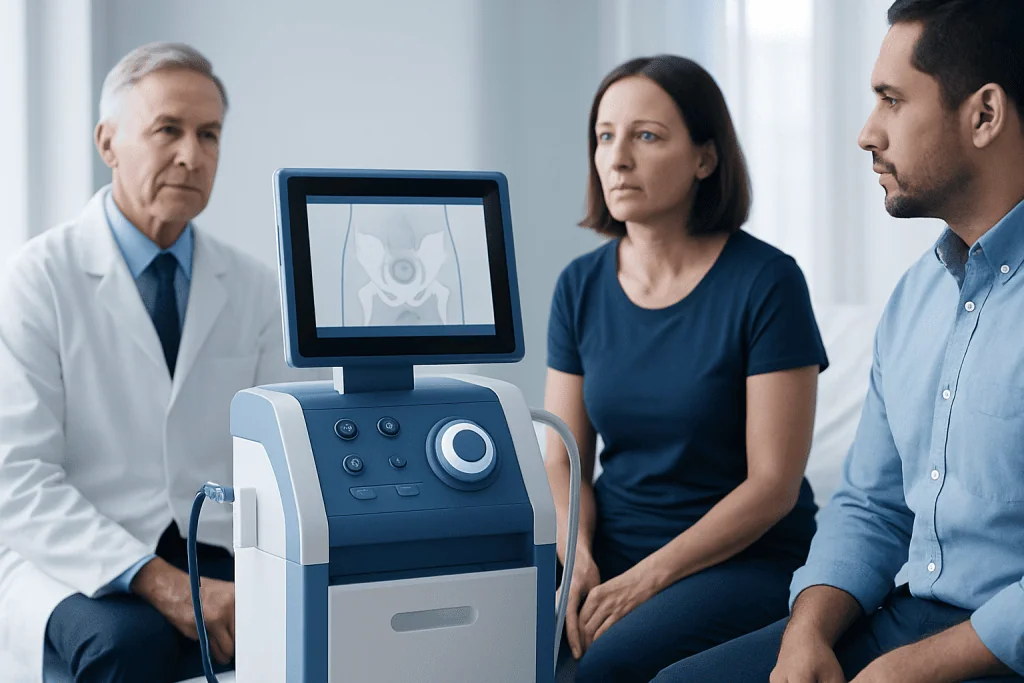
A doctor may consider sacral neuromodulation for adults with symptoms that significantly affect quality of life and have not improved enough with standard treatment. Common reasons include overactive bladder with urgency or frequent urination, urge urinary incontinence, non-obstructive urinary retention, and some cases of fecal incontinence. The treatment is typically used only after a careful evaluation has ruled out other causes that need different care.
Candidacy depends on more than the diagnosis alone. Doctors look at the severity and pattern of symptoms, previous treatments tried, the patient’s overall health, and whether the person is able to attend follow-up visits for programming and monitoring. It is also important that the patient understands that the therapy is adjustable and reversible, but not guaranteed to work for everyone.
Some people may not be good candidates at first, especially if they have an untreated urinary tract infection, anatomic blockage, rapidly progressive neurological disease, or another condition that should be addressed before considering an implant. If symptoms relate to a broader pelvic floor or nerve disorder, the care team may also evaluate for related conditions such as urinary incontinence or overactive bladder to decide whether this therapy is the best fit.
How the testing phase works
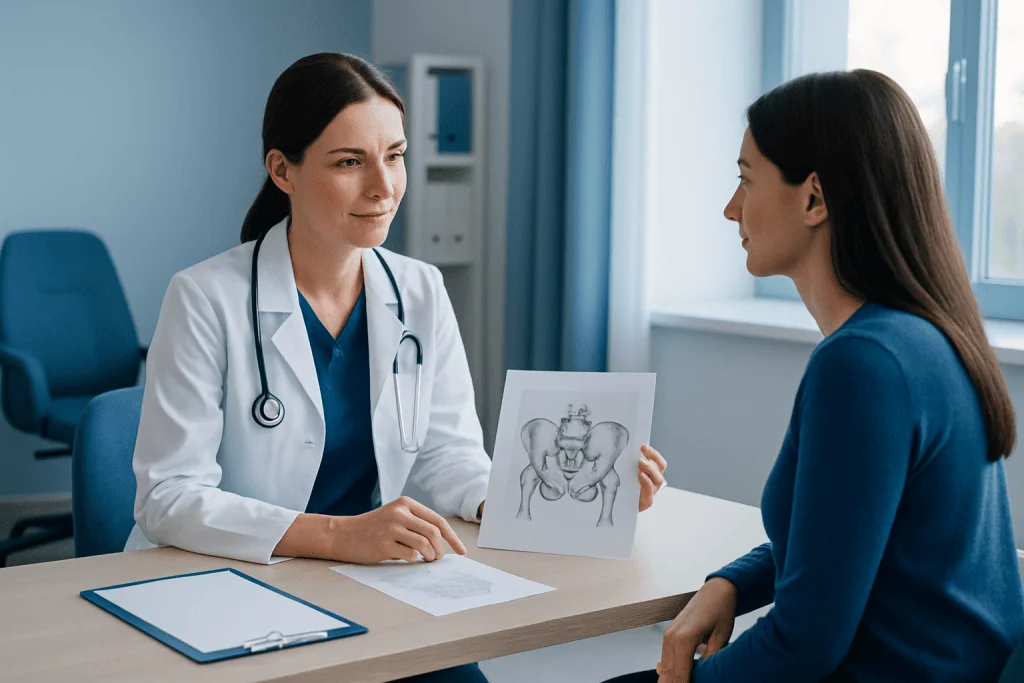
One of the most important parts of sacral neuromodulation is the trial period, sometimes called test stimulation. Before placing a permanent device, the doctor first checks whether nerve stimulation actually improves the patient’s symptoms. This makes the treatment more individualized and helps avoid an unnecessary permanent implant.
There are different ways to perform the test phase, but the basic idea is similar. A thin temporary wire is placed near the sacral nerve through a small procedure, usually with local anesthesia and imaging guidance or anatomical landmarks. The wire connects to an external stimulator worn outside the body for several days or, in some centers, longer. During that time, the patient tracks symptoms such as bathroom frequency, urgency, leakage episodes, or the ability to empty the bladder.
The test is considered successful if symptoms improve enough to meet the goals set with the doctor beforehand. The exact threshold may vary by condition and specialist, but meaningful improvement in day-to-day life is the key measure. If the trial is successful, the patient may then move on to permanent implantation. If not, the wire is removed and the care team discusses other options.
Diagnosis and pre-procedure evaluation
Before recommending sacral neuromodulation, doctors usually carry out a structured evaluation. This often includes a detailed medical history, a review of symptoms, medication use, bowel and bladder habits, and a physical examination. Patients may be asked to keep a voiding or bowel diary for several days to show how often symptoms occur and how severe they are.
Additional testing depends on the problem being treated. Urinalysis may help rule out infection, while ultrasound or other studies can assess how well the bladder empties. In some cases, doctors use specialized tests to understand bladder function more clearly. If bowel symptoms are involved, the evaluation may include colorectal assessment and discussion of diet, stool consistency, and pelvic floor function.
The specialist also reviews factors that may affect the procedure or long-term use of the device. These can include previous pelvic surgery, spinal anatomy, ability to operate the patient controller, pregnancy planning, and compatibility issues with future imaging or procedures. In some people, a broader treatment plan may include urology care or pelvic floor rehabilitation before or alongside neuromodulation.
Permanent implant and recovery
If the test phase is successful, the next step is permanent implantation. In this procedure, a lead is positioned near the sacral nerve and connected to a small pulse generator placed under the skin, often in the upper buttock area. The exact technique may vary by device and patient anatomy, but the goal is stable placement with comfortable, effective stimulation.
Recovery is usually manageable, but patients need to follow instructions carefully while healing. Activity may be limited for a short time to reduce the chance of lead movement. The care team explains wound care, bathing guidance, and signs of infection or device problems that should prompt a call. Most people return gradually to normal daily activities, though the timeline depends on the procedure and individual health.
After implantation, the device is programmed and adjusted over time. This is a normal part of treatment, not a sign that something is wrong. Small changes in settings can make a meaningful difference in comfort and symptom control, so follow-up visits are an important part of success. In centers with multidisciplinary expertise, neuromodulation treatment is often coordinated with bladder, bowel, and pelvic health specialists.
Results, benefits, and possible risks
Sacral neuromodulation can reduce urgency, frequency, incontinence episodes, or difficulty emptying in selected patients. Many people seek this treatment because symptoms interfere with work, sleep, travel, exercise, and social confidence. When the therapy works well, improvement in quality of life may be as important as the symptom reduction itself.
Results vary from person to person, and it is helpful to have realistic expectations. Some patients experience strong improvement, while others notice more modest benefits. The treatment may need periodic reprogramming, and in some cases the device may eventually require battery replacement or further adjustment. It is best viewed as an ongoing management tool rather than a one-time cure.
Like any procedure, sacral neuromodulation has potential risks. These may include discomfort at the implant site, infection, lead movement, unwanted stimulation sensations, reduced benefit over time, or the need for revision or removal. A careful discussion with the treating specialist helps patients weigh these risks against the burden of untreated symptoms.
Self-care, follow-up, and when to seek medical advice
Even after implantation, healthy daily habits still matter. Patients are often encouraged to continue bladder or bowel diaries, follow dietary guidance, manage constipation, stay hydrated appropriately, and keep up with pelvic floor strategies if advised. These measures can support the effect of neuromodulation and help the care team fine-tune treatment.
Regular follow-up is essential because the device may need adjustment over time. Patients should contact their doctor if symptoms suddenly return, stimulation becomes uncomfortable, the device seems not to be working, or there are signs of redness, swelling, drainage, fever, or new pain near the implant. Prompt review can often identify a simple programming issue or early complication.
People should also seek medical advice if they develop new neurological symptoms, trouble urinating, severe bowel changes, or symptoms that suggest another condition is present. For international patients who need coordinated care, Acibadem International’s multidisciplinary specialists and JCI-accredited hospitals diagnose and treat bladder and bowel control disorders with individualized planning.
Frequently asked questions
What conditions can sacral neuromodulation treat?
Sacral neuromodulation is most often used for overactive bladder, urge urinary incontinence, non-obstructive urinary retention, and some cases of fecal incontinence. It is usually considered when conservative treatments and medicines have not helped enough. A specialist decides whether the pattern of symptoms fits this therapy.
Is sacral neuromodulation the same as a cure?
No. Sacral neuromodulation is a symptom-management treatment, not a cure for every underlying cause. It may significantly improve control and quality of life, but ongoing follow-up and occasional device adjustments are often needed.
How does the doctor know if it will work for a patient?
The treatment usually starts with a temporary test phase. During that period, the patient tracks symptoms to see whether there is meaningful improvement. If the test is clearly helpful, a permanent implant may be recommended.
Can the device be removed if needed?
Yes. Sacral neuromodulation is generally considered reversible, and the system can be turned off or removed if necessary. A doctor may recommend removal for infection, lack of benefit, discomfort, or other device-related problems.
Will a person feel the stimulation all the time?
Some people feel a mild sensation, while others feel little or nothing once the settings are adjusted well. The goal is symptom improvement with good comfort. If the sensation is unpleasant, the device can often be reprogrammed.
Are there activity restrictions after implantation?
There are usually short-term restrictions during healing, especially on movements that could shift the lead. The care team provides instructions about lifting, bending, exercise, bathing, and wound care. After recovery, many people return to normal routines, but they should continue follow-up as advised.
References
- National Institute of Diabetes and Digestive and Kidney Diseases
- American Urological Association
- International Continence Society
- National Institute for Health and Care Excellence
- American Society of Colon and Rectal Surgeons
This article is for general information only and is not a substitute for professional medical advice. Please consult a qualified doctor about your individual situation.
Neuromodulation in Turkey — costs, top hospitals & a free quote
JCI-accredited · board-certified surgeons · reply within 24h
Add us as a Preferred Source to see more of our trusted health content across Google Search, AI Overviews and Discover.

More from the Health Library



Related Specialists

Assoc. Prof. Dr. Bedriye Koyuncu Sökmen
Gastrointestinal Oncology Unit Clinical Service
Dr. Hülya Deveci
Ophthalmology
Dr. Muzaffer Ağır
Orthopedic Surgery & Traumatology
Assoc. Prof. Dr. Gökhan Karademir
Orthopedic Surgery & Traumatology