How to Build Strong Bones and Joints Naturally: Exercise, Sleep, and Daily Habits

Weight-bearing and strength exercises help maintain bone density and support joint stability. Good sleep is important for tissue repair, hormone balance, and overall musculoskeletal health.
Key Takeaways
- Weight-bearing and strength exercises help maintain bone density and support joint stability.
- Good sleep is important for tissue repair, hormone balance, and overall musculoskeletal health.
- Calcium, vitamin D, protein, and other nutrients play key roles in bone and joint function.
- Healthy body weight, posture, and injury prevention habits reduce stress on joints.
- Persistent pain, swelling, or loss of mobility should be assessed by a qualified doctor.
Building strong bones and joints naturally involves more than taking supplements. Regular movement, good sleep, balanced nutrition, and everyday habits all work together to support bone density, muscle strength, flexibility, and long-term mobility.
Overview: What Helps Bones and Joints Stay Strong
Strong bones and healthy joints are essential for movement, balance, posture, and independence throughout life. Bones provide the body’s framework and store important minerals, while joints allow smooth motion between bones. Muscles, tendons, ligaments, and cartilage also support this system, so bone and joint health depends on the whole musculoskeletal system working well together.
Many people think bone health is only about calcium, but daily habits have a broader impact. Regular exercise, restorative sleep, balanced meals, hydration, avoiding smoking, and limiting excess alcohol can all contribute to stronger bones and more comfortable joints. These habits help preserve bone density, maintain muscle strength, reduce inflammation, and lower the risk of falls and injuries.
Bone strength changes across the lifespan. Childhood and young adulthood are important years for building bone mass, but healthy habits remain valuable at every age. Adults can continue to protect bone density and joint function by staying active and addressing risk factors early.
Natural ways to support bones and joints are most effective when they are consistent and realistic. Small daily choices, such as walking regularly, sleeping enough, and eating nutrient-rich foods, can add up over time and support long-term mobility and quality of life.
Exercise for Bone Strength and Joint Support
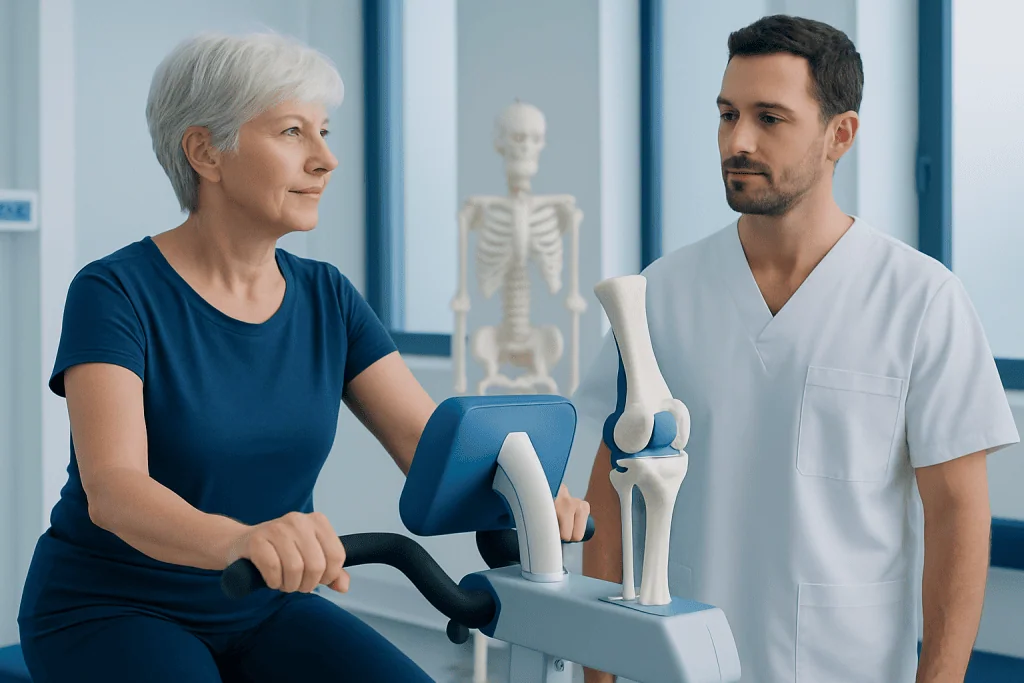
Exercise is one of the most effective natural ways to strengthen bones and support joints. Weight-bearing activities encourage bones to adapt to healthy stress, which helps maintain or improve bone density. At the same time, movement nourishes joint cartilage, improves flexibility, and strengthens the muscles that stabilize joints.
Different types of exercise support musculoskeletal health in different ways. Weight-bearing aerobic activities such as walking, hiking, stair climbing, dancing, and low-impact aerobics can help bones stay strong. Resistance training, using body weight, resistance bands, or weights, helps build muscle and supports the hips, knees, spine, and shoulders.
Balance and flexibility exercises are also important, especially with age. Practices such as stretching, tai chi, yoga, or guided mobility routines may improve coordination and range of motion, which can reduce fall risk and stiffness. Exercise does not need to be extreme to be effective; a steady, well-rounded routine is often best.
- Weight-bearing exercise helps stimulate bone maintenance.
- Strength training supports muscles that protect joints.
- Balance work may reduce falls and related fractures.
- Flexibility exercises can improve comfort and mobility.
People with existing pain, osteoporosis, arthritis, or a recent injury should ask a doctor or physiotherapist which exercises are safest. In some cases, personalized rehabilitation or evaluation for osteoporosis or osteoarthritis may be appropriate if symptoms or fracture risk are concerns.
Why Sleep Matters for Bone and Joint Health

Sleep is often overlooked in musculoskeletal health, yet it plays an important role in the body’s repair processes. During sleep, the body regulates hormones involved in growth, tissue repair, and inflammation. This helps bones, muscles, and connective tissues recover from daily stress and exercise.
Poor sleep may affect energy levels, coordination, pain sensitivity, and the ability to stay physically active. When a person is tired, they may move less, exercise less effectively, and have a higher risk of falls or injury. Over time, chronic sleep disruption may also contribute to unhealthy habits that indirectly affect bone and joint health.
Healthy sleep habits can support overall recovery. A regular sleep schedule, a dark and quiet bedroom, limited screen exposure before bed, and avoiding large late meals or excess caffeine may help improve sleep quality. Managing stress can also be useful, since stress and pain can both interfere with restful sleep.
If joint pain, back pain, or nighttime discomfort repeatedly disturbs sleep, a medical assessment can help identify the cause. Treating underlying conditions and improving sleep quality together may support better day-to-day function and more comfortable movement.
Nutrition and Daily Habits That Support Healthy Bones
Nutrition provides the building blocks for bone and joint health. Calcium is well known for supporting bones, but it is only one part of the picture. Vitamin D helps the body absorb calcium, protein supports muscle and tissue repair, and nutrients such as magnesium, phosphorus, and vitamin K also contribute to normal bone metabolism.
A balanced eating pattern may include dairy foods or fortified alternatives, leafy green vegetables, beans, nuts, seeds, eggs, and fish, depending on personal preferences and medical needs. Protein is especially important because strong muscles help protect joints and improve balance. Adequate hydration also supports overall tissue function and may help people stay active more comfortably.
Body weight matters as well. Carrying excess weight can increase stress on weight-bearing joints such as the knees, hips, and lower back. On the other hand, being underweight can be associated with lower bone density in some people. A healthy, sustainable weight can support both bone strength and joint comfort.
- Choose calcium-rich foods regularly.
- Discuss vitamin D needs with a doctor, especially if sun exposure is limited.
- Include enough protein from appropriate dietary sources.
- Limit smoking and excessive alcohol, which can harm bone health.
People with digestive disorders, restricted diets, or unexplained weight loss may need professional guidance to identify nutritional gaps. A doctor or dietitian can help tailor a plan that supports musculoskeletal health safely and effectively.
Posture, Movement, and Everyday Joint Protection
Daily habits outside of formal exercise also affect bones and joints. Good posture helps distribute force more evenly through the spine and lower limbs, while poor posture over time may contribute to strain and discomfort. Simple measures such as adjusting chair height, using supportive footwear, and avoiding long periods in one position can make daily movement easier.
Joint protection means using the body in ways that reduce unnecessary stress. For example, bending the knees and hips when lifting, carrying loads close to the body, and alternating repetitive tasks can help protect the back, shoulders, and wrists. Taking movement breaks during desk work or long travel is also helpful for stiffness and circulation.
Home safety is another part of prevention, particularly for older adults. Reducing trip hazards, improving lighting, using handrails, and choosing stable shoes may help lower the risk of falls. Fall prevention matters because fractures, especially in the hip or spine, can have a major impact on independence.
When discomfort or reduced mobility is already present, structured support may help. Depending on the cause, a doctor may recommend physical therapy and rehabilitation to improve strength, balance, posture, and safe movement patterns as part of a broader care plan.
Common Risks to Bone and Joint Health
Several factors can affect bone density and joint function over time. Aging is one of the most common, as bones may gradually lose density and cartilage can wear down. Hormonal changes, especially after menopause, can also influence bone strength. Family history may increase the likelihood of some bone and joint conditions.
Low physical activity, poor nutrition, smoking, excessive alcohol use, and long-term use of certain medications may also play a role. Repeated injuries, physically demanding work, poor biomechanics, and obesity can increase joint stress and contribute to pain or degeneration. In some people, autoimmune or inflammatory diseases may affect the joints more directly.
Recognizing risk factors can help people take preventive steps earlier. Someone with a family history of fragile bones, a previous low-impact fracture, chronic joint pain, or long-term steroid use may benefit from medical advice before symptoms become more serious. Early attention can help guide screening, exercise choices, and lifestyle changes.
Not all aches mean a serious condition, but ongoing symptoms should not be ignored. If bone loss or joint damage is suspected, appropriate evaluation can identify the cause and help prevent progression.
When to Seek Medical Advice and What Evaluation May Involve
A doctor should assess persistent joint pain, swelling, stiffness that lasts beyond brief morning discomfort, repeated injuries, back pain with reduced function, or a noticeable loss of height. Medical advice is also important after a fall, if pain interferes with sleep, or if a person has a fracture after minor trauma. These can be signs that bones or joints need closer evaluation.
Assessment often begins with a medical history and physical examination. A doctor may ask about symptoms, activity level, previous fractures, medications, menstrual or menopause history, family history, and diet. Depending on the concern, evaluation may include blood tests, imaging studies, or bone density testing.
Treatment depends on the underlying problem. Some people may benefit mainly from exercise guidance, nutrition changes, weight management, and rehabilitation. Others may need targeted care for arthritis, injury, inflammation, or low bone density. In selected cases, imaging or specialist-led care such as orthopedic surgery may be considered when structural problems are significant and conservative options are not enough.
For international patients who need further assessment, Acibadem International’s multidisciplinary specialists and JCI-accredited hospitals provide diagnosis and treatment for bone and joint conditions. The most appropriate plan depends on the person’s symptoms, age, medical history, and goals for daily function.
Frequently asked questions
Can bones really become stronger naturally?
Yes. Bones respond to healthy stress from weight-bearing exercise and resistance training, and they also depend on good nutrition and adequate sleep. While age and medical factors matter, consistent daily habits can help maintain or improve bone health over time.
What type of exercise is best for strong bones and joints?
A combination often works best. Weight-bearing exercise supports bone strength, strength training builds the muscles that protect joints, and balance and flexibility exercises help reduce stiffness and fall risk. The safest program depends on age, fitness level, and any existing condition.
Does sleep affect bone and joint health?
Yes. Sleep supports tissue repair, hormone regulation, and recovery after physical activity. Poor sleep can worsen pain, lower energy, and make it harder to stay active, which may indirectly affect bones and joints.
Which nutrients are most important for bones?
Calcium and vitamin D are important, but they are not the only nutrients involved. Protein, magnesium, phosphorus, and vitamin K also contribute to healthy bone and muscle function. A balanced diet is usually more helpful than focusing on a single nutrient alone.
How can someone protect their joints in everyday life?
Helpful habits include maintaining a healthy body weight, using good posture, lifting safely, taking breaks from repetitive tasks, and wearing supportive footwear. Regular movement and muscle strengthening can also improve joint stability and reduce strain.
When should joint pain or bone concerns be checked by a doctor?
Medical advice is important if pain is persistent, swelling is present, movement becomes limited, or a fracture happens after minor trauma. Evaluation is also helpful for repeated falls, ongoing back pain, or symptoms that disturb sleep or daily activities.
References
- World Health Organization
- National Institute of Arthritis and Musculoskeletal and Skin Diseases
- National Institutes of Health Office of Dietary Supplements
- International Osteoporosis Foundation
- Centers for Disease Control and Prevention
This article is for general information only and is not a substitute for professional medical advice. Please consult a qualified doctor about your individual situation.
Joint and spine care in Turkey — expert assessment & treatment
JCI-accredited · board-certified surgeons · reply within 24h
Add us as a Preferred Source to see more of our trusted health content across Google Search, AI Overviews and Discover.

More from the Health Library



Related Specialists
Fzt. Mustafa Özcan
Physical Medicine & Rehabilitation
Dr. Mustafa Demir
Ophthalmology
Dr. Mehmet Behram Çam
Otorhinolaryngology
Prof. Dr. Bülent Saçak
Aesthetic Plastic & Reconstructive Surgery