How to Choose a Vascular Neurologist for Stroke Prevention and Follow-Up

A vascular neurologist focuses on stroke prevention, diagnosis, treatment decisions, and long-term follow-up. The best choice is usually a specialist with stroke expertise, strong communication skills, and access to coordinated care.
Key Takeaways
- A vascular neurologist focuses on stroke prevention, diagnosis, treatment decisions, and long-term follow-up.
- The best choice is usually a specialist with stroke expertise, strong communication skills, and access to coordinated care.
- Patients should ask about experience with TIA, ischemic stroke, hemorrhagic stroke, and management of risk factors.
- A good follow-up plan often includes imaging review, medication guidance, lifestyle counseling, and rehabilitation support.
- Urgent symptoms such as sudden weakness, speech difficulty, or vision loss need emergency care, not a routine clinic visit.
A vascular neurologist is a doctor who specializes in stroke, transient ischemic attack (TIA), and conditions that affect blood flow to the brain. Choosing the right specialist can support better prevention, clearer follow-up, and a more confident long-term care plan.
Overview: What a vascular neurologist does
A vascular neurologist is a neurologist with advanced expertise in disorders related to the blood vessels of the brain. This includes ischemic stroke, bleeding in or around the brain, transient ischemic attack (TIA), and conditions that raise the risk of future stroke. Their role is not limited to emergency treatment. They also help patients understand why a stroke happened, how to lower the chance of another one, and what kind of follow-up is needed over time.
For many people, choosing a vascular neurologist becomes important after a first stroke warning sign, after a hospital stay, or when risk factors such as high blood pressure, diabetes, high cholesterol, irregular heartbeat, or smoking are present. Some patients are referred because imaging has shown narrowing of blood vessels or because they have repeated symptoms that may suggest a circulation problem in the brain.
This specialist often works closely with other experts, including emergency physicians, neuroradiologists, cardiologists, neurosurgeons, rehabilitation teams, speech therapists, and primary care doctors. Because stroke prevention is rarely managed by one doctor alone, patients often benefit from choosing a vascular neurologist who practices within a coordinated system of care.
Who may need one for stroke prevention or follow-up
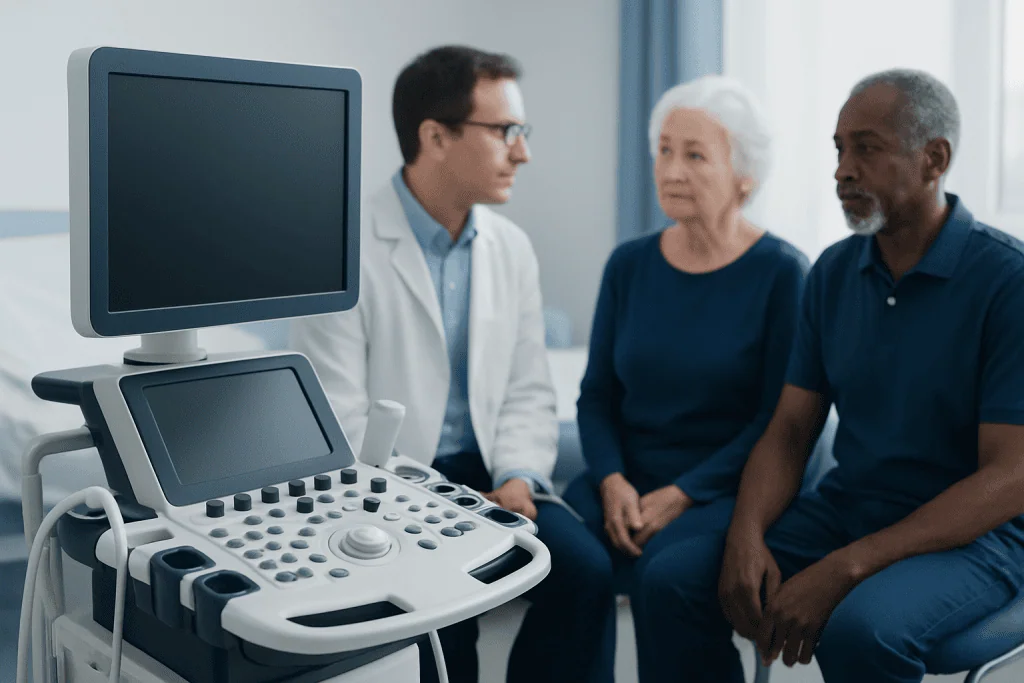
A vascular neurologist may be helpful for people who have had a stroke or a TIA, sometimes called a mini-stroke. TIA symptoms can resolve quickly, but they still need urgent medical attention because they may be an early warning of a future stroke. Patients with unexplained dizziness, sudden temporary weakness, brief vision loss, speech problems, or abnormal brain imaging may also be referred for specialist assessment.
Follow-up care can also be important for patients whose stroke risk is increased by other health conditions. These include atrial fibrillation, carotid artery narrowing, uncontrolled blood pressure, diabetes, sleep apnea, clotting disorders, migraine with unusual neurologic symptoms, and a family or personal history of vascular disease. A vascular neurologist can help determine which risk factors matter most and how aggressively they should be managed.
Some people seek this specialist for a second opinion, especially if the cause of a prior stroke remains unclear or if symptoms continue after hospital discharge. This may be particularly useful in cases of stroke with an uncertain source, repeated TIAs, or complex treatment decisions involving blood thinners, vessel imaging, or procedures.
How to choose the right vascular neurologist

When comparing specialists, one of the most important factors is focused experience in stroke medicine. Patients may wish to ask whether the doctor routinely manages ischemic stroke, hemorrhagic stroke, TIA, carotid disease, and secondary stroke prevention. It can also help to know whether the neurologist reviews brain and vessel imaging personally and whether they are involved in acute stroke pathways at a comprehensive hospital.
Clear communication matters just as much as technical expertise. A good vascular neurologist should be able to explain test results, possible stroke mechanisms, medication choices, and warning signs in language that is easy to understand. Patients often feel more confident when the doctor welcomes questions, discusses both benefits and risks of treatment, and provides a practical plan for the next steps.
It is also useful to look at the care setting around the specialist. Stroke prevention often requires access to brain MRI, CT or vessel imaging, heart rhythm evaluation, laboratory testing, and rehabilitation support. Depending on the situation, care may involve collaboration with teams offering advanced neuroradiology evaluation or specialized neurology care. A clinic that can coordinate several parts of care may make follow-up easier and more consistent.
Practical details should not be overlooked. Patients may want to consider appointment availability, language support, ease of sharing previous records, access to telemedicine for follow-up, and how the team handles urgent questions between visits. These factors can strongly affect long-term adherence to a prevention plan.
Questions to ask at the first appointment
Preparing a few focused questions before the visit can help patients make the most of the consultation. It is reasonable to ask what type of stroke or TIA is suspected, what the likely cause may be, what further tests are needed, and how the doctor estimates the risk of recurrence. If the cause is still uncertain, patients can ask what possibilities remain and how they will be investigated.
Medication review is another key part of the first appointment. Patients may ask why a blood thinner, antiplatelet medicine, cholesterol-lowering medicine, or blood pressure treatment is recommended, how long it may be needed, and what side effects should be watched for. The goal is not only to receive a prescription, but to understand how each medicine fits into stroke prevention.
Questions about recovery and follow-up are equally important. Patients can ask how often they should return, whether repeat imaging is needed, what symptoms should prompt urgent evaluation, and whether referral to rehabilitation, speech therapy, or cognitive assessment would help. If blood vessel narrowing or another structural problem is found, the neurologist may discuss whether procedures such as interventional neuroradiology treatment or surgical review are ever necessary.
- What do you think caused the event?
- What tests are still needed?
- What is my risk of another stroke?
- Which risk factors should I address first?
- What symptoms mean I should seek emergency care?
What good stroke follow-up care should include
High-quality follow-up care usually begins with confirming the diagnosis and stroke mechanism as clearly as possible. This may involve reviewing hospital records, brain scans, vessel imaging, heart tests, and blood work. The aim is to understand whether the event was caused by a blocked artery, a heart-related clot, bleeding, small vessel disease, vessel inflammation, or another less common cause.
The next step is a tailored prevention plan. This often includes treatment of blood pressure, cholesterol, diabetes, and smoking, along with guidance on exercise, nutrition, sleep, and stress. For some patients, screening for irregular heart rhythm or further evaluation of the carotid arteries is part of ongoing care. Others may need advice related to pregnancy planning, inherited clotting conditions, or return to work and travel.
Good follow-up also pays attention to life after stroke. Even when physical symptoms improve, patients may experience fatigue, mood changes, memory difficulties, communication problems, or reduced confidence. A thoughtful vascular neurologist recognizes these concerns and can connect patients with rehabilitation specialists, mental health support, or additional testing when needed. In some cases, this may overlap with care for related conditions such as brain aneurysm or other cerebrovascular disorders.
Warning signs that need urgent medical attention
Routine specialist follow-up is important, but it should never delay emergency treatment for possible stroke symptoms. Sudden weakness or numbness on one side, trouble speaking, confusion, sudden vision loss, severe imbalance, or a sudden severe headache can all require immediate emergency care. If these symptoms appear, patients should seek urgent medical help right away rather than waiting for an outpatient appointment.
Even symptoms that last only a few minutes may be significant. A TIA can be a serious warning sign, and early treatment may lower the risk of a larger stroke. New symptoms after a recent stroke should also be assessed quickly, especially if they are different from previous deficits or come with worsening blood pressure, chest symptoms, or altered consciousness.
It is helpful for patients and families to learn basic stroke recognition and keep emergency contact plans simple. Follow-up appointments are best used for prevention, clarification, and long-term management, while sudden neurologic symptoms should always be treated as urgent until a healthcare team says otherwise.
How patients can prepare and support long-term prevention
Patients can improve the value of a specialist visit by bringing previous hospital notes, discharge summaries, medication lists, blood pressure records, and copies of imaging reports if available. Writing down the timeline of symptoms, including when they started and how long they lasted, can help the neurologist piece together the most likely diagnosis. If possible, bringing a family member or trusted companion may also help with note-taking and recall.
Long-term stroke prevention depends on more than clinic visits alone. Stopping smoking, taking medicines as prescribed, following blood pressure and cholesterol treatment plans, staying physically active within medical advice, and managing sleep and diabetes are often central parts of care. Patients should also mention any barriers they face, such as medication side effects, cost, travel difficulties, or trouble understanding the plan, so the care team can help adjust it.
For international patients or those seeking a second opinion, a center with multidisciplinary stroke expertise can be especially useful. Near the end of the care pathway, some patients may choose hospitals that offer coordinated imaging, neurology, rehabilitation, and procedural care in one place, including stroke center care. Acibadem International’s multidisciplinary specialists and JCI-accredited hospitals diagnose and treat cerebrovascular conditions for international patients.
Frequently asked questions
What is the difference between a neurologist and a vascular neurologist?
A neurologist treats many disorders of the brain, spinal cord, nerves, and muscles. A vascular neurologist has focused expertise in stroke, TIA, and diseases of the brain’s blood vessels, including prevention and follow-up after these events.
Should someone see a vascular neurologist after a TIA?
Yes. A TIA may be brief, but it can signal a higher risk of stroke in the near future. A vascular neurologist can help identify the cause, arrange further testing, and create a prevention plan.
What tests might a vascular neurologist order?
Testing may include brain imaging such as MRI or CT, blood vessel imaging, heart rhythm monitoring, echocardiography, and blood tests. The exact tests depend on the patient’s symptoms, age, medical history, and suspected stroke mechanism.
How often is follow-up needed after a stroke?
Follow-up schedules vary depending on the cause of stroke, recovery, and risk factors. Some patients are seen soon after hospital discharge and then at regular intervals, while others may need more frequent visits if the diagnosis is unclear or treatment is being adjusted.
Can a vascular neurologist help prevent a first stroke?
Yes, especially in people with significant risk factors such as atrial fibrillation, severe carotid narrowing, uncontrolled blood pressure, prior TIA symptoms, or a strong vascular history. The specialist can help assess risk and guide prevention strategies alongside other doctors.
What should someone bring to the first appointment?
It helps to bring hospital records, discharge papers, a list of medicines, blood pressure readings, and any imaging reports or scan discs if available. A written timeline of symptoms and questions can also make the visit more productive.
References
- World Stroke Organization
- American Heart Association
- National Institute of Neurological Disorders and Stroke
- Centers for Disease Control and Prevention
- European Stroke Organisation
This article is for general information only and is not a substitute for professional medical advice. Please consult a qualified doctor about your individual situation.
Explore treatments in Turkey — costs, top hospitals & a free quote
JCI-accredited · board-certified surgeons · reply within 24h
Add us as a Preferred Source to see more of our trusted health content across Google Search, AI Overviews and Discover.
Check your numbers in seconds
BMI, calories, due date, blood pressure and 30+ more clinical calculators — free, instant, doctor-reviewed ranges.

More from the Health Library



Related Specialists

Prof. Dr. Kahraman Öztürk
Orthopedic Surgery & Traumatology
Dr. Nadir Aliyev
Emergency Service
Prof. Dr. Korkut Atalan
Anesthesiology
Prof. Dr. Ülkü Tuncer
Otorhinolaryngology