How to Choose the Right Oncologist: Key Questions for Patients

Patients should look for an oncologist with experience in their specific cancer type and stage. Clear communication, shared decision-making, and respect for patient preferences are essential.
Key Takeaways
- Patients should look for an oncologist with experience in their specific cancer type and stage.
- Clear communication, shared decision-making, and respect for patient preferences are essential.
- Hospital resources, multidisciplinary care, and access to diagnostics or clinical trials can affect treatment planning.
- A second opinion is common in cancer care and can help patients feel more confident about their options.
- Practical issues such as location, insurance, language support, and follow-up care also matter.
Choosing an oncologist is an important step after a cancer diagnosis or when a second opinion is needed. The right fit often combines medical expertise, clear communication, access to the right treatments, and a care team the patient can trust.
Overview: Why Choosing the Right Oncologist Matters
Learning that cancer may be present can feel overwhelming, and many patients want to act quickly. Even so, taking time to choose the right oncologist can make a meaningful difference in the overall care experience. An oncologist is the doctor who specializes in diagnosing and treating cancer, but cancer care often involves more than one specialist working together.
The best choice is not only about reputation. It is also about whether the doctor has experience with the patient’s specific cancer, explains information clearly, listens carefully, and works within a hospital system that offers the needed services. For many people, trust and communication are just as important as medical credentials.
Different patients may need different specialists. Some will see a medical oncologist for drug treatments such as chemotherapy, targeted therapy, immunotherapy, or hormone therapy. Others may also need a surgical oncologist, a radiation oncologist, or specialists in pathology, radiology, genetics, nutrition, pain management, and emotional support.
Choosing an oncologist is often easier when patients focus on a few practical questions: Does this doctor treat my type of cancer often? Does the doctor explain options in a way I understand? Is the hospital able to provide the tests and treatments I may need? These questions can guide a thoughtful decision without adding unnecessary pressure.
Understanding the Oncologist’s Role and the Cancer Care Team
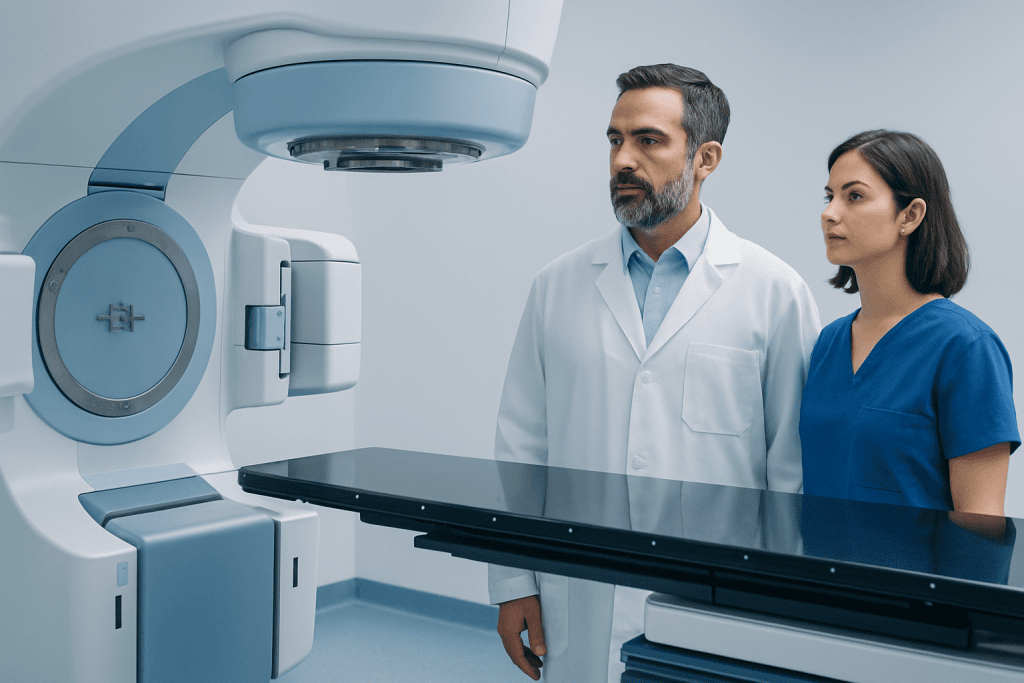
Not all oncologists do the same work. A medical oncologist usually manages cancer medicines and coordinates treatment over time. A surgical oncologist performs operations to remove tumors or take tissue samples. A radiation oncologist plans and oversees radiation therapy. Depending on the diagnosis, patients may work with one or several of these specialists.
It can help to ask who will be the main point of contact. In some cases, one oncologist leads the treatment plan while other specialists contribute at different stages. In other cases, decisions are made through a multidisciplinary tumor board, where several experts review scans, pathology results, and treatment choices together.
A strong cancer program often includes more than doctors alone. Oncology nurses, pharmacists, radiologists, pathologists, dietitians, psycho-oncology professionals, physiotherapists, and palliative care teams may all play a role. This broader support can be especially important when treatment causes side effects or when care continues over many months.
Patients may also hear terms such as medical oncology, radiation oncology, or surgical oncology when exploring their options. Understanding these roles can make consultations less confusing and help patients know which questions to ask each specialist.
What to Look For in an Oncologist
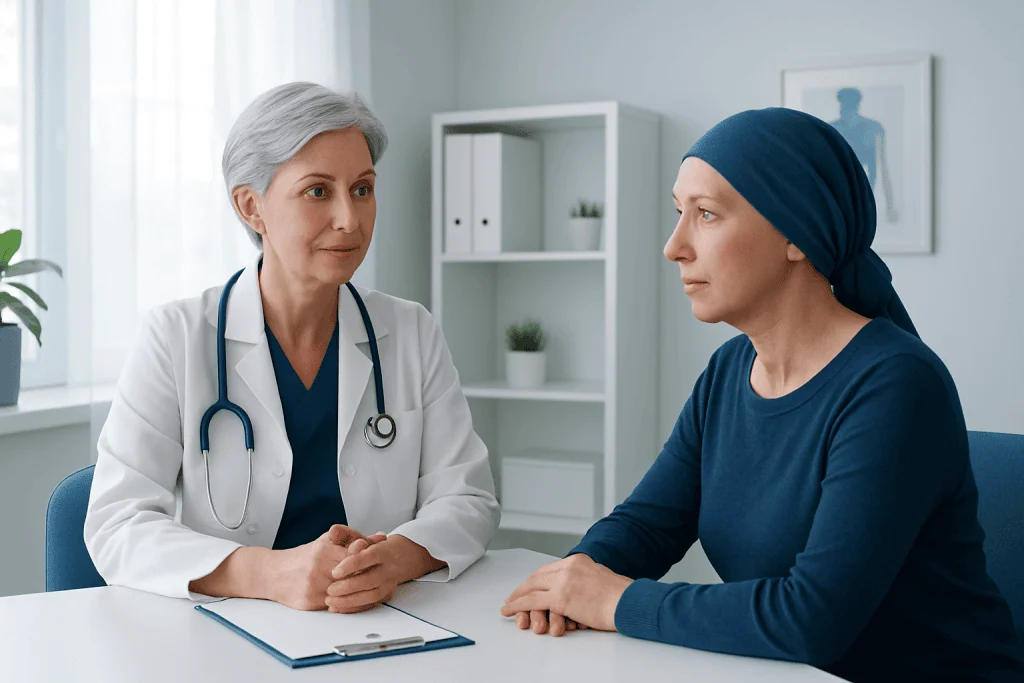
Experience matters, especially for less common cancers or complex cases. Patients may ask whether the oncologist regularly treats their cancer type, stage, or subtype. It is also reasonable to ask about familiarity with modern treatment approaches, such as biomarker testing, targeted therapies, immunotherapy, or combined treatment plans when appropriate.
Board certification, subspecialty training, and hospital accreditation can also provide reassurance. While credentials are important, they should be considered alongside practical quality markers such as access to advanced imaging, expert pathology review, supportive care services, and coordinated follow-up. A well-organized center can make a difficult treatment journey feel more manageable.
Communication style is another key factor. The right oncologist should explain the diagnosis, treatment goals, possible benefits, and side effects in language the patient can understand. Patients should feel comfortable asking questions, requesting clarification, and discussing personal priorities, including work, family responsibilities, fertility, travel, or quality of life.
Many people also consider whether the doctor and team are accessible. Helpful questions include how quickly test results are shared, who to contact after hours, how side effects are handled, and whether appointments can be coordinated efficiently. Feeling supported between visits can reduce stress and improve confidence throughout care.
Key Questions Patients Can Ask During the First Visit
The first consultation is often the best time to understand whether the oncologist is a good fit. Bringing a written list of questions can help patients remember what matters most. It is also helpful to bring a family member or friend, both for emotional support and to help take notes.
Important questions often include:
- What type and stage of cancer do I have, and how certain is the diagnosis?
- Will I need more tests before treatment begins?
- What are the main treatment options, and what is the goal of each one?
- What side effects might happen in the short term and long term?
- How urgent is it to start treatment?
- Would you recommend a second opinion or additional specialist review?
- Are there clinical trials or newer therapies that may be relevant?
Patients may also ask how decisions are made if more than one treatment is possible. Some plans focus on cure, while others may aim to control disease, reduce symptoms, or improve quality of life. Honest, balanced answers help patients make informed choices that fit their values and medical needs.
Practical questions are just as important. Patients can ask about appointment schedules, expected treatment duration, likely monitoring tests, and who coordinates care if hospitalization or supportive services are needed. Understanding the process early often makes the next steps feel clearer and more manageable.
The Importance of Second Opinions and Specialized Testing
Seeking a second opinion is common in oncology and should not be seen as disrespectful. Cancer treatment can be complex, and another specialist may confirm the plan, suggest additional testing, or offer a different approach. Many patients feel more reassured once they know their options have been reviewed carefully.
A second opinion may be especially helpful when the cancer is rare, the diagnosis is uncertain, surgery is extensive, or several treatment paths are available. It can also be useful if the patient feels rushed, confused, or not fully heard. In many cases, the second opinion supports the first plan, which can strengthen confidence in moving forward.
Modern cancer care often depends on precise diagnosis and staging. That may include expert pathology review, advanced imaging, or molecular and genetic tests that help identify treatment targets. These tools can influence whether a patient may benefit from surgery, radiation, standard drug therapy, targeted therapy, or immunotherapy.
When discussing options, patients may also hear about related conditions and treatments linked to the type of cancer involved, such as breast cancer or lung cancer. For some patients, specialized diagnostics such as PET-CT scanning can help with staging or treatment planning, depending on the cancer type and the doctor’s recommendation.
Practical Factors That Can Affect the Decision
The most experienced oncologist may not always be the best practical fit if access to care is difficult. Patients often need repeated visits for scans, infusions, blood tests, radiation sessions, or follow-up appointments. Travel distance, transportation, waiting times, and local support at home can all affect the treatment experience.
Insurance coverage and overall costs are also important to discuss early. Patients may want to ask which tests, treatments, and hospital services are covered, whether preauthorization is needed, and if there are financial counseling services available. Clarifying these details can help avoid delays once the treatment plan is made.
Language and communication support can matter greatly, especially for international patients. Interpreter services, written care instructions, digital access to results, and a clear way to contact the care team can make consultations more effective. Patients should feel confident that they understand what is happening at every stage.
For those seeking care abroad or at large specialty centers, it may be helpful to ask how records are shared with local doctors and how follow-up is arranged after returning home. Near the end of the decision process, some patients also consider whether the hospital offers coordinated multidisciplinary care for complex diagnoses such as colon cancer.
Red Flags and Signs of a Good Fit
Patients do not need to expect perfection, but certain warning signs deserve attention. These may include unclear explanations, pressure to make a decision without enough information, difficulty reaching the team, or a lack of openness to questions and second opinions. If a patient consistently feels dismissed or confused, it may be wise to explore other options.
By contrast, signs of a good fit are often easy to recognize. The oncologist explains the diagnosis clearly, discusses benefits and risks honestly, and respects the patient’s goals. The care team is organized, test results are reviewed thoughtfully, and the patient knows whom to contact if problems arise between appointments.
Another positive sign is willingness to individualize care. Cancer treatment is rarely one-size-fits-all. A strong oncologist considers the patient’s age, general health, other medical conditions, treatment goals, and daily life when recommending a plan.
Emotional trust also matters. Patients often do best when they feel safe raising concerns about side effects, uncertainty, fertility, work, intimacy, nutrition, or mental health. A respectful relationship can support better shared decision-making over time.
Making the Final Choice and Taking the Next Step
After meeting one or more oncologists, patients may find it helpful to compare notes. They can review who explained the diagnosis most clearly, who seemed most experienced with the specific cancer, what treatment options were offered, and how supported they felt by the team. A trusted family member or friend can sometimes help bring perspective to the decision.
It is reasonable to choose the oncologist who offers both strong expertise and a communication style that feels comfortable. Treatment decisions in oncology often unfold over time, so a stable and trusting relationship can be valuable from diagnosis through treatment and follow-up. Patients should not feel guilty for taking a short period to make a thoughtful decision, as long as they follow medical advice about urgency.
Before treatment begins, patients can ask for a written summary of the diagnosis, stage, treatment plan, expected schedule, and contact details for urgent concerns. Keeping copies of pathology reports, scan reports, medication lists, and consultation notes can also make future appointments easier, especially if another opinion is needed later.
For international patients, centers such as Acibadem International offer multidisciplinary cancer care in JCI-accredited hospitals, with specialists who diagnose and treat a wide range of cancers and help coordinate care across services. Whatever center a patient chooses, the goal is the same: informed, compassionate, and well-coordinated treatment guided by qualified oncology professionals.
Frequently asked questions
What type of doctor is an oncologist?
An oncologist is a doctor who specializes in cancer care. Depending on the treatment needed, a patient may see a medical oncologist, surgical oncologist, radiation oncologist, or a combination of these specialists.
Is it normal to get a second opinion after a cancer diagnosis?
Yes, second opinions are common in oncology. They can confirm the diagnosis and treatment plan or help patients understand other available options, especially in complex or rare cases.
What should a patient bring to the first oncology appointment?
It helps to bring prior test results, pathology reports, scan reports, a medication list, and any referral notes. Many patients also bring written questions and a family member or friend for support.
How can a patient know if an oncologist has the right experience?
Patients can ask whether the doctor regularly treats their specific cancer type and stage. It is also reasonable to ask about access to specialized testing, multidisciplinary review, and newer treatment approaches when relevant.
Do hospital resources matter when choosing an oncologist?
Yes, hospital resources can affect diagnosis, treatment planning, supportive care, and follow-up. Access to imaging, pathology, surgery, radiation therapy, nursing support, and emergency guidance can all influence the care experience.
What if a patient likes the doctor but feels confused after the visit?
Confusion after a first visit is not unusual, especially when there is a lot of new information. Patients can ask for clarification, request a written summary, schedule another discussion, or seek a second opinion if needed.
References
- World Health Organization
- National Cancer Institute
- American Society of Clinical Oncology
- European Society for Medical Oncology
- National Comprehensive Cancer Network
This article is for general information only and is not a substitute for professional medical advice. Please consult a qualified doctor about your individual situation.
Oncology care in Turkey — second opinion and treatment plan
JCI-accredited · board-certified surgeons · reply within 24h
Add us as a Preferred Source to see more of our trusted health content across Google Search, AI Overviews and Discover.

Medical Oncology Department
Medical treatment of cancer with chemotherapy, immunotherapy and targeted therapies under a multidisciplinary tumor board.
60 specialists in this unitMore from the Health Library

Related Specialists
Ceyhun Cesur
Aesthetic Plastic & Reconstructive Surgery
Dr. Fatma Erbay Apaydın
Infectious Diseases & Clinical Microbiology
Dr. Erkan Kaya
Intensive Care
Dr. Tekin Münür Ormancioğlu
Ophthalmology