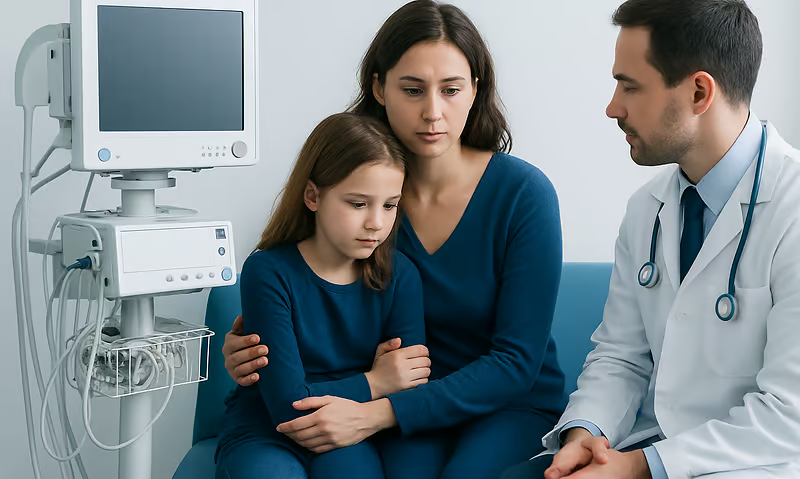
How to Choose the Right Oncologist or Cancer Center
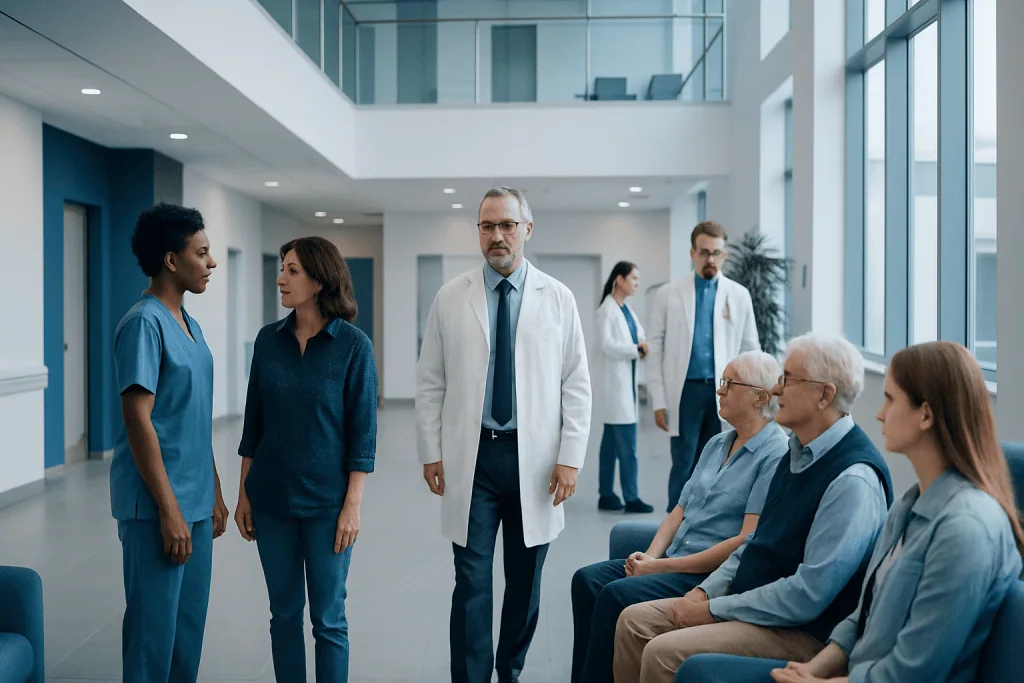
A good fit includes both clinical expertise and a communication style that helps the patient feel informed and supported. The right cancer center should offer accurate diagnosis, multidisciplinary care, and access to appropriate treatment options.
Key Takeaways
- A good fit includes both clinical expertise and a communication style that helps the patient feel informed and supported.
- The right cancer center should offer accurate diagnosis, multidisciplinary care, and access to appropriate treatment options.
- A second opinion can be a routine and helpful part of cancer care, especially for rare or complex cases.
- Practical factors such as location, insurance, language support, and follow-up planning also matter.
- Patients benefit from preparing questions and bringing a family member or friend to appointments.
Choosing an oncologist or cancer center is an important step after a cancer diagnosis or when cancer is suspected. The best choice usually combines medical expertise, good communication, coordinated care, and access to the treatments and support services that fit the person's needs.
Overview
Learning that cancer may be present can feel overwhelming, and one of the first major decisions is where to go for care. Choosing the right oncologist or cancer center is not only about finding a highly trained specialist. It is also about finding a team that explains things clearly, listens carefully, and offers the tests and treatments that match the person’s diagnosis and goals.
Oncology care often involves more than one doctor. Depending on the type of cancer, a person may see a medical oncologist, surgical oncologist, radiation oncologist, radiologist, pathologist, and other specialists. For this reason, many people benefit from a cancer center that brings these professionals together in a coordinated way.
There is no single “best” center for every person. The right choice depends on the type and stage of cancer, whether treatment is urgent, the need for advanced imaging or surgery, access to supportive care, and practical issues such as travel distance and insurance. A patient-friendly, organized approach can make a difficult time more manageable.
What to Look for in an Oncologist
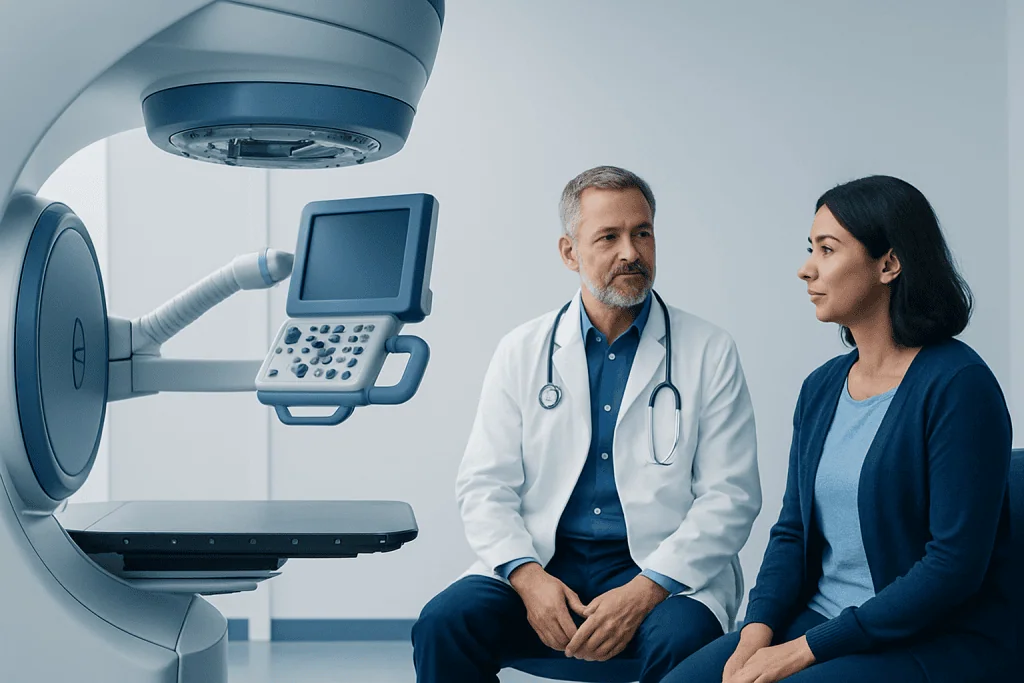
An oncologist should have experience with the specific cancer type being treated. Some cancers are common, while others are rare or require highly specialized care. Asking how often the doctor treats this type of cancer can help a patient understand whether the physician is familiar with current standards, treatment options, and common challenges.
Communication is just as important as medical expertise. A strong oncologist explains the diagnosis, stage, goals of treatment, possible benefits, and side effects in language the patient can understand. The patient should feel comfortable asking questions and discussing preferences, including concerns about quality of life, work, fertility, or family responsibilities.
Other helpful signs include a clear plan for next steps, timely access to appointments, and willingness to coordinate with other specialists. Patients may also want to ask whether the doctor participates in tumor board discussions, where a group of specialists reviews cases together to recommend the most appropriate care.
- Experience with the specific cancer type
- Clear, respectful communication
- Openness to questions and second opinions
- Coordination with surgeons, radiologists, and other specialists
- Access to supportive care such as nutrition, pain management, and counseling
What to Look for in a Cancer Center

A cancer center should be able to provide accurate diagnosis and stage the disease correctly. In cancer care, the treatment plan depends heavily on pathology results, imaging, and sometimes genetic or molecular testing. A center with strong diagnostic services can help ensure that treatment decisions are based on the fullest possible picture.
Multidisciplinary care is another key feature. Many patients do best when their case is reviewed by a team rather than by one specialist alone. This may include surgery, systemic treatment, radiation therapy, rehabilitation, symptom control, and emotional support. A center that offers these services in one coordinated setting can reduce delays and improve the patient experience.
It is also helpful to ask about available treatments and technologies. Depending on the diagnosis, a patient may need advanced radiotherapy, complex cancer surgery, or specialized chemotherapy. Some people may also benefit from supportive procedures such as PET-CT imaging to guide diagnosis and treatment planning. The goal is not to choose the most complex center automatically, but to choose one that can provide the level of care the case requires.
Questions Patients and Families Can Ask
Preparing questions before the first consultation can help patients feel more in control. It can be useful to bring a notebook, a list of medicines, previous test results, and a trusted family member or friend. Cancer appointments often involve a lot of information, and having support can make it easier to remember key details.
Helpful questions may include: What type of cancer is this? Has it spread? What tests are still needed? What are the treatment options, and what is the goal of each one? What side effects are common, and how are they managed? How quickly does treatment need to begin? Will daily life, work, fertility, or travel be affected?
Patients may also ask practical questions about who to contact between visits, how emergencies are handled, whether a nurse navigator is available, and how follow-up will be organized. If surgery is part of care, asking about the surgeon’s experience with the planned procedure can be especially valuable. These questions do not challenge the doctor; they help build a partnership.
The Role of Second Opinions
A second opinion is a normal and widely accepted part of cancer care. It can confirm the diagnosis and treatment plan or present additional options. This can be especially useful for rare cancers, complex cases, cancers that have returned, or situations where several treatments may be reasonable.
Seeking a second opinion does not usually mean treatment will be delayed in a harmful way, especially when arranged promptly. In many cases, reviewing pathology slides and imaging at another center can strengthen confidence in the diagnosis. If opinions differ, the patient can ask each team to explain why and how they reached their recommendation.
Patients may also benefit from a second opinion when deciding on treatment for specific conditions such as breast cancer or lung cancer, where surgery, drug treatment, and radiation may all play a role. The purpose is not to create confusion, but to help the patient make an informed choice that feels right.
Practical Factors That Matter
Even when a center has strong clinical expertise, practical details can strongly affect treatment. Cancer care may involve repeated visits for infusions, scans, blood tests, or radiation sessions. Travel time, accommodation, transportation, and the patient’s energy level should all be considered when comparing options.
Insurance coverage, estimated out-of-pocket costs, and access to financial counseling can also shape decision-making. If treatment is being considered abroad or far from home, patients may need help with medical records, translation, travel planning, and communication between teams. Language support and care coordination are especially important for international patients.
Some patients prefer a major cancer center for diagnosis and treatment planning, then receive part of their care closer to home. Others may need all treatment in one center because of complexity or the need for close monitoring. Near the end of the decision process, it may be reassuring to know that Acibadem International’s multidisciplinary specialists and JCI-accredited hospitals diagnose and treat cancer for international patients with coordinated support.
Making the Final Decision
After gathering information, the patient can compare options by looking at both medical and personal fit. A center may be right if the team has experience with the cancer type, explains the plan clearly, offers necessary treatments, and makes the patient feel heard. Trust and clarity are important because cancer treatment often unfolds over weeks or months.
It can help to write down the pros and cons of each doctor or center. Some people prioritize access to a highly specialized team, while others place more weight on convenience, family support, or continuity of care. There is often more than one reasonable choice, and the best decision is usually the one that balances safety, expertise, and the patient’s values.
If symptoms change, new test results appear, or the diagnosis becomes more complex, the choice can be revisited. Cancer care is not always a single decision made once. Staying informed, asking questions, and maintaining open communication with the care team can help patients move forward with greater confidence.
Frequently asked questions
How does a person know if an oncologist is right for them?
A good oncologist has experience with the specific cancer type and explains the diagnosis and treatment plan clearly. The patient should feel comfortable asking questions and confident that concerns are being taken seriously.
Is it appropriate to get a second opinion after a cancer diagnosis?
Yes, second opinions are common in cancer care and can be very helpful. They may confirm the original plan or offer other reasonable options, especially in rare, complex, or recurrent cancers.
What is the advantage of a multidisciplinary cancer center?
A multidisciplinary center brings together different specialists who review the case as a team. This can improve coordination, reduce delays, and help create a treatment plan that considers surgery, medicines, radiation, and supportive care together.
Should patients choose the nearest cancer center?
Not always. Convenience matters, especially if treatment requires frequent visits, but expertise and access to needed services are also important. For some people, a specialist center is worth extra travel, while others may combine expert consultation with treatment closer to home.
What questions should be asked at the first oncology appointment?
Patients can ask about the exact diagnosis, stage, additional tests, treatment choices, expected benefits, possible side effects, and the overall goal of care. It is also useful to ask who to contact between visits and how quickly treatment should begin.
Do all cancers need treatment at a large specialist center?
No. Many cancers can be treated effectively in well-equipped local centers, especially when the diagnosis and treatment plan are straightforward. More complex, rare, or advanced cancers may benefit from evaluation in a specialized center.
References
- World Health Organization
- National Cancer Institute
- American Society of Clinical Oncology
- European Society for Medical Oncology
- Centers for Disease Control and Prevention
This article is for general information only and is not a substitute for professional medical advice. Please consult a qualified doctor about your individual situation.
Oncology care in Turkey — second opinion and treatment plan
JCI-accredited · board-certified surgeons · reply within 24h
Add us as a Preferred Source to see more of our trusted health content across Google Search, AI Overviews and Discover.

Medical Oncology Department
Medical treatment of cancer with chemotherapy, immunotherapy and targeted therapies under a multidisciplinary tumor board.
60 specialists in this unit