How to Detect Colon Cancer Without Colonoscopy: Preparation, Procedure and Results
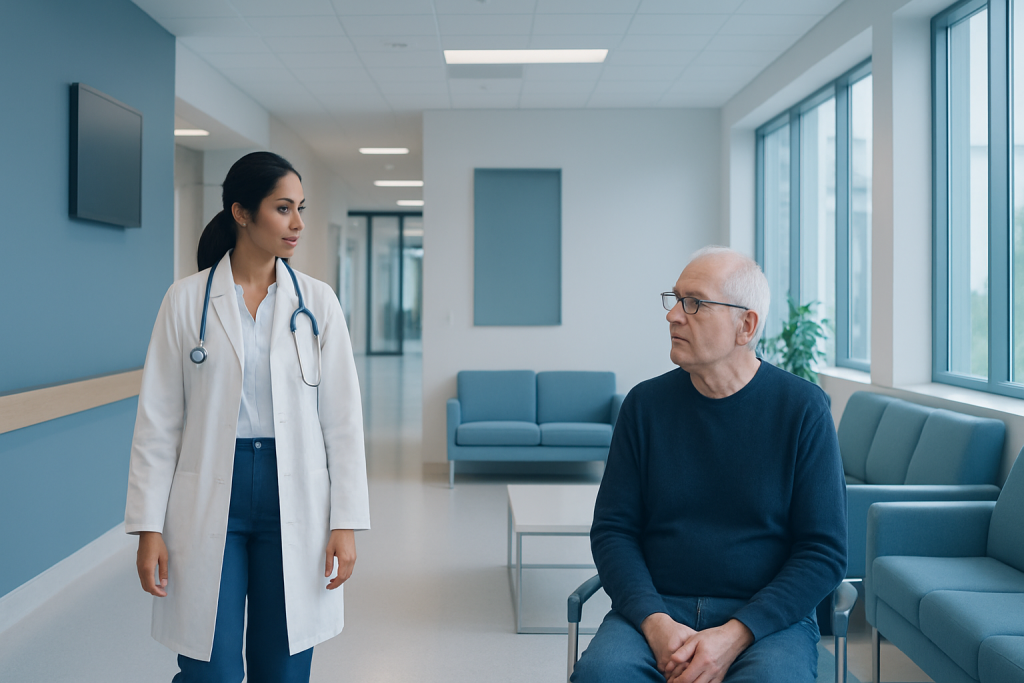
Stool tests, including FIT and stool DNA tests, can identify hidden blood or DNA changes associated with colorectal cancer. CT colonography is an imaging-based screening option that examines the colon without inserting a scope through its full length.
Key Takeaways
- Stool tests, including FIT and stool DNA tests, can identify hidden blood or DNA changes associated with colorectal cancer.
- CT colonography is an imaging-based screening option that examines the colon without inserting a scope through its full length.
- No non-colonoscopy test can remove polyps or take a biopsy, so a positive result usually requires colonoscopy.
- Screening choices depend on age, symptoms, family history, prior polyps and conditions that raise colorectal cancer risk.
- New bowel symptoms, rectal bleeding, unexplained anemia or unintended weight loss should be assessed by a clinician rather than managed with home screening alone.
Colon cancer can sometimes be screened for without a traditional colonoscopy using stool-based tests or CT colonography. These options may be appropriate for people at average risk, but an abnormal result generally needs follow-up colonoscopy to confirm the cause and remove polyps if present.
Overview: detecting colon cancer without colonoscopy
How to detect colon cancer without colonoscopy depends on a person’s risk level and whether they have symptoms. For average-risk adults without warning signs, stool-based screening tests and CT colonography may help identify changes that could be linked to colorectal cancer or precancerous polyps. A positive or concerning result usually leads to a colonoscopy, which allows a doctor to view the bowel directly, take biopsies and remove many polyps during the same procedure.
Colorectal cancer includes cancers of the colon and rectum. It often develops slowly from polyps, which are growths in the bowel lining. Screening aims to find cancer early, when treatment is more likely to be effective, and to detect polyps before they become cancerous.
These alternatives are screening tools, not interchangeable solutions for every situation. People with bleeding, persistent bowel changes, iron-deficiency anemia, unexplained weight loss, a personal history of polyps, inflammatory bowel disease or a strong family history may need diagnostic colonoscopy rather than a stool or imaging test alone.
How to get checked for colon cancer without a colonoscopy?
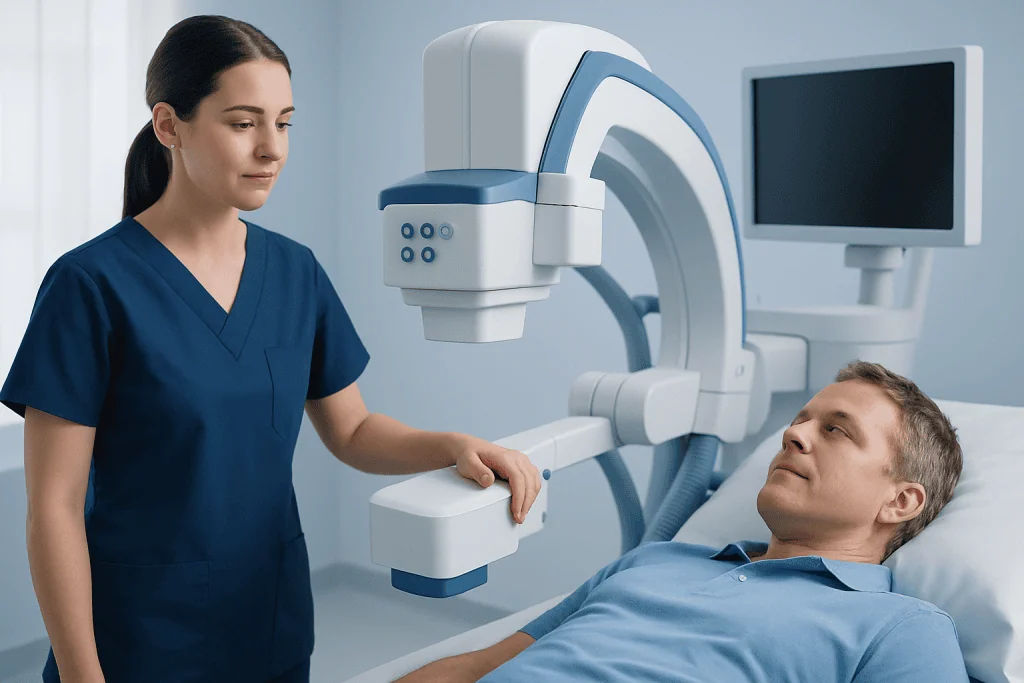
The main ways to get checked without a conventional colonoscopy are stool-based tests and CT colonography, also called virtual colonoscopy. Stool tests are completed at home or with a supplied collection kit and are sent to a laboratory. They look for hidden blood, abnormal DNA markers, or both. CT colonography uses low-dose CT imaging to create detailed images of the colon after bowel preparation.
A fecal immunochemical test (FIT) looks for small amounts of human blood in stool that may not be visible. A high-sensitivity guaiac fecal occult blood test also checks for blood but may require dietary or medication instructions before testing. A stool DNA-FIT test combines blood detection with testing for certain DNA changes associated with colorectal cancer and some advanced polyps.
These tests work best when performed at the recommended intervals and followed up promptly if abnormal. They do not diagnose cancer on their own: blood in stool can have several causes, including hemorrhoids, inflammation or benign polyps. Likewise, a negative stool test lowers but does not eliminate the possibility of cancer, particularly if symptoms are present.
- FIT: a simple stool sample, commonly repeated every year.
- Stool DNA-FIT: a larger stool sample with laboratory DNA testing, often performed less frequently than FIT.
- CT colonography: an imaging test usually repeated at longer intervals when findings are normal.
- Flexible sigmoidoscopy: a scope examination of the lower colon; it is less extensive than colonoscopy but still involves an inserted instrument.
What is the 90 second test instead of a colonoscopy?
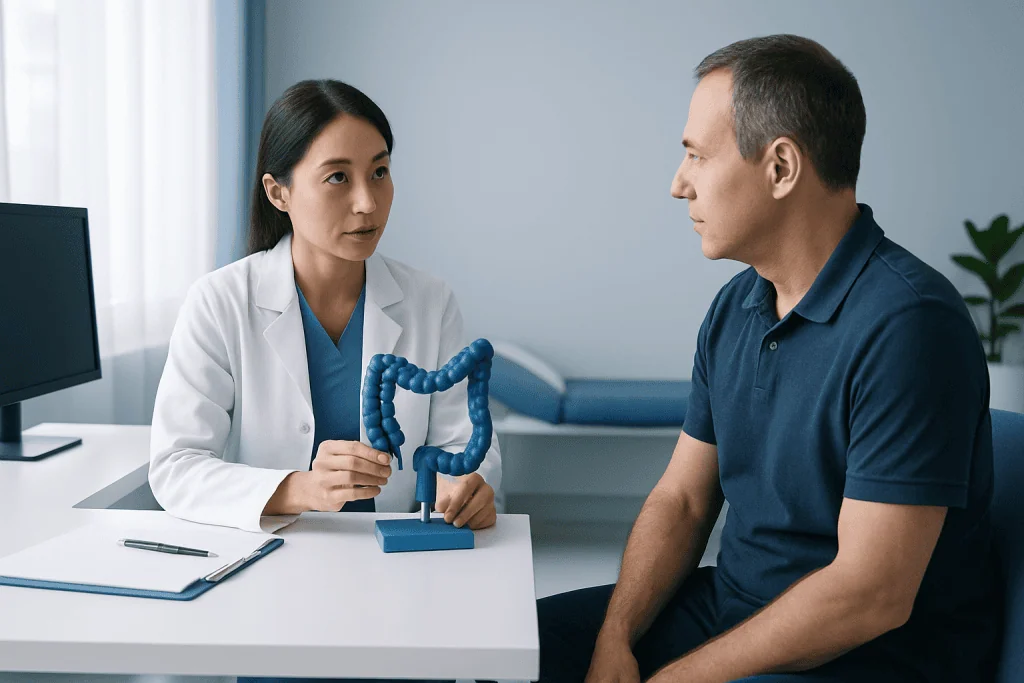
The phrase “90 second test” is commonly used in advertisements or online discussions for quick stool collection tests, most often FIT. The collection itself may take only a short time, but the overall process includes receiving the kit, collecting the sample correctly, returning it to the laboratory and waiting for the result. It should not be understood as a 90-second diagnosis of colon cancer.
FIT is designed to detect hidden blood from the lower digestive tract. It does not require sedation, an inserted scope or bowel cleansing, and many kits can be used at home. However, it cannot see polyps directly and may miss some cancers or advanced polyps, especially if they are not bleeding at the time of testing.
If FIT is positive, colonoscopy is the usual next step. Completing that follow-up is essential because the stool result identifies a possible concern, not its exact cause. A clinician can explain whether FIT is suitable based on age, prior screening and individual risk factors.
What is the new test instead of a colonoscopy?
Several newer or increasingly used approaches are being studied and adopted in different healthcare settings, including stool DNA tests and blood-based tests that look for cancer-associated signals. Blood tests may be appealing because they require a routine blood draw, but their ability to detect precancerous polyps and early cancers can be more limited than established screening methods. Their availability, recommended role and follow-up pathways vary by country and health system.
At present, blood-based tests do not replace colonoscopy when a person has symptoms, a positive screening test or a high-risk history. They also cannot remove a polyp or obtain tissue for diagnosis. A reliable screening plan includes knowing what the test can detect and arranging the appropriate next test if a result is abnormal.
CT colonography is another non-surgical option that may be offered to selected people. It requires bowel cleansing and inflation of the colon with gas for clear imaging, but usually does not require sedation. If a sizeable polyp or suspected cancer is found, a conventional colonoscopy is generally needed for removal or biopsy.
How the non-colonoscopy screening procedures work
For a stool-based test, the person receives clear instructions and uses the collection device to take a small stool sample, or in some tests a larger sample from a bowel movement. The sample is sealed, labeled and returned according to the kit instructions. There is no recovery time, and normal daily activities can continue immediately after collection.
For CT colonography, preparation begins before the appointment. The bowel needs to be as empty as possible, so the patient follows a prescribed diet and bowel-cleansing plan. At the imaging center, a small tube is placed just inside the rectum to gently introduce air or carbon dioxide and expand the colon. CT images are then taken, usually while the person changes position on the scanner table.
CT colonography is generally completed without sedation, so most people can return to regular activities that day. Temporary bloating, cramping or passing gas can occur afterward. Rarely, inflation of the bowel may cause a tear in the colon; imaging also exposes the patient to a small amount of radiation and can identify findings outside the colon that may require additional evaluation.
The key benefit of non-colonoscopy screening is that it can make screening more accessible for eligible people who would otherwise postpone it. Its main limitation is that a concerning result requires another procedure. Colonoscopy remains the test that can inspect the full colon, remove polyps and provide biopsy samples in one visit.
Who is a candidate, and what is the strongest indicator of colon cancer?
Non-invasive screening is most often considered for adults at average risk who do not have bowel symptoms. Risk is influenced by age, family history, inherited cancer syndromes, previous polyps, prior colorectal cancer and long-standing inflammatory bowel diseases such as ulcerative colitis or Crohn’s disease affecting the colon. Screening start age and intervals differ between guidelines and should be individualized with a clinician.
The strongest indicator of colon cancer is not one isolated symptom or one home-test result. A confirmed diagnosis requires medical evaluation, usually including colonoscopy and biopsy. Still, visible rectal bleeding, persistent change in bowel habits, unexplained iron-deficiency anemia, ongoing abdominal discomfort, fatigue or unintentional weight loss are important signs that warrant assessment.
Some people have no symptoms in early stages, which is why routine screening matters. Conversely, many common symptoms have non-cancer causes. A doctor considers the complete pattern of symptoms, examination findings, blood tests, family history and screening results before recommending the next step.
When to seek medical care
Medical advice should be sought promptly for blood in or on the stool, black or tar-like stools, a new and persistent change in bowel habits, worsening abdominal pain, unexplained weight loss, persistent fatigue or symptoms of anemia. These symptoms do not necessarily mean cancer, but they should not be evaluated only with an at-home screening kit.
People should also speak with a doctor before choosing a non-colonoscopy test if they have had colon polyps or colorectal cancer, have a close relative with colorectal cancer, have inflammatory bowel disease, or have a known inherited cancer syndrome. In these circumstances, a colonoscopy-based surveillance plan is often recommended.
Where colorectal cancer is diagnosed, care may involve gastroenterology, pathology, surgery, medical oncology and radiation oncology specialists. Acibadem International’s multidisciplinary specialists and JCI-accredited hospitals support international patients through assessment and treatment planning for colorectal cancer.
Choosing a screening plan and understanding results
A useful screening plan is one that matches a person’s medical history and can be completed consistently. A clinician can discuss the preparation required, how often each option is repeated, the likelihood of follow-up testing and whether sedation or time away from usual activities is a concern. It is important not to delay screening because one preferred test is not immediately available.
A negative test generally means no concerning signal was found at that time. It does not mean a person can ignore new symptoms or wait indefinitely for the next test. A positive stool test or an abnormal CT colonography result does not confirm cancer, but it does mean further evaluation—usually colonoscopy—should be arranged.
Healthy lifestyle habits may support overall colorectal health, including regular physical activity, a balanced diet rich in fiber-containing foods, limiting alcohol and avoiding tobacco. These measures do not replace screening. The most effective next step is to discuss personal risk and an appropriate screening schedule with a qualified healthcare professional.
Frequently asked questions
Can colon cancer be detected without a colonoscopy?
Yes. Stool-based tests, such as FIT and stool DNA tests, and CT colonography can be used to screen selected people for colorectal cancer without a standard colonoscopy. However, an abnormal result usually needs follow-up colonoscopy to identify the cause and, when necessary, remove polyps or take a biopsy.
How accurate is a stool test for colon cancer?
Accuracy varies by test type and by whether cancer or precancerous polyps are being detected. Stool tests can find many cancers, particularly when repeated at recommended intervals, but they may miss cancers or polyps that are not bleeding or shedding detectable markers. A clinician can help select the most suitable option.
Does a negative FIT test rule out colon cancer?
No. A negative FIT result means hidden blood was not detected in that sample, but it cannot completely rule out colorectal cancer or polyps. Anyone with rectal bleeding, persistent bowel changes, anemia or other concerning symptoms should seek medical assessment even after a negative test.
Do stool tests require bowel preparation?
Most FIT kits do not require bowel cleansing, fasting or sedation, although the kit instructions should always be followed. Stool DNA tests also typically avoid the bowel preparation used for colonoscopy. CT colonography, in contrast, usually requires bowel cleansing beforehand.
What happens after a positive stool test?
A positive stool test is usually followed by colonoscopy. The colonoscopy helps determine whether blood or abnormal markers are due to polyps, cancer, inflammation, hemorrhoids or another condition. It also allows doctors to remove many polyps and collect tissue samples if needed.
Is CT colonography safer than colonoscopy?
CT colonography avoids sedation and does not place a long scope through the colon, which may be preferable for some people. It still requires bowel preparation, involves a small amount of radiation and cannot remove polyps or perform biopsies. The best choice depends on individual risk, preferences and access to follow-up care.
References
- World Health Organization
- American Cancer Society
- U.S. Preventive Services Task Force
- National Cancer Institute
- Centers for Disease Control and Prevention
This article is for general information only and is not a substitute for professional medical advice. Please consult a qualified doctor about your individual situation.
Colon Cancer in Turkey — costs, top hospitals & a free quote
JCI-accredited · board-certified surgeons · reply within 24h
Add us as a Preferred Source to see more of our trusted health content across Google Search, AI Overviews and Discover.

Medical Oncology Department
Medical treatment of cancer with chemotherapy, immunotherapy and targeted therapies under a multidisciplinary tumor board.
60 specialists in this unitMore from the Health Library



Related Specialists

Fzt. Cüneyt Karoğlu
Physical Medicine & Rehabilitation
Prof. Dr. Belgin Selam
Gynecology & Obstetrics
Assoc. Prof. Dr. Serdar Baylançiçek
Otorhinolaryngology
Dr. Ahmet Kaya
Emergency Service