How to Do a Squat? A Doctor-Reviewed Answer
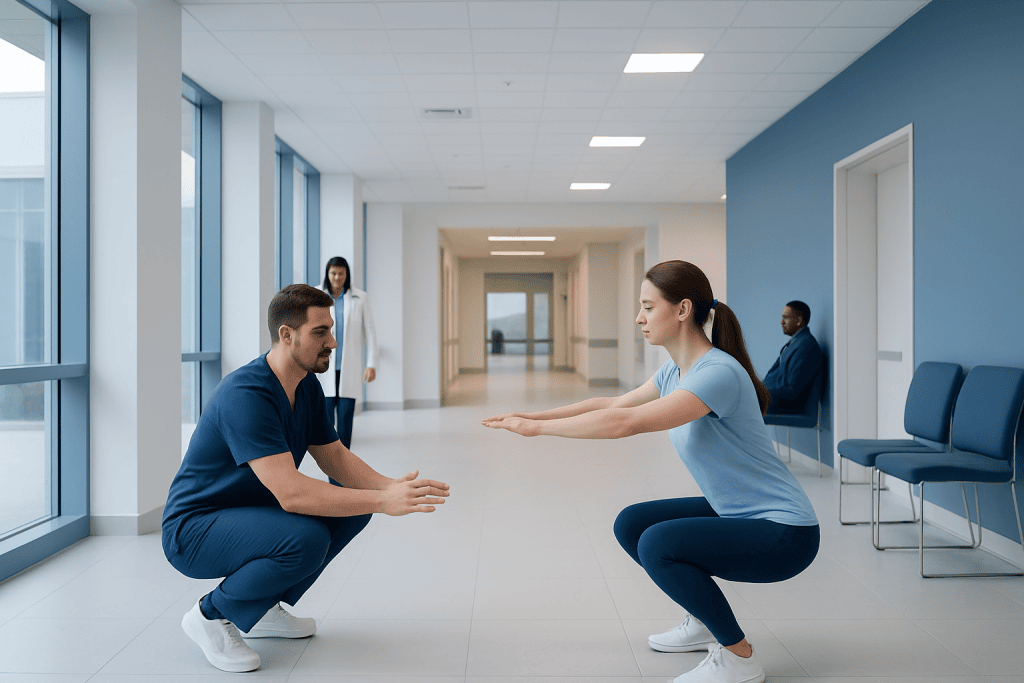
A safe squat starts with a stable stance, a braced core, and controlled movement. The hips move back and down while the knees track in line with the toes.
Key Takeaways
- A safe squat starts with a stable stance, a braced core, and controlled movement.
- The hips move back and down while the knees track in line with the toes.
- Depth should match mobility, comfort, and control rather than forcing a very low position.
- Mild muscle effort is expected, but sharp pain, swelling, or joint locking is not.
- Doctors assess squat-related pain by asking about symptoms, examining movement, and using imaging only when needed.
To do a squat, a person stands with feet about shoulder-width apart, braces the core, sends the hips back and down, and then stands up by pressing through the feet. For most healthy adults, squats are safe when done with controlled form, but pain, instability, or repeated difficulty with the movement may need medical review.
Overview: The safest way to do a squat
To do a squat safely, a person usually starts with the feet about shoulder-width apart and the toes pointing forward or slightly outward. The chest stays lifted, the core stays gently braced, and the hips move back and down as if sitting into a chair. The knees bend in line with the toes, and the heels remain grounded as much as possible. Then the person returns to standing by pressing through the feet in a smooth, controlled motion.
For many people, squats are a normal strength and mobility exercise and are harmless when performed with good technique. They can help train the hips, thighs, and core for everyday movements such as sitting, standing, climbing stairs, and lifting objects from the floor. The goal is not to copy a single perfect body position, but to use a stable, pain-free pattern that fits the individual’s anatomy and flexibility.
If a person feels unsure about form, it often helps to begin with a chair squat, a bodyweight squat, or a supported squat while holding a stable surface. Pain is not considered a normal part of learning the movement. When pain is persistent or the knee, hip, or back repeatedly feels unstable during squats, it is reasonable to seek guidance from a qualified clinician or physical therapist.
Step-by-step: How to do a squat correctly
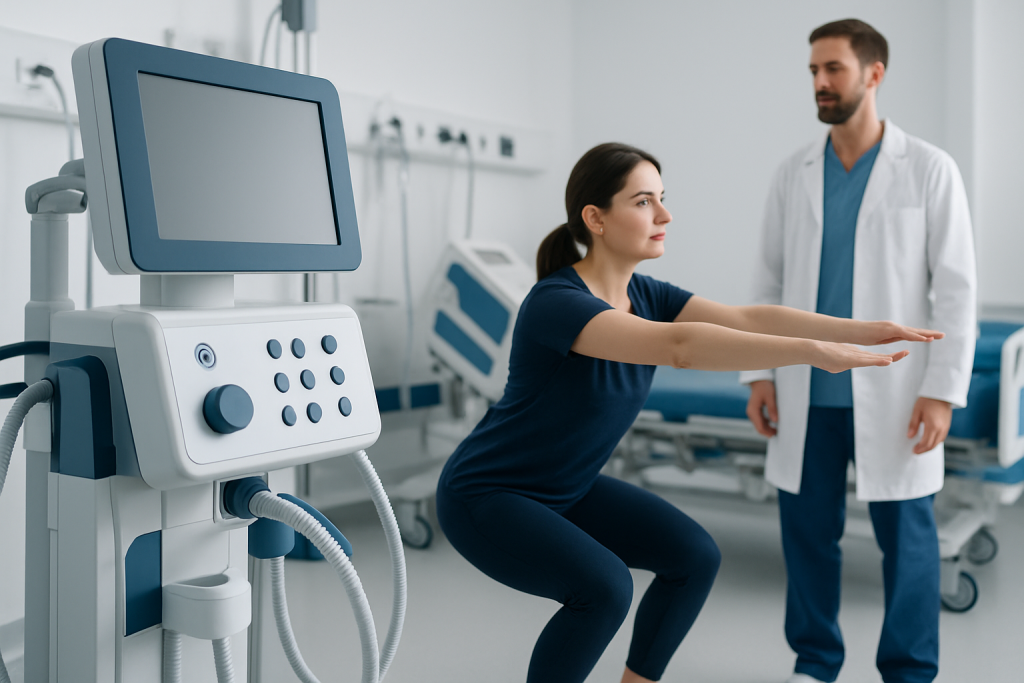
A practical way to learn how to do a squat is to break it into simple steps. First, stand tall with the feet about shoulder-width apart. The weight should be balanced across the whole foot rather than only on the toes or only on the heels. The person can look straight ahead or slightly downward to keep the neck in a neutral position.
Next, tighten the abdominal muscles gently and begin the movement by sending the hips back. As the hips move back, the knees bend and track in the same general direction as the toes. The torso may lean forward slightly, which is normal, but the back should stay neutral rather than rounding deeply. The person lowers only as far as they can while staying balanced and comfortable.
To stand up, press through the feet and straighten the hips and knees together. The movement should feel controlled, not rushed. Breathing can also help: many people inhale on the way down and exhale as they rise. Useful checkpoints include:
- Feet remain planted and stable
- Knees do not collapse sharply inward
- Core stays engaged
- Back remains neutral and controlled
- Movement is smooth on both sides
If full-depth squats are difficult, a partial squat is still valuable. Range of motion can improve over time with practice, mobility work, and strength training. It is usually better to squat to a comfortable depth with good control than to force a deeper position that causes pain or poor alignment.
Common mistakes and why they matter
Many squat problems happen because the movement is rushed or because the person tries to go lower than their current mobility allows. One common mistake is letting the heels lift too early, which may shift excess load forward and reduce stability. Another is allowing the knees to fall inward significantly, which can place unwanted stress on the knees and hips, especially during repeated training.
Rounding the lower back at the bottom of the squat can also happen when hip or ankle mobility is limited. In some people, this is mild and manageable, but a pronounced loss of control may increase discomfort, particularly in those with existing back problems. Leaning too far forward without core control can make the movement feel more like a back-dominant hinge than a balanced squat.
It is also common to assume that pain means the squat itself is harmful. Often, the issue is not the exercise but the way it is being performed, the amount of load being used, or an underlying problem involving the knee, hip, ankle, or spine. People with ongoing joint symptoms may benefit from medical review for conditions such as knee pain or a herniated disc when symptoms suggest these concerns.
Why squats may feel difficult: causes and risk factors
Difficulty with squats is often related to modifiable factors rather than serious disease. Limited ankle mobility may make it hard to keep the heels down. Hip stiffness can reduce depth or cause the knees and trunk to compensate. Weakness in the gluteal muscles, quadriceps, or core may make the movement feel shaky, especially during the upward phase.
Previous injuries can also change squat mechanics. A person who has had knee pain, a sprain, tendon irritation, or low back discomfort may unconsciously avoid certain positions. This can create a pattern of uneven loading from one side to the other. Fatigue, rapid increases in exercise intensity, and poor recovery may add to the problem.
Body proportions also matter. Someone with longer femurs or limited ankle dorsiflexion may naturally have more forward torso lean in a squat, even when their technique is sound. This is one reason there is no single ideal squat style for every person. Footwear, training surface, and load placement also influence form, particularly in weighted squats.
Less commonly, pain during squats may be linked to joint inflammation, cartilage problems, meniscus injury, tendon disorders, or spinal conditions. These possibilities are more important when symptoms are persistent, worsening, or associated with swelling, locking, numbness, weakness, or reduced ability to bear weight.
When to seek medical care
Most people who are simply learning how to do a squat do not need medical care. Mild muscle fatigue, temporary stiffness after exercise, or the feeling that the movement is unfamiliar can be normal. In many cases, symptoms improve by reducing intensity, improving technique, and returning gradually.
Medical evaluation is more important if squat-related symptoms include sharp or repeated joint pain, swelling, catching or locking in the knee, giving way, numbness, tingling, significant weakness, or pain that persists despite rest and form correction. Pain after a fall, twisting injury, or sudden increase in training should also be taken seriously. Back pain with leg symptoms deserves attention, especially if it is severe or progressive.
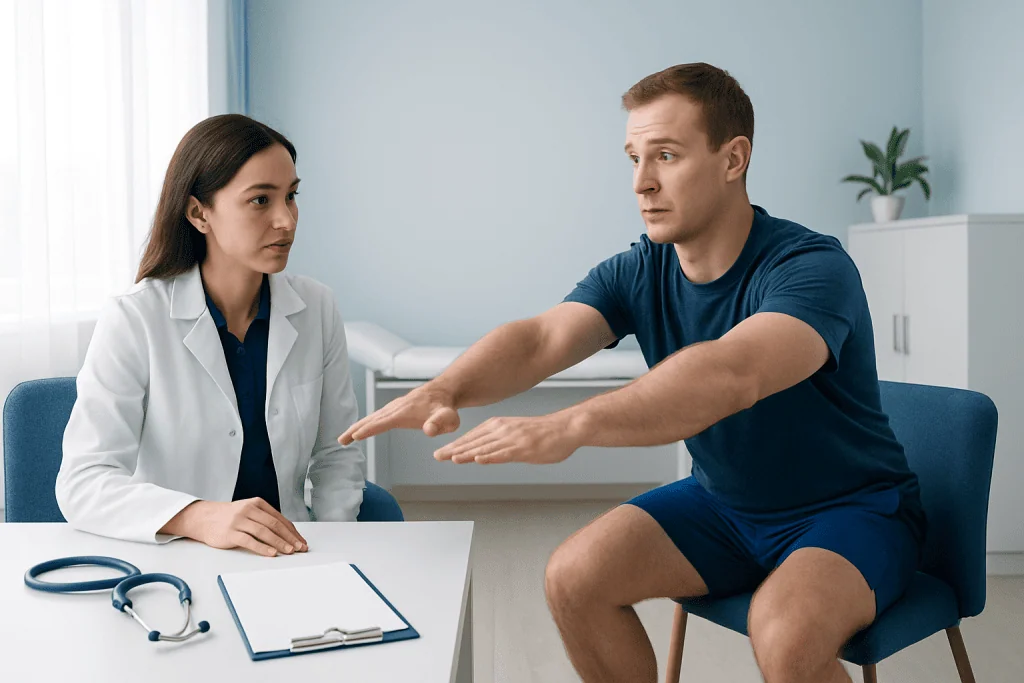
A doctor may ask when symptoms started, what movements trigger them, whether there was an injury, and whether the person has prior joint or spine problems. The exam often includes watching the squat itself, checking balance and alignment, and assessing the hips, knees, ankles, and lower back. Depending on the findings, some patients may benefit from physical therapy and rehabilitation to improve strength, mobility, and movement control.
How doctors diagnose squat-related pain or movement problems
Diagnosis usually begins with a careful history and physical examination. The clinician may ask whether symptoms occur only during deep squats or also during walking, stairs, sitting, running, or lifting. They may also ask about swelling, stiffness in the morning, sounds such as clicking, and whether the person feels one side is weaker or less stable.
During the examination, the doctor may assess posture, gait, squat depth, knee tracking, ankle mobility, hip range of motion, and core control. Strength testing can help identify whether weakness in the quadriceps, gluteal muscles, or trunk is contributing to poor mechanics. The spine may also be examined if pain radiates or if there are neurologic symptoms.
Imaging is not always needed. However, X-rays, ultrasound, or MRI may be considered if there is suspected structural injury, persistent pain, significant swelling, or failure to improve with conservative care. In selected cases, advanced evaluation may help clarify whether the issue involves soft tissue, cartilage, bone, or the spine. If a procedure is needed, options may range from guided rehabilitation to orthopedic care such as knee replacement for severe degenerative disease, although this is not relevant for most people learning basic squat technique.
Treatment, self-care, and safer progression
Treatment depends on the cause. For simple technique-related discomfort, initial care may include reducing depth, decreasing training load, improving warm-up, and practicing bodyweight or chair squats. Mobility exercises for the ankles and hips, along with strengthening of the gluteal muscles, quadriceps, and core, often support a more comfortable squat pattern.
If pain is related to overuse, a temporary reduction in training volume may help calm symptoms while maintaining gentle activity. Some people benefit from changing footwear, widening or narrowing stance slightly, or using a heel-elevated variation if ankle mobility is limited. These adjustments should improve comfort without masking significant pain.
When a specific knee, hip, or back condition is found, treatment may include rehabilitation exercises, medication advice from a doctor, activity modification, or specialist care. In some situations, clinicians may assess whether a person would benefit from robotic knee replacement or other orthopedic interventions, but this applies mainly to advanced joint disease rather than routine exercise difficulties.
Near the end of the care pathway, ongoing education is important. A gradual return to squats under supervision can help rebuild confidence and reduce reinjury risk. Acibadem International’s multidisciplinary specialists and JCI-accredited hospitals diagnose and treat musculoskeletal conditions for international patients when more detailed assessment is needed.
Frequently asked questions
How low should a person go in a squat?
A person should squat only as low as they can while keeping balance, control, and comfort. For some, that may be a partial squat at first. Greater depth can be added gradually if mobility and strength allow.
Should the knees go past the toes in a squat?
The knees may move slightly past the toes in some people, depending on body proportions and squat style. What matters more is that the movement stays controlled and the knees track in line with the toes. There is not one exact knee position that fits everyone.
Why do squats hurt the knees?
Knee pain during squats can happen because of poor form, training too much too soon, weak supporting muscles, or limited mobility. Sometimes it reflects an underlying problem such as tendon irritation, cartilage wear, or a meniscus issue. Persistent or worsening pain should be evaluated by a doctor.
Is it normal to feel the lower back during squats?
Mild muscular effort in the trunk can be normal because the core helps stabilize the body. Sharp lower back pain, repeated strain, or pain that travels into the leg is not expected. These symptoms may mean the squat pattern needs correction or that the back should be assessed.
Are bodyweight squats safer than weighted squats?
For beginners, bodyweight squats are often a safer place to start because they allow form practice with less load. Weighted squats can also be safe when technique is sound and progression is gradual. The safest option depends on the person’s strength, mobility, and medical history.
When should someone stop doing squats and get checked?
A person should stop and seek advice if squats cause sharp pain, swelling, joint locking, giving way, numbness, or significant weakness. Review is also reasonable when symptoms keep returning despite rest and improved technique. A clinician can assess movement and look for knee, hip, ankle, or back causes.
References
- American Academy of Orthopaedic Surgeons
- National Institute of Arthritis and Musculoskeletal and Skin Diseases
- American College of Sports Medicine
- National Health Service
- Mayo Clinic
This article is for general information only and is not a substitute for professional medical advice. Please consult a qualified doctor about your individual situation.
Joint and spine care in Turkey — expert assessment & treatment
JCI-accredited · board-certified surgeons · reply within 24h
Add us as a Preferred Source to see more of our trusted health content across Google Search, AI Overviews and Discover.