

How to Get Clear Skin? Here Is What the Evidence Says

Clear skin is usually supported by gentle cleansing, moisturizer, and daily broad-spectrum sunscreen. Overwashing, harsh scrubs, and frequent product changes often make breakouts and irritation worse.
Key Takeaways
- Clear skin is usually supported by gentle cleansing, moisturizer, and daily broad-spectrum sunscreen.
- Overwashing, harsh scrubs, and frequent product changes often make breakouts and irritation worse.
- Acne, eczema, rosacea, fungal conditions, and hormone-related changes can all affect skin clarity.
- A doctor may diagnose skin concerns by examining the skin pattern, triggers, medical history, and current products.
- Medical care is important for deep painful acne, scarring, sudden severe rashes, or skin changes that do not improve.
How to get clear skin usually comes down to a simple, consistent routine and treating the true cause of breakouts or irritation. For many people, skin changes are harmless and manageable, but persistent acne, painful lesions, scarring, or sudden rashes should be assessed by a doctor.
Overview: what helps skin become clearer
For most people, the answer to how to get clear skin is not a single product or trend. Clearer skin usually comes from a steady routine that protects the skin barrier, avoids irritation, and uses treatments that match the real cause of spots, redness, oiliness, or rough texture. Many everyday breakouts and mild blemishes are harmless and improve with time and consistency.
At the same time, some skin changes deserve medical review. Painful deep acne, frequent cysts, visible scarring, sudden widespread rashes, signs of infection, or acne that appears together with irregular periods or excess facial hair may point to an underlying issue that needs diagnosis rather than more home remedies.
If symptoms persist, a doctor will usually begin with a close skin examination, questions about skincare products, hormones, medications, diet patterns, shaving habits, stress, and family history. This step matters because “unclear skin” can actually be acne, irritation, eczema, rosacea, folliculitis, fungal overgrowth, or contact allergy, and these conditions are treated differently.
What clear skin means in practice
Clear skin does not mean perfectly poreless or completely texture-free skin. Normal skin has pores, occasional spots, and some variation in tone. In medical terms, healthier-looking skin is usually skin that is comfortable, not inflamed, and relatively free from ongoing clogged pores, active breakouts, scaling, or persistent redness.
Skin clarity is shaped by several factors at once. Oil production, dead skin cell turnover, bacteria on the skin, hormones, inflammation, genetics, sleep, stress, and environmental exposure can all play a role. Because there are many contributors, the most effective approach is usually a combination of basic skincare habits and targeted treatment when needed.
It also helps to set realistic expectations. Skin typically improves gradually over weeks, not overnight. Many evidence-based treatments need consistent use for at least six to twelve weeks before their full effect becomes clear, and changing products too often can interrupt progress.
Common causes of breakouts, dullness, and irritation

Acne is one of the most common reasons people search for how to get clear skin. It develops when pores become clogged with oil and dead skin cells, often together with inflammation. Acne can appear as blackheads, whiteheads, inflamed bumps, pustules, or deeper nodules and cysts. Mild acne may respond to over-the-counter care, while persistent or scarring acne often needs professional treatment. People with ongoing breakouts may benefit from evaluation for acne.
Not all facial bumps are acne. Rosacea may cause redness, flushing, visible vessels, and acne-like bumps, but common acne treatments can sometimes worsen it. Eczema and contact dermatitis may lead to itchy, dry, inflamed patches, especially after fragranced or harsh products. Folliculitis can mimic acne but involves inflamed hair follicles and may be caused by bacteria, yeast, friction, or shaving.
Hormonal changes are another common factor. Puberty, menstrual cycles, pregnancy, menopause, and conditions such as polycystic ovary syndrome can affect oil production and breakouts. Lifestyle factors can also contribute, including heavy occlusive cosmetics, sports gear friction, picking at the skin, chronic stress, poor sleep, and too much sun exposure.
In some people, skin becomes less clear because the barrier is irritated rather than because pores are blocked. Over-cleansing, abrasive exfoliation, alcohol-based products, and mixing too many active ingredients may leave skin red, tight, flaky, and more prone to blemishes. In that setting, simplifying the routine is often more effective than adding stronger products.
Evidence-based habits that support clear skin
The most reliable foundation is a simple routine followed consistently. This usually includes washing the face gently once or twice a day and after heavy sweating, using a non-comedogenic moisturizer, and applying a broad-spectrum sunscreen each morning. Sunscreen helps prevent post-inflammatory marks from becoming darker and protects the skin barrier, which supports healing.
Product choice matters. Non-comedogenic and fragrance-free products are often better tolerated, especially for acne-prone or sensitive skin. It is usually best to avoid harsh scrubs, rough cleansing brushes, and frequent peels at home. These methods can irritate the skin and make redness and breakouts last longer.
Certain ingredients have good evidence behind them for acne-prone skin. These include benzoyl peroxide, salicylic acid, adapalene, and azelaic acid. Not every ingredient suits every skin type, so introducing one active product at a time is usually safer than starting several at once. If irritation develops, reducing frequency or seeking medical advice can help.
Daily habits can also support clearer skin:
- Remove makeup before sleeping.
- Choose non-comedogenic makeup and sunscreen.
- Avoid picking, squeezing, or scrubbing spots.
- Wash pillowcases, hats, and phone surfaces regularly.
- Shower after sweating and change out of tight workout clothing.
- Manage stress and aim for regular sleep, which may help reduce flare-ups.
What to avoid when trying to clear the skin
One common mistake is trying to “dry out” the skin. Acne-prone skin can still be sensitive, and stripping away natural oils may increase inflammation and rebound oiliness. Products that sting, burn, or leave skin very tight are often too harsh for regular use.
Another problem is layering too many active ingredients without guidance. Combining retinoids, acids, exfoliants, and strong cleansers all at once can damage the skin barrier. This may lead to peeling, redness, more visible spots, and confusion about which product is actually helping or harming the skin.
Social media trends can also be misleading. Lemon juice, toothpaste, undiluted essential oils, and abrasive DIY masks are not evidence-based treatments and may cause burns or dermatitis. Similarly, expensive routines are not automatically better. A few well-chosen products often work better than a complicated regimen.
Diet is sometimes discussed in relation to skin, but there is no single “clear skin diet” that works for everyone. Some people notice flare-ups linked to certain foods, and high-glycemic diets or some dairy patterns may affect acne in selected individuals. However, severe restriction is rarely helpful and should be approached carefully, ideally with professional advice.
How doctors diagnose skin concerns
If home care is not enough, a dermatologist or other qualified doctor can assess the skin more precisely. Diagnosis usually begins with questions about when the problem started, where it appears, whether it itches or hurts, what products are being used, menstrual or hormonal patterns, medications, shaving habits, family history, and any triggering foods or environmental exposures.
The skin examination itself often provides the main clues. A doctor looks at the type of lesions present, whether there is scarring, inflammation, infection, dryness, scaling, or a pattern that suggests rosacea, eczema, or folliculitis rather than acne. This helps separate conditions that may look similar in the mirror but need different treatment plans.
Sometimes additional steps are needed. These may include patch testing for allergy, a swab or scraping if infection is suspected, or blood tests when symptoms suggest a hormonal or metabolic issue. If acne is severe or resistant, a specialist may discuss procedures or prescription therapies. In selected cases, treatment options may include dermatology treatment or supportive chemical peel plans under medical supervision.
Treatment options for clearer skin
Treatment depends on the cause. For mild acne, doctors may recommend over-the-counter ingredients such as benzoyl peroxide, salicylic acid, or adapalene, often combined with a gentle cleanser and moisturizer. For more inflamed acne, prescription topical medicines or oral treatments may be used. The goal is not just to reduce current spots but also to prevent scarring and future breakouts.
If the main issue is redness, sensitivity, or rosacea-like flushing, treatment may focus on reducing inflammation and avoiding triggers rather than using traditional acne products. Dry, itchy, or flaky skin may improve more with barrier repair and treatment of eczema or contact dermatitis than with exfoliation. Fungal or bacterial folliculitis may need antimicrobial treatment rather than acne creams.
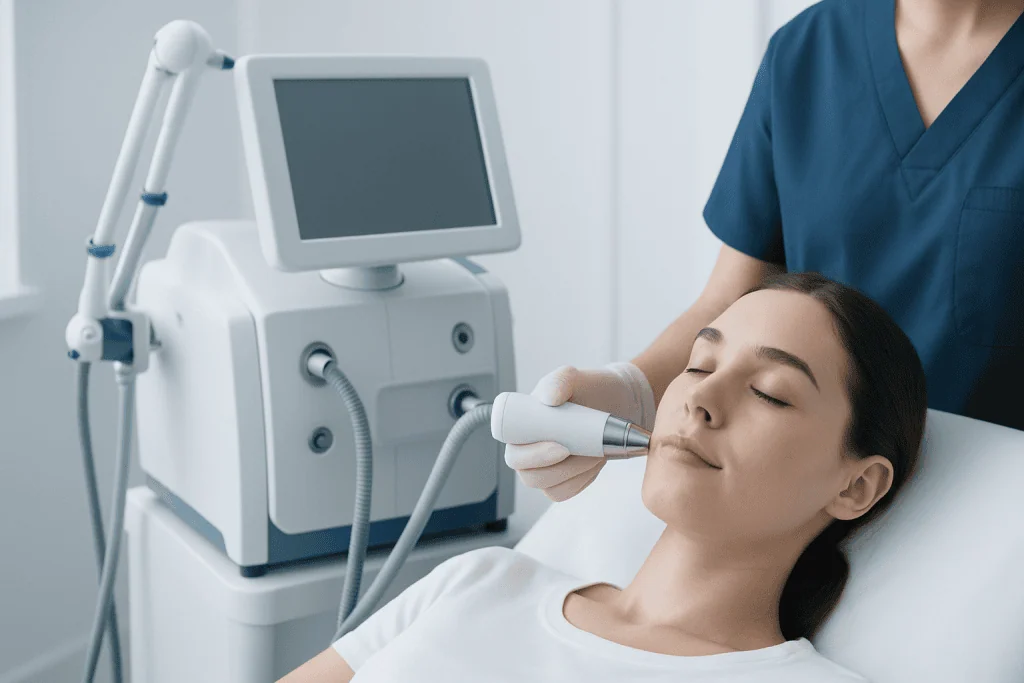
People with acne marks, textural changes, or residual scars may later benefit from specialist procedures once active inflammation is controlled. Depending on the skin type and diagnosis, a doctor may discuss laser treatment or other procedural options. For concerns linked to rosacea or chronic redness, evaluation for rosacea can help guide safer long-term care.
Near the end of the care pathway, multidisciplinary specialists may also help people whose skin concerns are related to hormones, medications, or chronic inflammatory conditions. Acibadem International’s dermatology teams in JCI-accredited hospitals diagnose and treat skin conditions for international patients when specialist assessment is needed.
When to seek medical care
Medical review is a good idea if skin problems are painful, deep, widespread, or leaving scars. It is also important to seek help if symptoms suddenly worsen, do not improve after a reasonable trial of gentle skincare, or are affecting confidence, sleep, or daily life. Early treatment often helps prevent marks and long-term irritation.
A doctor should assess skin urgently if there are signs of infection such as increasing warmth, swelling, pus, fever, or rapidly spreading redness. New rashes with facial swelling, trouble breathing, or blistering need prompt attention. Severe dryness and redness after starting a new product can also signal an allergic or irritant reaction that should not be ignored.
Hormone-related clues also deserve evaluation. Breakouts together with irregular periods, unwanted hair growth, sudden adult-onset acne, or thinning scalp hair may point to an underlying hormonal condition. A clinician can decide whether the skin issue is isolated or part of a broader health picture.
Frequently asked questions
How long does it take to get clear skin?
Clearer skin usually develops gradually rather than immediately. Many evidence-based products need six to twelve weeks of regular use before a person can judge whether they are working.
Can washing the face more often clear acne faster?
Usually not. Washing too often or scrubbing hard can irritate the skin barrier and make redness, dryness, and breakouts worse.
Do natural remedies work for clear skin?
Some gentle habits, such as avoiding irritation and keeping the routine simple, can help. But many popular home remedies are not well studied and some, like lemon juice or toothpaste, may damage the skin.
Does diet affect how to get clear skin?
Diet may influence skin in some people, but there is no single diet that clears everyone’s skin. If a person notices a consistent link between certain foods and flare-ups, it can be useful to discuss this with a doctor or dietitian.
When should someone see a dermatologist for breakouts?
A dermatologist should be considered if acne is painful, deep, scarring, widespread, or not improving with gentle over-the-counter care. Medical review is also helpful if the skin problem might be rosacea, eczema, allergy, or infection rather than acne.
Can sunscreen help with clear skin?
Yes, daily broad-spectrum sunscreen can support clearer-looking skin by protecting the barrier and helping prevent dark marks after inflammation. Choosing a non-comedogenic formula is often best for acne-prone skin.
References
- American Academy of Dermatology
- National Institute of Arthritis and Musculoskeletal and Skin Diseases
- National Health Service
- Mayo Clinic
- American Academy of Family Physicians
This article is for general information only and is not a substitute for professional medical advice. Please consult a qualified doctor about your individual situation.
Explore treatments in Turkey — costs, top hospitals & a free quote
JCI-accredited · board-certified surgeons · reply within 24h
Add us as a Preferred Source to see more of our trusted health content across Google Search, AI Overviews and Discover.

More from the Health Library



Related Specialists

Dr. Erhan Çatalbaş
Emergency Service
Assoc. Prof. Dr. Ali Harman
Interventional Radiology
Prof. Dr. Sema Aydoğdu
Pediatric Gastroenterology
Dr. Faezeh Najafı
Inpatient Clinic Physicians