

How to Get Rid of a Headache: Safe Relief Steps That Often Help Fast

Many common headaches improve with rest, hydration, food, and over-the-counter pain relief used as directed. Migraine, tension headache, sinus-related pain, and headaches linked to illness or dehydration can feel different and may need different care.
Key Takeaways
- Many common headaches improve with rest, hydration, food, and over-the-counter pain relief used as directed.
- Migraine, tension headache, sinus-related pain, and headaches linked to illness or dehydration can feel different and may need different care.
- Frequent use of pain medicines can sometimes make headaches worse over time.
- Sudden, severe, unusual, or neurologic symptoms with a headache need urgent medical evaluation.
- Prevention often includes regular sleep, meals, hydration, stress management, and trigger tracking.
How to get rid of a headache depends on the type of pain, but simple steps such as resting, drinking water, eating regularly, and using appropriate pain relief often help. Knowing when a headache may signal something more serious is just as important as finding fast relief.
Overview: What helps a headache go away?
When people ask how to get rid of a headache, the answer usually begins with identifying the likely cause. A headache is a symptom rather than a single disease, and it can be linked to tension, dehydration, skipped meals, migraine, poor sleep, eye strain, illness, sinus pressure, or medication overuse. Because the reasons vary, the most helpful relief steps also vary.
For many mild headaches, safe self-care often works well. Quiet rest, water, a light meal, limiting screen time, and a standard over-the-counter pain reliever used according to the label can bring relief. Some people also feel better with a cool compress on the forehead or neck and a short break from bright light and noise.
It is also helpful to notice the pattern of pain. A pressure-like band around the head may fit a tension headache, while throbbing pain with nausea or light sensitivity may point to a migraine. Headaches with fever, sinus symptoms, or recent illness may have another explanation, and repeated headaches may need a doctor’s assessment to guide neurology evaluation and treatment.
Common headache symptoms and types
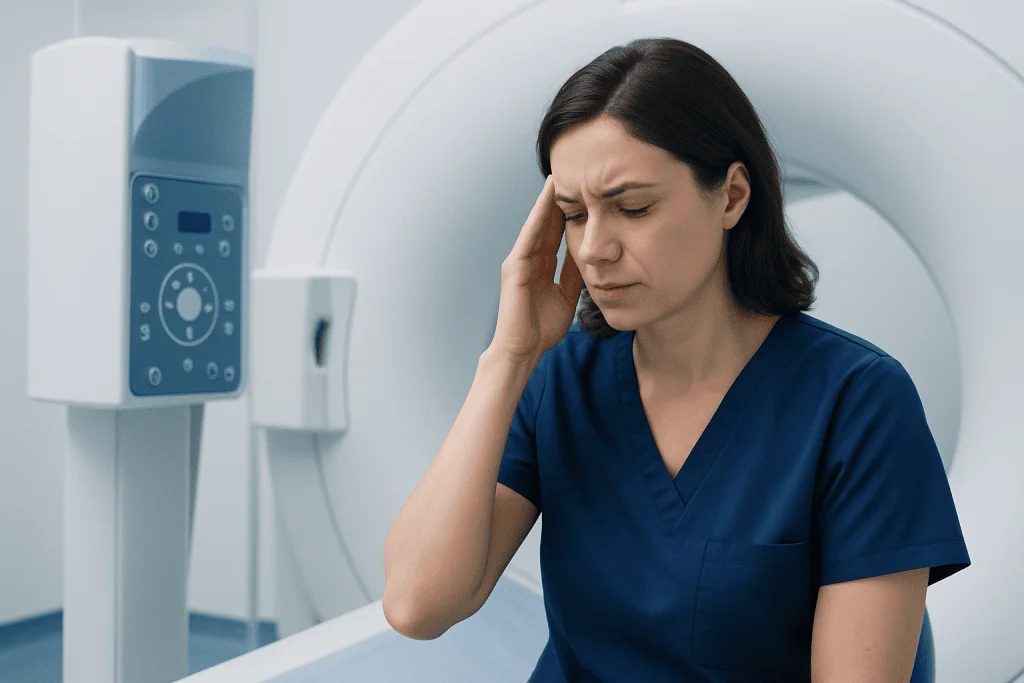
Headaches can feel dull, tight, throbbing, stabbing, or pressure-like. They may affect one side of the head, both sides, the forehead, the temples, behind the eyes, or the back of the head and neck. Some headaches come with other symptoms such as nausea, vomiting, sensitivity to light or sound, watery eyes, nasal congestion, dizziness, or neck stiffness.
Tension headaches are among the most common. They often cause a steady, tightening discomfort that can feel like a band around the head. Migraine headaches are different. They may cause moderate to severe throbbing pain, often on one side, and may worsen with physical activity. Some people with migraine also have visual changes, numbness, or trouble speaking before the pain starts, a pattern known as aura.
Sinus pressure, viral illnesses, dehydration, hunger, caffeine withdrawal, and poor sleep can also trigger head pain. In some cases, recurring headaches may be part of a recognized headache disorder such as migraine. Paying attention to what the headache feels like and what happened before it began can help a clinician suggest the right next steps.
- Tension headache: pressure or tightness, often both sides
- Migraine: throbbing pain, nausea, light or sound sensitivity
- Dehydration or hunger headache: often improves with fluids or food
- Illness-related headache: may occur with fever, congestion, or body aches
- Medication-overuse headache: frequent headaches in people using pain relievers too often
Safe relief steps that often help fast

If a headache has just started and there are no warning signs, a few practical measures may help quickly. Resting in a quiet, dark room can be especially useful for migraine or light-sensitive headaches. Drinking water slowly is a good first step if dehydration is possible, especially after exercise, hot weather, travel, or not drinking enough during the day.
Eating a light snack or meal may help if the person skipped food or feels shaky, weak, or irritable. Gentle stretching of the neck and shoulders may ease a tension-type headache, while a cool cloth placed on the forehead may be soothing. Reducing screen time, lowering room brightness, and taking a short break from reading or computer work can also help.
Over-the-counter pain relievers may be appropriate for many adults when taken as directed on the package and when there is no medical reason to avoid them. However, they are not suitable for everyone, especially people with stomach ulcers, kidney disease, liver disease, blood-thinner use, pregnancy, or certain allergies. Anyone unsure about the safest option should ask a doctor or pharmacist before use.
Caffeine can help some headaches, especially certain migraine attacks, but it can also trigger or worsen headaches in others. Regular heavy caffeine use may lead to withdrawal headaches when caffeine is missed. Relief is often most effective when self-care is matched to the likely trigger rather than using the same approach for every headache.
Causes, triggers, and risk factors
Headaches may be primary, meaning the headache itself is the main problem, or secondary, meaning the pain is caused by another condition. Tension-type headache, migraine, and cluster headache are examples of primary headache disorders. Secondary headaches can happen with infection, sinus inflammation, dehydration, very high blood pressure, head injury, medication side effects, sleep problems, dental issues, or other medical conditions.
Common triggers include emotional stress, poor posture, lack of sleep, dehydration, missed meals, alcohol, changes in caffeine intake, strong smells, bright light, hormonal shifts, and prolonged screen use. For migraine in particular, triggers can vary widely from person to person. That is why a headache diary can be useful. It may include the time the headache began, what the person ate, sleep pattern, menstrual timing, stress level, and any medicines taken.
People are more likely to have recurring headaches if they have a family history of migraine, ongoing stress, anxiety, sleep disorders, or frequent use of pain medicines. Medication-overuse headache is an important example. This can develop when pain relievers or migraine medicines are used too often, leading to a cycle in which headaches return more often and become harder to control.
Some headaches may also be related to other conditions that need attention, such as a brain tumor, though this is far less common than everyday causes like tension or migraine. The goal is not to assume the worst, but to recognize when the pattern is unusual, persistent, or associated with other concerning symptoms.
How doctors diagnose frequent or severe headaches
Most headaches can be diagnosed from a careful medical history and physical examination. A doctor will usually ask when the headaches started, how long they last, where the pain is located, how severe it is, and what other symptoms come with it. They may also ask about sleep, hydration, stress, menstrual cycles, caffeine use, other medical conditions, and all medicines or supplements.
A neurological examination may be done to check strength, balance, sensation, reflexes, vision, and speech. This helps identify whether the headache fits a common pattern or whether there are signs of a more serious underlying problem. Keeping a headache diary before the appointment can make diagnosis easier and may help distinguish tension headache from migraine or other causes.
Imaging tests are not needed for every headache, but they may be recommended if the pattern is new, severe, worsening, or accompanied by neurological symptoms. In selected cases, doctors may use blood tests, eye examination, sinus evaluation, or imaging such as MRI scanning or CT scanning to look for secondary causes. The right test depends on the symptoms and the urgency of the situation.
Treatment options for ongoing or recurring headaches
Treatment depends on the headache type and how often it happens. For occasional headaches, a doctor may recommend simple pain relievers, hydration, sleep correction, and trigger avoidance. For migraine, treatment may include medicines designed to stop an attack early, anti-nausea medication, or preventive treatment if headaches are frequent or disabling. Tension headaches may improve with posture changes, stretching, stress management, and limiting medicine overuse.
Preventive treatment is especially important when headaches happen often, interfere with work or school, or no longer respond well to occasional medicine. Prevention may include daily medications, relaxation therapy, sleep improvement, physical therapy, or behavioral strategies. Some people benefit from treating contributing problems such as neck strain, anxiety, poor sleep quality, or hormonal patterns.
Cluster headache and certain uncommon headache disorders need specialist care. If symptoms suggest a secondary cause, treatment focuses on the underlying condition rather than the headache alone. In complex cases, a multidisciplinary approach can be helpful. Near the end of the care pathway, patients seeking international care may wish to know that Acibadem International’s multidisciplinary specialists and JCI-accredited hospitals diagnose and treat headache disorders and related neurological conditions.
Prevention and self-care habits that reduce headaches
Many people can lower headache frequency by making daily habits more regular. Drinking enough fluids, not skipping meals, aiming for consistent sleep, and taking breaks from screens are simple but important steps. Good posture at a desk, regular movement, and stretching the neck and shoulders may help reduce muscle tension that contributes to headaches.
Stress management is another key part of prevention. Relaxation breathing, mindfulness, gentle exercise, and realistic work-rest balance may lower the chance of tension headaches and migraine attacks. It is often helpful to limit known triggers rather than trying to eliminate everything at once. For example, a person might first focus on hydration, regular meals, and sleep before tracking more specific food or environmental triggers.
Medication should also be used thoughtfully. Frequent use of over-the-counter pain relievers can lead to rebound or medication-overuse headaches in some people. If headaches are happening often enough that medicine is needed repeatedly each week, the person should speak with a doctor about safer long-term control rather than simply increasing self-treatment.
When to see a doctor urgently
Most headaches are not dangerous, but some symptoms mean prompt medical care is important. A person should seek urgent help for a sudden, explosive headache that reaches maximum intensity within seconds to minutes, especially if it is the worst headache they have ever felt. A headache after a head injury, or one that comes with fainting, confusion, seizure, weakness, numbness, trouble speaking, chest pain, or severe shortness of breath also needs urgent evaluation.
Medical review is also important for headache with fever, stiff neck, a new rash, persistent vomiting, or major vision changes. People with cancer, immune system problems, pregnancy, or very high blood pressure should be especially careful about new or unusual headaches. New headaches after age 50, headaches that steadily worsen, or headaches that wake a person from sleep should also be assessed.
Even without emergency symptoms, a doctor should evaluate headaches that are frequent, disabling, or changing in pattern. Early assessment can improve comfort, reduce unnecessary worry, and help identify the safest treatment plan.
Frequently asked questions
What is the fastest safe way to ease a headache at home?
For many mild headaches, the safest first steps are to rest in a quiet place, drink water, and eat a light meal if food was skipped. A cool compress and an over-the-counter pain reliever used exactly as directed may also help. If the headache is sudden, severe, or unusual, home treatment should not delay medical care.
Does drinking water help headaches?
Yes, it can help if dehydration is part of the cause. Headaches related to heat, exercise, illness, travel, or not drinking enough fluids may improve after gradual rehydration. Water is not a cure for every headache, but it is a sensible and low-risk first step for many people.
When is a headache likely to be a migraine?
Migraine is more likely when the pain is throbbing, moderate to severe, or worsened by routine activity. It often comes with nausea, vomiting, or sensitivity to light and sound, and sometimes with visual aura. Because symptoms vary, a doctor can help confirm whether repeated headaches fit a migraine pattern.
Can taking pain relievers too often make headaches worse?
Yes. Frequent use of pain medicines can sometimes lead to medication-overuse headache, also called rebound headache. This creates a cycle in which headaches return more often, so medical advice is important if a person needs headache medicine repeatedly each week.
Should someone sleep with a headache?
Sleep can be helpful, especially for tension headaches or migraine, as long as there are no warning signs such as severe sudden pain or neurological symptoms. Resting in a dark, quiet room may reduce stimulation and allow symptoms to settle. If the headache is unusual, worsening, or associated with confusion, weakness, or fever, medical evaluation is more important than trying to sleep it off.
What headache symptoms need urgent medical attention?
Urgent care is needed for a sudden severe headache, a headache after head injury, or one with weakness, numbness, trouble speaking, seizure, confusion, fainting, fever with stiff neck, or major vision changes. A rapidly worsening headache or a new headache in pregnancy or after age 50 also deserves prompt assessment. These features do not always mean a serious cause, but they should be checked quickly.
References
- World Health Organization
- National Institute of Neurological Disorders and Stroke
- American Headache Society
- Mayo Clinic
- National Health Service
This article is for general information only and is not a substitute for professional medical advice. Please consult a qualified doctor about your individual situation.
Explore treatments in Turkey — costs, top hospitals & a free quote
JCI-accredited · board-certified surgeons · reply within 24h
Add us as a Preferred Source to see more of our trusted health content across Google Search, AI Overviews and Discover.
Check your numbers in seconds
BMI, calories, due date, blood pressure and 30+ more clinical calculators — free, instant, doctor-reviewed ranges.

More from the Health Library



Related Specialists

Dilara Çitoğlu
Physical Medicine & Rehabilitation
Prof. Dr. Murat Sungur
Internal Medicine
Dt. Sevda Yetkin
Oral & Dental Health
Prof. Dr. Feyzullah Çetinkaya
Pediatric Allergy