How to Get Unbloated in 5 Minutes? A Doctor-Reviewed Answer

Temporary bloating is commonly caused by gas, constipation, large meals, carbonated drinks or swallowed air. Gentle movement and an upright position may help trapped gas move and ease pressure within minutes.
Key Takeaways
- Temporary bloating is commonly caused by gas, constipation, large meals, carbonated drinks or swallowed air.
- Gentle movement and an upright position may help trapped gas move and ease pressure within minutes.
- Rapidly worsening pain, persistent vomiting, a swollen hard abdomen or inability to pass stool or gas need prompt medical assessment.
- Keeping a symptom and food diary can help identify personal triggers such as certain carbohydrates, dairy products or eating habits.
- Frequent or persistent bloating should be discussed with a doctor, especially if it occurs with weight loss, bleeding or a lasting bowel-habit change.
Most occasional bloating is harmless and improves as gas moves through the digestive tract. For people wondering how to get unbloated in 5 minutes, a short walk, relaxed breathing, upright posture and loosening tight clothing may reduce discomfort, although no method can reliably remove bloating instantly.
Can Bloating Go Away in 5 Minutes?
For many people, bloating is a temporary feeling of abdominal fullness, pressure or visible swelling after eating. It is often related to gas, a large meal, constipation or swallowing air while eating or drinking. Although it is understandable to want immediate relief, there is no guaranteed way to become unbloated in five minutes because the body needs time to move gas and digest food.
Still, a few low-risk steps may make a person feel more comfortable quickly. Standing or sitting upright, taking a gentle five-minute walk, loosening restrictive clothing and breathing slowly from the diaphragm can reduce pressure and encourage normal gut movement. These measures are most helpful for mild, occasional bloating rather than severe or ongoing symptoms.
Bloating is usually not a sign of a serious problem when it is occasional and settles on its own. However, new, frequent or worsening bloating deserves attention, particularly when accompanied by significant pain, vomiting, fever, unintentional weight loss, blood in the stool or a major change in bowel habits.
Quick, Gentle Steps for Temporary Bloating
A calm, short walk is often the most practical first step. Light movement may stimulate the natural contractions of the intestines and help gas pass. A person does not need strenuous exercise; walking around the home, standing with good posture or gently stretching for several minutes may be enough to reduce the sensation of fullness.
Remaining upright can also help. Lying flat immediately after a meal may worsen discomfort for some people, especially if they also experience reflux. Sitting up straight, relaxing the abdomen rather than tensing it, and avoiding tight waistbands may reduce pressure. Slow breathing can be useful because anxiety and rapid shallow breathing may increase air swallowing and make abdominal discomfort feel more intense.
It may help to pause carbonated drinks, chewing gum, hard candies and drinking through a straw until symptoms settle, as these can increase swallowed air. Sipping still water is reasonable if a person is thirsty, but rapidly drinking large volumes may add to fullness. If bloating follows a meal, avoiding another large meal until hunger returns may also be more comfortable.
- Walk gently for five to ten minutes.
- Sit or stand upright and loosen tight clothing.
- Breathe slowly and avoid gulping air.
- Choose still water rather than fizzy drinks.
- Allow time for digestion rather than trying extreme “detox” methods.
When to Seek Medical Care

Medical care should be sought urgently if bloating occurs with severe or rapidly increasing abdominal pain, persistent vomiting, a hard or markedly swollen abdomen, fainting, chest pain, fever, or an inability to pass stool or gas. These symptoms can sometimes indicate a bowel blockage, significant infection or another condition that requires timely evaluation. A person should not rely on home measures alone when these warning signs are present.
A non-urgent appointment is appropriate for bloating that happens often, lasts for several weeks, wakes a person from sleep, or affects daily life. It is especially important to speak with a clinician if bloating is associated with unexplained weight loss, loss of appetite, anemia, blood in the stool, diarrhea or constipation that is new or persistent, or a family history of digestive or ovarian cancer.
People who are pregnant, have had abdominal surgery, live with inflammatory bowel disease, or have known digestive conditions should seek individualized advice if their usual symptoms change. Reassuringly, most bloating has a benign explanation, but a clinician can help distinguish common digestive causes from symptoms that need further investigation.
Why Bloating Happens
The abdomen can feel bloated when gas builds up in the stomach or intestines, when stool moves slowly through the bowel, or when the digestive tract becomes more sensitive to normal stretching. Gas may form as intestinal bacteria break down carbohydrates that are not fully absorbed. Foods such as beans, lentils, onions, garlic, some fruits, wheat-based foods and certain sweeteners can contribute for some people, but triggers vary widely.
Eating quickly, talking while eating, chewing gum, smoking and drinking carbonated beverages can all increase the amount of air swallowed. Large meals and high-fat meals may also create a prolonged feeling of fullness because they can slow stomach emptying. Constipation is another very common cause, as retained stool can make the abdomen feel distended and may make it harder for gas to pass.
Some people have recurrent bloating due to conditions such as irritable bowel syndrome, lactose intolerance, celiac disease, gastroesophageal reflux disease or pelvic and gynecological conditions. Hormonal changes around menstruation may also cause temporary fluid retention and bowel changes. Symptoms alone cannot confirm the cause, so persistent problems should be assessed rather than self-diagnosed.
What a Doctor May Check
A doctor will usually begin by asking when bloating started, how often it occurs, whether it is linked to meals or menstrual cycles, and what makes it better or worse. Questions about bowel movements, heartburn, nausea, diet, recent travel, medications and previous surgery can provide useful clues. Keeping a brief record of meals, symptoms and bowel habits before an appointment may make patterns easier to identify.
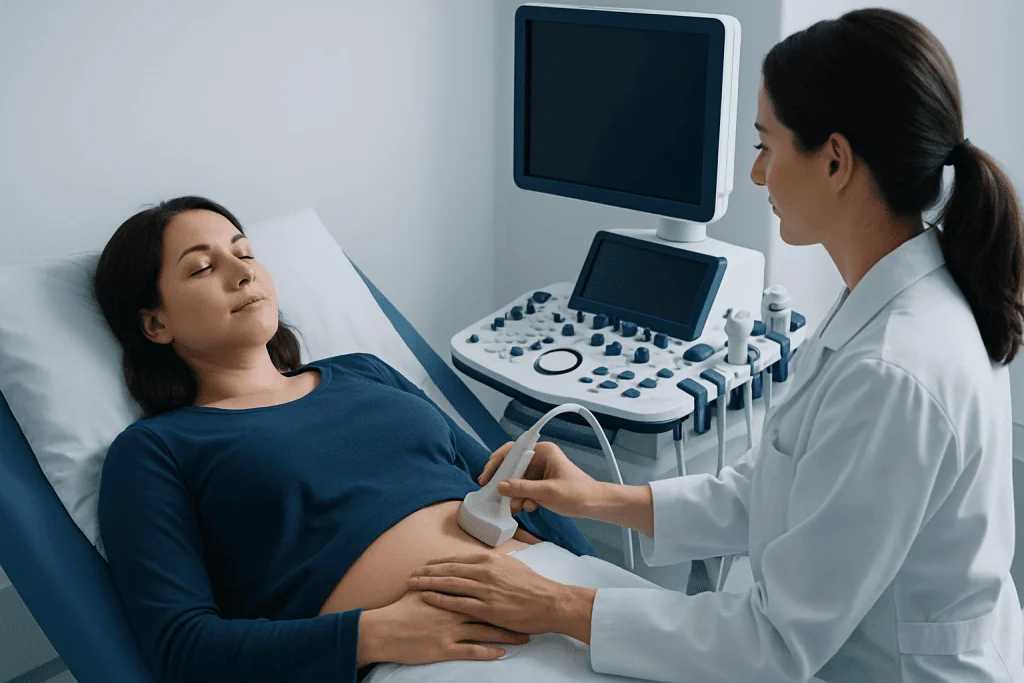
The examination may include checking the abdomen for tenderness, swelling, bowel sounds or a mass. Depending on the symptoms, a clinician may request blood tests to look for anemia, inflammation or celiac disease, stool tests, breath testing for certain food intolerances, or imaging such as ultrasound or CT scanning. These tests are not necessary for every person with occasional mild bloating.
If a digestive condition is suspected, further testing may include endoscopy or colonoscopy in selected situations. The goal is not simply to label bloating, but to identify whether constipation, food intolerance, a functional bowel disorder or another medical cause is contributing. Treatment is then tailored to the person’s symptoms and findings.
Reducing Bloating Over Time
For recurring mild bloating, regular routines are often more effective than searching for a rapid fix. Eating more slowly, chewing thoroughly and choosing smaller meals when large meals trigger symptoms can reduce swallowed air and excessive fullness. Regular physical activity supports normal bowel movement, while adequate fluid intake can help prevent constipation for many people.
Diet changes should be gradual and individualized. Increasing fiber too quickly can temporarily increase gas, so it may be better to add fiber slowly while drinking enough fluids. A clinician or registered dietitian can help a person explore possible triggers without unnecessarily restricting nutritious foods. This is particularly important before excluding gluten, dairy or broad groups of carbohydrates.
Some over-the-counter products may help certain people, depending on the likely cause. For example, options for constipation, gas or lactose intolerance may be considered with advice from a pharmacist or doctor. Herbal products, laxatives and supplements are not harmless for everyone, and they should not be used to mask ongoing symptoms that have not been medically assessed.
A Balanced Approach to Bloating Relief
Temporary bloating can be uncomfortable, but it commonly improves with time, gentle movement and simple changes that reduce swallowed air. Trying to force immediate relief with restrictive diets, repeated laxative use, excessive exercise or unproven cleansing products may cause more harm than benefit. The safest approach is to use gentle measures for occasional symptoms and observe whether a pattern develops.
If symptoms recur, a food and symptom diary can help a person and their clinician identify whether the issue relates to meal size, constipation, particular foods, stress or another factor. A diary should include the timing of symptoms, foods and drinks consumed, bowel habits, menstrual timing where relevant, medications and any associated pain or nausea.
Acibadem International’s multidisciplinary specialists and JCI-accredited hospitals assess digestive symptoms such as persistent bloating for international patients when further evaluation is needed. A qualified healthcare professional can provide advice based on the person’s medical history, examination and any appropriate tests.
Frequently asked questions
How can someone get unbloated in 5 minutes?
There is no reliable instant cure for bloating, but a gentle walk, upright posture, slow breathing and loosening tight clothing may reduce discomfort within a few minutes. These measures may help gas move through the digestive tract and reduce the feeling of pressure. They are most suitable for mild, occasional bloating.
Does drinking water help with bloating?
Drinking still water may help, particularly when constipation or dehydration contributes to bloating. It is best to sip water rather than drink a large amount rapidly, which may temporarily increase fullness. Carbonated water and other fizzy drinks can worsen gas-related bloating in some people.
What foods commonly cause bloating?
Common triggers include beans, lentils, onions, garlic, some fruits, wheat-based foods, dairy products in people with lactose intolerance, fizzy drinks and sugar alcohol sweeteners. Not everyone reacts to the same foods. A symptom diary can help identify individual patterns without unnecessary dietary restriction.
Is bloating a sign of constipation?
Yes, constipation commonly causes bloating because stool remains in the bowel longer and gas may be harder to pass. Other signs may include infrequent stools, hard stools, straining or a feeling of incomplete emptying. Persistent constipation should be discussed with a healthcare professional.
When is bloating serious?
Bloating needs urgent medical attention if it occurs with severe or worsening pain, persistent vomiting, fever, a hard swollen abdomen, fainting, or inability to pass stool or gas. A medical appointment is also important for persistent bloating with weight loss, blood in the stool, anemia or a sustained change in bowel habits. Most cases are not serious, but these features warrant assessment.
Can stress make bloating worse?
Stress can affect gut movement, sensitivity and eating habits, and may worsen bloating in some people. It can also lead to faster eating or more air swallowing. Gentle activity, regular meals, adequate sleep and relaxation practices may support digestive comfort alongside medical advice when symptoms are frequent.
References
- National Institute of Diabetes and Digestive and Kidney Diseases
- American College of Gastroenterology
- Mayo Clinic
- NHS
- International Foundation for Gastrointestinal Disorders
This article is for general information only and is not a substitute for professional medical advice. Please consult a qualified doctor about your individual situation.
Persistent digestive symptoms? Get evaluated in Turkey
JCI-accredited · board-certified surgeons · reply within 24h
Add us as a Preferred Source to see more of our trusted health content across Google Search, AI Overviews and Discover.