

How to heal mouth sores? A Doctor-Reviewed Answer

Most minor mouth sores heal on their own within 7 to 14 days. Gentle oral hygiene, hydration, and avoiding spicy, acidic, or sharp foods can reduce irritation and support healing.
Key Takeaways
- Most minor mouth sores heal on their own within 7 to 14 days.
- Gentle oral hygiene, hydration, and avoiding spicy, acidic, or sharp foods can reduce irritation and support healing.
- Different causes need different care, so repeated or unusual sores should not be self-diagnosed for too long.
- Medical evaluation is important if a sore lasts more than 2 weeks, is very painful, or is linked with fever, weight loss, or trouble swallowing.
- Protective gels, saltwater or baking soda rinses, and clinician-recommended topical medicines may help relieve symptoms.
How to heal mouth sores depends on the cause, but many minor sores improve within 1 to 2 weeks with gentle oral care, avoiding irritants, and using simple pain-relief measures. Sores that are severe, keep coming back, or do not heal should be assessed by a doctor or dentist.
Overview: the practical answer to how to heal mouth sores
For most people asking how to heal mouth sores, the short answer is to protect the area, reduce irritation, and give the lining of the mouth time to repair itself. Minor sores often settle within 1 to 2 weeks when a person avoids trigger foods, keeps the mouth clean, drinks enough water, and uses simple measures such as saltwater rinses or pharmacist-recommended protective products.
That said, “mouth sores” is a broad term. Some are common canker sores, while others are related to friction from dental appliances, burns from hot food, viral infections, nutritional deficiencies, immune conditions, or less commonly more serious disease. The best approach is not only to soothe the sore, but also to understand why it appeared.
A careful, cause-based approach can help people avoid two common problems: over-treating a harmless sore or ignoring one that needs medical attention. If a sore is unusually large, lasts longer than 2 weeks, keeps returning, or is accompanied by other symptoms, professional assessment is the safest next step.
What mouth sores can feel and look like
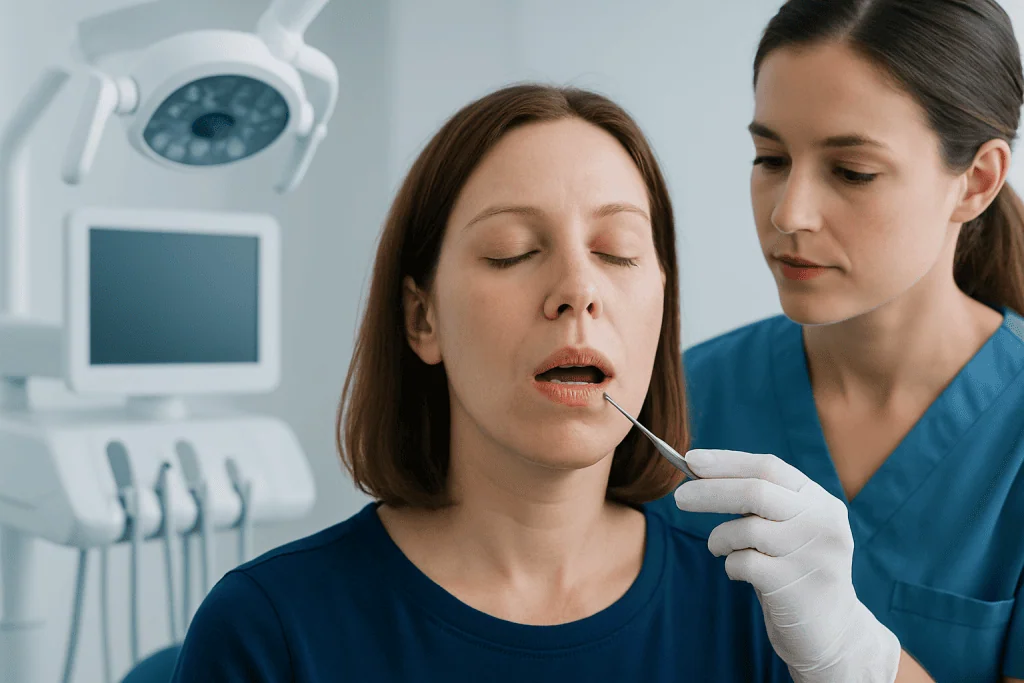
Mouth sores may appear on the inside of the lips, cheeks, gums, tongue, floor of the mouth, or soft palate. They can look like small round or oval ulcers with a white, yellow, or gray center and a red border. Some are shallow and sting mainly when eating, while others are deeper and more painful.
Symptoms vary by cause. A simple canker sore may cause local pain, burning, or sensitivity to spicy, salty, or acidic foods. Friction sores from biting the cheek or rubbing braces may feel raw or tender. Viral sores can be accompanied by fever, swollen glands, or clusters of blisters before ulceration.
People should also notice pattern and timing. A sore that appears after stress, a minor mouth injury, or certain foods may point toward recurrent aphthous ulcers, often called canker sores. White patches that do not scrape off, sores with hard edges, or ulcers associated with unexplained weight loss or persistent neck swelling need prompt medical review.
Common causes and triggers

One of the most useful steps in learning how to heal mouth sores is identifying the trigger. Minor trauma is a very common cause. This includes accidentally biting the inside of the cheek, irritation from sharp teeth, poorly fitting dentures, braces, vigorous toothbrushing, or burns from hot food and drinks.
Recurrent aphthous ulcers are also common and may be linked to stress, lack of sleep, hormonal changes, or sensitivity to certain foods. Acidic fruits, spicy meals, and rough foods such as toast or chips can aggravate existing sores even if they did not cause them. Some toothpastes or oral products may be irritating for sensitive individuals.
Other possible causes include viral, fungal, or bacterial infections; dry mouth; smoking cessation-related irritation; vitamin or mineral deficiencies such as iron, folate, or vitamin B12 deficiency; digestive or immune-mediated conditions; and medication side effects. Persistent or complex ulcers can sometimes be associated with systemic conditions including inflammatory bowel disease or immune disorders, so repeated episodes deserve a broader review rather than symptom treatment alone.
What helps mouth sores heal faster at home
Home care works best when it focuses on reducing friction and inflammation. Gentle brushing with a soft toothbrush, regular but careful oral hygiene, and frequent sips of water help keep the mouth comfortable. Many people benefit from rinsing with warm saltwater or a mild baking soda solution, which can help keep the area clean without aggressive scrubbing.
Food choices matter while the sore is healing. Softer, cooler foods are often easier to tolerate than spicy, acidic, very salty, or crunchy items. Avoiding citrus juices, tomato-based foods, alcohol, and tobacco can reduce stinging and irritation. If a sharp tooth edge, retainer, or denture is rubbing the area, temporary protection and a dental review may prevent the sore from being reopened repeatedly.
Over-the-counter options may include protective pastes, oral gels, or rinses designed to reduce pain and create a barrier over the ulcer. A pharmacist, dentist, or doctor can guide product choice, especially for children, pregnant patients, or people with ongoing medical conditions. Aspirin should not be placed directly on the sore, as this may damage the tissue and worsen discomfort.
- Use a soft toothbrush and avoid harsh mouthwashes that sting.
- Choose bland, soft foods until pain improves.
- Stay well hydrated, especially if eating and drinking are uncomfortable.
- Keep lips and mouth moist if dry mouth is part of the problem.
- Stop or reduce known triggers where possible.
Medical treatment and when doctors investigate further
If a mouth sore is particularly painful, large, recurrent, or slow to heal, a clinician may suggest targeted treatment. Depending on the cause, this could include topical anti-inflammatory medication, protective prescription rinses, treatment for infection, adjustment of irritating dental appliances, or investigation for underlying vitamin deficiency or systemic disease. The right treatment depends on why the sore developed.
Assessment usually begins with a history and oral examination. A doctor or dentist may ask how long the sore has been present, whether it has happened before, what foods or products trigger it, and whether there are symptoms such as fever, bowel symptoms, genital ulcers, fatigue, or weight loss. Blood tests may be considered if recurrent sores raise concern for nutritional deficiency, inflammation, or immune-related disease.
When symptoms point to a local oral problem, a dental or oral medicine evaluation may be useful, especially if trauma, bite problems, or appliance irritation are involved. Depending on the suspected cause, patients may also benefit from dental evaluation and treatment or oral and dental health care to address persistent irritation and support healing.
Prevention and self-care between episodes
Preventing future sores often depends on recognizing a personal pattern. Some people notice flare-ups during periods of stress or sleep disruption, while others react to specific foods or repeated friction in one area of the mouth. Keeping a simple symptom diary can help connect ulcers with triggers and make prevention more practical.
Daily oral care should be gentle rather than aggressive. A soft toothbrush, regular dental checkups, and management of broken teeth, ill-fitting dentures, or braces-related friction can reduce trauma. If a certain oral care product seems to burn or irritate the mouth, a clinician may recommend an alternative.
General health also matters. A balanced diet, adequate fluid intake, and attention to possible iron, folate, or vitamin B12 deficiency may help some people who have recurrent ulcers. If there are signs of related digestive symptoms or chronic inflammation, doctors may evaluate for broader causes, including Crohn’s disease or other inflammatory conditions that can sometimes involve the mouth.
When to seek medical care
Medical review is appropriate if a mouth sore lasts longer than 2 weeks, becomes increasingly painful, or keeps returning. A person should also seek advice if eating or drinking becomes difficult, if there is fever, dehydration, significant swelling, or if sores spread widely through the mouth.
Prompt assessment is especially important for sores with hard or raised edges, bleeding that is not easily explained, numbness, persistent white or red patches, or a lump in the neck. People with weakened immune systems, diabetes, cancer treatment, or other chronic illnesses should contact a healthcare professional earlier, because infections and delayed healing may need closer attention.
International patients who need further evaluation may be assessed by multidisciplinary specialists at Acibadem International’s JCI-accredited hospitals. Depending on the findings, this may include support from ENT care or, when a suspicious lesion requires closer examination, oral cancer treatment pathways as part of a coordinated diagnostic plan.
Frequently asked questions
How long do mouth sores usually take to heal?
Many minor mouth sores heal within 7 to 14 days. Healing may take longer if the sore is repeatedly irritated by food, teeth, braces, or dentures. If a sore lasts more than 2 weeks, it should be checked by a doctor or dentist.
What is the fastest way to heal a mouth sore?
There is no instant cure, but healing is often helped by protecting the sore from irritation and keeping the mouth clean. Soft foods, avoiding spicy or acidic items, saltwater rinses, and pharmacist-recommended protective gels can reduce pain and support recovery. The fastest approach is also the safest one: treating the underlying cause if one is present.
Should a person use saltwater for mouth sores?
A mild warm saltwater rinse is a common home measure and may help keep the mouth comfortable and clean. It should be gentle rather than strong, because concentrated salt can sting. If rinsing causes severe pain or the sore worsens, professional advice is sensible.
Are mouth sores the same as cold sores?
No. Canker sores usually occur inside the mouth and are not considered contagious, while cold sores are typically caused by herpes simplex virus and often appear on or around the lips. Because they have different causes, they may need different treatments.
Can vitamin deficiency cause mouth sores?
Yes, recurring mouth sores can sometimes be linked with deficiencies such as iron, folate, or vitamin B12 deficiency. This is more likely when ulcers return often or are accompanied by fatigue or other symptoms. A doctor may recommend blood tests if deficiency is suspected.
When should a child with mouth sores see a doctor?
A child should be seen if mouth sores make drinking difficult, if there is fever, signs of dehydration, marked swelling, or widespread sores. Medical review is also important if sores keep coming back or do not improve within about 2 weeks. Children can become dehydrated more quickly when mouth pain limits fluid intake.
References
- American Dental Association
- National Institute of Dental and Craniofacial Research
- Mayo Clinic
- National Health Service
- Merck Manual Consumer Version
This article is for general information only and is not a substitute for professional medical advice. Please consult a qualified doctor about your individual situation.
Explore treatments in Turkey — costs, top hospitals & a free quote
JCI-accredited · board-certified surgeons · reply within 24h
Add us as a Preferred Source to see more of our trusted health content across Google Search, AI Overviews and Discover.

More from the Health Library



Related Specialists

Dyt. Hüda Sevimli
Nutrition & Diet
Assoc. Prof. Dr. Süleyman Şahin
Medical Oncology
Prof. Dr. Emel Özcan
Physical Medicine & Rehabilitation
Dr. Feyha Kahya Aydoğan
Otorhinolaryngology