

How to Increase Oxytocin? Here Is What the Evidence Says

Most people do not need a medical test or treatment specifically for oxytocin. Supportive relationships, touch, exercise, laughter, music, and stress reduction may help stimulate oxytocin release.
Key Takeaways
- Most people do not need a medical test or treatment specifically for oxytocin.
- Supportive relationships, touch, exercise, laughter, music, and stress reduction may help stimulate oxytocin release.
- There is limited evidence for over-the-counter products marketed to boost oxytocin.
- Persistent low mood, bonding difficulties, sexual symptoms, sleep problems, or major stress deserve medical review.
- Doctors usually assess the broader picture, including mental health, medications, hormones, sleep, and chronic illness.
For most people, the best-supported ways to increase oxytocin are simple daily behaviors such as warm social connection, affectionate touch, exercise, relaxation, and enjoyable shared activities. Low oxytocin is not a routine medical diagnosis, so treatment usually focuses on symptoms, overall health, and any underlying condition rather than trying to raise a single hormone level.
Overview: how to increase oxytocin safely
If someone is wondering how to increase oxytocin, the most evidence-based answer is usually simple: focus on healthy behaviors that support connection, calm, and physical well-being. Oxytocin is a hormone and brain signaling chemical involved in childbirth, breastfeeding, social bonding, sexual activity, and emotional regulation. In everyday life, many ordinary experiences can encourage its natural release.
In most cases, concerns about “low oxytocin” are not dangerous and do not mean a person has a hormone disease. There is no standard home test that reliably tells someone they need more oxytocin, and symptoms often overlap with stress, anxiety, depression, sleep problems, relationship strain, menopause, or other hormonal conditions. That is why self-care is usually the first step, while persistent or distressing symptoms should be discussed with a qualified doctor.
It also helps to keep expectations realistic. Oxytocin is not a “happiness switch,” and raising it briefly does not automatically solve loneliness, trauma, low libido, or mood symptoms. The strongest approach is to improve the conditions that help the body regulate many systems at once: social safety, physical activity, restorative sleep, good nutrition, and appropriate medical care when needed.
What oxytocin does in the body
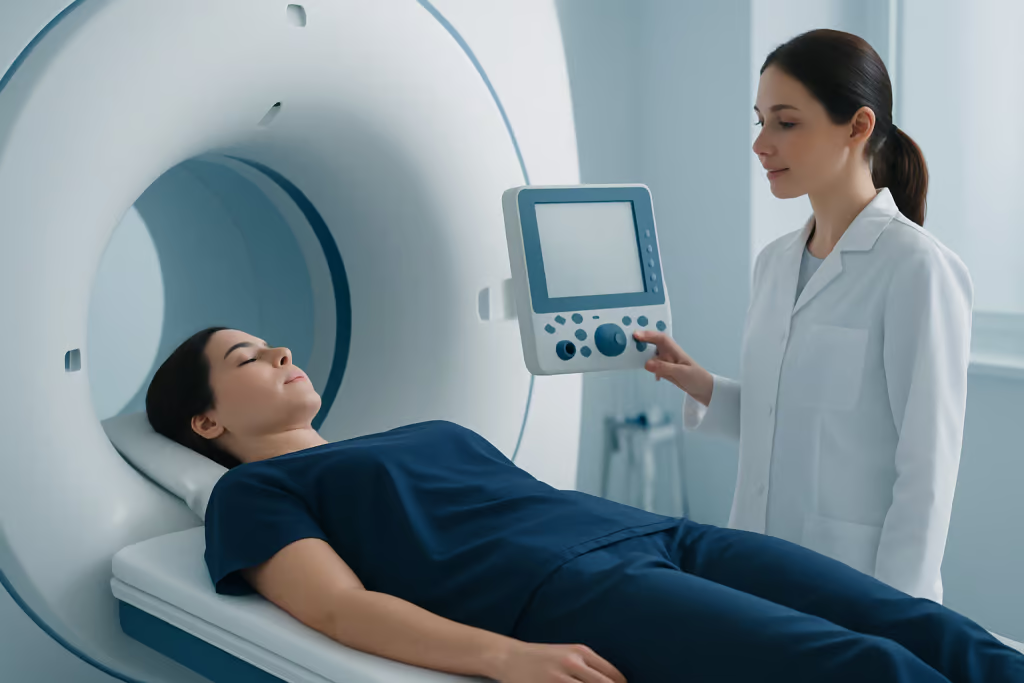
Oxytocin is made in the hypothalamus and released by the pituitary gland. It plays a well-known role in labor, helping the uterus contract, and in breastfeeding, helping milk let down. Beyond these reproductive functions, oxytocin is also involved in social attachment, trust, emotional recognition, and responses to stress.
Research suggests oxytocin may influence how people experience closeness, empathy, relaxation, and reward. It may also interact with other systems involved in mood, appetite, sexual response, and the body’s stress response. But these effects are complex. Oxytocin does not act alone, and its impact can vary between individuals and situations.
This is why advice about increasing oxytocin should be practical and cautious. Rather than chasing a lab value, it is usually more useful to look at the experiences and health factors that may support healthy oxytocin signaling overall. For some people, symptoms that seem related to oxytocin may actually reflect a broader issue such as depression, chronic stress, or another hormone imbalance.
Ways to increase oxytocin naturally

The most consistent evidence supports natural, low-risk habits. Positive social contact is one of the best-known triggers. Warm conversation, affectionate touch, hugging, cuddling with a willing partner, supportive friendships, and feeling emotionally safe may all help stimulate oxytocin release. The effect is not only about physical contact; trust, comfort, and meaningful connection also matter.
Movement may help as well. Regular exercise supports stress regulation, sleep quality, mood, and overall hormonal health. Gentle to moderate activities such as walking, swimming, yoga, dancing, or cycling can be useful, especially when done consistently. Shared enjoyable activities may have an added benefit because pleasure and connection often reinforce each other.
Relaxation practices are another helpful pathway. Mindfulness, slow breathing, massage, time in nature, music, laughter, and spiritual or reflective practices may reduce stress and support a body state that is more receptive to bonding and calm. Some people also notice more connection and emotional warmth when they improve sleep habits and reduce chronic overwork.
- Spend regular time with trusted family or friends.
- Use consensual affectionate touch when comfortable.
- Exercise most days of the week in a sustainable way.
- Listen to music, sing, laugh, or share enjoyable routines.
- Practice stress reduction, such as meditation or breathing exercises.
- Prioritize sleep, especially if stress or fatigue is high.
What the evidence says about supplements, sprays, and quick fixes
Many products claim to boost oxytocin, but the evidence for over-the-counter supplements is limited. Some marketing mixes oxytocin with more general “feel-good” claims about serotonin, dopamine, or relaxation. In practice, there is no widely accepted nonprescription supplement proven to safely and reliably raise oxytocin in a meaningful clinical way for the general public.
Prescription oxytocin is used medically in specific settings, especially labor and postpartum care, and should not be used casually for mood or bonding concerns. Intranasal oxytocin has been studied in research, but findings are mixed and it is not a routine self-treatment for social difficulties, anxiety, or low mood. Effects, if present, may depend on the person, the situation, and the condition being studied.
If someone is drawn to “biohacking” approaches, it is wise to be careful. Unregulated products may not contain what they claim, and a narrow focus on oxytocin can delay proper care for problems such as trauma, relationship distress, thyroid disease, menopause, sleep disorders, or mental health conditions. A clinician may suggest broader, evidence-based support such as counseling, lifestyle changes, or when appropriate psychotherapy for stress, mood, or bonding-related concerns.
When low oxytocin might not be the real issue
People often search for how to increase oxytocin because they feel emotionally flat, disconnected, overwhelmed, or less interested in intimacy. These experiences are common and often have explanations other than a true oxytocin problem. Ongoing stress, burnout, poor sleep, grief, anxiety, medication side effects, relationship conflict, chronic pain, and depressive symptoms can all affect closeness and emotional well-being.
Hormonal changes may also matter. Pregnancy, the postpartum period, perimenopause, menopause, and some endocrine conditions can change mood, energy, libido, and emotional sensitivity. In men, fatigue, low libido, or low motivation may reflect several possible causes, including sleep issues, stress, and other hormones. Doctors may look at the wider endocrine picture, sometimes including evaluation related to thyroid conditions or other hormone concerns when symptoms suggest it.
For people with persistent low mood, panic, trauma symptoms, or social withdrawal, emotional support is important. A medical review can help identify whether the main issue is stress physiology, a mental health condition, a medication effect, a sleep disorder, or another medical problem. Treating the underlying cause often does more than trying to “boost oxytocin” alone.
How doctors evaluate symptoms linked to oxytocin concerns
There is no routine, standardized clinical workup for “low oxytocin” in otherwise healthy adults. Instead, doctors begin with the person’s symptoms and context. They may ask about mood, stress, social connection, relationships, sleep, sexual health, pregnancy or postpartum history, menstrual changes, medications, and any other physical symptoms such as weight change, fatigue, hot flashes, or chronic pain.
A physical exam and targeted tests may be recommended if there are signs of another condition. Depending on the symptoms, this could include screening for depression or anxiety, blood tests for thyroid function, reproductive hormones, blood sugar, anemia, vitamin deficiencies, or inflammatory conditions. If sleep disruption is severe, further assessment may be needed. If there are sexual function concerns, evaluation may include broader hormone and vascular factors.
In some cases, treatment is aimed at the symptom pattern rather than oxytocin itself. For example, a person with severe stress may benefit from counseling and sleep support, while someone with intimacy concerns may benefit from relationship counseling or, when appropriate, evaluation through services such as fertility and reproductive care if symptoms are occurring alongside difficulty conceiving. The goal is to understand the whole person rather than a single hormone.
Practical self-care habits that may help
Daily routines often matter more than dramatic interventions. A predictable sleep schedule, regular meals, movement, and meaningful human connection can create the internal stability that supports healthy neurohormonal function. Small habits repeated over time are usually more realistic and more effective than trying to trigger a temporary emotional high.
It can also help to build connection intentionally. Some people do well with a daily check-in with a partner or friend, shared meals, volunteering, group exercise, a creative hobby, or caring for a pet. These do not guarantee a measurable oxytocin increase, but they can support bonding, lower stress, and improve emotional well-being in ways that align with how oxytocin works.
If sexual intimacy has changed, a gentle and nonjudgmental approach is best. Emotional closeness, communication, comfort, and physical health all play a role. When symptoms are persistent, clinicians may recommend focused support that can include counseling, pelvic health input, or specialist review. If there are reproductive concerns or postpartum questions, appropriate care may include obstetrics and gynecology evaluation tailored to the person’s stage of life.
Acibadem International’s multidisciplinary specialists and JCI-accredited hospitals evaluate symptoms that may overlap with hormone, emotional, reproductive, and stress-related concerns in international patients, helping guide diagnosis and treatment based on the underlying cause.
When to seek medical care
Most people do not need urgent treatment for concerns about oxytocin. However, medical care is important if symptoms are strong, persistent, or affecting daily life. A doctor should review ongoing low mood, loss of interest, severe anxiety, panic attacks, major sleep disruption, relationship distress, difficulty bonding after childbirth, sexual pain, marked loss of libido, or symptoms that suggest another medical problem.
Prompt attention is especially important after pregnancy. Feelings of sadness, detachment, fear, hopelessness, or inability to care for oneself or a baby should not be ignored. Emergency help is needed right away for thoughts of self-harm, thoughts of harming a baby or others, confusion, hallucinations, chest pain, or severe shortness of breath.
Early evaluation is reassuring because many treatable issues can look like a “low oxytocin” problem. These can include postpartum mood disorders, thyroid disease, medication effects, sleep apnea, menopause-related symptoms, chronic pain, and common mental health conditions. A qualified clinician can help clarify what is happening and suggest a safe, evidence-based plan.
Frequently asked questions
Can oxytocin really be increased naturally?
Yes, natural oxytocin release can be supported by behaviors linked with connection and relaxation. Examples include affectionate touch, supportive relationships, exercise, laughter, music, and stress reduction. The effect is usually modest and part of a broader healthy lifestyle rather than a quick fix.
What are signs of low oxytocin?
There is no single, specific symptom pattern that proves low oxytocin. People may notice stress, emotional distance, bonding difficulties, low libido, or mood changes, but these symptoms are common and can have many other causes. A doctor usually looks at the overall picture rather than assuming an oxytocin deficiency.
Should someone get tested for oxytocin levels?
Usually not. Oxytocin testing is not part of routine care for most people, and results are not straightforward to interpret in everyday clinical practice. Doctors are more likely to evaluate sleep, stress, mental health, medications, and other hormones based on symptoms.
Do supplements marketed for oxytocin work?
Evidence for over-the-counter oxytocin-boosting supplements is limited. Many products make broad wellness claims without strong clinical proof. It is safer to discuss symptoms with a healthcare professional, especially if a person is considering hormone-related products.
Can low oxytocin cause depression or anxiety?
Oxytocin is involved in stress and social bonding, but depression and anxiety are complex conditions with many influences. It is more accurate to say oxytocin may be one part of a larger system rather than the sole cause. Persistent symptoms deserve professional evaluation and evidence-based care.
Is oxytocin only important in pregnancy and breastfeeding?
No. Oxytocin is especially important in labor and milk let-down, but it also has roles in bonding, stress responses, and emotional regulation in people of all genders. Even so, it works together with many other hormones and brain pathways.
When should someone be concerned enough to see a doctor?
Medical review is a good idea if symptoms last for weeks, are worsening, or interfere with sleep, work, relationships, or intimacy. It is especially important after childbirth or if there are severe mood changes, panic, thoughts of self-harm, or other worrying physical symptoms. Early care can help identify treatable causes and provide support.
References
- National Institutes of Health
- Office on Women's Health
- American College of Obstetricians and Gynecologists
- Endocrine Society
- World Health Organization
This article is for general information only and is not a substitute for professional medical advice. Please consult a qualified doctor about your individual situation.
Explore treatments in Turkey — costs, top hospitals & a free quote
JCI-accredited · board-certified surgeons · reply within 24h
Add us as a Preferred Source to see more of our trusted health content across Google Search, AI Overviews and Discover.

More from the Health Library



Related Specialists

Prof. Dr. Hilal Ünal
General Surgery
Assoc. Prof. Dr. Burak Özturan
Orthopedic Surgery & Traumatology
Prof. Dr. Behice Kurtaran
Infectious Diseases & Clinical Microbiology
Prof. Dr. Selçuk Sızmaz
Ophthalmology