How to Increase Progesterone? Here Is What the Evidence Says

Progesterone levels change naturally during the menstrual cycle, pregnancy, and perimenopause. There is no single best way to increase progesterone; treatment depends on the underlying cause.
Key Takeaways
- Progesterone levels change naturally during the menstrual cycle, pregnancy, and perimenopause.
- There is no single best way to increase progesterone; treatment depends on the underlying cause.
- Lifestyle measures may support general hormonal health, but they do not reliably correct a true progesterone deficiency.
- Doctors usually assess symptoms, cycle timing, medications, and hormone tests before recommending treatment.
- Medical review is important for irregular bleeding, infertility, repeated pregnancy loss, or severe pelvic pain.
Many people who wonder how to increase progesterone do not have a serious problem, because progesterone naturally rises and falls across the menstrual cycle and life stages. The most effective way to raise progesterone is to identify why it may be low, look for any red-flag symptoms, and then use evidence-based treatment when needed.
Overview: what helps increase progesterone?
For many people, progesterone does not need to be “boosted” at all. It is a hormone made mainly after ovulation, so its level normally changes from one part of the menstrual cycle to another. It can also shift during stress, breastfeeding, perimenopause, and after stopping or starting hormonal medicines. In these situations, mild symptoms are often harmless and temporary.
When someone searches for how to increase progesterone, the evidence-based answer is usually this: first confirm whether progesterone is truly low for that person’s cycle stage, then treat the reason behind it. If ovulation is not happening regularly, simply taking supplements marketed for hormone balance may not solve the problem. If the issue is related to thyroid disease, polycystic ovary syndrome, underweight, high exercise load, or approaching menopause, care is directed at that cause.
There are also times when low progesterone matters more. Irregular or heavy bleeding, difficulty getting pregnant, recurrent pregnancy loss, or significant cycle changes should be assessed by a qualified clinician. Doctors may evaluate for conditions such as polycystic ovary syndrome or other hormone-related disorders before suggesting treatment.
What progesterone does in the body
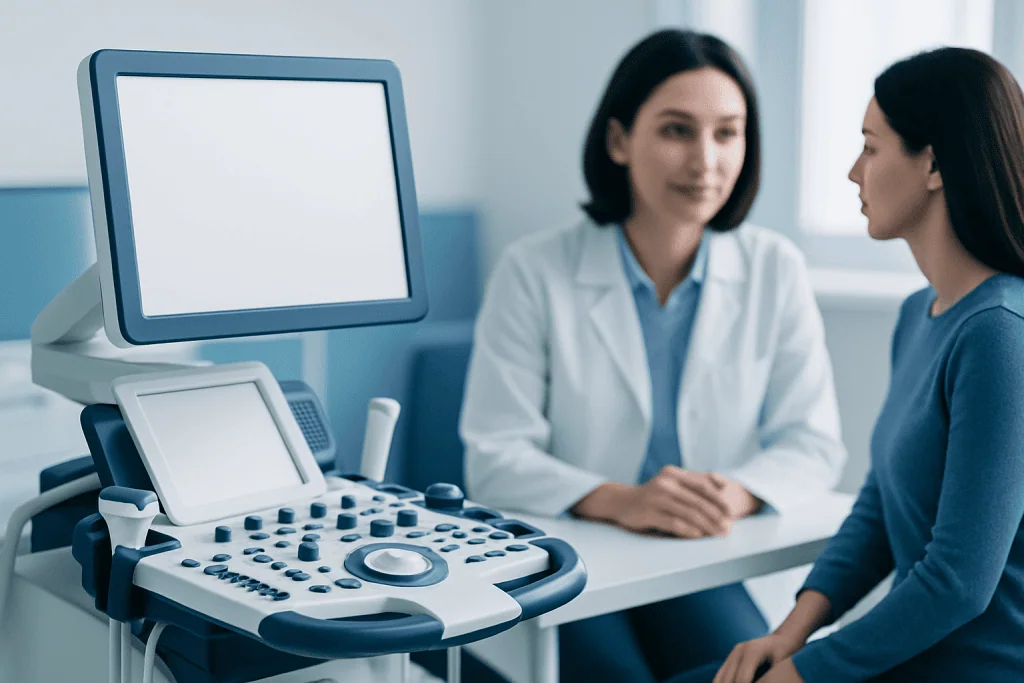
Progesterone is one of the key hormones involved in the menstrual cycle and reproduction. After ovulation, the ovary produces progesterone to help prepare the lining of the uterus for a possible pregnancy. If pregnancy does not occur, progesterone levels fall, and menstruation begins.
In early pregnancy, progesterone helps support the uterine lining. Beyond fertility, it also influences bleeding patterns and may affect sleep, mood, breast tenderness, and body temperature in some people. Because it works in balance with estrogen and other hormones, symptoms are not always caused by progesterone alone.
This is why the question is not only how to increase progesterone, but whether progesterone is the main issue. Similar symptoms can happen with thyroid disorders, high prolactin, stress-related cycle disruption, perimenopause, or structural gynecologic problems. An accurate diagnosis is more useful than trying multiple supplements without guidance.
Symptoms that may suggest low progesterone

Low progesterone can be difficult to recognize from symptoms alone. Possible signs may include irregular periods, spotting before a period, shorter cycles, trouble conceiving, or repeated early pregnancy loss. Some people also notice sleep changes, mood symptoms, headaches, or breast tenderness, but these are not specific and may have many causes.
Symptoms often depend on whether ovulation is occurring. If a person does not ovulate regularly, progesterone may stay lower because the body does not enter the normal post-ovulation phase. In that setting, the main clue is usually cycle irregularity rather than a single symptom.
It is also important to know what usually does not confirm low progesterone. General fatigue, weight changes, bloating, acne, or anxiety can be related to many health issues, including sleep disruption, stress, thyroid disease, or endometriosis if pelvic pain is present. A doctor looks at the overall pattern rather than relying on one symptom.
Common causes and risk factors
The most common reason for lower progesterone is not regularly ovulating. This can happen in polycystic ovary syndrome, thyroid disorders, high prolactin levels, very low body weight, rapid weight loss, eating disorders, intense athletic training, significant stress, or the normal transition into perimenopause. Age-related decline in ovarian function can also make ovulation less predictable.
Some medicines and health conditions may affect hormone patterns as well. Hormonal contraception changes the body’s natural cycle, so progesterone levels cannot be interpreted in the same way as in a natural cycle. Breastfeeding can temporarily suppress ovulation too, especially in the months after birth.
Structural gynecologic conditions may cause bleeding symptoms that are mistaken for low progesterone. Fibroids, polyps, adenomyosis, and other uterine conditions can lead to irregular bleeding even when hormone levels are not the main problem. In some cases, evaluation may include imaging such as pelvic ultrasound to look for these causes.
Because there are many possibilities, the goal is not simply to raise a number on a lab test. The goal is to restore healthy ovulation when possible, manage symptoms, and protect fertility or quality of life when needed.
How doctors diagnose the cause
A medical evaluation usually starts with the menstrual pattern: how long cycles are, whether bleeding is heavy or irregular, whether there is spotting between periods, and whether the person is trying to conceive. Doctors also ask about pregnancy history, medications, headaches, acne, hair growth, weight change, stress, exercise, and symptoms of thyroid disease or menopause.
Testing depends on the situation. A progesterone blood test may be helpful, but timing matters because progesterone rises only after ovulation. If it is checked too early or too late in the cycle, a low result may simply reflect normal timing rather than a disorder. Other tests may include thyroid function, prolactin, and reproductive hormone tests, depending on symptoms and age.
Imaging or additional gynecologic assessment may be recommended if the concern is irregular bleeding, pelvic pain, or infertility. For example, a clinician may assess for uterine or ovarian causes and, when fertility is a concern, may discuss IVF treatment or other reproductive options if appropriate. This stepwise approach helps avoid guessing and focuses on the reason progesterone may appear low.
Evidence-based ways to increase progesterone
The best-supported way to increase progesterone is to treat the underlying cause. If a person is not ovulating because of a thyroid disorder, high prolactin, or PCOS, addressing that problem may help restore a more normal cycle. If low progesterone is related to perimenopause, treatment may focus more on symptom control and cycle management than on trying to return hormone levels to those of younger reproductive years.
In some situations, doctors prescribe progesterone or progestin-containing treatment. This may be used to regulate bleeding, protect the uterine lining, support certain fertility treatments, or in selected cases during early pregnancy under specialist guidance. The type, route, and timing depend on the person’s goals and diagnosis, so it should not be started without medical advice.
Lifestyle measures can support overall hormonal health, even though they are not a guaranteed way to raise progesterone. Helpful steps may include eating enough calories, avoiding extreme dieting, moderating very intense exercise when cycles stop or become irregular, managing stress, and treating sleep problems. If undernutrition or low body weight is affecting ovulation, nutritional support can be important.
Over-the-counter creams, “natural progesterone boosters,” and herbal products are often marketed online, but evidence for many of them is limited or inconsistent. Some can interact with medicines or contain variable ingredients. If symptoms persist, it is safer to seek individualized medical guidance than to rely on supplements alone.
Self-care, fertility planning, and what not to expect
Cycle tracking can be useful when someone is concerned about low progesterone. Recording period dates, spotting, pain, mood changes, and ovulation predictor results may help show whether ovulation is likely happening regularly. This information can make a medical visit more productive and may help guide the timing of any hormone testing.
It is also reasonable to support general health with balanced meals, regular but not excessive exercise, sufficient sleep, and management of chronic stress. These measures may improve the body’s reproductive signaling, especially if cycles have become irregular after significant lifestyle changes. However, they may take time to affect menstrual patterns, and they are not a substitute for evaluation when symptoms are concerning.
For people trying to conceive, low progesterone should not be assumed to be the only issue. Fertility depends on ovulation, egg quality, sperm factors, fallopian tube health, and the uterus. If pregnancy is not happening after an appropriate time frame for age and circumstances, formal fertility assessment may be helpful, including options such as fertility preservation in selected cases where future family planning is a concern.
Near the end of the diagnostic journey, some patients seek care in centers that coordinate gynecology, endocrinology, imaging, and fertility services. Acibadem International’s multidisciplinary specialists and JCI-accredited hospitals diagnose and treat hormone-related and fertility concerns for international patients when this level of coordinated evaluation is needed.
When to seek medical care
Many hormone fluctuations are temporary, but certain symptoms deserve prompt medical review. A doctor should be contacted for very heavy bleeding, bleeding between periods, missed periods with possible pregnancy, repeated early pregnancy loss, infertility, severe pelvic pain, or sudden major changes in cycle pattern. These symptoms do not always mean low progesterone, but they should not be ignored.
Medical care is also important if there are signs that another condition may be present, such as milk discharge from the breasts when not breastfeeding, new severe headaches, vision changes, rapid weight change, hot flashes at an unusually early age, or symptoms of thyroid disease. If pregnancy is possible and there is pain or bleeding, urgent assessment is recommended.
In general, a clinician can help decide whether reassurance, monitoring, lifestyle changes, hormone treatment, or referral to a specialist is the best next step. That approach is more reliable than trying to raise progesterone without confirming what the body actually needs.
Frequently asked questions
Can progesterone be increased naturally?
Natural measures such as adequate nutrition, stress management, regular sleep, and avoiding excessive exercise may support normal ovulation in some people. However, they do not reliably increase progesterone if there is an underlying medical cause like PCOS, thyroid disease, or perimenopause.
What foods increase progesterone?
No specific food has been proven to directly and consistently raise progesterone levels. A balanced diet that supports healthy body weight and overall hormone function may help if low energy intake or undernutrition is disrupting ovulation.
How do doctors test for low progesterone?
Doctors may use a blood test, but the timing is important because progesterone rises after ovulation. They often combine test results with menstrual history, pregnancy goals, other hormone tests, and sometimes pelvic imaging to understand the full picture.
Does low progesterone always cause infertility?
No. Progesterone can be low at certain times of the cycle without causing infertility, and some people with mild hormone fluctuations still conceive normally. Fertility depends on several factors, so persistent difficulty conceiving should be assessed comprehensively.
Are over-the-counter progesterone creams effective?
Evidence for nonprescription progesterone creams is limited and product quality can vary. Some products may not deliver predictable amounts, so it is best to discuss symptoms and treatment options with a qualified doctor.
When should someone worry about possible low progesterone?
Medical review is sensible if there are irregular or very heavy periods, repeated spotting before periods, difficulty getting pregnant, recurrent early pregnancy loss, or major changes in cycle pattern. Pain, pregnancy-related bleeding, or severe symptoms should be assessed promptly.
References
- American College of Obstetricians and Gynecologists
- National Institutes of Health
- Office on Women's Health
- Endocrine Society
- American Society for Reproductive Medicine
This article is for general information only and is not a substitute for professional medical advice. Please consult a qualified doctor about your individual situation.
IVF & fertility treatment in Turkey — success rates and costs
JCI-accredited · board-certified surgeons · reply within 24h
Add us as a Preferred Source to see more of our trusted health content across Google Search, AI Overviews and Discover.
Check your numbers in seconds
BMI, calories, due date, blood pressure and 30+ more clinical calculators — free, instant, doctor-reviewed ranges.