How to Induce Period? A Doctor-Reviewed Answer

Many delayed periods are temporary and related to stress, routine changes, or hormonal shifts. Before trying to induce a period, pregnancy should be considered and tested for if possible.
Key Takeaways
- Many delayed periods are temporary and related to stress, routine changes, or hormonal shifts.
- Before trying to induce a period, pregnancy should be considered and tested for if possible.
- There is no proven home method that safely guarantees a period will start right away.
- Doctors evaluate a missed period by reviewing symptoms, medications, cycle history, and sometimes blood tests or ultrasound.
- Urgent medical care is important for severe pain, very heavy bleeding, fainting, or possible pregnancy complications.
A late or missed period is often harmless and may happen because of stress, travel, weight changes, illness, or normal cycle variation. The safest answer to how to induce period is usually not to force bleeding, but to identify the cause first—especially by ruling out pregnancy and knowing when medical care is needed.
Overview: Can a Period Be Safely Induced?
When someone asks how to induce period, the most useful medical answer is that it depends on why the period is late. In many cases, a delayed period is temporary and not a sign of serious illness. Stress, travel, changes in sleep, recent illness, intense exercise, and weight fluctuations can all affect ovulation and shift the timing of bleeding.
What matters most is understanding the cause before trying to trigger a period. If pregnancy is possible, taking a home pregnancy test is usually the first step. If the test is negative and there are no warning signs, it may be reasonable to monitor the cycle for a short time, since periods often return on their own.
There is no reliable home remedy that safely guarantees a period will start immediately. Some internet advice promotes herbs, supplements, vitamin megadoses, or unverified techniques, but these approaches may not work and can sometimes be harmful. A doctor-reviewed approach focuses on safety, the pattern of symptoms, and whether there may be an underlying hormonal, gynecologic, or general health issue.
Common Reasons a Period Is Late or Missed
A menstrual cycle does not always follow the exact same schedule every month. Some variation is normal, and a period may be a few days early or late without meaning anything is wrong. A late period may happen when ovulation is delayed, and that can occur for many everyday reasons.
Common causes include emotional stress, disrupted sleep, shift work, travel across time zones, dietary changes, rapid weight loss, weight gain, or strenuous physical activity. Recovering from a viral illness or dealing with a chronic condition can also temporarily affect the hormones that regulate the menstrual cycle.
Other causes may need medical attention, especially if periods are repeatedly irregular. These include thyroid disorders, high prolactin levels, polycystic ovary syndrome, perimenopause, some medications, and changes after stopping hormonal contraception. In some people, absent periods can also be linked to very low body weight or under-fueling in relation to activity level.
If irregular cycles are frequent, a doctor may evaluate for conditions such as polycystic ovary syndrome or other hormone-related concerns. The question is often not simply how to induce period, but why the body has delayed it in the first place.
What Actually Helps—and What Usually Does Not

If a period is late, the safest first steps are practical rather than forceful. A home pregnancy test, a review of recent stressors or lifestyle changes, and a little time are often more helpful than trying multiple remedies. If the period is only slightly delayed and there are no concerning symptoms, waiting a few days may be appropriate.
Some people look for ways to get a period naturally. Gentle self-care may support normal cycle recovery if stress or lifestyle factors are involved. That can include regular meals, adequate sleep, moderating intense exercise, and stress management. These steps may help the body return to its usual rhythm, but they do not act like a guaranteed trigger.
Popular online suggestions such as herbal products, detoxes, large amounts of vitamin C, or unprescribed hormones are not dependable medical solutions. Natural does not always mean safe, especially for people who could be pregnant or who have underlying health conditions. Using medications without medical guidance can also mask symptoms or lead to side effects.
If a doctor confirms that there is a hormonal reason for a delayed or absent period, treatment may be directed at the cause rather than simply starting bleeding. In some cases, evaluation in gynecology helps determine whether cycle regulation, imaging, or hormone testing is appropriate.
Symptoms That Suggest a Medical Cause
A single late period without other symptoms is often not urgent. However, certain patterns make medical review more important. These include repeatedly skipped periods, cycles that are becoming much farther apart, or no period for several months when someone is not pregnant.
Associated symptoms can offer clues. Acne, increased facial or body hair, scalp hair thinning, or weight changes may suggest a hormone imbalance. Fatigue, feeling unusually cold, constipation, or changes in heart rate may point toward a thyroid problem. Milky nipple discharge, headaches, or vision changes can also need evaluation.
Pelvic pain, painful periods, pain during sex, or abnormal bleeding between periods may indicate a gynecologic issue. If a person has very low body weight, heavy exercise demands, or significant recent weight loss, missed periods can be a sign that the body is not getting enough energy to support normal reproductive hormone function.
These symptoms do not automatically mean a serious problem, but they help doctors decide what to investigate. Sometimes the same evaluation also considers causes of menstrual irregularity more broadly, especially if cycle changes have been happening for some time.
How Doctors Diagnose a Delayed or Missing Period
Medical evaluation usually begins with a detailed history. A doctor may ask about the first day of the last period, typical cycle length, sexual activity, contraception, pregnancy possibility, recent stress, exercise, diet, weight changes, and family history. Current medications and supplements are important too, since some can affect menstruation.
A pregnancy test is often the first investigation, even when pregnancy seems unlikely. Depending on the situation, blood tests may check thyroid function, prolactin, reproductive hormones, or signs of metabolic issues. If symptoms suggest a specific condition, the testing plan may be adjusted.
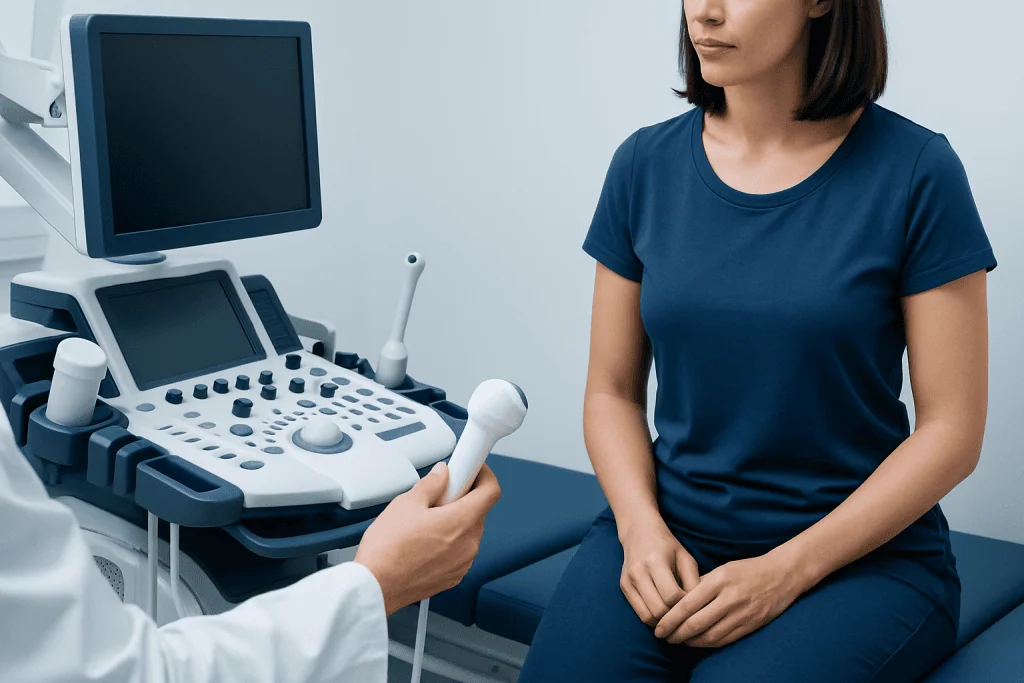
A pelvic examination is not always needed right away, but it may be recommended based on symptoms. Ultrasound can be useful if doctors want to look at the uterus and ovaries, especially when irregular periods, pelvic pain, or suspected ovarian cysts are present. In some cases, imaging helps assess whether there are structural reasons for cycle changes.
When periods are absent, unusually painful, or linked to fertility concerns, care may involve obstetrics and gynecology specialists. The goal is not only to explain the missed period, but also to protect long-term reproductive, hormonal, and general health.
Treatment Options Depend on the Cause
There is no single treatment that fits every late period. If pregnancy is the cause, the focus shifts to confirming the pregnancy and discussing next steps. If stress, illness, travel, or recent routine changes are the likely cause, reassurance and observation may be all that is needed while the cycle resets.
When a hormonal condition is identified, treatment aims at the underlying problem. For example, thyroid disease is managed differently from polycystic ovary syndrome, and each may require a different plan for restoring more regular cycles. If a medication is contributing to missed periods, a doctor may review whether an alternative is appropriate.
Hormonal treatments are sometimes used to regulate cycles or cause a withdrawal bleed, but these should be prescribed only after a proper assessment. Using hormones without knowing the cause can delay diagnosis or create confusion about what the body is doing naturally. People who are trying to conceive may need a different approach from those seeking symptom control.
If delayed periods are part of a broader fertility or ovulation concern, care may overlap with fertility and reproductive medicine evaluation. Treatment is individualized and usually considers age, health history, symptoms, and future pregnancy plans.
Self-Care, Prevention, and Cycle Tracking
Not every missed period can be prevented, but healthy habits can support more predictable cycles. Regular meals, enough total calories, sleep consistency, and balanced physical activity all help the hormonal system function well. Stress reduction may also make a difference, especially when cycle changes happen during emotionally demanding periods.
Tracking menstrual cycles can be very useful. Recording period dates, flow patterns, cramps, spotting, and related symptoms helps a person notice changes over time. This information also makes medical appointments more productive, since doctors can look for patterns instead of relying on memory alone.
It is wise to be cautious with supplements marketed for cycle regulation. Even products sold over the counter may interact with medications or be unsafe in early pregnancy. If periods are frequently irregular or there is concern about ovulation, it is safer to ask a qualified clinician before starting any new remedy.
Near the end of the diagnostic process, some patients benefit from multidisciplinary care. Acibadem International’s specialists in women’s health, endocrinology, imaging, and fertility services at JCI-accredited hospitals diagnose and treat menstrual and hormonal conditions for international patients when more detailed assessment is needed.
When to Seek Medical Care
Medical advice should be sought sooner if pregnancy is possible, especially if there is pelvic pain, dizziness, fainting, or unusual bleeding. These symptoms can sometimes point to an urgent problem and should not be managed with home remedies alone. Severe one-sided pain or shoulder pain also needs prompt assessment.
It is also sensible to contact a doctor if periods are repeatedly absent, if there has been no period for three months or more without a known reason, or if cycles suddenly become much more irregular. Very heavy bleeding, bleeding that lasts much longer than usual, or bleeding after sex also deserves evaluation.
People should arrange a medical review if a late period comes with symptoms such as new excessive hair growth, nipple discharge, major weight change, hot flashes at a young age, or ongoing pelvic pain. Even when the cause is not serious, a clear diagnosis can reduce anxiety and guide the right treatment.
In short, the safest answer to how to induce period is usually to avoid trying to force it and instead rule out pregnancy, watch for red flags, and address the reason behind the delay. A qualified doctor can help determine whether reassurance, testing, or treatment is the best next step.
Frequently asked questions
How can someone induce a period quickly?
There is no proven method that safely guarantees a period will start quickly at home. The most important first step is to understand why the period is late, especially by ruling out pregnancy and considering recent stress, illness, or lifestyle changes.
Can stress make a period late?
Yes. Stress can affect the hormones involved in ovulation, which may delay or even skip a period for that cycle. Once the stress improves, periods often return to their usual pattern.
Should a pregnancy test be done before trying to get a period?
Yes, if pregnancy is possible, a pregnancy test is usually recommended before trying any remedy. This is important because some supplements, herbs, or medications may be unsafe in pregnancy and could delay proper care.
Are there natural ways to get a period?
Healthy routines such as adequate sleep, balanced nutrition, and reducing excessive exercise may help if cycle changes are related to stress or lifestyle factors. However, these do not work as an immediate trigger, and there is no natural method that reliably induces bleeding on demand.
When is a missed period considered a problem?
A single missed period is often not serious, especially if there are no other symptoms. Medical advice is more important if periods are repeatedly absent, there has been no period for three months, or symptoms such as pain, heavy bleeding, fainting, or possible pregnancy are present.
What tests might a doctor order for a late period?
Doctors often begin with a pregnancy test and a review of menstrual history, medications, symptoms, and recent lifestyle changes. Depending on the situation, they may also order blood tests for thyroid or reproductive hormones, and sometimes a pelvic ultrasound.
References
- American College of Obstetricians and Gynecologists
- National Institute for Health and Care Excellence
- Office on Women's Health
- Mayo Clinic
- World Health Organization
This article is for general information only and is not a substitute for professional medical advice. Please consult a qualified doctor about your individual situation.
IVF & fertility treatment in Turkey — success rates and costs
JCI-accredited · board-certified surgeons · reply within 24h
Add us as a Preferred Source to see more of our trusted health content across Google Search, AI Overviews and Discover.
Check your numbers in seconds
BMI, calories, due date, blood pressure and 30+ more clinical calculators — free, instant, doctor-reviewed ranges.