How to Lose Weight Fast? A Doctor-Reviewed Answer

Fast weight loss is safest when it combines a modest calorie deficit, higher protein intake, regular activity, and good sleep. Extreme diets, diet pills, and dehydration can cause temporary scale changes but are often ineffective or unsafe.
Key Takeaways
- Fast weight loss is safest when it combines a modest calorie deficit, higher protein intake, regular activity, and good sleep.
- Extreme diets, diet pills, and dehydration can cause temporary scale changes but are often ineffective or unsafe.
- A doctor may look for conditions such as thyroid disease, diabetes, sleep apnea, or hormonal problems if weight is difficult to lose or changes suddenly.
- Warning signs such as unexplained weight loss, chest pain with exercise, fainting, severe fatigue, or eating disorder behaviors need prompt medical attention.
- Sustainable habits usually work better than short-term restriction for keeping weight off.
How to lose weight fast usually means creating a steady calorie deficit in a safe, structured way rather than trying extreme diets or detoxes. Most people can lose weight without urgent concern, but certain symptoms and patterns should prompt a medical review to check for an underlying health condition and build a safer plan.
Overview: the fastest safe way to lose weight
For most people, the fastest safe way to lose weight is not a crash diet. It is a structured plan that lowers calorie intake, keeps protein high, adds regular movement, and protects sleep and hydration. This approach can start working within days, but the goal is real fat loss rather than short-lived water loss.
Many people ask how to lose weight fast because they want visible progress quickly. That is understandable, and in many cases it can be done safely with medical guidance and realistic expectations. A doctor-reviewed approach focuses on health first: preserving muscle, supporting metabolism, and reducing the chance of regaining weight.
It also helps to know that weight is influenced by more than willpower alone. Appetite hormones, medications, menopause, stress, sleep loss, insulin resistance, and conditions such as obesity can all make weight loss slower or more difficult. When these factors are recognized early, treatment can become more effective and less frustrating.
Why quick fixes often fail
Many popular methods promise dramatic weight loss in a few days. These usually work by sharply cutting carbohydrates, fluids, or total food intake. The scale may drop at first, but much of that early change can be water and glycogen rather than body fat. Once normal eating returns, the weight commonly comes back.
Very restrictive plans can also increase fatigue, headaches, constipation, dizziness, irritability, and binge eating. Some people lose muscle instead of fat, which can make long-term weight control harder. This is one reason doctors generally recommend avoiding unsupervised detoxes, laxatives, or stimulant products for weight loss.
A safer strategy aims for steady progress while protecting nutrition. In some cases, a physician may recommend a formal medical weight loss program if weight-related health risks are present or if repeated self-directed efforts have not worked. This allows treatment to be tailored to the person rather than relying on one-size-fits-all advice.
What doctors usually recommend for faster, healthier weight loss

A practical medical approach to how to lose weight fast begins with a calorie deficit that is meaningful but not extreme. This usually means eating fewer calories than the body uses while still meeting protein, fiber, vitamin, and mineral needs. Higher-protein meals can help reduce hunger and preserve muscle during weight loss.
Food quality matters as much as quantity. Many people do well with meals built around lean protein, vegetables, fruit, legumes, yogurt, eggs, fish, and whole grains, while reducing sugary drinks, alcohol, sweets, and highly processed snacks. Simple habits such as eating slowly, planning meals ahead, and using smaller portions can make this easier to sustain.
Exercise supports fat loss, but it is not necessary to begin with intense workouts. A combination of brisk walking, cycling, swimming, or other moderate activity with resistance training is often recommended. Strength training is especially useful because it helps preserve muscle mass and metabolic health during weight loss.
Sleep and stress are frequently overlooked. Poor sleep can increase hunger hormones and cravings, while chronic stress may lead to emotional eating and lower activity levels. Doctors often advise aiming for consistent sleep, regular meal timing, and behavior tools such as food logs or digital tracking to identify patterns.
Medical causes and risk factors that can affect weight
Weight gain or difficulty losing weight is common and often related to lifestyle, age, genetics, or life stage. However, some medical conditions can contribute. These include underactive thyroid, polycystic ovary syndrome, insulin resistance, type 2 diabetes, depression, chronic pain, and sleep apnea, which can disrupt hormones linked to hunger and energy balance.
Medicines can also play a role. Some antidepressants, steroids, diabetes treatments, seizure medicines, and hormonal therapies may make weight management harder. A doctor can review whether a medication might be contributing and whether alternatives are appropriate.
Body composition and distribution of body fat also matter. Excess abdominal fat is more strongly linked with metabolic risk than weight alone. For some people with severe obesity or obesity-related conditions, specialist treatment may be considered, including bariatric surgery or other structured options when lifestyle measures alone are not enough.
On the other hand, sudden unplanned weight loss is different from intentionally trying to lose weight and should not be ignored. If body weight drops without diet or exercise changes, a medical evaluation is important to look for causes such as thyroid overactivity, diabetes, digestive disease, infection, or cancer.
When to seek medical care
In many people, trying to lose weight is not an emergency, and gradual progress is usually the safest path. Still, some warning signs mean professional advice is important before starting or intensifying a weight-loss plan. These include chest pain with activity, fainting, severe shortness of breath, pregnancy, uncontrolled high blood pressure, or a history of eating disorders.
Medical review is also a good idea if weight loss efforts are not working despite consistent habits, if there is rapid weight gain, or if symptoms suggest an underlying condition. Examples include severe fatigue, snoring with daytime sleepiness, irregular periods, increased thirst or urination, heat or cold intolerance, swelling, or mood changes.
Urgent assessment is warranted for unexplained weight loss, vomiting, blood in the stool, black stools, severe abdominal pain, or signs of dehydration. These symptoms are not typical features of a healthy weight-loss plan and may point to another medical problem that needs prompt care.
How a doctor evaluates weight concerns
A clinical evaluation usually starts with a detailed history rather than a judgment about body size. The doctor may ask about weight changes over time, usual eating pattern, physical activity, sleep, stress, family history, menstrual history, current medicines, and previous attempts to lose weight. This helps identify whether the main issue is lifestyle, metabolism, hormones, medication effects, or another health condition.
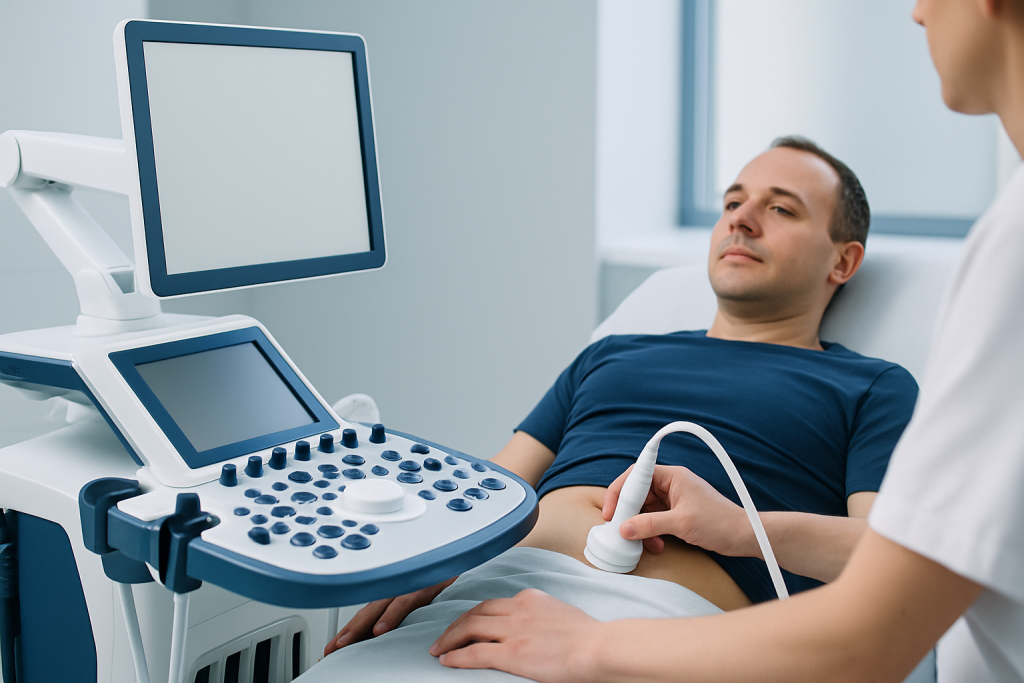
The physical exam may include blood pressure, waist measurement, and signs of endocrine or nutritional problems. Depending on symptoms, tests may be ordered to check blood sugar, thyroid function, cholesterol, liver health, kidney function, and sometimes sleep or hormone-related issues. If symptoms suggest diabetes, the evaluation may connect with care for diabetes.
The purpose of testing is not only to rule out disease but also to create a plan that matches the person’s health risks and goals. Some people benefit most from nutrition counseling and exercise support, while others may need medication review, psychological support, or specialist treatment. Near the end of this process, institutions such as Acibadem International can support international patients through multidisciplinary specialists and JCI-accredited hospitals that diagnose and treat weight-related conditions.
Treatment options and self-care strategies
Treatment depends on the starting point, medical history, and how much weight needs to be lost. For many adults, first-line care includes an eating plan that creates a calorie deficit, a gradual increase in physical activity, and behavior change tools. Follow-up is important because ongoing support often improves results more than short bursts of motivation.
Some people may benefit from prescription treatment when lifestyle measures alone are not enough and when body weight is affecting health. A doctor can explain the benefits, side effects, and suitability of weight loss medications in the context of the individual’s medical history. These medicines are not a substitute for healthy habits, but they can support appetite control and adherence for selected patients.
Self-care steps that often help include:
- Prioritizing protein and fiber at each meal
- Replacing sugary drinks with water or unsweetened alternatives
- Limiting alcohol, especially liquid calories
- Planning meals and snacks to reduce impulsive eating
- Walking daily and adding resistance exercise two or more times a week if appropriate
- Tracking weight trends weekly rather than multiple times per day
- Protecting sleep and managing stress
If a person has severe obesity, obesity-related complications, or repeated unsuccessful attempts with conservative measures, specialist pathways may be discussed. These can include coordinated nutrition, endocrinology, psychology, and procedural care. The aim is not simply faster loss on the scale, but safer long-term improvement in health.
Frequently asked questions
How fast can a person lose weight safely?
Safe weight loss varies by the individual, starting weight, health conditions, and treatment plan. Doctors usually favor steady loss that can be maintained, because extreme speed often reflects water loss or muscle loss rather than lasting fat loss.
Is it possible to lose weight fast without exercise?
Yes, weight loss can begin without exercise if calorie intake decreases, but physical activity improves overall health and helps preserve muscle. Even light to moderate activity such as walking can support better results and make weight maintenance easier.
What should a person eat when trying to lose weight quickly but safely?
Meals that emphasize lean protein, vegetables, fruit, legumes, and high-fiber foods tend to be more filling and nutritionally balanced. Reducing sugary drinks, highly processed snacks, and large portions often helps create a calorie deficit without overly strict rules.
Why am I not losing weight even though I am eating less?
There are several possible reasons, including underestimating portions, changes in activity, sleep deprivation, medication effects, hormonal conditions, or fluid retention. A doctor can help review patterns and check for problems such as thyroid disease, insulin resistance, or sleep apnea.
Are detoxes, teas, or diet pills a good way to lose weight fast?
Most detoxes and over-the-counter quick-fix products do not produce meaningful long-term fat loss. Some can cause dehydration, rapid heartbeat, digestive upset, or unsafe interactions with medicines, so it is wise to discuss any product with a qualified clinician first.
When should someone see a doctor about weight loss or weight gain?
Medical advice is important if there is unexplained weight loss, rapid weight gain, severe fatigue, chest pain with exercise, fainting, or symptoms such as excessive thirst, snoring with daytime sleepiness, or irregular periods. A doctor can identify whether the issue is mainly lifestyle-related or linked to an underlying health condition.
References
- World Health Organization
- Centers for Disease Control and Prevention
- National Institute of Diabetes and Digestive and Kidney Diseases
- American Heart Association
- Academy of Nutrition and Dietetics
This article is for general information only and is not a substitute for professional medical advice. Please consult a qualified doctor about your individual situation.
Medical weight-loss options in Turkey — costs & eligibility
JCI-accredited · board-certified surgeons · reply within 24h
Add us as a Preferred Source to see more of our trusted health content across Google Search, AI Overviews and Discover.
Check your numbers in seconds
BMI, calories, due date, blood pressure and 30+ more clinical calculators — free, instant, doctor-reviewed ranges.